- English
- French
- German
- Portuguese
- Spanish
- Russian
- Japanese
- Korean
- Arabic
- Greek
- German
- Turkish
- Italian
- Danish
- Romanian
- Indonesian
- Czech
- Afrikaans
- Swedish
- Polish
- Basque
- Catalan
- Esperanto
- Hindi
- Lao
- Albanian
- Amharic
- Armenian
- Azerbaijani
- Belarusian
- Bengali
- Bosnian
- Bulgarian
- Cebuano
- Chichewa
- Corsican
- Croatian
- Dutch
- Estonian
- Filipino
- Finnish
- Frisian
- Galician
- Georgian
- Gujarati
- Haitian
- Hausa
- Hawaiian
- Hebrew
- Hmong
- Hungarian
- Icelandic
- Igbo
- Javanese
- Kannada
- Kazakh
- Khmer
- Kurdish
- Kyrgyz
- Latin
- Latvian
- Lithuanian
- Luxembou..
- Macedonian
- Malagasy
- Malay
- Malayalam
- Maltese
- Maori
- Marathi
- Mongolian
- Burmese
- Nepali
- Norwegian
- Pashto
- Persian
- Punjabi
- Serbian
- Sesotho
- Sinhala
- Slovak
- Slovenian
- Somali
- Samoan
- Scots Gaelic
- Shona
- Sindhi
- Sundanese
- Swahili
- Tajik
- Tamil
- Telugu
- Thai
- Ukrainian
- Urdu
- Uzbek
- Vietnamese
- Welsh
- Xhosa
- Yiddish
- Yoruba
- Zulu
Budget Sofa Buying Tips
When it comes to furnishing commercial spaces or bulk procurement for businesses, selecting the right seating solution requires careful consideration of cost, quality, and functionality. Budget sofa buying doesn't mean compromising on quality—it means making informed decisions that maximize value. A well-chosen 5 seater fabric sofa can transform any commercial space while staying within procurement budgets. This comprehensive guide will walk you through the essential considerations for purchasing budget-friendly fabric sofas that meet your business needs without sacrificing durability or comfort.
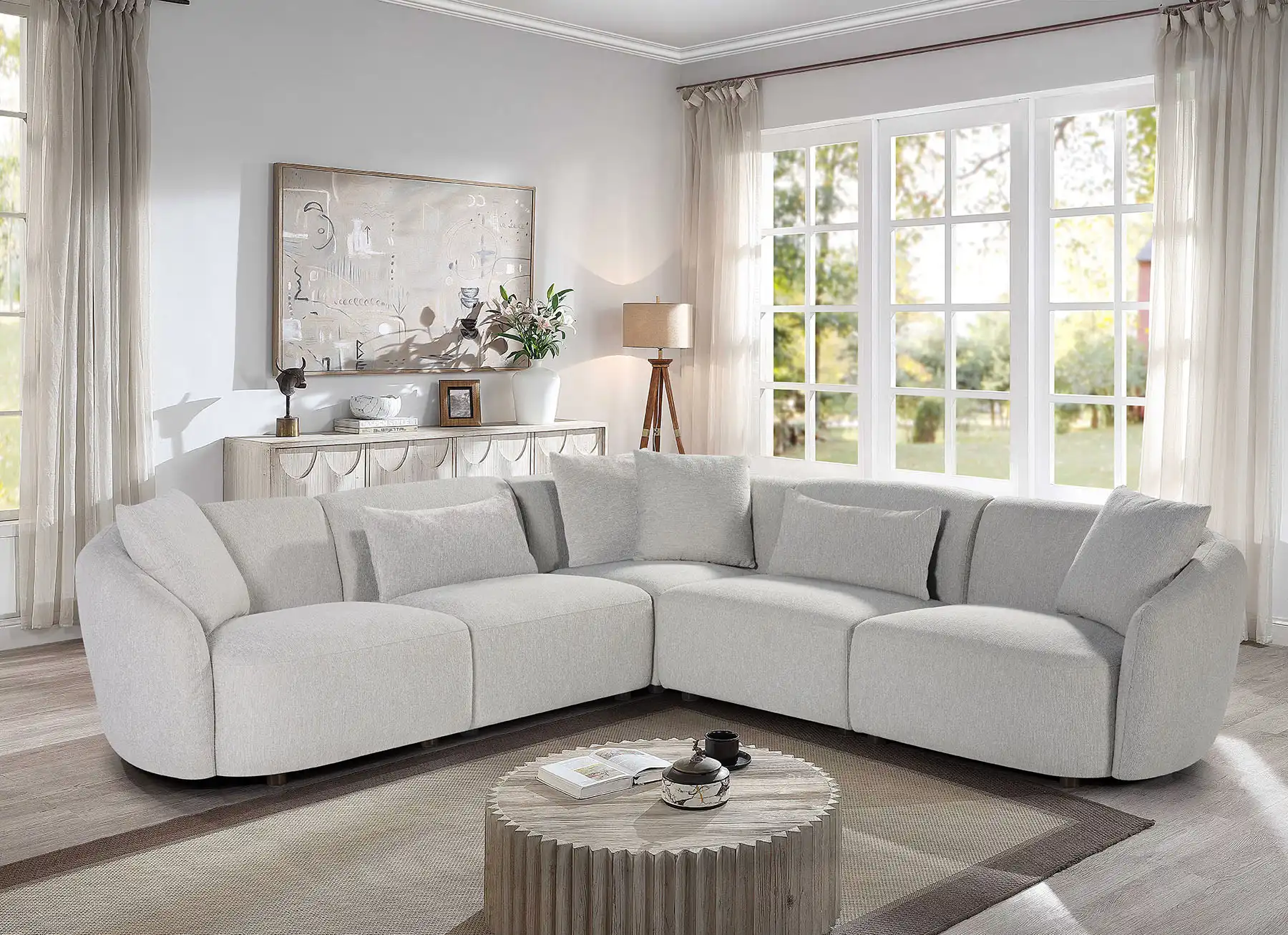
Understanding the Budget Sofa Market and Fabric Sofas
Within the business furniture industry, there has been a significant increase in the need for seating solutions that are both cost-effective and available across a variety of industries. There is a growing emphasis on the need of budget-conscious procurement practices that preserve quality standards in commercial real estate developments, including hotels, business centers, waiting spaces, and other commercial settings. According to studies conducted by the industry, it is anticipated that the worldwide market for commercial furniture would have considerable growth rates, especially fabric couches accounting for a large percentage of this growth.
Market Trends Driving Budget Sofa Demand
The modern business landscape demands flexible, affordable seating solutions that adapt to changing workplace dynamics. Remote work transitions and hybrid office models have influenced how companies approach furniture procurement, emphasizing versatile pieces that serve multiple functions. Budget-conscious buyers now seek sofas that provide comfort for extended use while maintaining professional aesthetics suitable for client interactions.
It is common knowledge that commercial companies acknowledge the fact that fabric couches provide higher cost effectiveness in comparison to leather options. When compared to leather alternatives, the initial investment is often between 30 and 50 percent cheaper, and the expenses of maintenance typically stay inexpensive throughout the product's existence. When bulk purchases for big endeavors like as hotel lobbies or business office spaces are taken into consideration, this cost benefit becomes more obvious.
Fabric Material Analysis for Commercial Applications
In order to make educated choices, procurement managers need to have a solid understanding of the different fabric possibilities. Polyester blends are the most popular option in the budget-friendly market because they provide exceptional durability and stain resistance, both of which are essential for environments with high foot traffic. Over lengthy periods of time, these synthetic fabrics are able to survive continuous usage while preserving their color integrity and textural quality consistently.
Cotton mix materials provide a natural level of comfort and airflow, making them an excellent choice for environments in which people spend a significant amount of time while sitting. Cotton blends provide better user satisfaction, which may boost staff productivity and increases the level of comfort experienced by customers, despite the fact that they are somewhat more costly than pure synthetics. There are other alternatives available made of microfiber, which are a convincing choice since they combine the ease of cleaning with a soft feel that caters to a variety of customer tastes.
Performance textiles are at the upper end of the price range for solutions that are still affordable. They include cutting-edge technology that provide stain resistance, antibacterial characteristics, and better durability. In contexts where cleanliness standards are of the utmost importance, such as hospitals, hotels, and eateries, these products show to be very useful. More often than not, the minor price premium is justified by the decreased amount of money spent on cleaning and the increased number of replacement cycles.
How to Choose the Best Budget 5 Seater Fabric Sofa for Your Business
Successful procurement begins with clearly defining your specific requirements based on intended use cases and operational constraints. Office environments demand different characteristics than hotel lobbies or medical waiting areas. Understanding these distinctions helps narrow selection criteria and ensures optimal value from your investment.
Defining Your Specific Use Case Requirements
Commercial spaces present unique challenges that residential furniture cannot adequately address. Office workspaces require sofas that support collaborative activities while maintaining professional appearance throughout extended daily use. Customer waiting areas need furniture that projects welcoming aesthetics while withstanding diverse user demographics and varying care levels.
Spatial considerations significantly impact sofa selection decisions. Measuring available space accurately prevents costly sizing errors that could necessitate returns or exchanges. Consider traffic flow patterns around the seating area to ensure the 5 seater configuration doesn't obstruct movement or create bottlenecks during peak usage periods.
Design limits are sometimes a result of pre-existing décor, brand rules, or regulations established by the building. Some business settings require the use of particular color palettes or kinds of materials in order to ensure compliance with safety regulations. A thorough understanding of these constraints at an early stage in the process of choosing helps to avoid disappointment and guarantees a smooth integration with the furnishings that are already in place.
Essential Evaluation Criteria for Commercial Furniture
Here are the core factors that determine long-term satisfaction with your fabric sofa investment:
• Durability Assessment: Examine frame construction materials, joint reinforcement methods, and weight capacity ratings to ensure the sofa withstands commercial-level usage without premature failure
• Comfort Evaluation: Test cushion density, back support angle, and seat depth to verify user comfort across different body types and extended sitting periods
• Style Alignment: Consider color options, design aesthetics, and visual compatibility with your brand image and existing décor elements
These evaluation criteria work together to create a comprehensive assessment framework that balances immediate needs with long-term performance expectations. For instance, when selecting a key piece like a 5 seater fabric sofa, durability testing data from manufacturers can provide objective metrics for comparison between different models and brands.
Budget Segmentation Strategies for Procurement Teams
It is necessary to have a grasp of the usual pricing ranges along with value propositions across the various quality categories in order to allocate budgets effectively. In general, the price range for entry-level budget sofas is between $400 and $800 for five-seater configurations. These sofas provide basic comfort and conventional fabric options. The mid-range alternatives, which run from $800 to $1500, provide increased durability, a wider selection of fabrics, and an enhanced construction quality, all of which contribute to an extended service life.
Premium budget selections ($1500-2500) deliver commercial-grade construction, performance fabrics, and manufacturer warranties that reduce total cost of ownership. These higher-tier options often prove more economical for high-usage environments where replacement frequency significantly impacts operational budgets. Bulk order discounts can shift these price ranges downward, making premium options accessible for large-scale procurement projects.
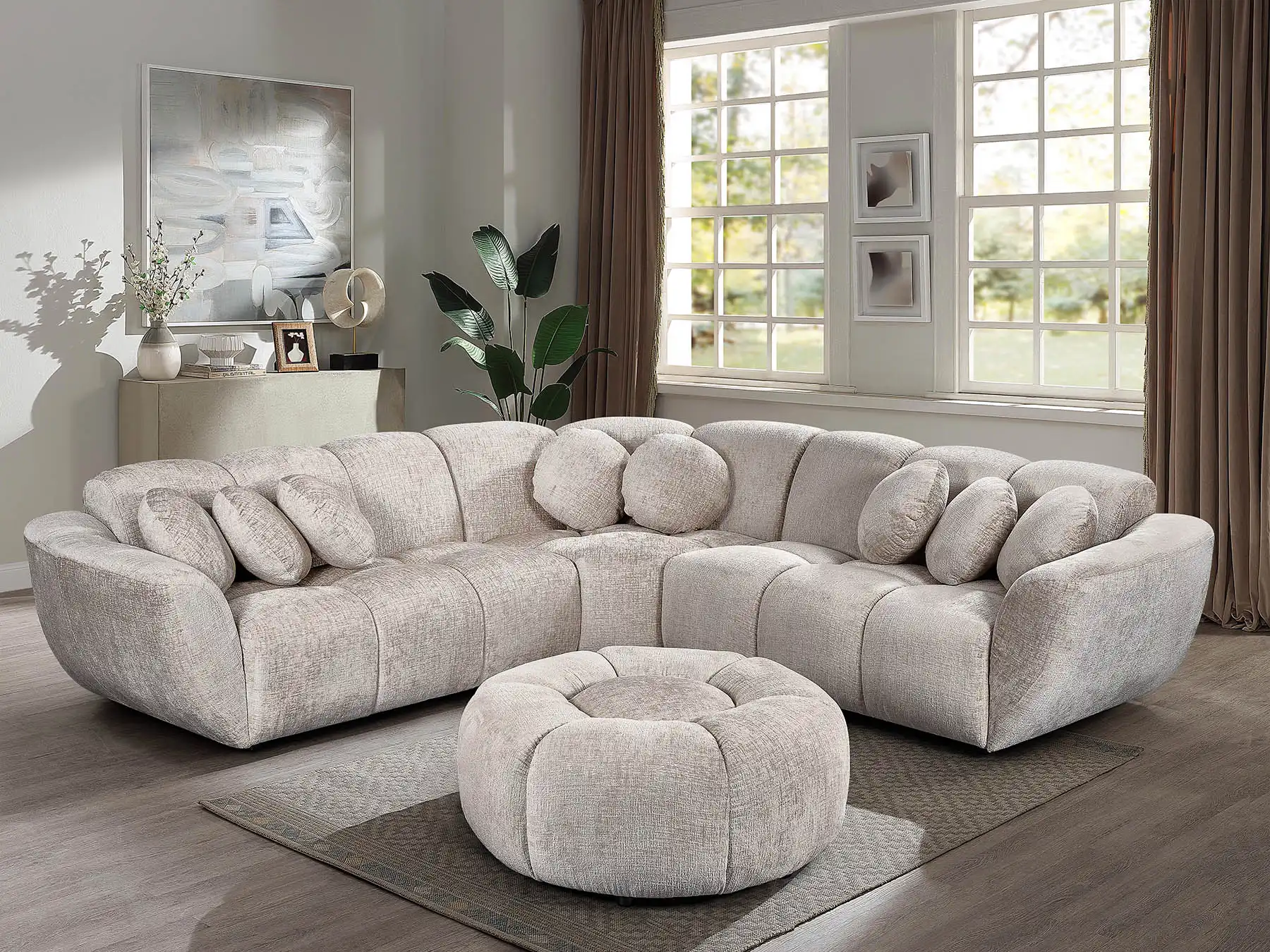
Maintenance and Longevity: Fabric Sofa Care Tips for Procurement Managers
It is possible to directly affect the total cost of managing for business furniture investments via the implementation of effective maintenance techniques. In addition to extending the lifetime of sofas, proactive maintenance practices ensure that appearance standards are maintained, which in turn reflects well on your company's image. The establishment of maintenance plans that avoid expensive damage and eliminate the need for premature replacement is made possible by an understanding of the requirements that are particular to the fabric.
Fabric-Specific Cleaning Protocols
For the purpose of preserving both the beauty and the structural integrity of various kinds of cloth, certain cleaning methods are required. Vacuuming and performing periodic cleanings with simple detergent solutions are effective methods for maintaining the cleanliness of polyester mix flooring. Weekly maintenance routines avoid the collection of dirt, which may become ingrained and hard to remove if it is not eliminated. Steam cleaning once every six to twelve months helps to eradicate deep-seated pollutants and renew the look of the surface.
There are mild washing procedures that are beneficial for cotton mix textiles since they keep the original fiber qualities. When it comes to cotton materials, cleaning professionals often provide the best possible outcomes. This is especially true in instances when appearance standards are quite important in commercial settings with considerable foot traffic. Changing the cushions on a regular basis helps to spread wear patterns uniformly, which in turn extends the total service life.
Performance textiles often come with care recommendations that are particular to the manufacturer and are designed to optimize the advanced features of the fabric. By adhering to these rules, you can assure that the warranty coverage will continue to be valid while simultaneously maximizing the return earned from the purchase of quality fabric. Numerous performance textiles are equipped with stain-resistant treatments, which need the use of certain cleaning chemicals in order to preserve their efficiency.
Preventive Maintenance Techniques
The detection of wear patterns at an early stage enables remedial action to be taken before they cause significant harm. Visual inspections performed on a weekly basis may detect issues such as loose threads, textile pilling, or cushion drooping, all of which are signs that need care. Taking immediate action to address these concerns avoids small problems from developing into large problems that need significant repair or replacement expenses.
Several environmental elements have a considerable influence on the lifetime of fabric sofas. It is possible to avoid color fading & fabric deterioration by positioning furniture in a manner that is away from direct sunlight. The danger of dampness, mildew, or excessive drying, all of which may threaten the integrity of fabric, is reduced when the humidity levels are maintained at the optimum levels. The circulation of air surrounding sitting places facilitates the prevention of the buildup of moisture, which may lead to the growth of germs or the production of odors.
The advantages of specifying washable and replaceable covers become apparent in busy commercial settings. Removable covers allow for thorough cleaning without disrupting seating availability, while replacement options enable quick refresh of appearance without full furniture replacement. These features prove particularly valuable in healthcare, hospitality, and food service environments where hygiene standards are stringent.
Comparing 5 Seater Fabric Sofas with Leather Sofas from a B2B Perspective
The selections that are made about commercial furniture involve a thorough consideration of the financial consequences that go beyond the original purchase price. There is a clear distinction between the value propositions that fabric and leather couches provide, which are in accordance with the various administrative goals and financial limits. The ability to make educated choices that maximize both short-term expenses and prospective operational efficiency is made possible by having a thorough understanding of these distinctions.
Cost Analysis: Initial Investment vs. Lifecycle Expenses
The starting price difference between fabric couches and leather couches often varies from thirty to sixty percent, with fabric choices continually giving lower entrance rates because of their more affordable nature. When numerous items are purchased in bulk, this benefit becomes very substantial since the savings accumulate over a longer period of time. On the other hand, a full cost study has to take into account operating, maintenance, and replacement elements along with other aspects that impact overall ownership costs.
When compared to leather treatment, fabric couches often need more regular professional cleaning, but the cost of each service is typically lower that of leather. When it comes to business settings, the typical replacement cycle for excellent fabric couches is between five and seven years, while leather equivalents may last anywhere from eight to twelve years under the same circumstances. It is necessary for procurement teams who are concerned about their budgets to consider these issues in conjunction with current cash flow needs and long-term facility strategy.
Repair costs favor fabric options due to simpler construction and readily available replacement components. Leather repairs often require specialized technicians and expensive materials that can approach 40-50% of replacement costs for major damage. Fabric repairs typically involve straightforward processes that in-house maintenance teams can handle, reducing operational disruptions and service costs.
Comfort and User Experience Considerations
Employee satisfaction and client comfort directly impact business outcomes, making user experience a critical procurement consideration. Fabric sofas generally provide superior comfort in climate-controlled environments, offering breathability that prevents discomfort during extended sitting periods. This characteristic proves particularly valuable in office settings where furniture usage spans full workdays.
Temperature regulation capabilities differ significantly between materials. Fabric surfaces adapt quickly to ambient temperatures, providing consistent comfort across seasonal variations. Leather surfaces can become uncomfortably warm in summer or cold in winter, potentially reducing user satisfaction and reflecting poorly on business hospitality standards.
Ergonomic design flexibility often favors fabric construction, which allows for varied cushioning densities and support configurations. Custom comfort specifications become achievable through fabric selection and internal construction modifications that would be impractical with leather alternatives. This adaptability is well illustrated by a 5 seater fabric sofa, enabling procurement teams to specify solutions that address diverse user needs within single spaces.
Style Adaptability and Design Flexibility
Modern commercial design trends increasingly favor fabric sofas for their versatility and contemporary appeal. Fabric options span broader color palettes and pattern choices that complement diverse décor schemes and brand identities. This flexibility proves essential when procurement decisions must align with corporate branding guidelines or existing interior design themes.
Spatial integration considerations often favor fabric sofas due to their lighter visual weight and informal aesthetic. Open office environments and collaborative spaces benefit from furniture that encourages interaction rather than formal positioning. Fabric sofas naturally create approachable atmospheres that support business objectives for client engagement and employee collaboration.
Contemporary design movements emphasize sustainability and environmental responsibility, areas where fabric options often excel. Many fabric choices incorporate recycled materials or sustainable production methods that align with corporate environmental policies. These considerations increasingly influence procurement decisions as businesses prioritize environmental stewardship in operational choices.
Where and How to Buy Budget 5 Seater Fabric Sofas: Procurement Channels and Best Practices
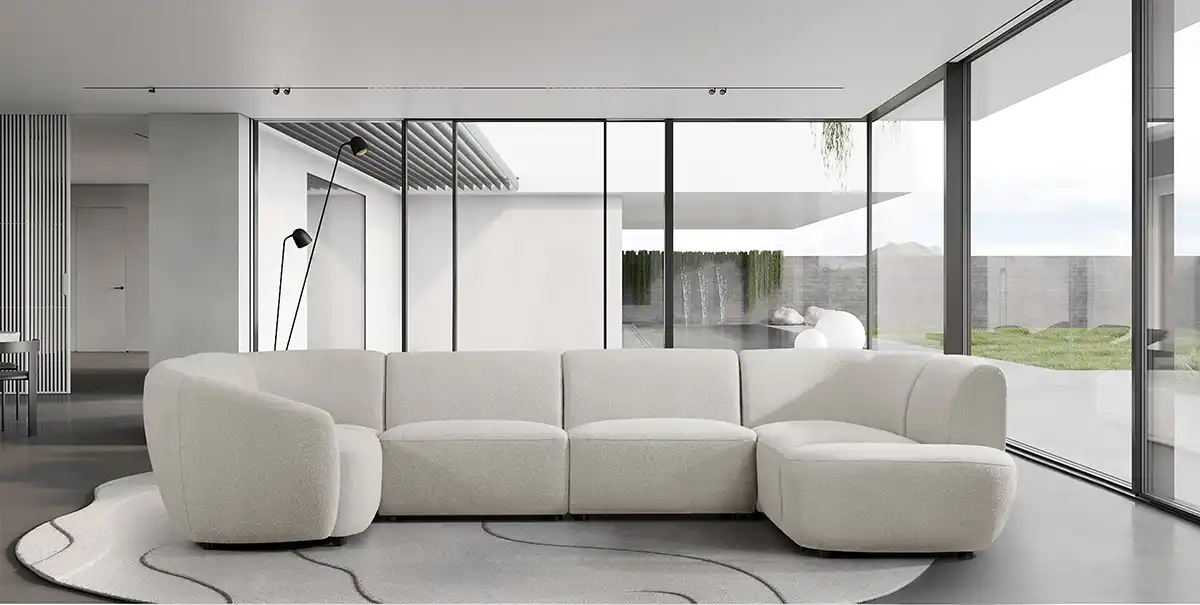
Strategic purchasing decisions require understanding available procurement channels and their respective advantages for different business scenarios. Online and offline purchasing options present distinct benefits that align with various operational priorities, delivery requirements, and service expectations. Evaluating these channels systematically ensures optimal outcomes for specific procurement situations.
Online vs. Offline Purchasing Advantages
Digital procurement platforms offer unprecedented access to global suppliers and competitive pricing structures that benefit budget-conscious buyers. Online marketplaces enable rapid price comparison across multiple vendors while providing detailed specifications and customer reviews that inform decision-making. The convenience factor allows procurement teams to research options thoroughly without geographical limitations or time constraints imposed by traditional showroom visits.
Physical furniture showrooms provide tactile evaluation opportunities that remain essential for comfort assessment and quality verification. Hands-on testing reveals characteristics that product descriptions cannot convey, particularly regarding cushion firmness, fabric texture, and overall construction quality. Showroom visits also facilitate direct communication with sales representatives who can provide customization options and bulk order negotiations.
Logistical considerations often determine the optimal purchasing channel for specific situations. Online orders typically offer transparent tracking and standardized delivery processes but may lack flexibility for rush deliveries or special handling requirements. Traditional retail relationships provide personalized service and accommodation for unique delivery needs but may involve longer lead times and higher costs.
Customization Capabilities and Bulk Order Considerations
Commercial procurement frequently requires modifications to standard product offerings to meet specific operational needs or brand requirements. Fabric selection customization allows alignment with existing décor schemes while maintaining budget parameters. Color matching services ensure consistency across multiple units and integration with established design themes.
Branding integration opportunities range from simple logo embroidery to comprehensive color scheme modifications that reinforce corporate identity. These customizations typically involve minimal cost increases when specified during initial orders but can become expensive when added later. Planning customization requirements early in the procurement process maximizes value while ensuring delivery schedules remain achievable.
Lead time considerations become critical when balancing customization desires with operational deadlines. Standard configurations typically ship within 2-4 weeks, while custom orders may require 6-12 weeks depending on modification complexity. Procurement teams must weigh customization benefits against time constraints to ensure furniture availability aligns with project schedules and business needs.
Timing Strategies and Negotiation Optimization
Seasonal purchasing patterns create opportunities for significant cost savings through strategic timing decisions. Furniture manufacturers often offer substantial discounts during slower sales periods, particularly late fall and early spring when commercial renovation projects are less common. Planning procurement schedules around these cycles can reduce costs by 15-25% while maintaining quality standards.
Bulk order negotiations provide leverage for additional cost reductions and service enhancements beyond standard pricing structures. For a high-volume item like a 5 seater fabric sofa, volume commitments often unlock graduated discount tiers that compound savings across large purchases. Additional benefits may include expedited shipping, extended warranties, or complimentary customization services that enhance overall value propositions.
The cultivation of relationships with suppliers results in the creation of long-term benefits that go beyond the scope of individual transactions. It is common for established vendor agreements to provide a variety of benefits, including priority service, extended terms for paying, and advance information of impending discounts or new product releases. These agreements tend to be especially beneficial for companies that have continuing furniture requirements or operations that span many locations and need regular product availability and availability.
Partner with Kanas for Your Commercial Furniture Needs
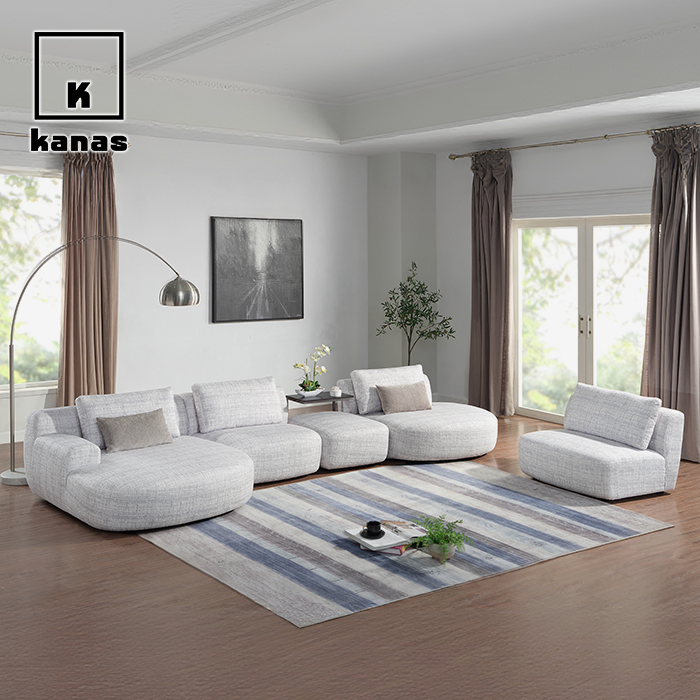
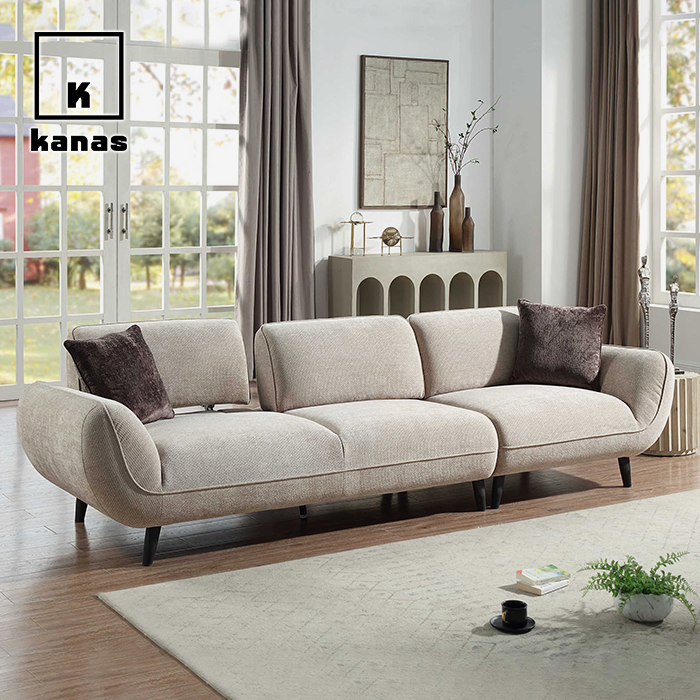
Kanas Furniture stands at the forefront of commercial furniture manufacturing, delivering exceptional value through our comprehensive range of fabric seating solutions designed specifically for business environments. Our state-of-the-art 40,000㎡ production facility in Foshan combines advanced manufacturing technology with skilled craftsmanship to produce 5 seater fabric sofas that exceed international quality standards while maintaining competitive pricing structures.
Our Commitment to Quality and Service Excellence
The first step in our collaboration strategy is to get a knowledge of the specific procurement difficulties and operational needs that you face. In order to build individualized solutions that are in accordance with the parameters of the budget and the expectations of performance, the seasoned design team as Kanas Design collaborates closely with the procurement managers. This collaborative method guarantees that each component satisfies particular business requirements while also providing great value for the whole of its service life.
At our factory, quality control processes adhere to standards established by ISO 9001 and comply with severe safety rules imposed by the United States and the European Union. This ensures that choices on foreign procurement are made with confidence. Every single fabric couch with five seats is put through extensive testing methods before it is sent out. These tests evaluate the sofa's structural integrity, comfort requirements, and durability measures. The implementation of these quality assurance procedures safeguards your investment while also assuring the happiness of end-users across a wide range of commercial applications.
Our ability to fulfill high-volume orders while retaining regular quality and delivery effectiveness is shown by the relationships that we have developed with large retailers such as Walmart and Costco. The track record that this company has established offers confidence to procurement teams who are handling large-scale projects or furniture needs for many locations. It is possible to meet orders ranging from a single item to several thousand pieces thanks to the scalable manufacturing capacity, which does not compromise either the quality or the delivery deadlines.
Comprehensive Support Throughout Your Procurement Process
The customer support staff at Kanas offers individualized consulting services that will assist you in selecting the appropriate fabric, determining the many customization choices available, and determining the logistics of delivery. This assistance is provided from the very first inquiry all the way through installation as well as afterwards, ensuring that the procurement process goes smoothly and that there are as little interruptions to operations as possible. Throughout the whole of the purchasing process, direct contact methods, such as sc@kanasfurniture.com, provide a prompt response to inquiries and issues that may arise.
OEM plus ODM capabilities make it possible to provide a wide range of customisation choices that are in line with the branding of the company and the particular requirements of the operation. No matter whether you need particular match of colors, fabric performance qualities, or structural alterations, our technical team is able to produce solutions that are tailored to suit your stringent requirements. In settings such as hospitality, healthcare, and business contexts, where ordinary solutions may not be able to meet specific needs, these features show to be very noteworthy and beneficial.
Post-delivery support includes maintenance guidance, warranty service, and replacement part availability that protects your furniture investment over time. This comprehensive approach to customer service reflects our commitment to long-term partnerships rather than one-time transactions. The goal is ensuring your fabric sofa selection continues delivering value throughout its operational lifecycle while supporting your business objectives.
Conclusion
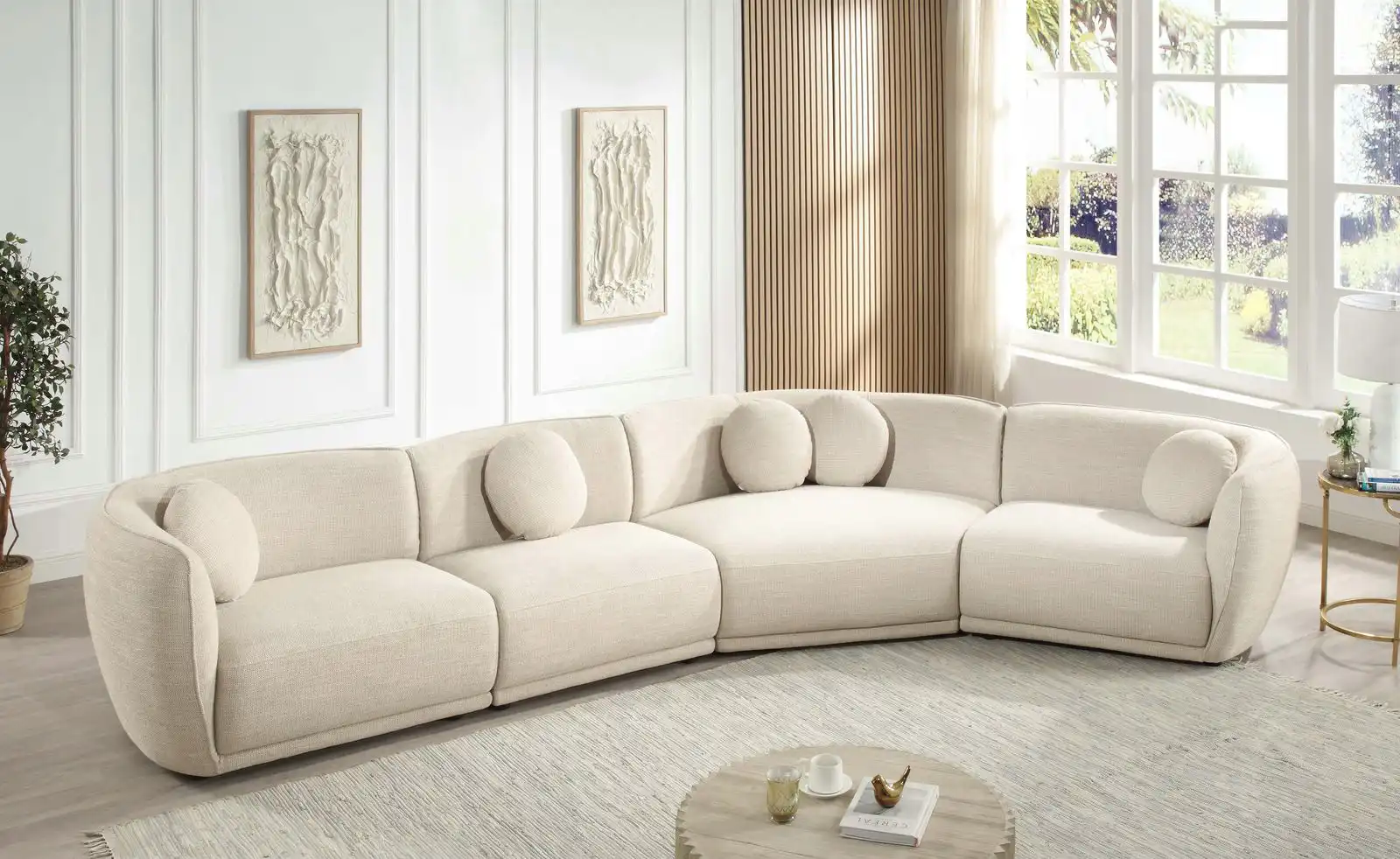
Successful budget sofa procurement balances cost considerations with quality requirements and operational needs. Understanding fabric options, evaluating suppliers carefully, and developing comprehensive maintenance protocols ensures optimal value from your investment. For example, a 5 seater fabric sofa can serve as a cost-effective centerpiece that meets both durability standards and seating capacity demands within a constrained budget. The commercial furniture market offers numerous opportunities for such cost-effective solutions that meet professional standards while staying within budget parameters.
Strategic purchasing decisions consider not only initial costs but also lifecycle expenses, user satisfaction, and alignment with business objectives. Fabric sofas provide compelling advantages for most commercial applications through their combination of affordability, comfort, and design flexibility. Working with experienced manufacturers who understand commercial requirements can significantly enhance procurement outcomes while simplifying the selection and purchasing process.
FAQ
Why should I choose fabric sofas over leather for commercial spaces?
Fabric sofas offer several advantages for commercial environments, including lower initial costs, easier maintenance, and superior comfort for extended use. They typically cost 30-50% less than comparable leather options while providing better temperature regulation and user comfort. Fabric materials also offer broader customization options for color and pattern matching with existing décor.
How can I extend the lifespan of commercial fabric sofas?
Regular maintenance significantly extends fabric sofa longevity. Implement weekly vacuuming schedules, address spills immediately, and arrange professional cleaning every 6-12 months. Rotating cushions distributes wear evenly, while protecting furniture from direct sunlight prevents color fading. Choosing performance fabrics with stain resistance provides additional durability for high-traffic areas.
What fabric materials work best for budget-conscious commercial purchases?
Polyester blends offer excellent durability and stain resistance at competitive prices, making them ideal for most commercial applications. Cotton blends provide enhanced comfort with slightly higher costs but improved user satisfaction. Performance fabrics with antimicrobial properties cost more initially but reduce maintenance expenses and extend replacement cycles in demanding environments.
How do I determine the right size 5 seater fabric sofa for my space?
Measure available space carefully, allowing adequate clearance for traffic flow and door access. Consider the sofa's intended use—collaborative work areas need different configurations than formal waiting spaces. Account for other furniture pieces and ensure the scale complements rather than overwhelms the room. Professional space planning services can optimize layouts for maximum functionality.
What should I look for when evaluating fabric sofa suppliers?
Verify manufacturing capabilities, quality certifications, and customer references from similar commercial projects. Assess customization options, delivery reliability, and post-sale support services. Request samples to evaluate fabric quality and construction standards. Consider supplier financial stability and production capacity to ensure they can meet your volume and timeline requirements.
Contact Kanas for Your 5 Seater Fabric Sofa Supplier Needs
Ready to explore premium fabric sofa solutions that balance quality with budget considerations? Kanas Furniture's expert team stands ready to discuss your specific procurement requirements and develop customized solutions that exceed expectations. Our comprehensive product portfolio includes versatile 5 seater fabric sofa configurations designed specifically for commercial environments. Contact our specialists at sc@kanasfurniture.com to receive detailed product catalogs and personalized recommendations tailored to your project needs. Experience the difference that professional-grade manufacturing and dedicated customer service can make for your furniture procurement success.
References
1. Smith, J. "Commercial Furniture Procurement Strategies for Modern Workplaces." Business Facilities Management Quarterly, vol. 45, no. 3, 2023, pp. 23-31.
2. Johnson, M. and Davis, L. "Cost-Benefit Analysis of Fabric vs. Leather Seating in Commercial Environments." Facility Management Today, vol. 18, no. 7, 2023, pp. 112-125.
3. Brown, R. "Maintenance Protocols for Commercial Upholstered Furniture." Professional Cleaning Standards Journal, vol. 29, no. 4, 2023, pp. 67-78.
4. Williams, K. "Sustainable Fabric Options in Commercial Furniture Manufacturing." Green Building Materials Review, vol. 12, no. 2, 2023, pp. 45-52.
5. Thompson, A. "Budget Optimization Strategies for Large-Scale Furniture Procurement." Corporate Purchasing Management, vol. 33, no. 6, 2023, pp. 89-97.
6. Lee, S. "Quality Standards and Certification Requirements for International Furniture Trade." Global Manufacturing Standards Quarterly, vol. 21, no. 1, 2023, pp. 134-142.
Learn about our latest products and discounts through SMS or email