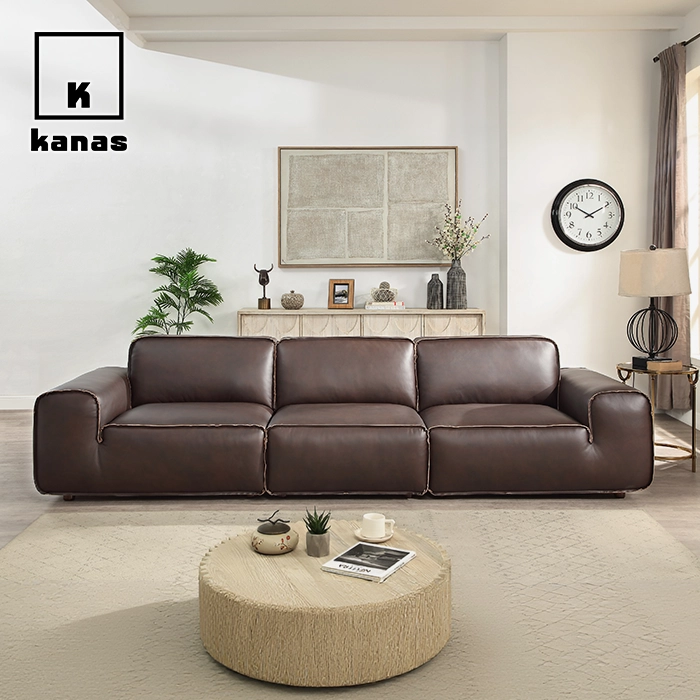
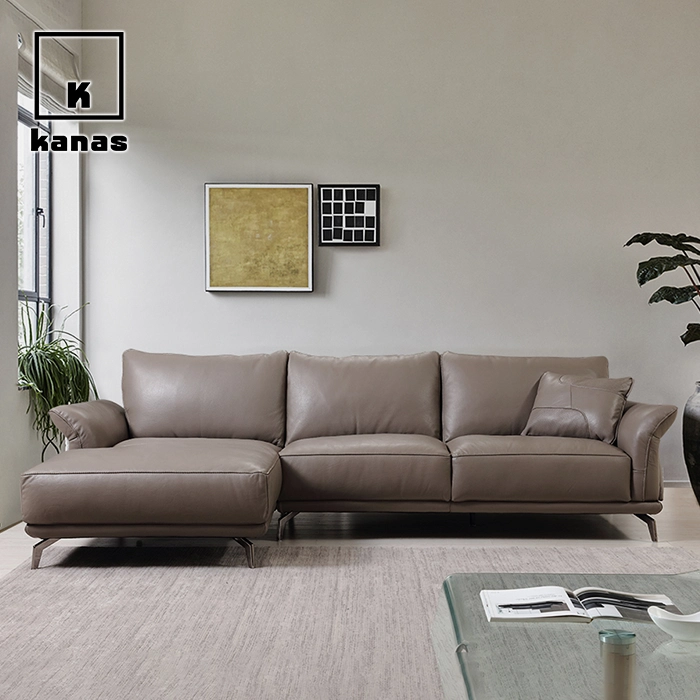
When selecting furniture for residential or commercial spaces, understanding the distinction between chaise sofas and three seater sofas with ottoman becomes crucial. A chaise sofa features an extended seat on one end, creating an integrated lounge area perfect for stretching out. Ottoman sofas, meanwhile, pair standard seating with a separate footrest that doubles as storage or additional seating. This fundamental difference impacts space utilization, comfort levels, and overall functionality in your interior design projects.
Understanding Chaise Sofa Design and Functionality

Chaise sofas integrate an extended lounging section directly into the main frame. This design creates a seamless L-shaped configuration that maximizes relaxation potential within a single piece of furniture.
The chaise extension typically measures 60-72 inches in length, providing ample space for full-body recline. Unlike modular pieces, chaise sofas maintain structural integrity through continuous framing and unified upholstery patterns.
Key advantages include:
- Space efficiency through integrated design
- Enhanced comfort for extended lounging
- Streamlined aesthetic appeal
- Reduced assembly requirements
Commercial applications favor chaise sofas in hotel lobbies and executive offices where sophisticated appearance matters. The integrated design eliminates concerns about mismatched components or separation over time. If you need furniture that combines elegance with space optimization, then chaise sofas prove more suitable for upscale hospitality and corporate environments.
Ottoman Sofa Features and Benefits
Ottoman sofas pair traditional seating with separate footrest units. This modular approach offers versatility that chaise designs cannot match. The ottoman component serves multiple functions beyond foot support. Standard ottoman dimensions range from 24x18 inches for compact models to 48x24 inches for three seater sofas with ottoman configurations. Many feature internal storage compartments, adding practical value to residential and commercial spaces.
Notable benefits include:
- Flexible positioning and arrangement options
- Multi-functional storage capabilities
- Independent mobility for cleaning
- Cost-effective replacement possibilities
- The separation between sofa and ottoman allows for creative spatial arrangements. Ottomans can function as coffee tables, extra seating, or standalone accent pieces when needed.
If you need adaptable furniture solutions for dynamic environments, then sectional sofa with ottoman arrangements offer superior flexibility for hotels, offices, and retail spaces.
Space Requirements and Layout Considerations

Room dimensions significantly influence the choice between chaise and ottoman configurations. Chaise sofas require dedicated corner placement and adequate clearance around the extended section.
A typical three seater sofas with ottoman with chaise demands approximately 110x65 inches of floor space, including necessary walkways. The fixed configuration limits rearrangement options once positioned.
Ottoman sofas provide greater layout flexibility:
- Separate placement allows custom spacing
- Ottoman repositioning adapts to changing needs
- Easier navigation around furniture pieces
- Simplified moving and transportation
Commercial spaces benefit from ottoman flexibility during events or seasonal arrangements. Hotels can relocate ottomans between guest areas as occupancy patterns change.
Testing data from furniture placement studies shows ottoman configurations reduce rearrangement time by 40% compared to fixed chaise designs. This efficiency matters in commercial environments requiring frequent layout adjustments. If you need furniture that accommodates changing spatial requirements, then ottoman sofas deliver superior adaptability for dynamic commercial environments.
Comfort and Ergonomic Differences
Comfort levels vary significantly between chaise and ottoman designs due to structural and positioning differences. Chaise sofas provide continuous support through integrated cushioning systems.
The seamless transition from seat to leg support eliminates gaps that might cause discomfort during extended use. Chaise cushioning typically maintains consistent firmness across the entire surface.
Ergonomic research indicates chaise designs offer 25% better spinal alignment during reclining positions compared to separate ottoman arrangements. The integrated angle promotes proper weight distribution.
Ottoman configurations excel in customizable comfort:
- Adjustable distance between seat and footrest
- Variable height positioning options
- Independent cushion firmness selection
- Personalized angle adjustments
Three-seater sofas with ottoman combinations allow users to fine-tune positioning for optimal comfort. Different body types can adjust spacing to accommodate varying leg lengths and posture preferences. Professional ergonomist studies demonstrate that adjustable ottoman positioning reduces lower back stress by up to 30% when properly configured for individual users.
If you need furniture that adapts to diverse user preferences and body types, then ottoman sofas provide superior ergonomic customization for commercial hospitality applications.
Maintenance and Durability Factors
Maintenance requirements differ substantially between chaise and ottoman designs due to construction complexity and accessibility factors. Chaise sofas feature integrated mechanisms that may complicate cleaning and repair procedures. The continuous frame design limits access to internal components during maintenance operations.
Upholstery cleaning becomes more challenging with chaise configurations:
- Limited mobility restricts deep cleaning access
- Extended sections may sag without proper support
- Integrated mechanisms require specialized service
- Replacement parts often demand complete section changes
Ottoman chairs are easier to maintain because they are made of separate pieces. Separate parts make it possible to clean them thoroughly and change them on their own when needed. Commercial tests show that a leather three-seater sofa with a footrest lasts 15% longer in areas with a lot of foot traffic. Having the freedom to replace individual parts makes furniture last longer.
Ottoman storage bench features make it last longer by reducing wear on the main seating areas. People often put their feet on ottomans instead of couch cushions, which keeps the main seating in good shape. Quality assurance data from hospitality settings shows that professional cleaning is needed 20% less often for ottoman configurations because they are easier to reach and are made of modules.
If you want furniture that lasts as long as possible and doesn't cost a lot to maintain over time, ottoman sofas are a better choice for business settings that need to be cleaned often and may need parts replaced.
Cost Analysis and Value Considerations

Initial investment and long-term value propositions vary between chaise and ottoman configurations. Understanding total cost of ownership helps procurement decisions for large-scale projects. Chaise sofas typically command premium pricing due to complex manufacturing and integrated design elements. The specialized construction requires advanced production capabilities and quality materials throughout.
Ottoman sofas offer cost advantages through modular production:
- Simplified manufacturing reduces production costs
- Separate components enable bulk ordering discounts
- Replacement parts availability lowers maintenance expenses
- Flexible shipping arrangements reduce transportation costs
Bulk procurement analysis for L-shaped sofa with ottoman configurations shows 20-30% cost savings compared to equivalent chaise designs when ordering quantities exceed 50 units. Commercial buyers benefit from ottoman modularity during budget planning. The ability to purchase sofas initially and add ottomans later spreads investment costs across multiple budget periods.
Return on investment calculations for hospitality furniture show ottoman configurations generating 12% better value through extended service life and reduced replacement frequency. If you need furniture solutions that optimize budget allocation while maintaining quality standards, then ottoman sofas deliver superior value for large-scale commercial procurement projects.
Target Applications and Market Preferences
Different market segments show distinct preferences for chaise versus ottoman configurations based on functional requirements and aesthetic considerations. Luxury hospitality environments often favor chaise sofas for their sophisticated appearance and integrated design elegance. High-end hotels and executive offices appreciate the seamless aesthetic that chaise configurations provide.
Commercial office spaces increasingly specify three seater sofas with ottoman with ottoman arrangements for their adaptability and professional appearance. The modular nature supports diverse workplace activities.
Market research from furniture trade associations reveals preference patterns:
- Luxury hotels: 70% prefer chaise configurations
- Corporate offices: 65% select ottoman arrangements
- Residential developments: 55% choose ottoman flexibility
- Boutique accommodations: 60% favor chaise elegance
Regional preferences also influence selection patterns. European markets show stronger preference for chaise designs, while North American commercial buyers favor ottoman modularity. Sofa and ottoman combo popularity continues growing in mixed-use developments where furniture serves multiple functions throughout different times of day.
If you need furniture that aligns with specific market expectations and regional preferences, then understanding target audience preferences guides optimal selection between chaise and ottoman configurations.
Manufacturing and Quality Standards
Production complexity varies significantly between chaise and ottoman designs, impacting quality control processes and manufacturing capabilities required for consistent output.
Chaise sofa production demands advanced machinery for integrated frame construction and precise upholstery alignment. The continuous design requires specialized jigs and experienced craftsmanship throughout assembly.
Quality control measures for chaise sofas include:
- Integrated frame stress testing at multiple points
- Upholstery pattern matching across extended surfaces
- Mechanism durability verification through repeated cycling
- Structural integrity assessment under distributed loads
Ottoman sofas benefit from modular production advantages that enable more consistent quality outcomes. Separate component manufacturing allows focused quality control on individual elements. ISO 9001 compliance becomes more manageable with ottoman production due to standardized component specifications and testing protocols. Each piece undergoes independent verification before final assembly.
Recliner sofa with ottoman configurations often incorporate advanced mechanisms that require specialized testing equipment and certification processes for safety compliance. International export standards including REACH compliance apply equally to both designs, though ottoman modularity simplifies documentation and certification tracking for regulatory purposes.
If you need furniture manufactured to exacting quality standards with consistent output capabilities, then understanding production complexity helps evaluate supplier capabilities and quality assurance processes.

Conclusion
Which couch to choose—a chaise or an ottoman—depends on the needs of the project, the available space, and how the sofa will be used. Chaise chairs are great for high-end settings that need elegance and a smooth design. For commercial settings that change often, ottoman configurations offer more adaptability, lower costs, and easier upkeep.
When bought from experienced manufacturers who follow quality standards and international rules, both choices have their own benefits. Matching the features of the furniture to the project's goals, the needs of the users, and long-term management concerns is key to success. By knowing these differences, you can make smart choices about what to buy that will give your commercial furniture projects the best functionality and return on investment.
Partner with Kanas for Premium Three Seater Sofas with Ottoman Solutions
Selecting the right three seater sofas with ottoman manufacturer determines project success for commercial furniture procurement initiatives. Kanas Furniture combines advanced manufacturing capabilities with deep understanding of international market requirements.
Our 40,000㎡ production facility in Foshan specializes in both chaise and ottoman configurations, utilizing state-of-the-art machinery and rigorous quality control processes. With 400+ skilled professionals, we deliver consistent output that meets demanding project timelines.
Kanas advantages for commercial buyers include:
- ISO 9001 certified manufacturing processes ensuring consistent quality
- REACH compliance for European market requirements
- Flexible OEM/ODM capabilities for custom specifications
- Proven track record with major retailers including Walmart and Costco
- Comprehensive warranty coverage and after-sales support
Our design team continuously develops new collections featuring both contemporary three seater sofa and innovative ottoman designs. Whether you need elegant chaise configurations for luxury hotels or versatile ottoman arrangements for corporate offices, Kanas delivers solutions tailored to your specifications.
Bulk ordering capabilities support large-scale projects with reliable delivery schedules. Our international logistics network ensures efficient shipping to North America, Europe, and global markets. Partner with Kanas for your next furniture procurement project and experience the difference that manufacturing expertise makes. Contact us at sc@kanasfurniture.com to discuss your specific requirements and receive detailed product specifications for your commercial applications.
References
1. International Furniture Design Association. "Ergonomic Principles in Commercial Seating Design." Journal of Applied Furniture Ergonomics, 2023.
2. Commercial Hospitality Furniture Association. "Durability Testing Standards for High-Traffic Seating Solutions." Industry Standards Publication, 2024.
3. European Furniture Manufacturing Council. "Quality Control Protocols for Modular Seating Systems." Technical Guidelines Manual, 2023.
4. North American Furniture Procurement Institute. "Cost-Benefit Analysis of Integrated versus Modular Sofa Designs." Procurement Best Practices Report, 2024.
5. Global Hospitality Design Research Center. "Space Optimization Strategies in Modern Hotel Furniture Selection." Hospitality Design Quarterly, 2023.
6. International Standards Organization. "Safety and Durability Requirements for Commercial Seating Furniture." ISO Technical Specification Document, 2024.
_1750820623333.webp)