- English
- French
- German
- Portuguese
- Spanish
- Russian
- Japanese
- Korean
- Arabic
- Greek
- German
- Turkish
- Italian
- Danish
- Romanian
- Indonesian
- Czech
- Afrikaans
- Swedish
- Polish
- Basque
- Catalan
- Esperanto
- Hindi
- Lao
- Albanian
- Amharic
- Armenian
- Azerbaijani
- Belarusian
- Bengali
- Bosnian
- Bulgarian
- Cebuano
- Chichewa
- Corsican
- Croatian
- Dutch
- Estonian
- Filipino
- Finnish
- Frisian
- Galician
- Georgian
- Gujarati
- Haitian
- Hausa
- Hawaiian
- Hebrew
- Hmong
- Hungarian
- Icelandic
- Igbo
- Javanese
- Kannada
- Kazakh
- Khmer
- Kurdish
- Kyrgyz
- Latin
- Latvian
- Lithuanian
- Luxembou..
- Macedonian
- Malagasy
- Malay
- Malayalam
- Maltese
- Maori
- Marathi
- Mongolian
- Burmese
- Nepali
- Norwegian
- Pashto
- Persian
- Punjabi
- Serbian
- Sesotho
- Sinhala
- Slovak
- Slovenian
- Somali
- Samoan
- Scots Gaelic
- Shona
- Sindhi
- Sundanese
- Swahili
- Tajik
- Tamil
- Telugu
- Thai
- Ukrainian
- Urdu
- Uzbek
- Vietnamese
- Welsh
- Xhosa
- Yiddish
- Yoruba
- Zulu
How to Import Sofa Sets from China to South Africa
Importing sofa sets from China to South Africa presents an exceptional opportunity for businesses seeking premium furniture solutions at competitive prices. The process involves understanding product specifications, selecting reliable suppliers, and navigating customs procedures effectively. Both 3 and 4 seater sofa sets offer versatile seating options perfect for hotels, offices, and retail environments. Chinese manufacturers provide extensive customization capabilities for popular configurations, ensuring furniture like a 4 and 3 seater sofa set meets specific business requirements while maintaining international quality standards. This comprehensive guide walks you through each step of the import process, from initial supplier research to final delivery in South Africa.
Introduction
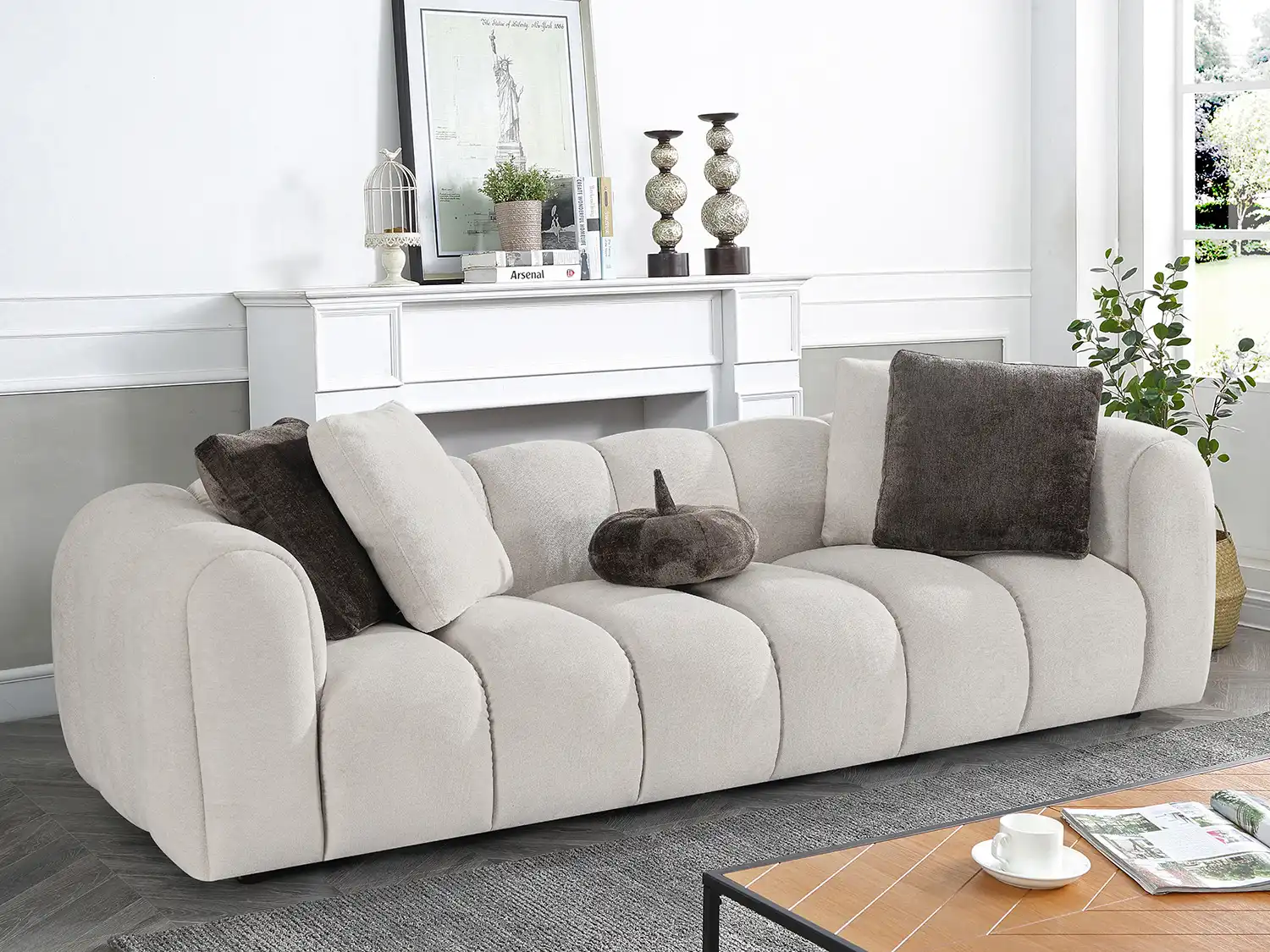
The growing need for comfortable seating arrangements in South Africa is a reflection of the expansion of several industries, including retail showrooms, corporate offices, and tourism and hospitality environments. A growing number of companies throughout the nation are beginning to acknowledge the significance of high-quality furniture in the process of establishing inviting workplaces for both their staff and their consumers. Procurement directors, distributors, and original equipment manufacturer customers may gain a strategic edge by importing furnishings from China since it provides them with access to a wide variety of designs, reasonable prices, and scalable production capabilities.
In the realm of manufacturing high-quality sitting solutions that are in accordance with international standards, Chinese furniture makers have distinguished themselves as worldwide leaders. The furniture business in China mixes traditional craftsmanship with contemporary production processes, which results in items that strike a balance between aesthetic appeal and practical endurance. Businesses who need the acquisition of large quantities of furniture for commercial areas might profit tremendously from this technique.
This thorough guide goes into essential aspects, such as comprehending the product and evaluating the supplier, as well as streamlining logistics and complying with regulatory requirements. It gives B2B buyers the ability to make choices based on accurate information. Controlling quality, making shipping arrangements, and complying with customs clearance processes that are particular to South African rules are all aspects of the import process that demand careful attention. This book intends to assist confident procurement and successful importation operations for organizations that are looking for reputable furniture solutions. It does this by combining market insights and practical procurement tactics.
Comprehending 3 and 4 Seater Sofa Sets for B2B Procurement
Dimensions and Functional Attributes
Proper understanding of sofa specifications forms the foundation of successful procurement decisions. Standard 3 seater sofas typically measure between 180-200 centimeters in length, providing comfortable seating for three adults while maintaining reasonable space efficiency. These dimensions make them ideal for hotel lobbies, waiting areas, and smaller commercial spaces where space optimization remains crucial.
The 4 seater sofa configuration usually extends to 220-250 centimeters in length, accommodating larger groups while still fitting within standard commercial layouts. Both configurations offer varying depth measurements, typically ranging from 85-100 centimeters, which directly impacts user comfort and room layout flexibility. Understanding these spatial requirements helps procurement teams make informed decisions based on their specific venue constraints.
Considerations of ergonomic design are quite important when it comes to the choosing of business furniture. Quality sofas have a seat height that is acceptable (40-45 cm), proper back assistance, and cushion firmness that is ideal for prolonged usage. When compared to domestic settings, the utilization rates of furniture in business contexts are much greater, making these characteristics an especially relevant consideration than in residential settings.
Material Selection for Commercial Use
Commercial furniture procurement requires careful evaluation of material durability and maintenance requirements. Fabric options include performance textiles designed for high-traffic environments, offering stain resistance and easy cleaning properties. These materials typically feature tighter weaves and synthetic fiber blends that maintain appearance despite frequent use.
The use of leather upholstery is another popular option for commercial uses, notably in the lobbies of high-end hotels and executive office spaces. While retaining its structural integrity, high-quality leather will eventually acquire a patina that is both appealing and durable. The most recent treatments for leather include safeguards that are resistant to stains and simplify the methods for maintaining the leather.
Frame construction materials significantly impact both durability and cost considerations, which is a crucial factor for furniture combinations like a 4 and 3 seater sofa set. Hardwood frames provide superior longevity but increase overall product weight and shipping costs. Engineered wood alternatives offer excellent strength-to-weight ratios while maintaining competitive pricing structures that benefit bulk procurement budgets.
Space Optimization and Style Considerations
In order to effectively design space, it is necessary to have an awareness of how the various seating layouts affect the operation of the area and the flow of traffic. Businesses have the ability to modify their furniture arrangements in response to shifting operational requirements thanks to modular couch systems. This flexibility proves to be especially beneficial for hotels and shops that organize a variety of events during the course of the year.
The current architecture and interior design developments in South Africa prioritize clean lines and impartial hue palettes that compliment a variety of interior design schemes. Traditional designs are suitable for historical hotels and institutions that are looking for a timeless appeal, while contemporary ones that include minimalist aesthetics perform well in modern office spaces. By gaining an understanding of these preferences, procurement teams are better able to pick items that meet the expectations of their target market niche.
Step-by-Step Process to Import Sofa Sets from China to South Africa
Supplier Research and Verification
Successful furniture importation begins with thorough supplier evaluation and verification processes. Reliable Chinese manufacturers typically hold international quality certifications such as ISO 9001, demonstrating commitment to consistent production standards. These certifications provide assurance that manufacturing processes meet global quality benchmarks essential for commercial furniture applications.
Factory audits, whether conducted virtually or in person, reveal important insights about production capabilities and quality control systems. Established manufacturers maintain organized production facilities with clear workflow processes and adequate quality inspection stations. Modern machinery and skilled workforce indicate the supplier's ability to handle large orders while maintaining consistent product quality.
The ability to communicate effectively is yet another essential assessment element. It is essential for successful suppliers to have sales teams and support technicians workers who are fluent in English and are familiar with the needs of worldwide industries. Beginning with the original product requirements and continuing through the post-delivery support services, this communication foundation shows to be vital throughout the whole procurement process.
Quality Control and Product Specifications
Comprehensive quality control measures protect businesses from receiving substandard products that could damage their reputation or require costly replacements. Pre-production samples allow buyers to evaluate materials, construction methods, and finishing quality before committing to large orders. These samples serve as production standards that suppliers must match throughout the manufacturing process.
Additional quality assurance is provided by third-party inspection services, who carry out independent assessments at different stages of production throughout the manufacturing process. Dimensional correctness, material conformance, finish quality, plus packaging requirements are all aspects that are examined during these investigations. Documentation of any problems that need to be fixed prior to shipping authorization is included in professional inspection reports.
Precise dimensions, material grades, mechanical specifications and packaging requirements should all be included in the detailed product specifications. By providing clear specifications, one may avoid misunderstandings and guarantee that the items produced fulfill the expectations of the customer. Additionally, the documentation need to cover customization requirements, which may include, but are not limited to, fabric selections, frame materials, and other features that are desired by end customers.
Logistics and Shipping Arrangements
For orders of large quantities of furniture, the most inexpensive shipping option is ocean freight, which normally takes between 25 and 35 days to go from Chinese ports and South African locations. The selection of containers is determined by the order volume and the size of the goods. For example, cube containers that are forty feet high may accommodate around fifteen to twenty couch sets, depending on how efficiently they are packaged.
Furniture may be protected from damage during lengthy maritime transport and several handling procedures if it is packaged appropriately. To safeguard their products from harm, makers of high-quality goods use protective covers, corner guards, and water barriers. The effectiveness of packaging has a direct influence on shipping costs since it maximizes the usage of containers while also guaranteeing acceptable levels of protection.
Insurance coverage protects against potential loss or damage during international transit. Comprehensive marine insurance policies should cover the full replacement value of shipped goods, including freight costs and customs duties. Understanding insurance terms and claim procedures helps businesses respond effectively to any shipping incidents.
Customs Clearance and Regulatory Compliance
South African customs regulations require specific documentation for furniture imports, including commercial invoices, packing lists, bills of lading, and certificates of origin. These documents must accurately describe products, such as specifying an order for a 4 and 3 seater sofa set, along with quantities, and values to ensure smooth customs processing. Incomplete or inaccurate documentation can result in delays and additional costs.
Import duties and taxes apply to furniture shipments entering South Africa, with rates varying based on product classification and country of origin. Current furniture import duties typically range from 0-20% depending on specific product categories. Value-added tax (VAT) at 15% applies to the total landed cost including duties and freight charges.
When it comes to complying with laws, one of the most important aspects is making sure that the South African safety and security criteria for office furniture are met. Product compliance with the rules about the South African Service and Standard (SABS) is necessary in situations where they are applicable. This is the case in circumstances where the regulations are relevant. Not only does maintaining documentation that demonstrates compliance assist to expedite the clearing process at customs, but it also demonstrates a commitment to adhering to the standards that are established by the local regulatory authorities.
Comparing 3 Seater vs 4 Seater Sofa Sets: Procurement Decision Factors
Space Requirements and Functionality
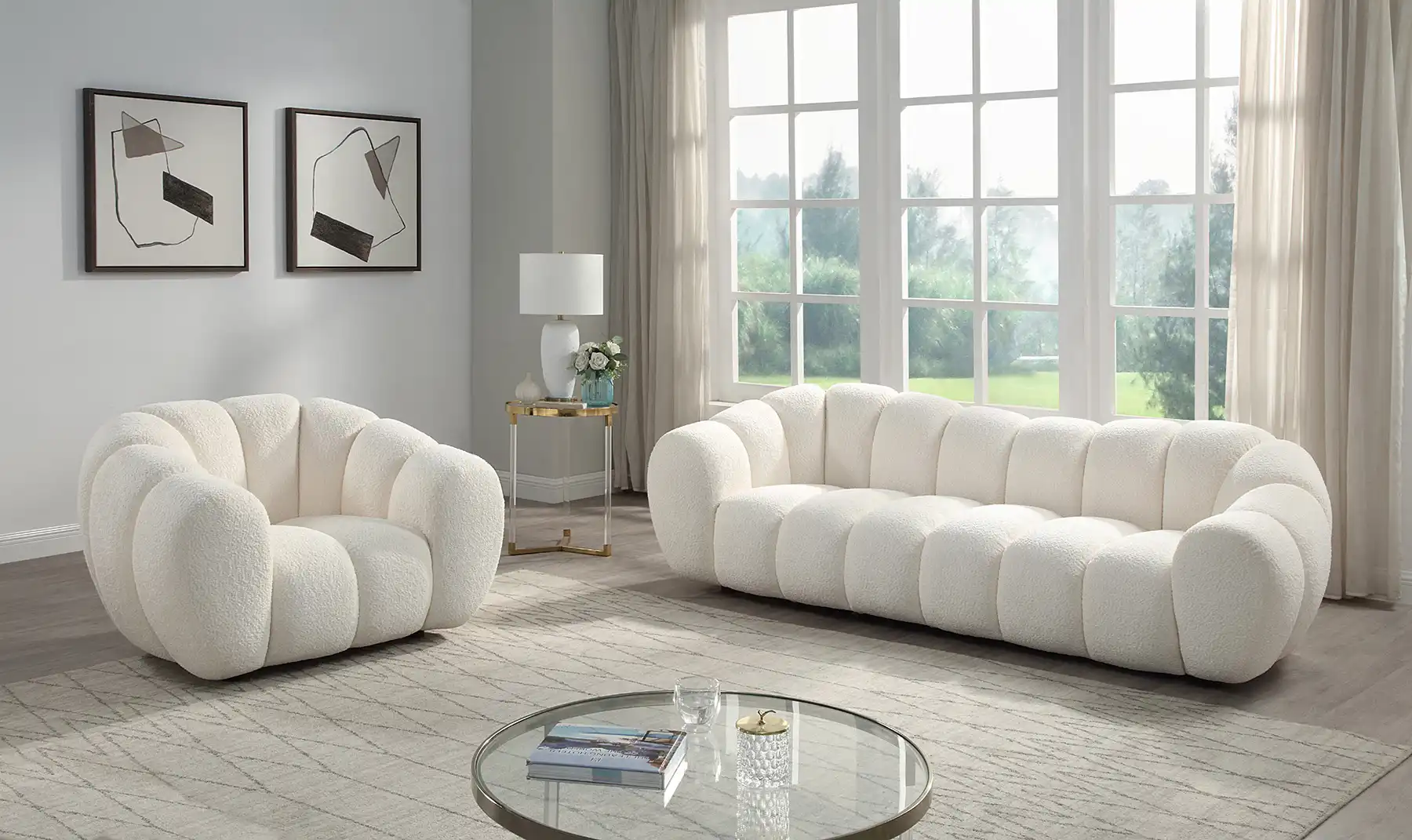
Space planning considerations significantly influence the choice between 3 and 4 seater configurations for commercial applications. Hotel reception areas often benefit from 3 seater sofas that provide adequate guest seating while maintaining open circulation paths. These smaller configurations work well in boutique hotels and establishments where creating intimate conversation areas takes priority over maximum seating capacity.
Corporate office environments frequently favor 4 seater sofas in larger reception areas and conference room waiting spaces. The additional seating capacity accommodates business meetings and client gatherings more effectively. However, the increased footprint requires careful consideration of room dimensions and traffic flow patterns to avoid creating cramped conditions.
For the purpose of choosing demonstration pieces, retail displays and furniture shops need to strike a balance between the efficacy of display and the experience of the consumer. The three-seater couches are designed to appeal to smaller residential areas, while the four-seater choices are aimed at bigger rooms for families and commercial uses. Both configurations serve various market niches.
Cost Analysis for Bulk Procurement
Purchase price differences between 3 and 4 seater sofas typically reflect material quantities and manufacturing complexity rather than proportional scaling. The additional materials required for 4 seater configurations usually increase costs by 25-35% compared to 3 seater models. This cost differential impacts overall procurement budgets and influences order mix decisions for businesses purchasing multiple units.
When it comes to shipping costs, similar scaling tendencies are seen, with four-seater couches needing more container capacity and possibly raising freight rates. On the other hand, when viewed from the point of view of capacity, the cost per sitting position often favors arrangements with four seats. When it comes to organizations that want maximum number of seats given their financial limits, this efficiency becomes especially essential.
Due to the fact that customs charges and taxes are applied to the whole value of the cargo, the cost disparity is an essential factor in determining the overall landing expenses. The procurement teams are able to optimize the combination of their products by doing a thorough study of the overall supplied costs. This allows them to reach the targeted seating capacity while remaining within the limitations of the budget.
Current Market Trends and Design Preferences
The picking of commercial equipment solutions will be characterized by a greater focus on flexibility and adaptability in the year 2024, according to existing design trends. Adaptable structures that permit reconfiguration are likely to be of interest to organizations who are searching for flexibility with regard to the use of their space. Platforms with three or four seats are able to include modular components that may handle changing operational requirements over the course of time. This capability is available for both types of platforms.
The current trend in terms of color or fabric is to accept neutral shades that have characteristics of performance and endurance. This trend is also prevalent in terms of color. It is advantageous to employ sophisticated hues of gray, blues, and earthy shades in business settings because these colors maintain a professional appearance while disguising modest wear and tear when may be created by repeated use. This is because these colors are able to cover the fact that they are used often. Both of these seating arrangements are a good fit for these color choices since they are adaptable enough to accommodate a wide range of interior design ideas.
As a result of the fact that businesses are increasingly putting a focus on the environment, sustainable manufacturing practices are increasingly having an impact on the purchasing decisions that consumers make. It is probable that purchasers who are concerned with the environment will be looking for suppliers that provide goods and production techniques that are beneficial to the environment. A important evaluation element for buying departments that are innovative is reflected by this development, which applies similarly to both seating layouts. This trend is applicable to both seating arrangements.
Company Insight and Our Product and Service Offerings
Kanas Furniture Manufacturing Excellence
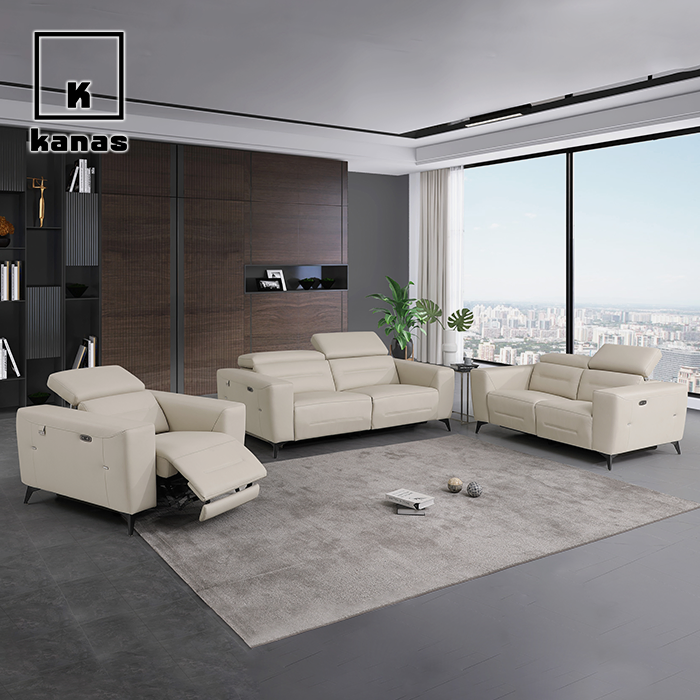
Foshan Kanas Furniture Co., Ltd. brings specialized expertise to the global furniture market through our comprehensive manufacturing and export capabilities, including popular and versatile options like a 4 and 3 seater sofa set. Since our founding in 2020, we have established ourselves as a trusted partner for businesses seeking premium indoor furniture solutions. Our 40,000-square-meter production facility in Foshan, China's furniture manufacturing hub, houses advanced machinery operated by over 400 skilled professionals dedicated to producing exceptional furniture.
Our manufacturing process combines traditional craftsmanship with modern production techniques to create furniture that meets international quality standards. Strict quality control measures at every production stage ensure consistent results across large orders. This attention to detail has enabled us to build successful partnerships with global retail leaders including Walmart and Costco, demonstrating our ability to meet demanding commercial requirements.
In order to comply with international hygiene and safety norms for export markets, the manufacturing plant maintains its ISO 9001 accreditation. Innovative capabilities of equipment allow for the fulfillment of both regular production runs and the needs of customized manufacturing output. The knowledgeable members of our team are aware of the particular requirements that are associated with commercial furniture applications, and they create items appropriately.
Customization and OEM Services
Our OEM and ODM services provide complete flexibility for businesses requiring customized furniture solutions. The design team continuously develops new models and updates existing collections to reflect contemporary trends and market demands. This ongoing innovation ensures our clients access both classic and modern pieces that meet their specific market requirements.
Customization capabilities extend to fabric selection, frame materials, dimensions, and special features requested by clients. Our design team works closely with buyers to develop products that align with their brand identity and target market expectations. This collaborative approach results in furniture that truly serves each client's unique business objectives.
Production capacity supports both small custom orders and large-scale commercial projects. Flexible manufacturing systems accommodate varying order sizes while maintaining consistent quality standards. This scalability proves particularly valuable for businesses planning phased furniture rollouts or seasonal inventory adjustments.
Global Market Focus and Client Support
Our international market experience spans North America, Europe, and emerging markets worldwide. This global perspective helps us understand diverse market requirements and regulatory standards across different regions. Our export team maintains current knowledge of international shipping requirements and customs procedures for major markets including South Africa.
Customer support services that are comprehensive begin with an initial consultation plus continue via delivery and help after the transaction has been completed. In order to assist customers in making well-informed judgments on their purchases, our sales staff offers comprehensive product information, as well as alternatives for customization and price structures. In order to keep customers up to date on the status of their orders, consistent communication is maintained throughout the manufacturing and delivery processes.
In order to fulfill quality assurance promises, pre-production samples, inspections throughout the manufacturing process, and final quality validation before to shipping are all included. These steps defend the interests of our customers and guarantee that the items we supply fit the criteria that were agreed upon. Our reputation is dependent on our ability to offer high-quality goods on a regular basis that contribute to the success of our customers' businesses.
Conclusion
Importing furniture from China presents excellent opportunities for South African businesses seeking quality seating solutions at competitive prices, such as a versatile 4 and 3 seater sofa set. The process requires careful attention to supplier selection, quality control, and logistics management to ensure successful outcomes. Understanding the differences between 3 and 4 seater configurations helps businesses make informed decisions based on their specific space and capacity requirements.
Customs processes, shipping arrangements, and adherence to regulations are all areas that need careful preparation and attention in order to guarantee that import operations go well. It is possible to greatly decrease the risks and hassles that are associated with the procurement process by working with seasoned manufacturers that are familiar with the needs of foreign markets. Improvements in customer satisfaction and decreased expenses associated with replacement over time are two ways in which an investment in high-quality business furniture may provide positive returns.
FAQ
What are the typical lead times for custom sofa orders?
Standard production lead times range from 25-35 days for most sofa configurations, depending on customization complexity and current production schedules. Custom fabric orders may require additional 10-15 days for material procurement. Rush orders can sometimes be accommodated with expedited processing, though this may involve additional costs. Planning procurement schedules around these timelines helps ensure furniture arrives when needed for project completions or seasonal inventory requirements.
How do I ensure compliance with South African quality standards?
The procedures that we use in production already meet the requirements of international quality standards, including the ISO 9001 accreditation. Products are subjected to stringent testing to ensure that they meet the criteria for structural integrity, materials safety, and durability. Documentation is kept for all of the procedures and materials that are used in the manufacturing process. It is possible for us to provide extra certificates or testing reports that are particular to North African regulatory needs if you make a request for them. Additionally, working with competent freight forwarders who are aware with the customs processes in South Africa helps to guarantee that the clearing process goes well.
Can you handle large volume orders for hotel or commercial projects?
Large commercial orders that range from a few hundred to hundreds of thousands of units may be readily accommodated by our manufacturing capability which is very efficient. The facility, which spans 40,000 square meters and employs more than 400 people, has a strong production capacity for more significant projects. Large orders for commercial projects and worldwide retail chains have been successfully executed by our company. The production schedule may be modified to accommodate the timeframes of the project, and we provide alternatives for staged delivery in order to facilitate the completion of the project in stages.
What customization options are available for corporate clients?
Fabric selection from our large library, dimensional alterations, frame material alternatives, and unique features like as integrated USB connections or Bluetooth wireless charging capabilities are all included in the customization services that we provide. Services such as logo embossing and bespoke color matching are available to fulfill the needs of brand identification. In accordance with the criteria that are supplied, our design team is able to create fully bespoke items. Depending on the level of complexity and the needs of the production process, the minimum number of orders required for unique features might vary.
How do shipping costs compare between different seating configurations?
Instead than being determined by the configurations of individual pieces, shipping costs are mostly determined by the use of containers and the entire volume of shipments. When it comes to cost per sitting position, four-seater layouts are often more advantageous than larger couches, which need more room. For the purpose of optimizing container loading and reducing per-unit shipping costs, mixed orders that include multiple sizes may be used. As a means of assisting in the optimization of procurement budgets, our export team offers comprehensive shipping cost estimation for a variety of available order combinations.
Ready to Source Premium Sofa Sets for Your Business?
Kanas Furniture stands ready to support your furniture procurement needs with comprehensive manufacturing capabilities and dedicated customer service. Our expertise in producing high-quality 3 and 4 seater sofa set configurations makes us an ideal supplier for businesses seeking reliable furniture solutions. As an established manufacturer with proven experience serving international clients, we understand the importance of timely delivery and consistent quality standards that commercial projects demand.
Contact our experienced sales team at sc@kanasfurniture.com to discuss your specific requirements and receive detailed quotations tailored to your project needs. We offer comprehensive consultation services that help you select the most appropriate furniture configurations for your space and budget requirements. Our team provides detailed product catalogs, customization options, and shipping arrangements that simplify the procurement process from start to finish.
References
1. South African Bureau of Standards. "Furniture Safety Standards and Import Regulations." SABS Technical Guidelines, 2023.
2. International Trade Centre. "Furniture Import/Export Procedures: A Guide for African Markets." ITC Publications, 2024.
3. China Furniture Association. "Global Furniture Trade Statistics and Market Analysis." CFA Annual Report, 2023.
4. South African Revenue Service. "Customs and Excise Tariff Book: Furniture Classification Guidelines." SARS Official Publications, 2024.
5. Foshan Furniture Industry Association. "Manufacturing Standards and Export Quality Guidelines." FFIA Industry Standards, 2023.
6. African Furniture Importers Association. "Best Practices for Commercial Furniture Procurement." AFIA Professional Guidelines, 2024.
Learn about our latest products and discounts through SMS or email