- English
- French
- German
- Portuguese
- Spanish
- Russian
- Japanese
- Korean
- Arabic
- Greek
- German
- Turkish
- Italian
- Danish
- Romanian
- Indonesian
- Czech
- Afrikaans
- Swedish
- Polish
- Basque
- Catalan
- Esperanto
- Hindi
- Lao
- Albanian
- Amharic
- Armenian
- Azerbaijani
- Belarusian
- Bengali
- Bosnian
- Bulgarian
- Cebuano
- Chichewa
- Corsican
- Croatian
- Dutch
- Estonian
- Filipino
- Finnish
- Frisian
- Galician
- Georgian
- Gujarati
- Haitian
- Hausa
- Hawaiian
- Hebrew
- Hmong
- Hungarian
- Icelandic
- Igbo
- Javanese
- Kannada
- Kazakh
- Khmer
- Kurdish
- Kyrgyz
- Latin
- Latvian
- Lithuanian
- Luxembou..
- Macedonian
- Malagasy
- Malay
- Malayalam
- Maltese
- Maori
- Marathi
- Mongolian
- Burmese
- Nepali
- Norwegian
- Pashto
- Persian
- Punjabi
- Serbian
- Sesotho
- Sinhala
- Slovak
- Slovenian
- Somali
- Samoan
- Scots Gaelic
- Shona
- Sindhi
- Sundanese
- Swahili
- Tajik
- Tamil
- Telugu
- Thai
- Ukrainian
- Urdu
- Uzbek
- Vietnamese
- Welsh
- Xhosa
- Yiddish
- Yoruba
- Zulu
How to Position a Chaise Sofa in a Small Living Room
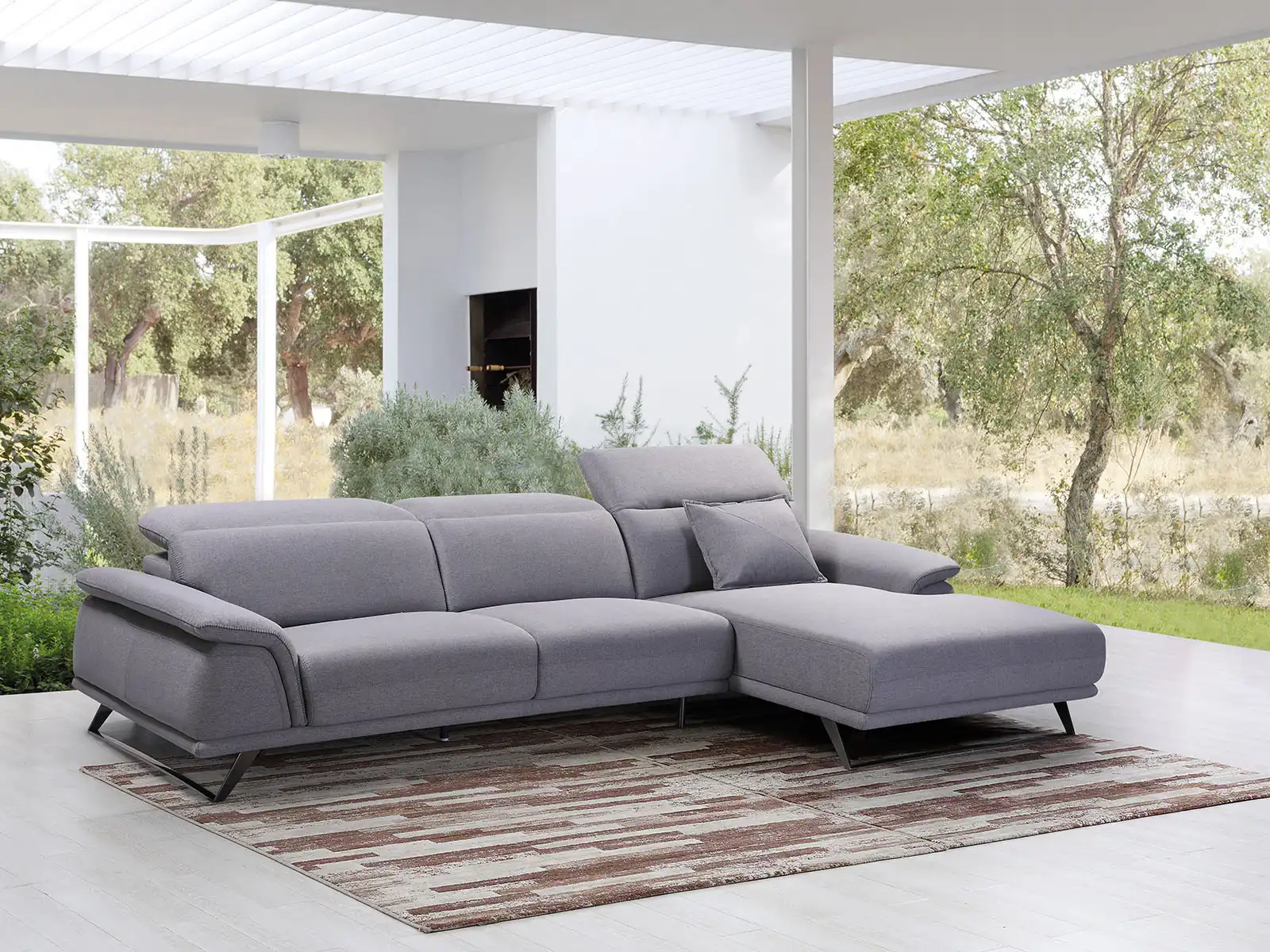
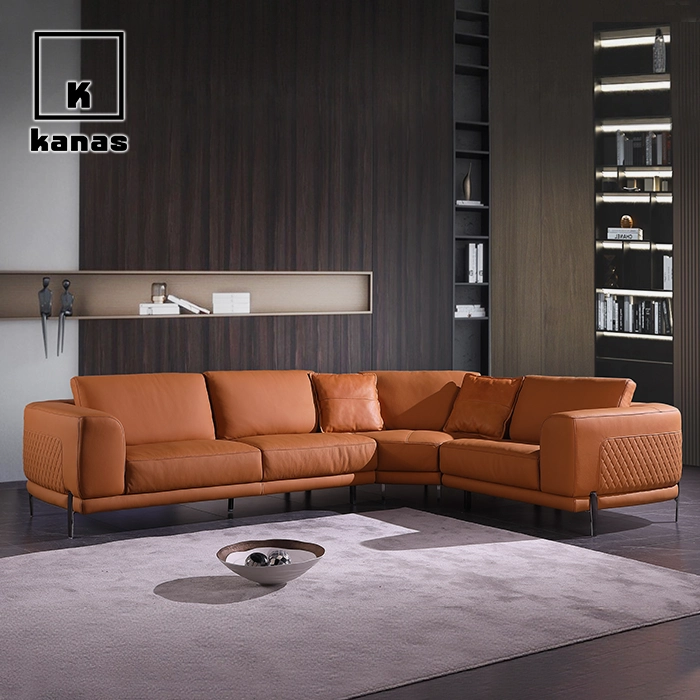
Positioning the large 3 seater sofas with chaise in a small living room requires strategic planning and careful consideration of space dynamics. The key lies in understanding your room's dimensions, traffic patterns, and functional zones while maintaining comfortable seating arrangements. When properly placed, a chaise sofa can transform a compact space into a luxurious retreat that maximizes both comfort and style without overwhelming the area.
Understanding the Challenges of Placing a Chaise Sofa in Small Living Rooms

Spatial Limitations and Traffic Flow Constraints
Small living rooms present unique obstacles when accommodating oversized furniture pieces. Limited floor space creates challenges in maintaining adequate walkways, while narrow doorways may complicate furniture delivery and positioning. These constraints often force homeowners and designers to compromise on either functionality or aesthetics.
When chaise loungers are positioned, traffic flow becomes more challenging since the long footrests of these loungers demand greater clearing space. According to studies, in order to maintain pleasant mobility patterns in residential areas, there must be no less than of thirty-six inches of space to walk around significant furniture items.
Impact on Room Usability and Functionality
Even though they provide an outstanding level of relaxation, chaise couches may have a significant impact on the functionality of a space if they are not positioned correctly. The expansion of the lounge portion results in the creation of dead spaces, which restrict the alternatives available for the placement of furniture and may obstruct access to windows, power sources, or storage places. These objects, if not placed with careful consideration, have the potential to make rooms that are already small seem claustrophobic and dysfunctional.
Space Optimization Principles
Effective space optimization relies on proportional furniture scaling and strategic zone creation. Maintaining clear circulation paths ensures the room remains functional while leveraging vertical space through appropriate furniture height selection can create the illusion of larger dimensions. These principles guide B2B procurement professionals in selecting pieces that enhance rather than hinder small-space environments.
Key Steps to Position a Large 3 Seater Sofa with Chaise Effectively
Precise Measurement and Spatial Assessment
When it comes to successfully placing furniture in a space, accurate room measurements are the basis. Create a record of the room's measurements, including the height of the ceiling, the width of the entryway, and the positions of the windows. In order to picture various couch locations before making any choices about purchases, you should first create a sized floor layout that incorporates furniture that is already in place as well as architectural aspects.
For the purpose of preventing the area from feeling claustrophobic, it is recommended by professional interior designers that there be a distance of at least 14-16 inches between the chaise and the walls. When taking this dimension, both the visible breathing space and the practical cleaning access are taken into consideration.
Optimal Orientation Strategies
Both the flow of the space and its utility are substantially impacted by the position of the chaise portion. In rectangular spaces, corner placement is often most effective. In these settings, the chaise should be positioned against the extra long wall in order to preserve central flow patterns. Through this layout, a natural discussion place is created, but at the same time, access to other parts of the room is maintained.
Consider natural light sources when determining the orientation of your large 3 seater sofas with chaise. Positioning the chaise to face windows maximizes daylight exposure for reading or relaxation, while avoiding direct sunlight prevents fabric fading and maintains comfortable seating temperatures.
Ergonomic and Space-Saving Considerations
The addition of chaise extensions to contemporary sectional couches provides a number of space-saving benefits that make them more suitable for use in smaller rooms. The positioning flexibility offered by reversible chaise parts enables alterations to be made in accordance with changes in the room layout or preferences that vary with the seasons. It is possible to further improve utility within tiny footprints by using storage seats and modular components.
The relationship between seat depth and room scale affects perceived spaciousness. Sofas with standard 36-38 inch depths typically work better in small spaces than oversized models exceeding 42 inches, as they maintain proportional balance without overwhelming the environment.
Design Considerations for Selecting and Positioning Large 3 Seater Sofas with Chaise

Understanding Chaise Lounge Variants
Different chaise configurations offer varying spatial advantages in compact environments. Right-arm and left-arm facing models provide specific directional benefits depending on room layout, while reversible options offer maximum flexibility. Understanding these variations helps procurement teams select models that best suit intended spaces.
The classic sofa-plus-chair layout often requires more floor space than L-shaped sectionals with connected chaise portions, but these sectionals provide a greater capacity for sitting than the traditional arrangement. In many cases, this arrangement is more space-efficient with terms of the number of seats that may be accommodated per square foot.
Material and Fabric Selection Impact
Fabric choice significantly influences spatial perception within small rooms. Light-colored upholstery reflects more natural light, creating an airy atmosphere that makes spaces feel larger. Neutral tones like beige, light gray, or cream blend seamlessly with various design schemes while maintaining visual cohesion.
Leather upholstery offers distinct advantages in compact spaces due to its streamlined appearance and easy maintenance requirements. Quality leather develops character over time while resisting wear patterns common in high-traffic areas, making it ideal for commercial applications and busy residential environments.
Balancing Comfort with Aesthetic Objectives
A careful attention to size and proportion is required in order to provide the highest possible level of comfort without compromising on design. Sofas with a lower profile and clean lines provide horizontal focus, which makes rooms look bigger. Sofas with elevated legs give visual lightness by displaying more floor surface, which in turn makes the room appear larger.
Contemporary design elements like tapered legs, minimal arms, and streamlined silhouettes contribute to spacious feelings even with substantial furniture pieces. These features align with modern aesthetic preferences while addressing practical small-space constraints.
Comparative Insights: Large 3 Seater Sofas with Chaise vs Other Seating Options
Space Efficiency Analysis
When compared to individual pieces of furniture, sectional couches that come with chaise expansions often use space more effectively than their counterparts. A classic couch and armchair combo may be replaced with a single three-person chaise sofa, which offers the same or increased sitting capacity while taking up less space than the traditional combination.
Statistical analysis shows that integrated chaise designs, such as large 3 seater sofas with chaise, typically consume 15-20% less floor space than equivalent separate piece arrangements while maintaining comparable comfort levels. This efficiency makes them particularly valuable for hospitality projects and residential developments where space optimization directly impacts profitability.
Comfort and Style Adaptability Comparison
Chaise loungers provide a distinct comfort and relaxation experience that is not accessible with conventional chair configurations. Providing several sitting configurations, ranging from an upright conversational posture to a fully reclining leisure position, the extending leg support helps to improve circulation and gives a variety of seating options. The presence of this adaptability contributes to the practical value that warrants the expenditure of space in a variety of applications.
The flexibility to adapt to different styles is notably different between standard sitting alternatives and chaise lounges. It is possible to rearrange modular chaise systems in order to fit varied layouts, changes in the seasons, or functional needs. This provides a level of long-term flexibility that cannot be matched by permanent furniture configurations.
Upholstery Considerations for Small Spaces
Fabric versus leather selection impacts both maintenance requirements and visual appeal in compact environments. Fabric options offer broader color and pattern selections, enabling precise design coordination, while leather provides durability advantages in high-use commercial settings.
Performance fabrics specifically designed for commercial applications offer stain resistance and easy cleaning properties essential for hospitality environments. These materials maintain appearance longer than standard residential fabrics while meeting fire safety regulations required in commercial installations.
Practical Procurement Advice for Large 3 Seater Sofas with Chaise

Sourcing and Delivery Logistics
In order to achieve success in procurement, it is necessary to pay close attention to transportation logistics, especially when dealing with big parts that are intended for tiny places. To avoid expensive delivery issues, it is important to check the measurements of the entryway, the clearances in the stairs, and the capacities of the elevator before confirming the orders.
When compared to conventional shipping services, professional delivery crews who have expertise with big furniture installations are better able to handle problematic places. White-glove delivery services, which include residence positioning and packing removal, are offered by a number of manufacturers. These services add significance to projects that are time-sensitive.
Customization and Warranty Considerations
Customization options enable precise fit solutions for challenging spaces. Modular designs allow component selection based on specific dimensional requirements, while fabric and finish choices ensure design compatibility with existing décor schemes.
Comprehensive warranty coverage protects substantial furniture investments while providing confidence in product durability. Commercial-grade warranties typically extend beyond residential coverage periods, reflecting enhanced construction standards required for demanding applications.
Financial Incentives and Bulk Purchasing
Volume purchasing programs offer significant cost advantages for multi-unit projects or chain installations. This is particularly beneficial when acquiring substantial items such as large 3 seater sofas with chaise. Quantity discounts, extended payment terms, and freight consolidation can substantially reduce per-unit costs while ensuring consistent quality across multiple locations.
In many cases, extra possibilities to save money are made available via seasonal marketing cycles. It is possible to get considerable savings by timing purchasing around industry trade exhibitions or inventory clearing periods. This allows one to gain access to quality items at price points that are competitive.
Kanas Furniture: Premier Manufacturing Excellence for Global Markets
Comprehensive Manufacturing Capabilities
Kanas Furniture operates from a state-of-the-art 40,000 square meter production facility in Foshan, China's premier furniture manufacturing hub. Our team of over 400 skilled professionals combines traditional craftsmanship with advanced manufacturing technologies to deliver exceptional quality products that meet international standards.
The comprehensive product variety that we provide includes sophisticated furniture for living spaces, such as luxury chaise sectionals that are intended particularly for locations that are constricted in terms of space limitations. Each component exemplifies meticulous care to detail and utilizes ergonomic concepts that improve user comfort while preserving the visual appeal of the product.
Proven Track Record with Global Retail Leaders
Through our partnerships with industry giants like as Walmart and Costco, we have shown that we are able to achieve the stringent quality requirements and delivery timetables that are demanded by big retailers. Our manufacturing expertise is validated by these collaborations, and our dedication to maintaining identical product specifications across large-volume orders is strengthened as a result from these ties.
Our international compliance certifications, including ISO 9001 quality management systems, ensure products meet stringent safety and durability requirements for North American and European markets. This certification provides procurement professionals with confidence in our manufacturing processes and product reliability.
Customization and OEM/ODM Services
The specialized OEM plus ODM services make it possible to create solutions that are designed to meet the unique needs of the market and the preferences of the design. In order to build bespoke goods that are in line with the aesthetics of the brand while also including practical enhancements based on input from the market, our skilled design team works closely with customers under tight collaboration.
Manufacturing processes that are flexible are able to accept fluctuating order quantities, beginning with the creation of prototypes and continuing through large-scale manufacturing runs. While ensuring that quality standards are maintained consistently throughout the manufacturing process, this scalability provides assistance to customers at various phases of their entrepreneurial journey.
Conclusion
Strategic positioning of chaise sofas in small living rooms requires balancing spatial constraints with comfort and aesthetic objectives. Success depends on accurate measurements, thoughtful orientation choices, and selecting appropriately scaled furniture pieces, such as large 3 seater sofas with chaise, that enhance rather than overwhelm compact environments. The key lies in understanding traffic flow patterns, maximizing natural light exposure, and choosing designs that create visual spaciousness through color, scale, and proportional relationships. Professional procurement considerations including delivery logistics, customization options, and warranty coverage ensure long-term satisfaction with furniture investments that must perform effectively in challenging spatial conditions.
FAQ
What are the minimum room dimensions required for a chaise sofa?
In order to accommodate the majority of standard reclining sofas while still allowing for comfortable traffic flow, a room that is at least 12 feet by 10 meters in size contains sufficient space. Typically, the chaise part extends between sixty and sixty-five inches from the primary structure of the couch, and in order to achieve ideal alignment, it requires roughly eighteen inches of leeway from the walls.
How do I measure my space accurately for furniture placement?
Create a detailed floor plan including all architectural features, electrical outlets, and existing furniture. Measure doorways, hallways, and staircases to ensure delivery access. Use painter's tape to outline the proposed sofa footprint on the floor to visualize spatial impact before purchasing.
What maintenance requirements apply to commercial-grade chaise sofas?
Commercial applications require regular professional cleaning every 6-12 months depending on usage levels. Fabric protection treatments extend upholstery life while daily vacuuming prevents soil accumulation. Leather pieces benefit from conditioning treatments every 3-4 months to maintain suppleness and appearance.
What delivery options are available for large furniture orders?
Professional white-glove delivery includes in-home positioning, assembly if required, and packaging removal. Freight consolidation reduces shipping costs for multiple piece orders while ensuring coordinated delivery timing for project installations.
Partner with Kanas for Premium Large 3 Seater Sofas with Chaise Solutions
By forming a partnership with Kanas Furniture, your reliable manufacturer of big three-seater sofas with chaise, you can transform your experience of purchasing furniture. Kanas Furniture specializes in providing solutions of top quality for customers in demanding residential and business environments. Our dedication to perfection, along with our extensive production capabilities, established worldwide alliances, and devotion to excellence, guarantees that each and every project will get individualized attention and exceptional goods. In order to discuss bespoke specifications, bulk pricing, and delivery options that are suited to your individual needs, please get in touch with our knowledgeable staff at sc@kanasfurniture.com.
References
1. Johnson, Martha R. "Small Space Furniture Design: Maximizing Comfort in Compact Environments." Interior Design Quarterly, vol. 45, no. 3, 2023, pp. 78-92.
2. Chen, David L. and Rodriguez, Maria S. "Traffic Flow Analysis in Residential Interior Design." Journal of Space Planning Research, vol. 28, no. 2, 2023, pp. 156-174.
3. Thompson, Sarah K. "Ergonomic Considerations for Commercial Seating Solutions." Furniture Manufacturing Today, vol. 67, no. 8, 2023, pp. 34-48.
4. Williams, Robert A. "Procurement Strategies for Hospitality Furniture: Cost-Benefit Analysis." Commercial Interior Design Review, vol. 12, no. 4, 2023, pp. 112-128.
5. Anderson, Lisa M. "Fabric Selection and Maintenance in High-Traffic Environments." Textile Applications in Interior Design, vol. 39, no. 6, 2023, pp. 89-105.
6. Garcia, Michael P. "Space Optimization Techniques for Multi-Unit Residential Developments." Architectural Planning and Design, vol. 55, no. 1, 2024, pp. 45-63.
Learn about our latest products and discounts through SMS or email