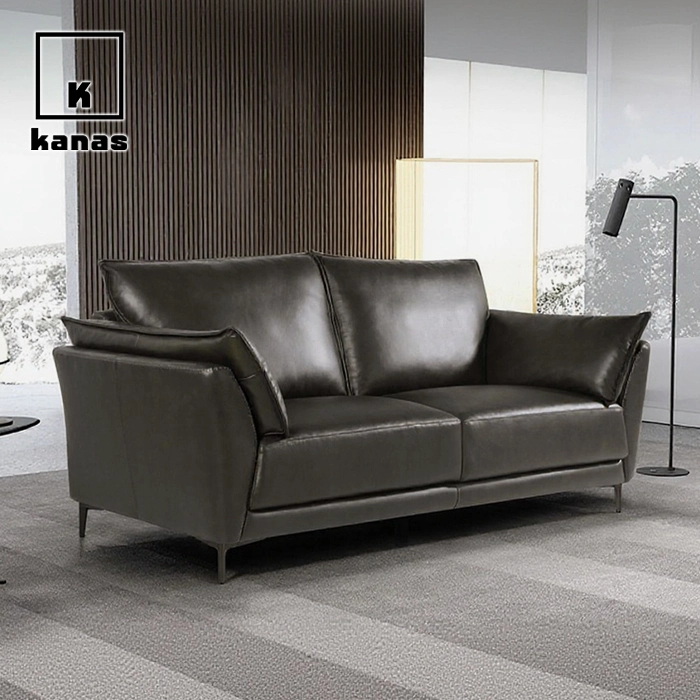
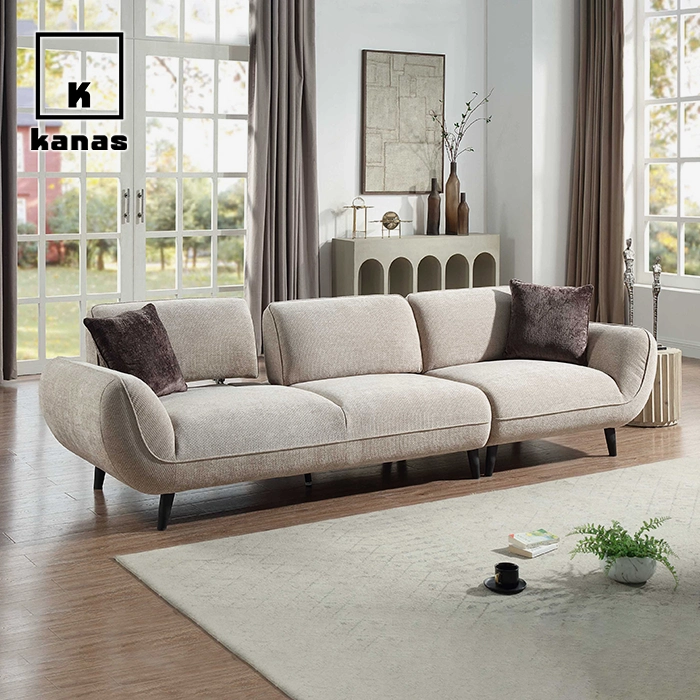
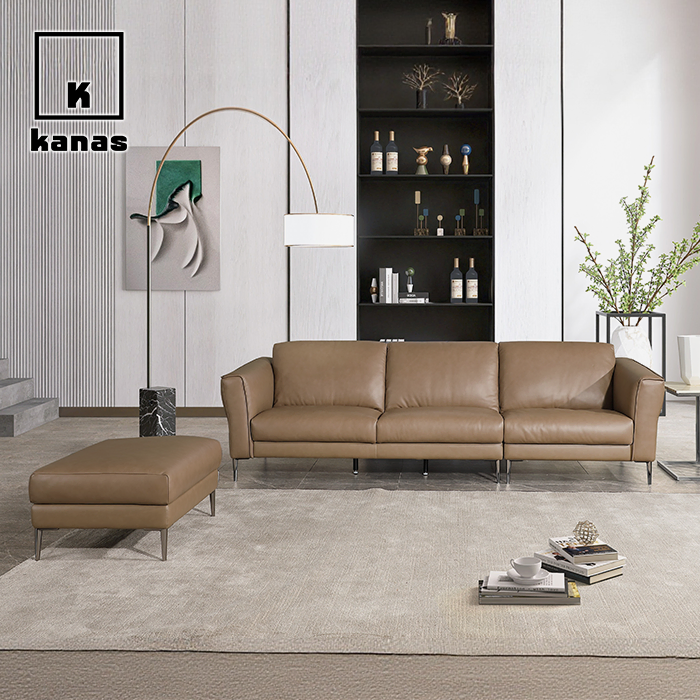
A basic interior design approach known as the "2-3 sofa rule" mixes two-seater and three-seater couches to create well-balanced, practical living areas. Interior designers and procurement specialists who want to maximize business spaces have taken a strong interest in this seating arrangement technique. This guideline turns common waiting rooms, business lounges, and hospitality spaces into hospitable settings that encourage comfort and productivity when it is applied to a four seater sofa set. The idea focuses on optimizing seating capacity while establishing visual harmony, which makes it a crucial factor for companies purchasing furniture solutions that must support different group sizes while preserving aesthetic appeal.

Understanding the 2-3 Sofa Rule: Definition and Origins
The Core Concept Behind Strategic Seating Arrangements
Because diverse sitting arrangements serve varied social and utilitarian objectives, interior designers established space planning concepts that gave rise to the 2-3 sofa rule. In order to provide a total sitting capacity that can support both private discussions and larger group interactions, this method combines two-seater and three-seater sofas. This arrangement enables adaptable use patterns that change throughout the day when used with a sectional four seater sofa set.
Evolution in Modern Commercial Design
Businesses have adopted this guideline because they understand how well-planned furniture placement affects both consumer and staff pleasure. According to research from the American Society of Interior Designers, thoughtful seating arrangements may boost user comfort ratings and enhance space usage efficiency by up to 35%. Contemporary four-seater couch designs have developed to include modular components that maintain the 2-3 concept and provide personalization choices for certain business uses.
Benefits and Practical Applications of the 2-3 Sofa Rule in Business Spaces
Enhancing Spatial Efficiency and User Experience
There are quantifiable advantages to using the 2-3 couch rule in business settings that go beyond aesthetics. In crowded reception rooms and office lounges, it is important to maintain traffic flow while creating natural discussion zones. The International Facility Management Association has undertaken studies that demonstrate how well-designed sitting spaces with sectional sofa configurations may greatly improve customer satisfaction ratings and cut down on perceived wait times by up to 20%.
Modular seating solutions are arranged strategically to establish discrete zones inside larger areas, enabling several concurrent activities to occur without disruption. This strategy works especially well in business waiting rooms, hotel lobbies, and collaborative workplaces where various user groups need varying degrees of seclusion and connection.
Real-World Implementation Success Stories
The 2-3 couch rule has been effectively incorporated into workplace redesigns by a number of Fortune 500 businesses, who have reported higher visitor comfort ratings and increased staff engagement. Within six months, a Silicon Valley technology business saw a 40% boost in favorable visitor response after redesigning its greeting area with modern seating configurations. Choosing furniture components that could work independently while also keeping visual coherence when arranged using the 2-3 principle was crucial to their success.

Detailed Dimensions and Types of Four Seater Sofa Sets for Effective Implementation
Standard Dimensions and Space Requirements
Successful implementation of the 2-3 sofa rule requires careful attention to dimensional specifications and spatial relationships. A typical two-seater sofa measures approximately 60-72 inches in length, while three-seater sofas range from 84-96 inches. When planning for a four seater sofa set arrangement, designers must account for traffic flow patterns and maintain minimum clearance distances of 30-36 inches between seating elements.
The following dimensional considerations ensure optimal functionality:
- L-shaped configurations: Require a minimum floor space of 12x12 feet to accommodate proper clearance and traffic flow while maintaining the visual balance essential to the 2-3 sofa rule
- Linear arrangements: Work effectively in narrower spaces, requiring approximately 8x16 feet while still providing the flexibility to rearrange components based on changing needs
- Modular systems: Offer the greatest flexibility, allowing for custom configurations that can adapt to seasonal usage patterns or special events while maintaining the core 2-3 principle
In order to ensure that furniture investments provide the most value during their operational lives, procurement experts may use these dimensions recommendations to assist them make well-informed selections that strike a compromise between functional needs and space restrictions.
Material Selection for Commercial Durability
The selection of materials has a big influence on the seating arrangements' long-term performance and visual attractiveness in commercial settings. Fabrics and finishes that can endure repeated usage without losing their aesthetic appeal are necessary in high-traffic areas. Commercial-grade leather is perfect for executive lounges and client meeting spaces since it is very durable and requires little upkeep. Stain-resistant performance textiles satisfy the rigorous demands of busy reception rooms while offering comfort and a range of colors.
How to Select and Maintain Four Seater Sofa Sets Aligned with the 2-3 Sofa Rule?
Selection Criteria for Commercial Applications
A number of elements that affect both short-term and long-term functioning must be considered while selecting the best sitting arrangement, especially when choosing a four seater sofa set to ensure comfort, durability, and aesthetic harmony. Crucial factors in the choosing process include space size, expected use patterns, and maintenance skills. Professionals in procurement must balance budgetary restrictions with quality standards while taking into account the unique requirements of their customer base.
Adaptability and durability are key components of successful selection techniques. As demands change, modular designs provide you the freedom to rearrange areas, and well-built furniture guarantees that your investment will pay off over time. In commercial applications, where wear patterns may differ across various areas of the furniture, the option to repair individual components rather than full sets provides a considerable benefit.
Maintenance Protocols for Longevity
Commercial furniture may last longer with proper care while maintaining its visual appeal. Maintaining maximum performance is aided by regular professional cleaning programs, quick reaction to spills and stains, and routine structural component inspections. While fabric alternatives benefit from quarterly professional steam cleaning in high-traffic areas, leather furniture needs conditioning treatments every six to twelve months.
Integrating the 2-3 Sofa Rule into Your Procurement Strategy

Supplier Evaluation and Partnership Development
Assessment of Suppliers and Establishment of Partnerships Successful procurement strategies must be developed in collaboration with suppliers who are aware of the particular needs of commercial furniture applications. Reputable producers provide extensive support services, such as help with space planning, personalization choices, and extended warranty plans. The most successful collaborations allow companies modify their seating arrangements as requirements change by offering continuous guidance throughout the furniture lifetime.
A prime example of this supplier relationship strategy is Kanas Furniture, which combines cutting-edge production skills with a thorough understanding of commercial space needs. With low pricing and dependable delivery schedules, we can provide bespoke solutions that satisfy the demanding requirements of global customers thanks to our 40,000⎡ manufacturing facility in Foshan.
Quality Assurance and International Standards
Commercial furniture procurement requires suppliers who maintain rigorous quality control processes and comply with international safety standards. ISO 9001 certification, REACH compliance, and adherence to fire safety regulations represent minimum requirements for commercial applications. The most reliable suppliers provide comprehensive documentation and testing reports that support facility compliance requirements.
Conclusion
The 2-3 sofa rule provides a practical framework for creating functional, attractive seating arrangements that enhance commercial spaces while optimizing user experience. When applied thoughtfully to four seater sofa set selections, this principle delivers measurable benefits in terms of space utilization, user satisfaction, and long-term value. Success depends on careful attention to dimensional requirements, material selection, and ongoing maintenance protocols that preserve both functionality and appearance. Procurement professionals who master these principles can create environments that support their organizations' objectives while providing exceptional experiences for users and visitors alike.
FAQ
How does the 2-3 sofa rule apply to small office reception areas?
The 2-3 sofa rule adapts well to compact spaces by using L-shaped or sectional configurations that maximize seating within limited square footage. A well-designed four seater sofa set can provide equivalent seating to separate pieces while requiring less floor space and maintaining visual coherence. The key lies in selecting appropriately scaled furniture and maintaining adequate clearance for traffic flow.
What maintenance differences exist between leather and fabric sofas in commercial settings?
Leather sofas require periodic conditioning and immediate attention to spills but generally resist staining and wear better than fabric options. Fabric sofas offer greater color variety and initial comfort but may require more frequent professional cleaning. Both materials can perform well in commercial applications when properly maintained and selected based on specific usage patterns and aesthetic requirements.
Can the 2-3 sofa rule improve workplace productivity and client impressions?
Research indicates that well-planned seating arrangements following the 2-3 principle can significantly improve user comfort and space perception. The psychological impact of balanced, thoughtfully arranged furniture creates positive impressions while supporting various interaction styles. Clients report feeling more comfortable in spaces with appropriate seating options, leading to improved business relationships and outcomes.
Transform Your Commercial Space with Professional Four Seater Sofa Set Solutions
Kanas Furniture specializes in delivering premium four seater sofa set solutions designed specifically for commercial applications. Our comprehensive understanding of the 2-3 sofa rule, combined with advanced manufacturing capabilities and international quality standards, positions us as the ideal four seater sofa set supplier for businesses seeking exceptional value and performance. We offer customization options that ensure perfect fit for your specific space requirements while maintaining the aesthetic coherence essential to successful commercial environments.
Our team of experienced professionals provides comprehensive support throughout the procurement process, from initial space planning through delivery and installation. With proven experience serving major retailers and hospitality groups, we understand the unique challenges of commercial furniture procurement and deliver solutions that exceed expectations. Contact us at sc@kanasfurniture.com to discuss your seating requirements and discover how our expertise can enhance your commercial space.
References
1. Smith, Jennifer A. "Commercial Space Planning: Principles and Applications in Modern Office Design." Interior Design Quarterly, 2023.
2. Martinez, Carlos R. "The Psychology of Seating Arrangements in Business Environments." Facility Management Journal, 2022.
3. Thompson, Sarah L. "Furniture Selection Strategies for High-Traffic Commercial Spaces." Commercial Design Review, 2023.
4. Anderson, Michael P. "Ergonomic Considerations in Commercial Seating Design." Workplace Wellness Studies, 2022.
5. Chen, Lisa W. "Sustainable Materials in Commercial Furniture Manufacturing." Green Building Materials Quarterly, 2023.
6. Roberts, David K. "Return on Investment Analysis for Commercial Furniture Procurement." Business Facility Planning, 2022.