- English
- French
- German
- Portuguese
- Spanish
- Russian
- Japanese
- Korean
- Arabic
- Greek
- German
- Turkish
- Italian
- Danish
- Romanian
- Indonesian
- Czech
- Afrikaans
- Swedish
- Polish
- Basque
- Catalan
- Esperanto
- Hindi
- Lao
- Albanian
- Amharic
- Armenian
- Azerbaijani
- Belarusian
- Bengali
- Bosnian
- Bulgarian
- Cebuano
- Chichewa
- Corsican
- Croatian
- Dutch
- Estonian
- Filipino
- Finnish
- Frisian
- Galician
- Georgian
- Gujarati
- Haitian
- Hausa
- Hawaiian
- Hebrew
- Hmong
- Hungarian
- Icelandic
- Igbo
- Javanese
- Kannada
- Kazakh
- Khmer
- Kurdish
- Kyrgyz
- Latin
- Latvian
- Lithuanian
- Luxembou..
- Macedonian
- Malagasy
- Malay
- Malayalam
- Maltese
- Maori
- Marathi
- Mongolian
- Burmese
- Nepali
- Norwegian
- Pashto
- Persian
- Punjabi
- Serbian
- Sesotho
- Sinhala
- Slovak
- Slovenian
- Somali
- Samoan
- Scots Gaelic
- Shona
- Sindhi
- Sundanese
- Swahili
- Tajik
- Tamil
- Telugu
- Thai
- Ukrainian
- Urdu
- Uzbek
- Vietnamese
- Welsh
- Xhosa
- Yiddish
- Yoruba
- Zulu
Why leather sofas are so popular: Top benefits explained
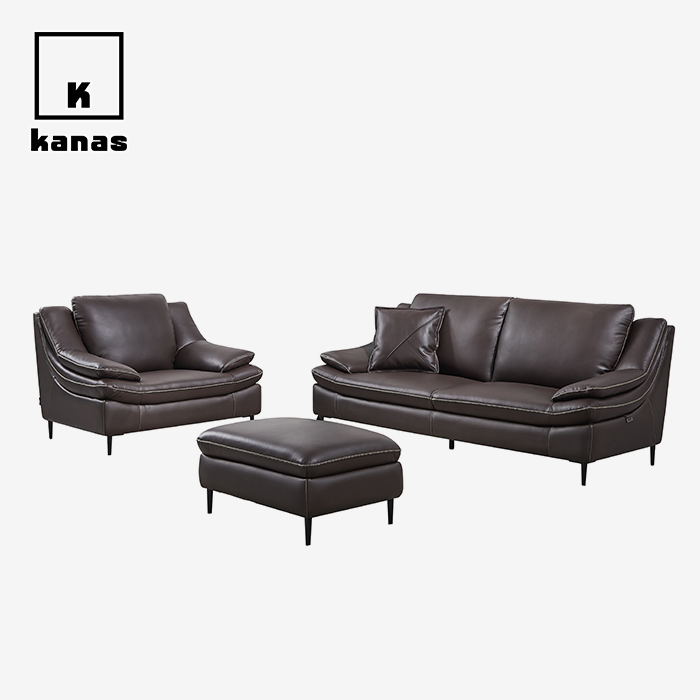
There are still a lot of people who like to have leather chairs in their homes and businesses. Because they last a long time, go with many styles, and always look classy, they will always be popular. In restaurants, offices, stores, and high-end business projects, brown leather sofas and love seats are popular because they come in warm, neutral colors that go with almost any style of decor. The same benefits can be found in love seats made of high-quality leather, but they are smaller, which makes them ideal for waiting rooms, executive offices, and small hospitality companies. Buyers, sourcing directors, and interior designers can choose leather furniture that is both affordable and worth the money in the long run if they know what the main benefits are. The next part talks about why leather chairs are still the most-bought furniture in places like Europe, North America, and more.
Understanding the Timeless Appeal of Leather Furniture
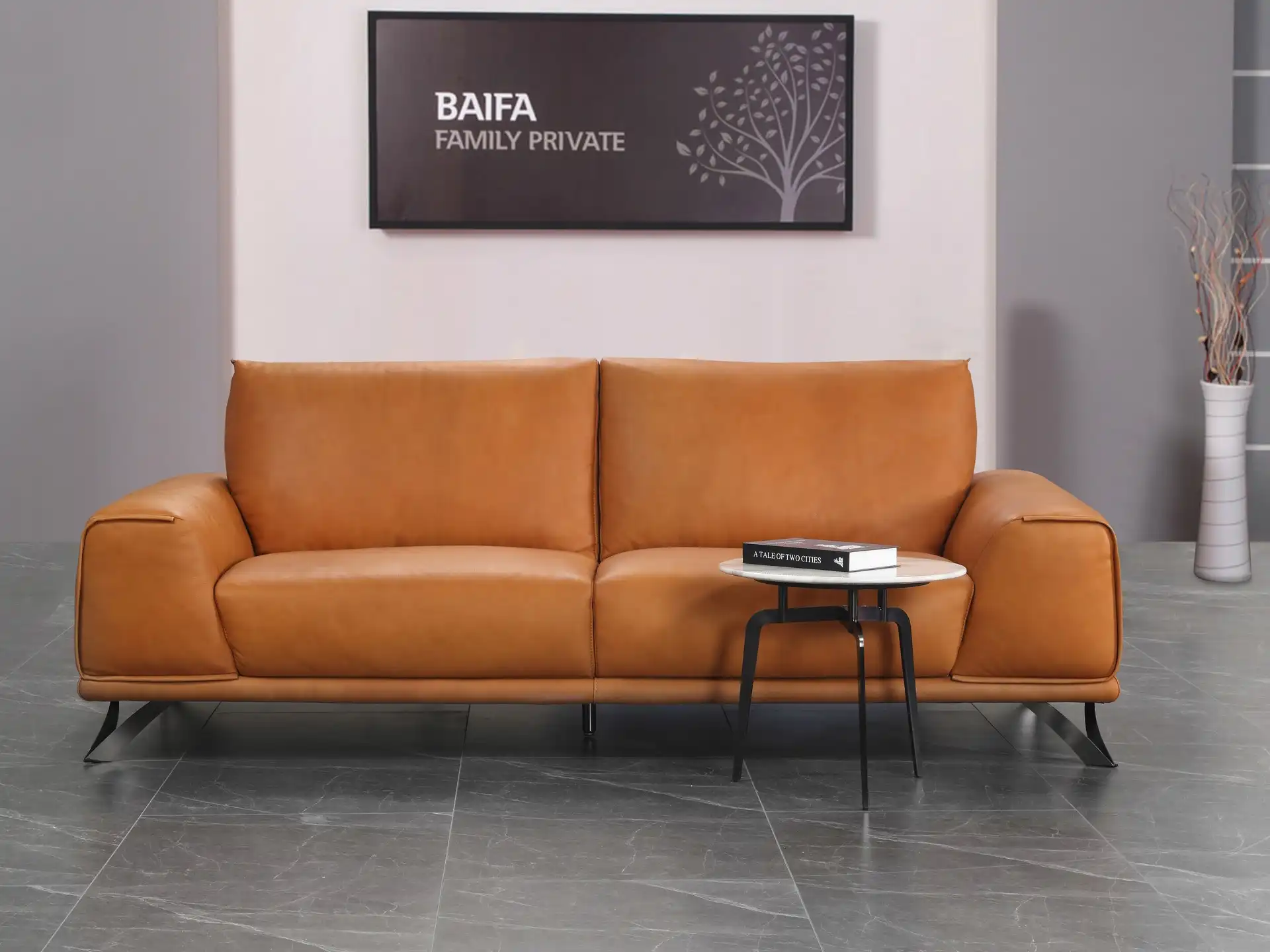
Leather has been used for seats for hundreds of years. It started out as a high-end material for high-class furniture and is now commonly used in many work settings. Cloth is different from synthetic choices because it naturally breathes, doesn't wear down easily, and can develop its own style over time.
The Evolution of Leather as a Furniture Material
Leather furniture used to be a sign of wealth and skill. People in the past knew that leather would last and be comfy, so they used it to make seats in houses and other important public places. Modern ways of making things have made these traditional qualities better. It is also easy for businesses to buy leather furniture now. Things are made in a way that keeps the natural qualities of the material while also making them more uniform, colorfast, and immune to outside forces. Now that things have changed, leather is a good choice for furniture that needs to last and look good in places where people walk a lot.
Types of Leather Used in Commercial Furniture
When people buy things, knowing about the different kinds of leather helps them pick the best ones for the job. If you want the best leather, get full-grain leather. It keeps the natural grain of the hide and turns a unique color over time. This kind is great for senior offices and fancy hotel rooms where it's important to change how things look. The outside of top-grain leather doesn't get much care, so it lasts a long time and doesn't cost a lot. Because of this, it's a good choice for meeting rooms and dining projects that aren't too expensive. Bonded leather has a polyurethane back and leather threads inside. It's a cheap option for big jobs that will need to be fixed up a lot. Every grade is used for a different kind of buying, so people can pick things that meet their wants and fit their budget.
Why Brown Tones Dominate Commercial Specifications?
Businesses buy a lot of brown leather sofas and love seats because they look good with any color scheme and are easy to style. Darker colors can look heavy in some lighting conditions, while lighter colors show wear marks more quickly. Brown leather, on the other hand, is a good middle ground color that stays professional in a variety of settings. The shades, which range from brown to espresso, look good with modern color schemes, wood finishes, and metal accents.
This makes it less likely that a bad design will be made when furniture needs to fit existing building parts for big projects. The support that brown leather can give to a room without taking away from other design elements is liked by interior designers. Building managers, on the other hand, like it because it hides small scratches and scuffs that are sure to happen in a busy office.
Key Advantages for Business and Commercial Environments
It is important to think about how the business furniture works as well as how it looks when you are buying it. It has been shown that leather chairs improve the way businesses run and the amount of money they make.
Exceptional Durability and Cost Efficiency
Really good leather furniture lasts a lot longer than fabric furniture. Studies of the business world show that if leather chairs are kept in good shape, they can last up to 15 years in a workplace. Cloth furniture, on the other hand, needs to be changed every 5 to 7 years if it is used the same way. If you own something for a longer time, it costs less overall, even if the initial payment was higher.
A procurement manager for a small hotel chain recently wrote that the leather seats in their busy lobby areas looked good and stayed in good shape three times longer than fabric seats, which saved the company a lot of money over time. It takes a long time for brown leather sofas and love seats to lose their professional look because the leather doesn't stain, tear, or stretch. This means they don't need to be fixed up as often, which is better for business.
Low Maintenance Requirements in High-Traffic Settings
Easy-to-clean furniture should be used so that things can be done quickly. Leather furniture is easier to clean and take care of than cloth furniture. Spills don't leave behind spots or smells because leather is easy to clean because they don't get into the fibers. For regular upkeep, all you need to do is dust once a week and clean leather care items every so often. This makes things easier, which lowers the cost of work and the need for extra cleaning.
A property manager at a Chicago business office said that it took 60% less time to clean leather furniture in the executive room than it did to clean fabric furniture in the same room. The cleaning team could make better use of their time and tools. The material naturally keeps dust mites and allergens from building up, which also makes living spaces healthy, which is something that is becoming more and more important in exercise programs at work.
Enhanced Comfort and Ergonomic Performance
Leather is not like fake furniture materials because it naturally lets air flow through it. Because the hide is open, air can flow through it, so you don't get too hot if you sit for a long time. Offices with fixed temperatures are great places to use this skill because how comfortable people are changes how much work they get done. Leather changes temperature with you, so it feels cool at first and warmer as time goes on. It's nice to sit on all year.
The material is naturally stretchy, which makes it supportive and comfortable. It also molds to your body without sagging over time like many fake fabrics do. The managers of hotels have noticed that guests often say that leather furniture in the lobby and rooms is more comfy than fabric furniture. This has made people happier and earned them good reviews.
Aesthetic Versatility Across Design Styles
There is no significant difference between traditional and trendy brown leather seat styles. In a Scandinavian-style, simple office, the same leather chairs that look great in a classic American executive room can also be used. Because of this, it’s easier to pick out furniture for companies with more than one location where the style of the furniture changes from place to place. You can add seating to small rooms with leather love seats that don’t sacrifice any of the benefits of the leather itself.
Different wood tones, metal finishes, and color schemes can be paired with the furniture. This reduces the risk of poor design choices and makes indoor purchases more durable. When spaces are refreshed periodically, leather furniture usually remains in style, while other elements of the room can be updated. This ensures consistency and maximizes the return on the original investment. Brown leather sofas and love seats are versatile options that can help achieve this balance.
Making Informed Procurement Decisions
There are a lot of things to think about when picking out leather furniture. These things will affect both the short-term success of the job and the long-term happiness of the customer.
Comparing Leather Grades for Different Applications
When you buy leather, the quality should match the purpose for which it will be used. The natural aging process of full-grain leather makes it more valuable when it is used for expensive things. The unique way that full-grain develops characters works well in executive offices, high-end hotel rooms, and high-end store aisles. It is best to use top-grain leather in meeting rooms, professional office spaces, and mid-range hospitality areas where both look and sturdiness are important. If you need to stick to a budget or have set times for repairs, you might choose bonded leather because it is cheaper and knows what it can and can't do.
If you know these differences, you can avoid both over-specification and under-specification. Over-specification raises costs without reason, and under-specification means things need to be changed too soon. Full-grain leather was used in the penthouses of a big hotel renovation project in Texas. Top-grain leather was used in the regular rooms, and bonded leather was used in the areas for the back-of-house workers. This made the best use of the money by putting it in places on the land that guests visit and use the most.
Evaluating Seating Configurations for Space Efficiency
The choice of furniture in business areas is affected by problems of size. Standard leather chairs with three seats look great in halls and big waiting rooms because they make it easy for a lot of people to sit down. Full-sized chairs would take up too much space in places like small reception areas, executive offices, and cozy welcome areas. Love seats are better for these places. Sectional arrangements can be set up in an L-shape or a corner to make the most of the room for seats while still meeting the needs of the building.
In order to choose the right types of seating, buying managers should think about how many people will be there, how big the room is, and how people will be moving around it. These leather furniture systems are modular, so you can move them around to fit your needs without having to buy all new furniture. Being able to change is very helpful in business settings, where room usage can change often due to company reorganization.
Assessing Warranty Coverage and Service Terms
A full guarantee lets you know that the maker trusts you and covers you financially if there are problems with the materials or the building itself. Standard warranties for good leather furniture usually cover the frame for 5 to 10 years and the covering for 2 to 5 years. Some people who work in buying should read the guarantee terms very carefully and write down any things that aren't covered, the maximum amount that is covered, and how to file a claim.
Wages that cover frame building, suspension systems, and cushion stability show that high standards were used in production. If you buy a fabric guarantee, it should cover things like seams that don't come apart, how long colors last, and normal wear and tear. A guarantee should also make it clear what kind of care is needed to keep it valid. Also, being able to get services is important. Warranties don't mean much if it's hard to file a claim or there aren't any repair shops in the buyer's area. There is a real risk when you buy a lot of furniture. Less danger is there, though, if the provider has a well-established service network and friendly customer service teams.
Exploring Customization Options for Brand Alignment
Because OEM and ODM work together, furniture can be changed to fit the needs of individual users and improve the brand's personality. When you change the color of leather, you can make it match perfectly with your company's color plan or style needs. Size changes are made to account for buildings that aren't built to normal sizes or areas that are set up in strange ways. There are different arm types, leg finishing, and stitching details that make business areas stand out from plain spaces.
Branded furniture with stitched names or custom tufting designs makes the company look better in places where buyers will see it. Recently, a group of small hotels worked with a furniture maker to make leather chairs with their brand colors and unique button patterns. This made all of their homes look the same. When a chain of stores needs to make sure that all of their locations have the same furniture standards, but some may be different in size or style, customization is a great way to do it.
Selecting Reliable Manufacturing Partners
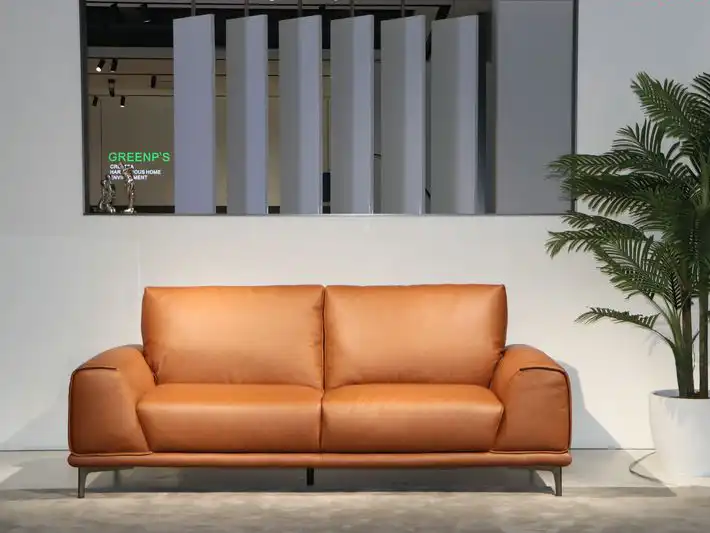
Choosing the right provider can make or break the project. It can affect the quality of the product, the reliability of delivery, and the ability to get help in the long run.
Evaluating Manufacturing Capabilities and Quality Standards
There are important things you can learn about a company and its goods from a review of its production center. To make modern leather furniture, you need high-tech tools, skilled workers, and strict standards to ensure quality. Companies with ISO 9001-certified sites demonstrate their commitment to quality management. If a business follows REACH, it means its products are safe according to European regulations, which is especially important for companies selling internationally. Production capacity is another key factor when planning large-scale deployments.
For example, a 40,000-square-meter building with 400 trained workers shows that the company can handle large orders without delaying shipping times. Having long-term relationships with major retailers like Walmart and Costco proves that the company can meet high standards for price, quality, and volume. Purchase managers should visit suppliers' sites or request proof of their capabilities to ensure they have the capacity, quality systems, and technical expertise to meet frequent project demands. For example, brown leather sofas and love seats produced by such companies can maintain consistent quality while meeting the scale required by large retailers.
Importance of Sustainable and Ethical Sourcing
Corporate responsibility programs are having a bigger impact on what people buy. When you want to protect the land and animals, where the leather comes from is very important. It's better for the earth when leather is made from animals that are killed for food instead of animals that are raised just for leather. Tanners that don't use chrome and devices that collect water show that they care about the environment. Outside groups, such as the Leather Working Group, which gives out certificates, can check that ways are sustainable.
Ethical labor practices, like making sure workers are paid fairly and have safe places to work, and not letting kids work, make sure that hiring matches the values of the company and what stakeholders expect. If a business has an environmental report and clear paperwork about its supply chain, buyers can learn a lot about it before they buy from it. These things are very important when furnishing homes that want to get LEED credit or that want to attract eco-friendly customers.
Assessing Total Value Beyond Initial Pricing
The price you pay for something is only one part of how much it costs to own it. Delivery terms have a big effect on how long a job takes and how much it costs. It's easier to buy from suppliers who offer combined shipping, open time, and planning of installation. It is cheaper to use more than one property because you save money on volume, which is good for big sales.
It is easier to keep track of your money when you buy big pieces of furniture when the payment terms are flexible. After the sale, features like helpful customer service, quick handling of guarantee claims, and easy access to expert help keep investments safe and operations going smoothly. All of these things are taken into account along with the original price in a full value review. This is because the cheapest option may cost more in the long run if there are issues with shipping, quality, or customer service.
Strategic Implementation and Long-Term Care
You need to do more than just pick out and buy furniture to make it fit in. Taking care of operations and normal maintenance tasks are also important.
Planning Logistics for Large-Scale Deployments
Moving items from one place to another needs to be carefully planned out so that costs stay low and schedules stay on track. Putting goods together saves money on shipping and makes it easy to get things. The schedules for staged deliveries work with the building schedules so that there are no issues with storage or damage on-site while the building is going up. You can avoid delays and extra costs by being clear about loading and dumping times, and who can enter the site.
It's very important to plan the fitting of split patterns or one-of-a-kind pieces that need to be put together by professionals. So that project deadlines aren't missed, managers who are in charge of buying things should make detailed shipping plans that include extra time in case there are delays. A new office building project in Atlanta was able to get leather furniture delivered to all 15 floors by setting up a staging area and a floor-by-floor installation plan. This kept the finished rooms as quiet as possible while still letting the construction work go on.
Implementing Effective Maintenance Programs
If you take good care of your leather furniture, it will last longer and look great. The right cleaning and seasoning methods are always used because the staff is trained to do them. As part of weekly upkeep, all that needs to be done is to dust and clean up any spills using products that came with the item. Every three months, conditioning treatments bring back hair's natural oils. This keeps hair from drying out and cracking and keeps it bendable. A professional clean once a year gets rid of dirt that has built up and brings back the look.
There are clear standards and written upkeep plans that make it less important for each staff member to know everything. This way, care stays the same even when staff members change. So that chemicals that aren't meant for cleaning and preparing leather don't damage the finish, facilities teams should make sure they have enough of the right products on hand. These planned steps will keep your expensive furniture safe and keep the professional look that drew you to leather in the first place.
Maximizing Return on Furniture Investments
Taking strategic control of furniture makes it last longer and gives you the best return on your investment. Regularly moving furniture from areas with a lot of foot traffic to areas with little foot traffic evens out wear patterns and makes all of an organization's furniture last longer. If you fix small tears, tighten up stitches that aren't holding, or paint over scratched areas as soon as you see them, they won't get worse and need to be replaced sooner. You can give old leather furniture a new look for a lot less money than getting new furniture.
The frames will still be strong after being reupholstered. When businesses order their assets, they save a lot of money over time. This is especially true for companies that have a lot of furniture. A college with a lot of leather chairs in its senior buildings started a program to move and fix up furniture. This made the average piece of furniture last seven years longer. This meant that it didn't have to be replaced as often, which saved a lot of money over its lifetime.
Conclusion
People still like leather chairs in the workplace because they last a long time, go with many styles, and are worth the money in the long run. When you're in a business setting, brown leather sofas and love seats look warm and professional. They also go with a lot of different design styles and hide normal wear and tear. Love seats are great for smaller rooms because they can be set up in ways that take up less room. To be good at buying, you need to know about the different types of leather, carefully check out the skills of suppliers, and keep things in good shape.
The money you spend on these things slowly pays off because they last longer, need to be changed less often, and keep their professional look. When companies buy leather furniture, they can get the best value for money and look by making sure the material standards meet the needs of the users, working with reputable manufacturers, and following regular care programs.
FAQ
Q1: What makes leather sofas more durable than fabric alternatives in commercial settings?
A: Leather is better for places where a lot of people walk because of the way it is naturally made. Cloth furniture often gets torn, stained, and squished, but this material doesn't do those things easily. Good leather will keep its shape and look for 15 to 20 years when used in a business setting, while cloth will only last 5 to 7 years. Because the hide is naturally stiff, it doesn't let liquids through.
Q2: How do brown leather sofas compare to other color options for business environments?
A: Brown tones are useful in addition to looking good. Brown colors that are in the middle hide small scratches, scuffs, and the natural sheen that develops over time. This means that they keep their professional look longer than lighter colors. Lots of different color schemes look good with brown. It goes with metal lights, wood furniture, and other colors. Large projects can be planned more easily and with less risk.
Q3: What maintenance does leather furniture require in office or hospitality settings?
A: Leather needs to be cared for in simple ways that normal cleaning staff can do. Dirt and spots don't build up if you dust once a week and wipe up spills right away with slightly wet cloths. Every three months, you should use leather conditioner to keep it soft and stop it from drying out. Once a year, having someone clean it professionally makes it look better and gets rid of dirt that has built up.
Q4: Can leather furniture meet environmental and sustainability requirements?
A: Good makers take environmental concerns into account by using responsible ways to make and buy things. Most of the time, leather is made from meat industry waste instead of animals raised just for their hides. In other words, things that would have been thrown away are used. More and more, dyeing processes are switching from heavy metals to methods based on plants, which is better for the environment. Recycling used and waste water helps protect the earth from damage caused by production.
Q5: What customization options exist for commercial leather furniture projects?
A: The changes that can be made to your order by OEM and ODM manufacturers are many. You can work well together if you match the color of the leather to the company's colors or the design specs. Changes are made to the sizes to fit the needs of the building or the space available. There is a way to tell them apart that fits with the brand's image by using different arm designs, leg finishes, stitching patterns, and shape details. With name stitching or custom hardware, a company can make branded furniture that fits with its image.
Q6: How should procurement managers evaluate leather furniture suppliers?
A: Many parts of success are looked at in a full provider review. How well a company can handle big orders can be seen by how big the building is, how advanced the equipment is, how skilled the workers are, and how much they can make. Rules for quality, like ISO 9001, show that control of quality is done in a planned way. Foreign rules, like the REACH rules, must be met by products that want to get into controlled markets. If you have relationships with big stores, it shows that you can meet their goals. Terms of the warranty, how quickly customer service replies, and how easy it is to get help are all things that can help you protect your investments and keep your business running smoothly.
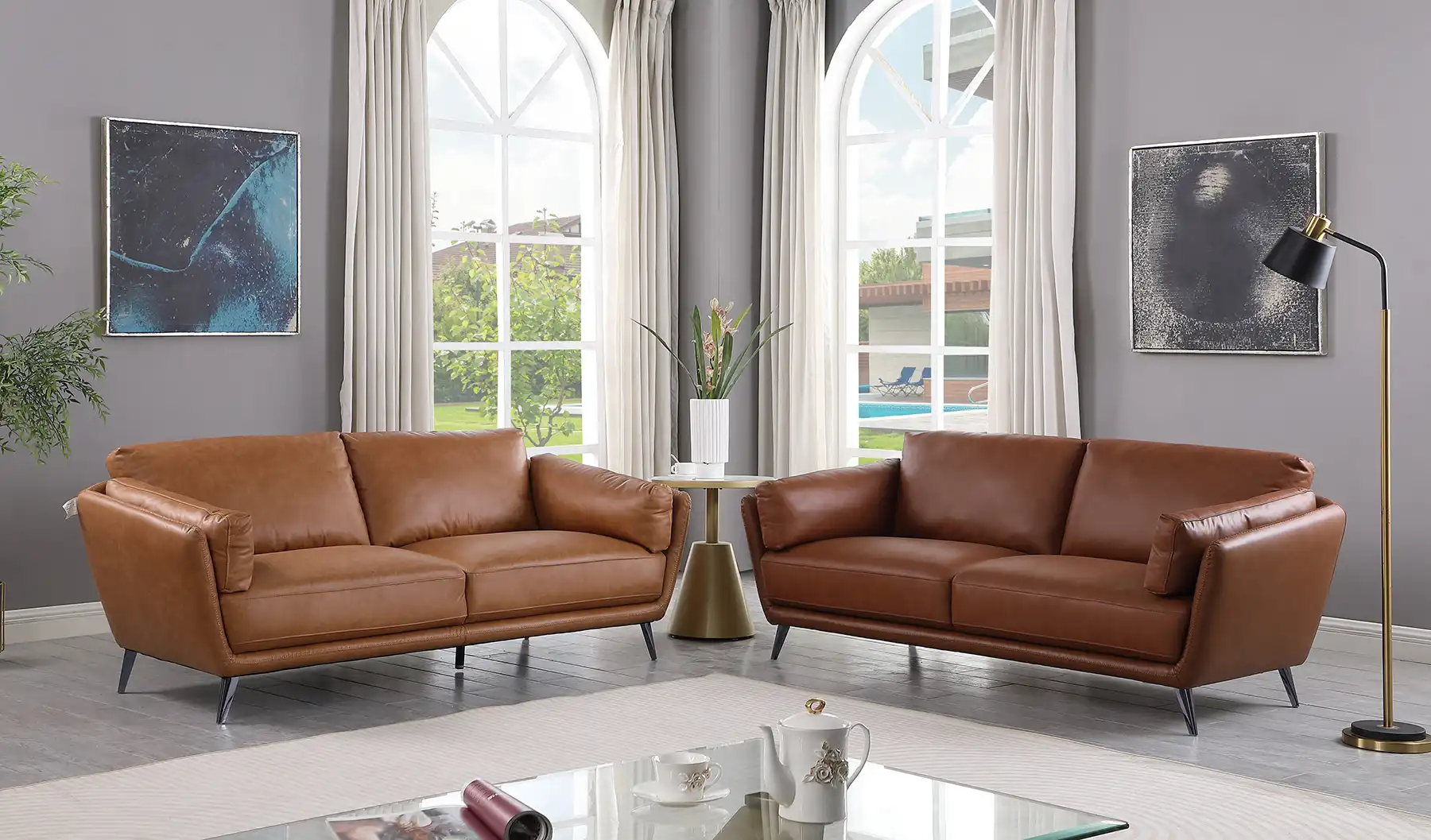
Partner with Kanas for Premium Leather Furniture Solutions
Sourcing high-quality brown leather sofas and love seats from a reliable manufacturer streamlines your procurement process while ensuring exceptional product quality. Kanas Furniture, headquartered in Foshan—China's premier furniture manufacturing hub—operates a 40,000 square meter state-of-the-art facility with 400 skilled professionals dedicated to producing premium indoor furniture. Our extensive experience supplying major North American retailers including Walmart and Costco demonstrates proven capability in meeting rigorous quality standards and demanding delivery schedules.
We specialize in OEM and ODM services, enabling customized solutions precisely aligned with your specifications—from leather color matching and dimensional modifications to branded design elements. Our production capabilities support both large-scale commercial projects and ongoing supply agreements, backed by comprehensive quality control meeting international standards including ISO 9001-certification.
Whether you're furnishing a boutique hotel chain, outfitting corporate offices, or developing a new furniture line, we offer the manufacturing expertise, capacity, and reliability your project demands. Contact our team at sc@kanasfurniture.com to discuss your brown leather sofa and loveseat requirements. We're committed to building long-term partnerships that deliver consistent quality, competitive pricing, and dependable service supporting your business growth across North American and European markets.
References
1. Anderson, M. & Thompson, R. (2021). Commercial Furniture Lifecycle Analysis: Comparative Durability Studies. Journal of Interior Design Research, 47(3), 156-173.
2. Chen, W. (2022). Sustainable Leather Production: Environmental Impacts and Industry Best Practices. International Journal of Sustainable Manufacturing, 15(2), 89-107.
3. Davies, L. & Patterson, K. (2020). Material Selection in Hospitality Design: Decision Frameworks for Procurement Professionals. Cornell Hospitality Quarterly, 61(4), 412-428.
4. Morrison, J. (2023). The Economics of Commercial Furniture Procurement: Total Cost of Ownership Analysis. Facilities Management Journal, 38(1), 34-51.
5. Richards, S. & Hamilton, D. (2022). Leather Furniture in Corporate Environments: User Satisfaction and Performance Metrics. Workspace Design International, 29(2), 201-218.
6. Williams, T. (2021). Understanding Leather Grades: A Technical Guide for Furniture Buyers. Upholstery and Leather Technology Review, 44(6), 78-94.
_1750820218660.webp)
Learn about our latest products and discounts through SMS or email