- English
- French
- German
- Portuguese
- Spanish
- Russian
- Japanese
- Korean
- Arabic
- Greek
- German
- Turkish
- Italian
- Danish
- Romanian
- Indonesian
- Czech
- Afrikaans
- Swedish
- Polish
- Basque
- Catalan
- Esperanto
- Hindi
- Lao
- Albanian
- Amharic
- Armenian
- Azerbaijani
- Belarusian
- Bengali
- Bosnian
- Bulgarian
- Cebuano
- Chichewa
- Corsican
- Croatian
- Dutch
- Estonian
- Filipino
- Finnish
- Frisian
- Galician
- Georgian
- Gujarati
- Haitian
- Hausa
- Hawaiian
- Hebrew
- Hmong
- Hungarian
- Icelandic
- Igbo
- Javanese
- Kannada
- Kazakh
- Khmer
- Kurdish
- Kyrgyz
- Latin
- Latvian
- Lithuanian
- Luxembou..
- Macedonian
- Malagasy
- Malay
- Malayalam
- Maltese
- Maori
- Marathi
- Mongolian
- Burmese
- Nepali
- Norwegian
- Pashto
- Persian
- Punjabi
- Serbian
- Sesotho
- Sinhala
- Slovak
- Slovenian
- Somali
- Samoan
- Scots Gaelic
- Shona
- Sindhi
- Sundanese
- Swahili
- Tajik
- Tamil
- Telugu
- Thai
- Ukrainian
- Urdu
- Uzbek
- Vietnamese
- Welsh
- Xhosa
- Yiddish
- Yoruba
- Zulu
Armless Sofas for Small Spaces: The Ultimate Guide
When business spaces need to be used as efficiently as possible, the armless white sofa is a smart choice that combines usefulness with style. These sleek seating units don't have lateral arms, so they have 15-20% more useful seating surface area than regular couches. They also reflect light to make the room seem bigger than it really is. If you're a sourcing manager buying furniture for small hotels or a product line manager putting together sets for stores, knowing the technical specs and different uses of armless white sofas will help you make better buying decisions. This book explains how to choose the right seating, how to keep it in good shape, how to incorporate it into your design, and how to buy it. It will help you find methods that make the best use of room without sacrificing comfort or style.
Understanding Armless Sofas and Their Benefits for Small Spaces
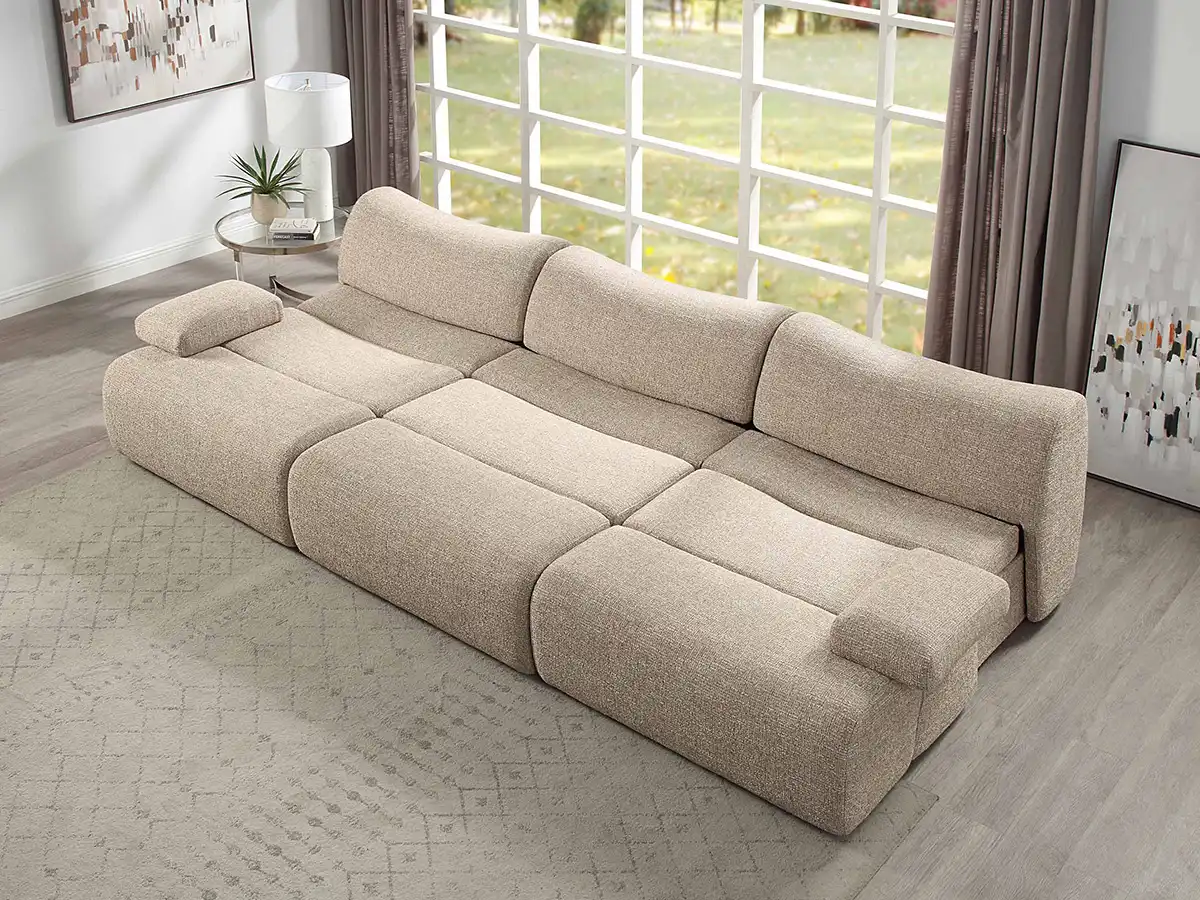
What Defines an Armless Sofa Design?
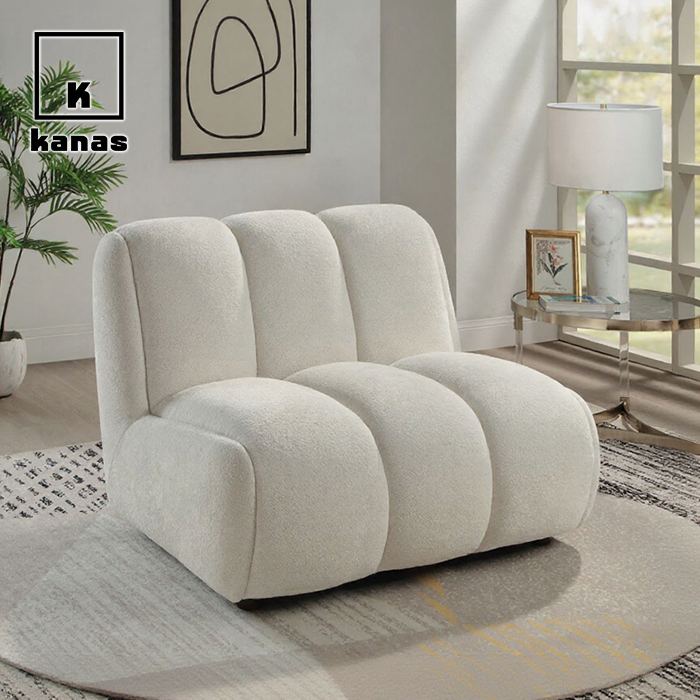
armless white sofas are a unique type of furniture because they don't have any side supports. This way of thinking about design puts space economy ahead of standard ways of seating. The building usually has stronger corner blocking and spring edge wire systems that make up for the structural role that arms usually play in stopping lateral racking. Industry-standard models meet the static load standards for ANSI/BIFMA X5.4 lounge chairs, which makes them stable even though they have a simple design.
The white upholstery choice meets technical needs that go beyond looks. For example, white surfaces reflect up to 80% of natural light, which makes furniture less bulky in small spaces. This is especially helpful in small office rooms and hotel lobbies in cities, where keeping the space open and bright has a direct effect on how guests feel and how happy employees are with their jobs.
Core Advantages for Commercial Applications
There are more benefits to using armless white sofas in business projects than just saving room. These benefits directly address problems that buying managers and interior designers often have when they have to work with limited space and funds.
Armless designs make space use more efficient in ways that can be measured and can be turned into real business value. When arms are taken away, each linear foot of sofa adds about 6 to 12 inches of extra seating width, so places can fit more guests without having to buy more furniture. This is especially important in the common areas of boutique hotels, where making the most of the number of guests while keeping the flow of traffic smooth decides how much money can be made. Armless designs allow for 360-degree accessibility, which encourages dynamic social flow by letting guests approach seating from a variety of directions instead of being pushed to specific entry places.
Visual freedom is another strategy advantage that has a real effect on how people see space. Researchers in the field of environmental psychology have found that the straight lines of armless white sofas make rooms look 15 to 25 percent bigger because they don't block the view. Hotels and office spaces use this illusion of space to make rooms feel bigger than they really are, even if the place isn't very big. Because there are no vertical breaks, interior designers have more freedom to divide open-plan spaces into zones without making obvious walls that break up the space.
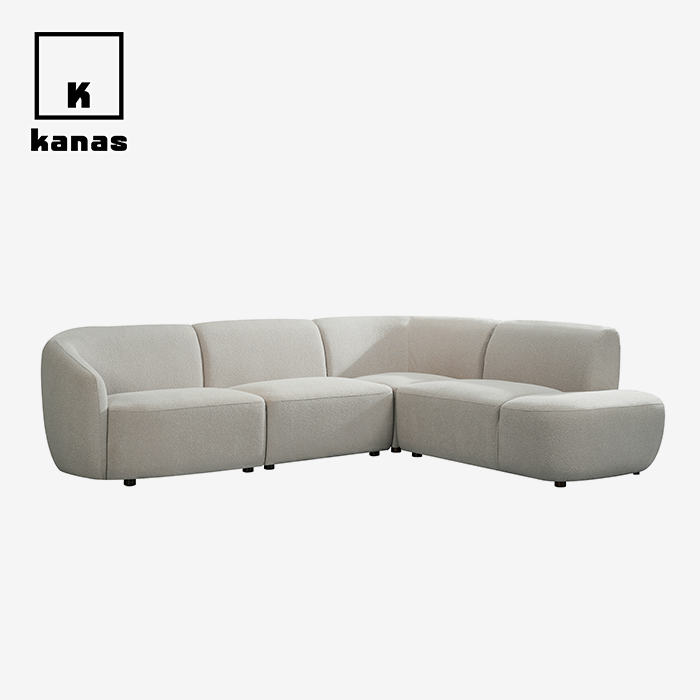
Modular freedom is a big plus for buying teams that have to deal with changing space needs. Standard alligator clip or ratchet connection systems make it easy for armless units to join to chaise modules and corner pieces, acting as center pieces in sectional designs. This openness lets facility managers change patterns as needed, like turning individual seats into long benches for events and back to small groups of seats for everyday use. The ability to be changed lowers the cost of replacing furniture over time and allows for different types of programming in the same area.
Material Considerations and Durability Factors
Understanding how fabrics work is important when choosing white furniture for business spaces with a lot of foot traffic. Solution-dyed acrylic and polyester mixes are better at keeping their color than natural fibers. They stay bright even after being exposed to UV light for a long time, which would turn raw cotton yellow. Performance fabrics with a Grade 4-5 wet and dry crocking resistance level stop denim dye transfer at its most common weak point, which is when the dye shows up clearly on white surfaces. If you want to avoid open linens, we suggest choosing tight-weave fabrics like micro-chenille or silk. Dirt is easier to remove from tight fibers than from yarn structures.
How well the frame is built affects how long it will last and whether the guarantee will be honored. Professional-grade armless white sofas have frames made of kiln-dried lumber that must meet certain density standards to keep them from warping when the humidity levels change. Reinforced front rails and corner blocking make up for the lack of horizontal support that arms usually provide. This keeps the frame's shape even after a lot of use. High-resiliency foam cores with densities of 2.5 lbs/ft³ or higher and ILD grades between 30 and 35 stop the "puddling" effect, which is when fabric comes loose over cushion surfaces. This flaw is especially noticeable on white furniture because it makes shadow patterns.
Potential Limitations to Consider
When buying things responsibly, you need to be aware of the situations where sleeveless styles might be problematic. When there is a lot of traffic, exposed edges wear out faster than armed ones because the cloth terminus is in direct touch with the surface and isn't protected by structural elements. This means that furniture needs to be fixed or replaced more often, which is something that should be taken into account when figuring out the total cost of ownership.
For long amounts of time, armless white sofas may not be as comfy for some types of users. Since there is no lateral support, users can't easily rest their arms on the chair. This could make people spend less time in hospitality areas, where guest happiness with amenities is linked to keeping guests. For projects that help older people or places that focus on accessibility, extra armed seats might be needed to meet the needs of people with a wide range of physical conditions and movement issues.
How to Choose the Best Armless White Sofa for Your Business Needs?
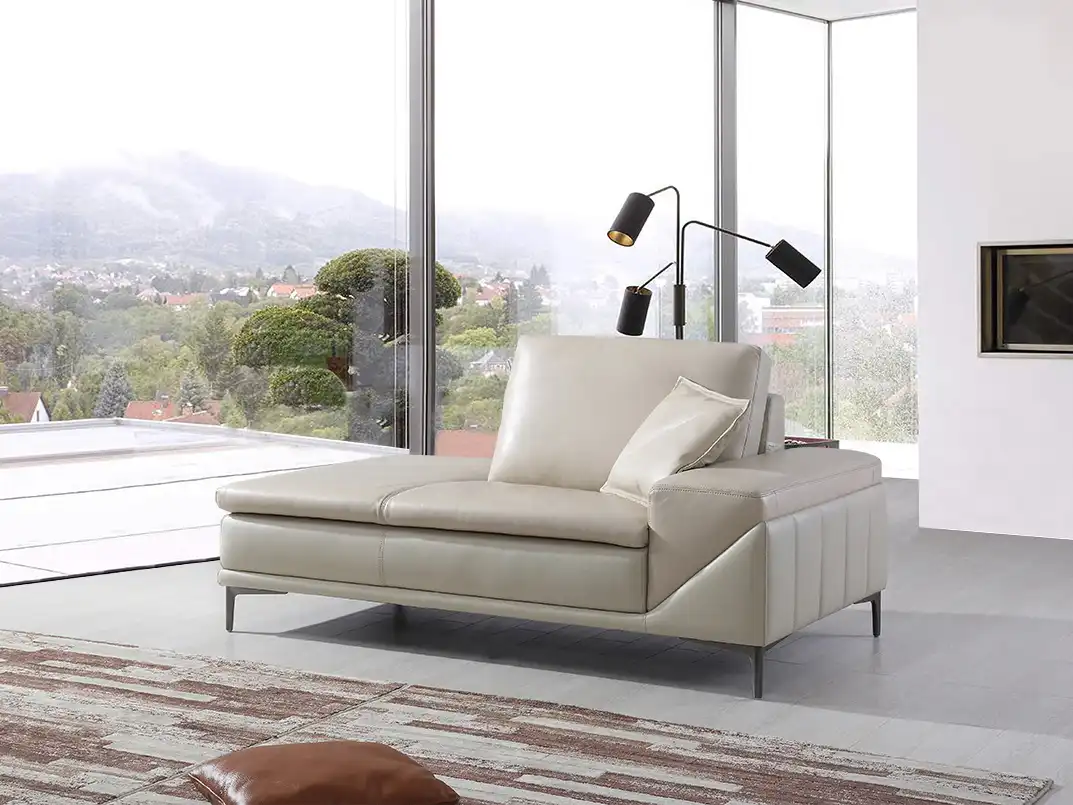
Matching Specifications to Commercial Context
Specification choices should be based on the different performance needs that come up in different business settings. For long work sessions, office sharing rooms need ergonomic comfort. They prioritize medium-firm cushioning and cloth constructions that let air flow so that laptops don't get too hot. Because they are exposed to bag scuffs and food service spills from guests, hotel entrance apps focus on how they look and how well they don't stain. Seating in a retail showroom needs to be both aesthetically pleasing and strong enough to withstand customers trying goods over and over again during business hours.
The size requirements must match the available space and the way traffic flows. Standard lengths for armless white sofas are between 60 and 84 inches, but special sizes can be made to fit specific alcoves or flexible arrangements. A seat depth of 22 to 26 inches works for a wide range of body types while keeping the shape small enough for small spaces. Choosing the right back height affects both comfort and visible weight. Lower profiles around 30 inches keep sightlines clear in open-plan areas, while higher backs around 36 inches offer better spine support for work areas.
Evaluating Material Quality and Certifications
Professionals in procurement should make sure that important requirements are met by foreign standards that are useful to target markets. For hotel uses in North America, products must meet the flammability standards set by TB117-2013. In Europe, projects must meet the requirements of Crib 5. Environmental certifications, such as REACH compliance and low-VOC adhesive specs, meet the needs of sustainable requirements that are becoming more popular in business purchasing policies and green building rating systems.
Ratings of fabric performance give you a way to compare different seating choices in a fair way. Results from Martindale abrasion tests show how long commercial-grade materials should last under friction wear. For modest use, they should last more than 30,000 cycles, and for heavy-traffic areas, they need to last 50,000 cycles or more. Cleaning code letters tell you how to do upkeep. For example, "W" means water-based cleaning and "S" means solvent-based cleaning. Performance fabrics that combine both codes give care teams more options for cleaning a variety of situations.
Assessing Supplier Capabilities and Service Support
When choosing manufacturing partners, you need to look at their production ability, quality control systems, and infrastructure for help after the sale. Suppliers with ISO 9001-certified facilities use organized quality control methods to lower the number of defects and make sure that big orders are always the same. Production capacity verification makes sure that suppliers can meet large orders on time for projects. For example, when a big hotel opens or an office building is finished, dozens or even hundreds of units, such as armless white sofa, need to be delivered quickly, which smaller businesses can't do.
Customization skills show if suppliers can change standard designs to fit the needs of a unique project. By offering OEM and ODM services, sellers of brand-name goods can create their own designs that set their product lines apart, while factory-direct price keeps unit costs low. Prototyping methods and sample lead times show how responsive a seller is during the design development stages. This lets procurement teams check out real samples before committing to full production runs.
Maintenance and Care Tips for White Armless Sofas
Establishing Preventive Maintenance Protocols
Regular care routines for furniture greatly increase its useful life and keep it looking brand new, which is important for business settings. Using upholstery tools to clean regularly gets rid of dust and dirt before it gets woven into the fabric, which stops the rough wear that dulls the surface over time. Facilities teams should vacuum areas with mild traffic once a week, and areas with a lot of traffic, like hotel halls, should be vacuumed twice a week or every day.
Immediate action plans for spills keep short-term spots from turning into lasting discoloration. When training staff, they should be told to blot spills instead of rubbing them in, because rubbing can push dirt deeper into cushion cores. Facilities should have the right cleaning products for each type of furniture, such as pH-neutral water-based cleaners for "W" code materials and special solvent cleaners for "S" codes. Microfiber cloths are good at absorbing liquids without leaving behind lint, which stands out on white surfaces.
Professional Cleaning and Treatment Applications
Professional furniture cleaning once a year or twice a year protects the fabric's integrity more than regular care does. Hot water extraction methods get rid of deep-down dirt and restore the look of fabrics, but mold can't grow inside cushions if they are dried properly. Steam cleaning is good for white clothes because it cleans surfaces without using strong chemicals that could turn clothes yellow over time.
When fabric protection techniques are used during production or after delivery, they create hydrophobic shields that keep liquid spills from getting through and keep the fabric from getting stained. Concerns about the environment can be eased with fluorocarbon-free stain guard formulas that offer Grade 4 stain protection grades. Reapplication usually happens every 12 to 24 months, but it depends on how much traffic there is and how often the floor is cleaned. Professional application ensures even coverage that keeps maker guarantees valid.
Addressing Edge Wear and Structural Maintenance
Because armless designs have ends that are visible, extra care must be taken to keep the fabric from wearing out too quickly. With edge stitching or welt cord support, stress is spread out over a larger area instead of being concentrated at one seam point. Every month, facilities teams should check the edges to see if there are any early signs of seam separation or fabric thinning that mean the furniture needs to be reupholstered by an expert before it causes damage to the structure.
As part of frame maintenance, you have to check the stability of modular connectors and tighten any screws that may become loose over time. Ganging devices that join several units should be checked every three months to make sure the connections are safe and that the units don't come apart and cause trip risks. Glide replacements for couch feet keep the floor from getting damaged and keep the weight evenly distributed to protect the frame's shape.
Popular Styles and Design Ideas Using Armless White Sofas
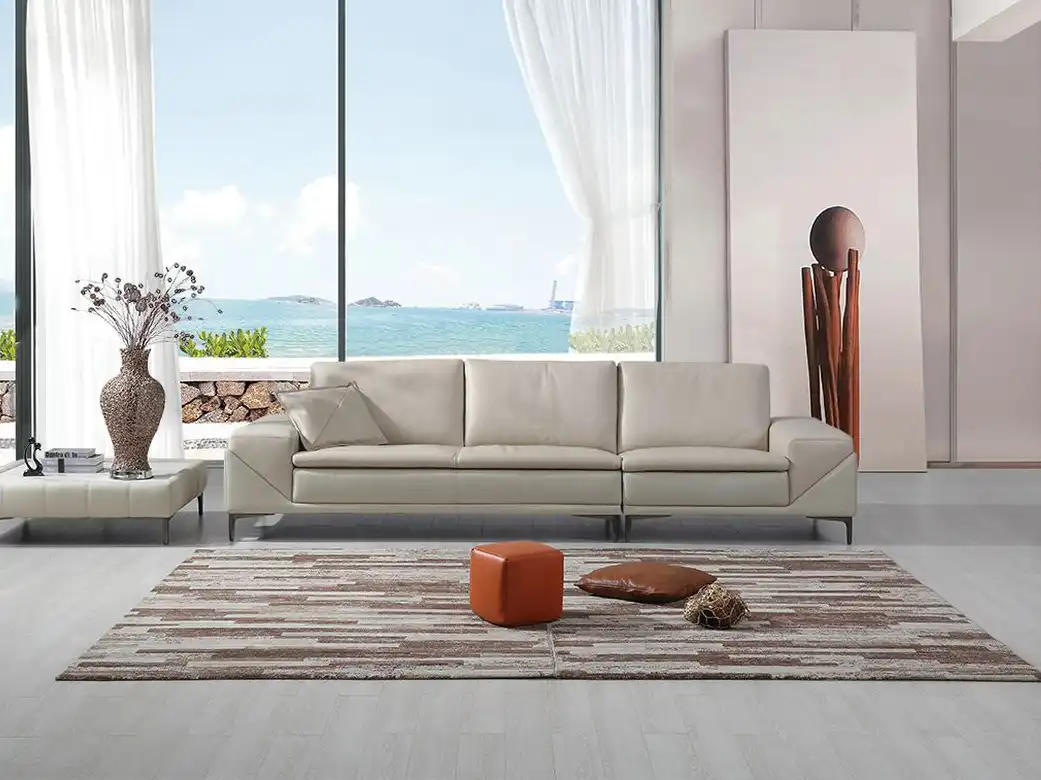
Minimalist Contemporary Aesthetics
Anchor pieces in minimalist design plans that focus on clean lines and clear visual fields are armless white sofas. The straight horizontal line made by armless curves supports the geometric simplicity that is important to modern design. By putting white furniture on dark floors that stand out, you can create strong figure-ground relationships that define space boundaries without having to change the architecture. This method works especially well in the halls of small boutique hotels, where making a big visual impact in a small space is key to keeping guests happy and getting them to interact on social media.
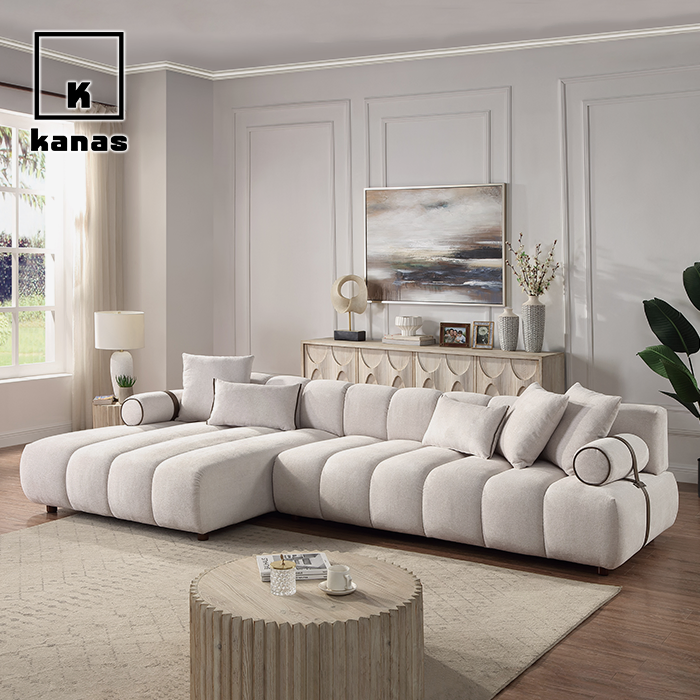
Accent colors can be used as focus points by strategically placing accessories in monochromatic color schemes built around white seats. Throw pillows in jewel tones or shiny finishes add visual interest and make it easy to change up your look for the season without having to buy new furniture. Area rugs in basic colors that go with each other or with small patterns can be used to protect floors in high-traffic areas while also covering up sitting arrangements.
Modular Configurations for Flexible Spaces
Because armless units are flexible by nature, they can be put together in a variety of ways to meet the needs of different programs. The best corporate spaces are set up so that they can go from small groups of people talking to each other during the workday to long rows of people sitting down together for all-hands meetings or events. When three units are set up in a U shape, they create semi-enclosed zones within open plans. These create privacy for sound and sight without putting up fixed walls that would limit future freedom.
Modular flexibility is used in hospitality applications to make the most of regular occupancy trends. During busy times, resorts can add armless center modules to current arrangements to make more lobby seats available. During slow times, they can change the arrangements to keep the right level of density. When you mix and match armless units from the same line, the look is always the same, so the features stay consistent no matter what layout you choose. This is better than mixing and matching furniture from different lines.
Case Applications in Commercial Projects
For their main location, a coworking space in Seattle ordered 42 handmade armless white sofas, allowing for open lounge areas that can be used for both group work and focused laptop sessions. The modular design let them change the plan of their 12,000-square-foot space and the performance fabric choices made sure they would last through 18 months of constant use with an average of 200+ people per day. After they moved in, an evaluation showed that 34% more room was used than in their old location, which had standard armed seats. This proves that armless designs are more efficient.
A small hotel chain that was remodeling hotels all over the Pacific Northwest added armless white sofas to the alcoves in the lobby and corridors. The white furniture went well with their beach style and let in more natural light from the floor-to-ceiling windows, which was a big part of their brand positioning. They kept the furniture looking brand new for a whole year, even though they had a lot of guests, by choosing stain-resistant treatments and following strict maintenance rules. This shows that white upholstery can work well in tough commercial settings if it is properly chosen and cared for.
Purchasing Guide: How to Buy Armless White Sofas Online and Offline?
Evaluating Online Procurement Platforms
Digital B2B platforms give purchasing teams a wide range of products to choose from, and the prices are clear, making it easier to plan budgets and compare prices. Contract furniture platforms collect products from many makers and give buyers a way to compare specs, wait times, and volume prices across suppliers using a single interface. For instance, buyers can easily compare options like armless white sofa along with their specifications and delivery times. Detailed product paperwork, such as CAD files, fabric swatch libraries, and performance test certifications, makes it easier to come up with specifications without having to use actual models during the early stages of selection.
Online shopping for goods and services has benefits like clear prices and faster transactions. Volume discount structures make it clear how much the unit cost drops at different order numbers. This helps procurement managers choose the best order size for the project and their budget. Compared to traditional RFQ processes that involve many emails and manual price comparisons, digital payment systems and standard purchase order handling cut down on administrative work.
Leveraging Showroom Experiences for Physical Evaluation
Even though the digital market is growing, local showrooms and maker representatives still offer useful chances to try things out for yourself. Sitting on real models lets you judge the firmness of the cushion, the way the fabric feels, and the general comfort in ways that specs can't fully describe. Viewing white furniture in different lighting conditions can help you guess how fabrics will look in real-life settings, since neon, LED, and natural lighting all have very different effects on how colors are seen.
Professional design advice, offered in stores, helps buyers make decisions about specifications when they don't have a lot of experience with furniture. Representatives from manufacturers know specifically how a product is made and how well it works, which lets them make suggestions that are well-informed and fit the needs of each application. Having access to full fabric libraries lets you compare several white furniture choices at the same time, showing small differences in undertone and texture that affect how well they look with larger design schemes.
Understanding Delivery Logistics and Customization Timelines
When making purchases, it's important to keep in mind that manufacturing lead times can change depending on the product and the supplier's production timeline. Standardly configured stock things usually ship within two to four weeks, making them useful for projects with tight deadlines. Custom specs like non-standard sizes, cloth choices, or frame finishes usually take eight to twelve weeks from the time the order is confirmed until it is delivered. Prototyping adds to the lead time at the start of the project.
Logistics for freight involves making sure that factories, freight consolidators, and handling facilities at the location all work together. It's important to know if the price includes delivery to the building lobby or inside placement to the end location. This way, you can avoid surprises and timing problems during the installation phases. Large projects might benefit from shipments that happen in stages that line up with building milestones. This way, damage from storage on busy job sites can be avoided, and furniture will be ready when the places are ready to be occupied.
Leveraging Manufacturer Partnerships for Project Success
Building ties with makers that offer full B2B services has benefits that go beyond the economics of a single transaction. When suppliers offer both OEM and ODM services, they can help companies come up with their own designs that set their retail product lines apart or give hotel groups their own unique brand names. With factory-direct partnerships, there are no markups for distributors, and quality control is kept up by talking directly with production teams.
Volume-based price and contract manufacturing deals help buyers who are in charge of multiple properties or who need to restock their stores regularly predict how much things will cost. When you negotiate master service agreements, you set standard terms, prices, and wait times. This makes it easier to make repeat purchases and makes sure that everything is the same across all sites or sales channels. Technical support, such as help with space planning, material specification, and guarantee service organization, adds value beyond the sale of products. It helps projects succeed from the beginning of the creation process to the end of their long-term use.
Conclusion
Armless white sofas are smart pieces of furniture for business settings that need to make the best use of space and allow for easy viewing. Getting rid of handles makes it possible to fit more people into smaller spaces, and white furniture reflects light to make rooms look bigger. To make a good design, you have to balance things like how something looks with how long it will last, how much upkeep it needs, and how comfortable the user needs to be in each situation. When procurement workers know about frame building standards, fabric performance ratings, and suppliers' skills, they can choose goods that will last for a long time and provide reliable performance and a nice look. Armless white sofas are versatile and stylish, and they can be used to decorate boutique hotels, corporate offices, or retail spaces. They also help to save valuable square footage in business real estate markets that are becoming more and more space-constrained.
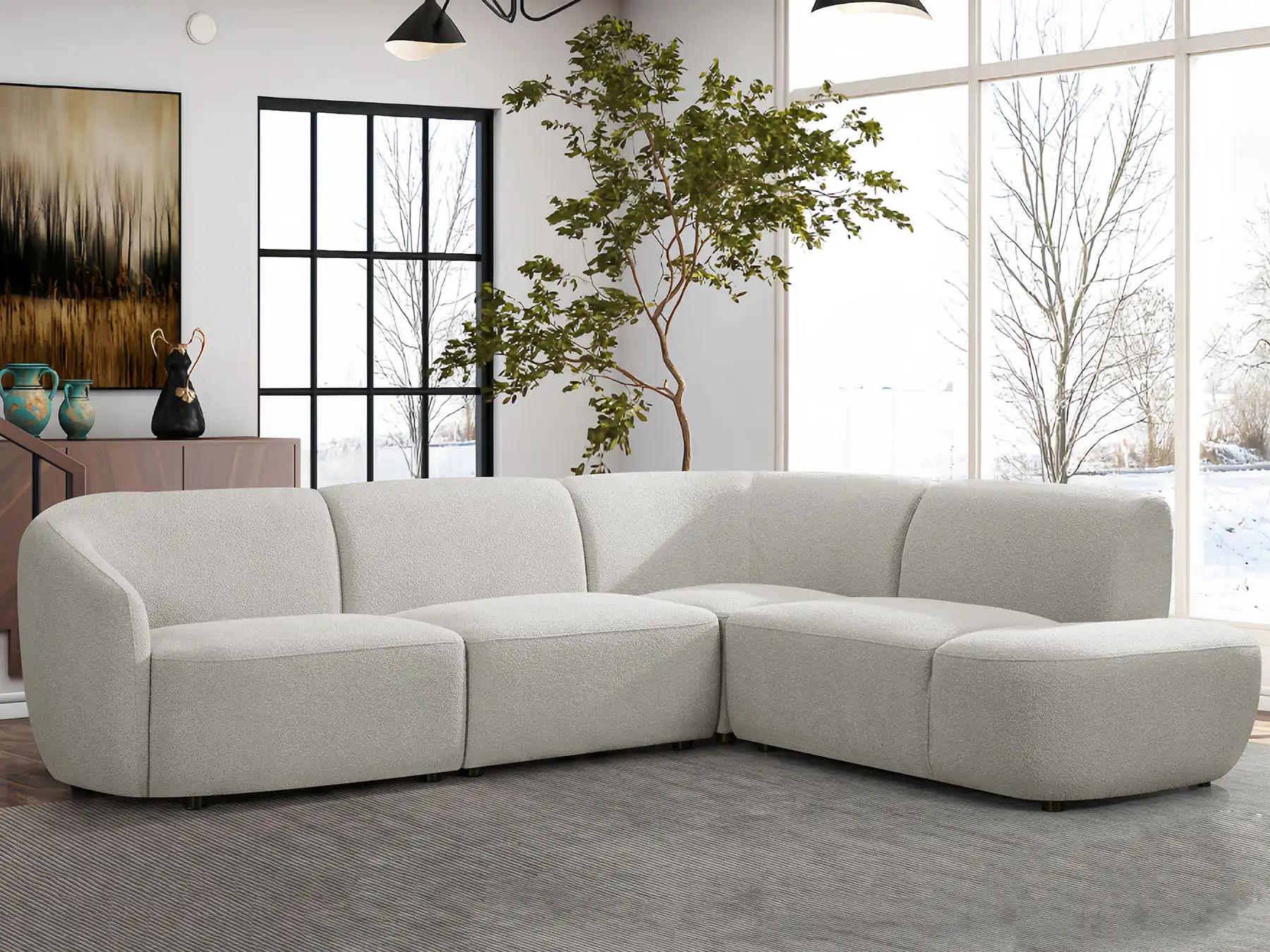
Partner with Kanas for Premium Armless White Sofa Solutions
Kanas Furniture has been making specialized furniture for over four years and sells it in North America. We do this from our 40,000-square-meter factory in Foshan, China, which is known as the center of furniture manufacturing. Our armless white sofa collections are made with commercial-grade materials and designs that make the best use of space. They are used by procurement professionals to furnish hotels, business offices, and retail spaces. As an established armless white sofa supplier to major retailers including Walmart and Costco, we understand the performance standards and delivery reliability your projects demand.
Our OEM and ODM services let you make products that are exactly the right size, shape, material, and look for you. They are backed by ISO 9001-certified quality systems that make sure that even when we make a lot of them, the quality will be the same. Contact our technical sales team at sc@kanasfurniture.com to discuss your upcoming projects and receive detailed specifications, material samples, and competitive volume pricing that optimizes your procurement budget while meeting international quality standards.
References
1. American Society of Interior Designers. (2021). Furniture Specification for Commercial Interiors: Standards and Best Practices. ASID Educational Foundation Press.
2. Karmel, R. and Stephenson, L. (2020). Space Planning Fundamentals for Hospitality Design. John Wiley & Sons, Fourth Edition.
3. Business and Institutional Furniture Manufacturers Association. (2019). ANSI/BIFMA X5.4-2019: Lounge and Public Seating Testing Standard. BIFMA Technical Publications.
4. Winchip, S.M. (2018). Sustainable Design for Interior Environments: Second Edition. Fairchild Books, Bloomsbury Publishing.
5. National Fire Protection Association. (2018). NFPA 701: Standard Methods of Fire Tests for Flame Propagation of Textiles and Films. NFPA Standards Council.
6. Miller, J.A. and Portillo, M. (2022). Contract Furniture Procurement: A Strategic Guide for Design Professionals. Routledge Interior Design Series.
Learn about our latest products and discounts through SMS or email