- English
- French
- German
- Portuguese
- Spanish
- Russian
- Japanese
- Korean
- Arabic
- Greek
- German
- Turkish
- Italian
- Danish
- Romanian
- Indonesian
- Czech
- Afrikaans
- Swedish
- Polish
- Basque
- Catalan
- Esperanto
- Hindi
- Lao
- Albanian
- Amharic
- Armenian
- Azerbaijani
- Belarusian
- Bengali
- Bosnian
- Bulgarian
- Cebuano
- Chichewa
- Corsican
- Croatian
- Dutch
- Estonian
- Filipino
- Finnish
- Frisian
- Galician
- Georgian
- Gujarati
- Haitian
- Hausa
- Hawaiian
- Hebrew
- Hmong
- Hungarian
- Icelandic
- Igbo
- Javanese
- Kannada
- Kazakh
- Khmer
- Kurdish
- Kyrgyz
- Latin
- Latvian
- Lithuanian
- Luxembou..
- Macedonian
- Malagasy
- Malay
- Malayalam
- Maltese
- Maori
- Marathi
- Mongolian
- Burmese
- Nepali
- Norwegian
- Pashto
- Persian
- Punjabi
- Serbian
- Sesotho
- Sinhala
- Slovak
- Slovenian
- Somali
- Samoan
- Scots Gaelic
- Shona
- Sindhi
- Sundanese
- Swahili
- Tajik
- Tamil
- Telugu
- Thai
- Ukrainian
- Urdu
- Uzbek
- Vietnamese
- Welsh
- Xhosa
- Yiddish
- Yoruba
- Zulu
Best Armless Sofas Perfect For Family Room
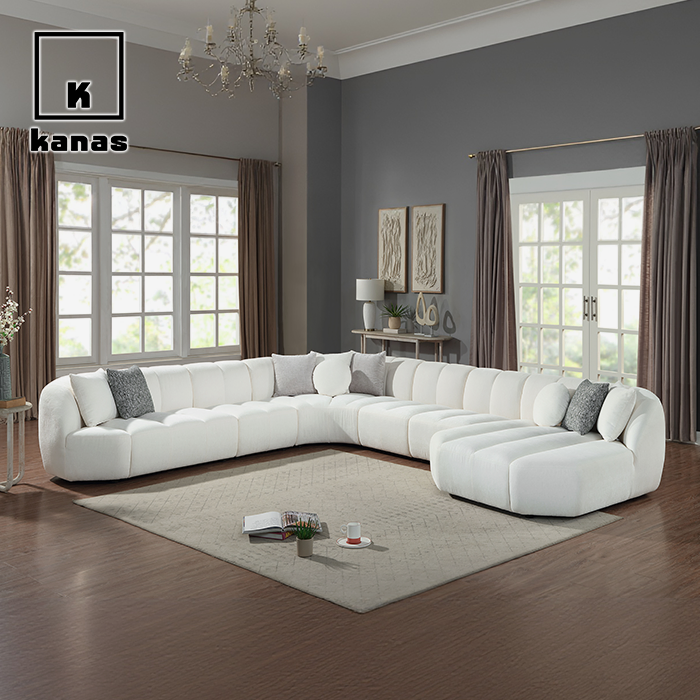
Whether it's at work or at home, the armless white sofa is always the clear winner when people talk about the best armless chairs for family rooms. There are no side arms on these sleek sitting units, which makes them look open and friendly. They also keep the look light and make the most of the space they have. The white cloth bounces light around, making family rooms look bigger and cozier. This is great for hotel lobbies, high-end apartments, and fresh office lounges. And these chairs look good. They're also flexible, which means that buying teams can arrange them in various ways to suit various room sizes and high-traffic areas.
Understanding Armless White Sofas: Features and Benefits
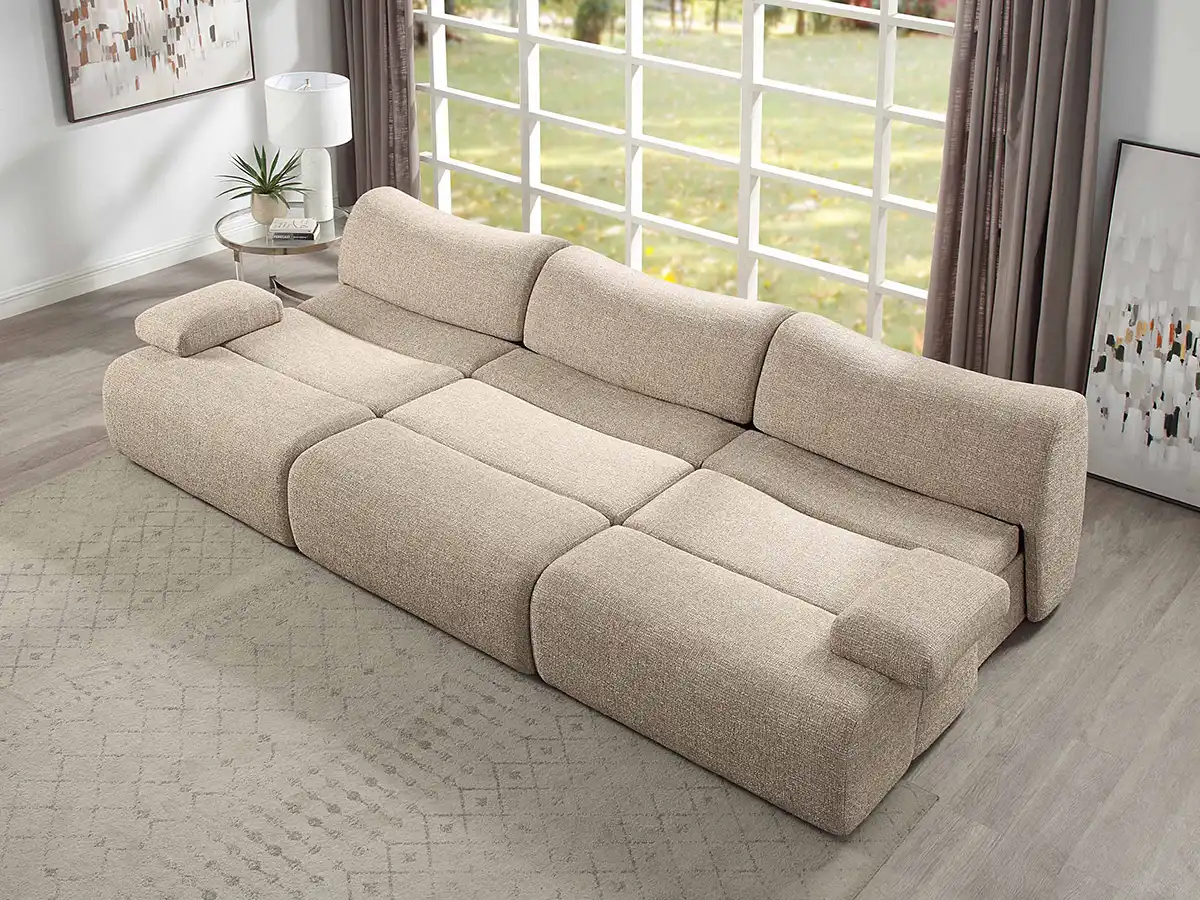
What Defines an Armless White Sofa?
The high-albedo cloth and lack of side supports on an armless white sofa set it apart from other simple pieces of furniture for sitting. Once the arms are taken away, the sitting surface area per square foot goes up by about 15 to 20 percent. This is a straight answer to the problem of cities not having enough room. Up to 80% of the light in the room is reflected by the pure white, ivory, cream, and marble finishes. This opens up the furniture and makes it look lighter.
Most of the time, these chairs can be used as flexible middle pieces or as separate slipper-style units. Because they are thin, they are easy to reach from all sides. This makes them great for businesses that need to keep traffic moving smoothly. The arms on a traditional chesterfield or tuxedo sofa are very strong. Armless designs, on the other hand, are easier to arrange in sections, so buyers can add more seats without any issues with the structure.
Key Advantages for Commercial Applications
For business-to-business clients, armless white sofas are useful for more than just their looks. One big plus is that it saves room. Getting rid of armrests can save 6 to 12 inches of horizontal space per unit, which is very useful when setting up small hotel rooms, boutique office bars, or reception areas that can be used for different things. Because it's open-ended, it's also easy to move around. Depending on the project, interior designers can make talk areas that flow into each other or sitting walls that run along a wall.
When it comes to maintenance, not having arms makes it easy to clean. Commercial-grade ones usually have processes that make them stain-proof and performance fabrics with a tight weave that keep liquids from passing through. It needs extra care, but white surfaces show dirt more clearly than darker ones, so you can clean them before they get permanently stained. Buyers in the business world like this level of clarity because it makes changing fabric less expensive over time.
It can also fit different tastes, which is a big plus. Because white is a neutral base color that goes with almost any color scheme, these chairs are great for places like galleries, store showrooms, and branding areas where furniture shouldn't get in the way of the art or goods. High-end customers in the home and entertainment sectors will like the modern, clean shape because it fits in with current design trends toward Scandinavian minimalism and modern luxury.
Potential Considerations in Commercial Contexts
There are some good things about armless white sofas, but they also have some problems that buying teams need to fix. When it comes to comfort, some people feel more at ease and protected when they use horizontal support instead of armed support. For a wide range of comfort levels, projects that cater to older people or people who will be staying for a long time may need to mix armless pieces with regular chairs.
We need to take a close look at the metrics for longevity. While arms help stop horizontal racking, strong corner blocks, spring edge wire systems, and lower center-of-gravity engineering in good armless chairs make up for it. People who want to buy these units should make sure that they can hold at least 300 pounds and meet the ANSI/BIFMA X5.4 standards for bar chairs. It's very important how the frame is put together. Frames made of kiln-dried hardwood with mortise-and-tenon joints last longer than frames made of softwood or stapled together.
White furniture needs to be made of certain materials so that it doesn't turn yellow, lose its color, or show signs of wear. Acrylics or polyester mixes that have been solution-dyed and have UV filters added to them keep their color even when they are in direct sunlight. Tight micro-chenille or silk weaves keep dirt out better than open linen weaves. Commercial buyers in North America should look for fabrics that don't crock when they're wet or dry, and they should also make sure that they meet TB117-2013 fire safety standards.
Comparing Armless White Sofas with Other Sofa Types for Procurement Decisions
Design Distinctions and Spatial Efficiency
Standard white sofas with arms or sectional plans are different from armless white sofas in how much space they take up. An average three-seater sofa with rolled or track arms takes up 72 to 84 inches of wall space. A similar sofa without arms, on the other hand, only takes up 68 to 75 inches. With an 8–12% smaller size, buying teams can set up more seats in the same amount of space. This directly affects the number of people who use waiting rooms and business bars.
Sectional couches can be put together in a number of different ways, just like armless units. However, the joined arm parts give them more visible weight. When you buy a sectional, the armless center sections give you more space to move around. They also keep your family room from looking too crowded with full-armed sectionals. That difference in style is very important in open-plan offices where furniture needs to split areas without adding walls. Designs without arms make it easier to see and move around while still defining where people can sit.
Aesthetic impact varies significantly across sofa types. Traditional chairs with arms look stable and classy, which makes them perfect for executive offices or old-fashioned hotel rooms. When people know what certain design elements mean, they can choose furniture that fits the brand's style and the needs of their target audience. For example, modern white chairs without arms look classy and flexible, and they look great in boutique hotels, modern corporate campuses, and high-end housing projects for millennials and Gen Z.
Comfort Levels and Functional Suitability
When you judge comfort, you look at things like how long the item will be used and who will be using it. People naturally lean against the side supports of traditional armed chairs, which makes them feel safe and great for long periods of rest. In places where people have to wait for more than 30 minutes, this cage effect works well. People only stay in places like hotel lobbys, office break rooms, and store rest areas for 10 to 20 minutes at a time, so white chairs without arms work great there.
Some armless chairs don't support your back as well as others, but good ones with nice back cushions and the right seat width (usually 22 to 24 inches for work use) make up for it. With an ILD value of 30-35 and a density rate of 2.5 lbs/ft³, high-resiliency foam stops the "puddling" effect. This is when seat pillows lose their shape and show folds, which are easiest to see on white furniture.
Functional value also includes being easy for people to use. Furniture without arms makes it easier for people who have trouble moving from one sofa to another. When building a hotel for older people or having to follow ADA rules, this is an important feature to have. Since it's open-ended, people can come at it from any direction and leave without having to go around arm hurdles. When it's busy at a business, this helps traffic move more quickly.
Material Considerations: Fabric Versus Leather
The type of material has a big impact on how much maintenance is needed, how long something lasts, and how much it costs to own everything. All of these things are important to think about when buying something. For armless white sofas, fabrics are the best choice because they let air flow, are treated to resist spots, and are cheap to buy in bulk. Fabrics made of polyester, acrylic, or mixes of these three are better at keeping out water and dye transfer than fabrics made of natural fibers like linen or cotton. People who buy fabrics for businesses should look for ones that have been tried and rated for 30,000+ double rubs (Wyzenbeek test). This means that the fabric will last in places where people walk around a lot.
You can choose high-end leather furniture, but it has some pros and cons. Many people who buy business furniture like the way that full-grain or top-grain leather gets shinier over time. This makes the area feel warm and lived-in. White leather needs extra care, like being oiled often to keep it from cracking and quickly wiping up any spills. The material is naturally porous, so it can soak up dye from jeans and other colored clothes. Before you touch your clothes in a co-working space or a family room in an apartment building, you should think about this.
Cleaning requirements differ substantially between materials. Most fabric chairs have cleaning codes that begin with "W," which means "water-based cleaner," or "W/S," which means "water or solvent." For regular cleaning, light soaps can be used. To stay soft, leather needs to be cleaned regularly with cleaners that have the right pH level. Teams in charge of buying things often choose performance fabrics because they are cheaper and easier to keep up over time. Leather, on the other hand, may be worth the higher initial cost in high-end hotel projects because of how high-class it looks and feels.
Procurement Guide: How to Select and Purchase the Best Armless White Sofas?
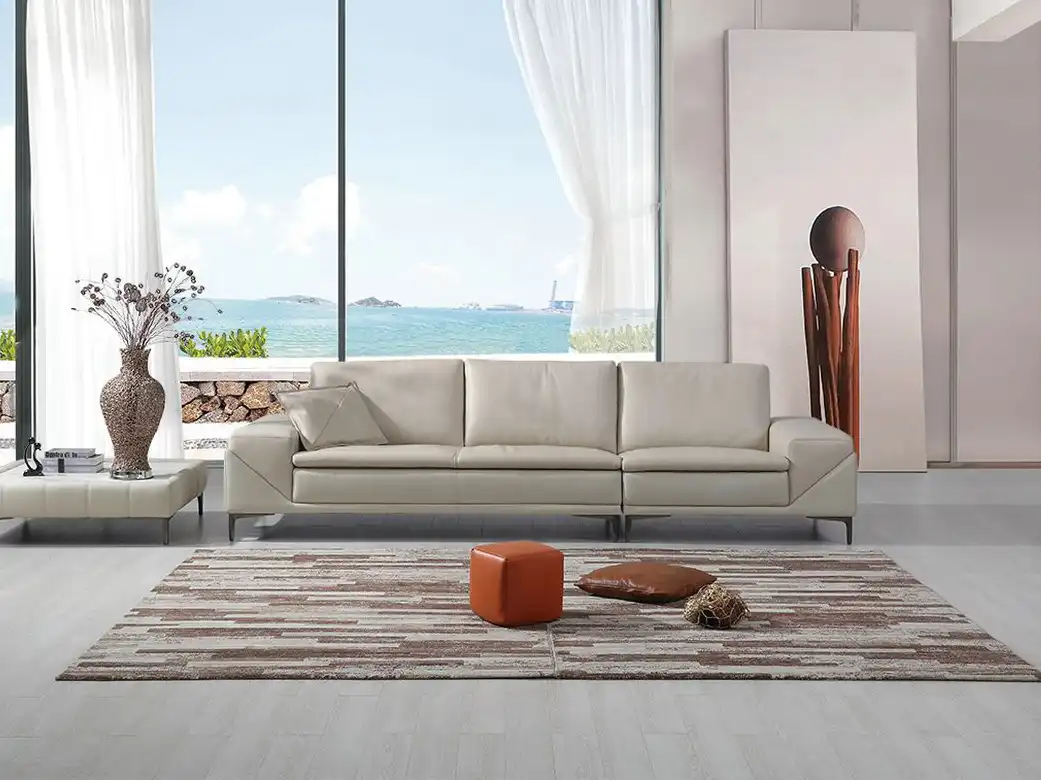
Quality Assessment and Certification Requirements
The first step to smart buying is to set reasonable quality standards for the armless white sofa that go beyond personal taste. To find a good frame, look for maple, oak, or birch frames that have been kiln-dried and are at least 1.25 inches thick on load-bearing parts. Mortise-and-tenon or dowel-reinforced links should be used instead of screws or nails, which come away over time. Ask the company that made the frame to show proof that the guarantee covers at least 10 years of business use.
The stain-resistance and colorfastness grades of upholstery materials need to be checked. Fabrics from reliable businesses have Wyzenbeek wear scores (at least 30,000 double rubs), light-fastness grades (at least Grade 4), and wet/dry crocking resistance grades (at least Grade 4-5). If you use white clothes in a business setting, these measures will tell you how well they keep their look. High-resiliency foam that meets or beats CertiPUR-US standards should be used to fill the cushion. This will make sure that the foam doesn't have formaldehyde in it and that it stays stiff over time.
Different markets have different certification requirements. In general, ISO 9001 is used to manage quality in production, TB117-2013 or Cal TB 133 is used for fire safety in North America, and REACH is used in places in the European Union. When getting furniture for hospitality projects, people should make sure it meets the standards for business furniture in their area. Certifications for furniture made for homes might not meet building rules for businesses. Requesting paperwork from a third party that tests the work protects procurement teams from dishonest providers and makes sure that the project specs are followed.
Evaluating Supplier Reputation and Sourcing Options
When you're judging a seller, you should look at how well they can produce, control quality, and help customers. There are measurable signs that an established company like Kanas Furniture is operationally mature. For example, a production center that's 40,000㎡ shows that the business can handle big orders, and partnerships with big shops like Walmart and Costco show that their quality control meets high standards around the world. It usually takes 45 to 60 days to fill an order for regular configurations and 75 to 90 days for special configurations. Teams that buy things should ask about these times.
It is smart to choose between companies in the same country and those in other countries based on geography. China's Foshan has become a world center for furniture making. Prices are low because of economies of scale and the way the supply chain works. Chinese companies can make the same quality goods for 20–35% less than North American or European companies. This is a big deal for sellers who need to find a good mix between low market prices and high profit margins. Buyers must, however, think about longer shipping times (30–45 days for ocean freight) and possible tax effects when they figure out how much it will cost to land.
The risks in the supply chain are smaller when there are different ways to buy things. Making connections with both major sellers of large amounts and secondary backup sources is a good way to keep running. Buyers who are making their own furniture lines can benefit the most from OEM and ODM powers. This is because manufacturers who offer design customization services can help brands stand out while still using the production skills they already have. When looking for a business partner, it's better to get models that are more like the end product than prototypes that are only meant to look good. People who buy in bulk will be able to see what level of regularity they can expect.
Pricing Strategies and Custom Order Processes
If you want to get a better deal on prices, you need to know more than just the unit price. FOB prices are just the starting point; they don't cover shipping costs, customs fees, or delivery to the end destination. The CIF price makes it easier to see the total landing cost, but it can make it harder to see the different parts of the cost. Price changes based on volume normally happen at 50, 100, and 500 units, with 8 to 15% off at each level. Purchasing teams that are in charge of more than one building or shop should join orders to get the most out of these economies of scale.
Another thing to think about when you're making a custom order is the lead time and the minimum order quantity (MOQ). For standard stock items, the MOQ may be 20 to 30 units. But for custom fabric choices or size changes, the MOQ is usually 50 to 100 units to cover the costs of setting up the production line. Normal shipping times are pushed back by two to four weeks to account for the time it takes to approve samples and finalize specs. Suppliers with a lot of experience give buyers detailed production plans that include checks at key points like finishing the frame, putting on the fabric, inspecting for quality, and getting ready for shipping. This lets buyers make sure that shipping times fit in with the due dates for their projects.
Terms of payment play a big role in keeping track of cash flow. When the order is confirmed, you normally have to pay 30%. Then, you pay 60% when the production is done, which is usually confirmed with photos or videos. Finally, you pay 10% when the delivery is confirmed. Long-term buyers and sellers may be able to agree to longer net terms (NET 30 or NET 60) if the buyer can show that they can be trusted to pay for more than one order. You and the other party are covered by letters of credit for large original orders, but banks charge 0.5% to 1.5% of the transaction value as fees. Before the deal is made, be clear about what the promise covers. This will help you avoid future arguments. If you use the furniture in a business setting, the full warranty should cover frame stability for at least 10 years, cushion sturdiness for at least 5 years, and upholstery technique for at least 2 years.
Logistics and After-Sales Support
How orders are made and how quickly they arrive have a direct effect on how quickly projects are finished and how happy clients are. Ocean freight is still the most common way to send furniture across international lines because it is the cheapest and fastest way to get there. It is important to make the most of the room inside a package. A normal 40-foot high-cube container can hold 180 to 220 three-seat chairs without arms, but owners should make sure by calling freight forwarders. Delivery is faster with air freight, which takes 5–7 days, but it costs 300–500% more per unit, so it should only be used for samples or projects with tight deadlines.
Dealers in customs, freight forwarders, and final transport services all need to work together for location handling to work. Companies like Kanas Furniture that have been in business for a long time usually keep in touch with reliable shipping companies that know how to ship furniture without damaging it. Buyers should know exactly who is in charge of what: who clears customs, who plans delivery within the country, and, if necessary, who does the final installation or assembly. By setting these rules before an order is approved, you can avoid delays that cost a lot of money and blame-shifting when things go wrong.
Customer service after the sale is what makes great sellers different from transactional ones. Full support includes quick technical help for questions about assembly, warranty claim processes that don't require sending broken items back to the country where they were bought (often done by taking pictures and sending replacement parts), and alerts about changes in the status of production. If a buyer and a seller get along well, the supplier may tell the buyer about new goods, materials, or market trends that could be useful for future projects. If you're looking for a supplier, ask current clients in similar fields for suggestions. Make sure the clients are happy with both the quality of the goods and how quickly they can get help.
Styling and Maintenance Tips for Armless White Sofas in Family Rooms
Strategic Color Coordination and Accessory Selection
Your family room will look better with armless white sofas if you pick colors that go well with their gray bases. The 60-30-10 rule is something that professional interior designers often use. It says that the white sofa should take up 60% of the room's visual weight. Area rugs or window treatments should take up 30% of the space's visual weight, and throw pillows or other artistic items should take up 10%. This size keeps the modern look of the white sofa without making it look too stark or fake.
When you use more than one layer, you can give things more depth than you could with just color matching. If you have smooth white furniture in a room, adding woven jute rugs, thick knit throw blankets, or brushed metal side tables will give the room depth and interest that your whole body can feel. This style works well in public places like the halls of small hotels. The different textures look good in marketing pictures and give the minimalist style some depth, which keeps it from feeling cold or unwelcoming.
If you want to buy an accent pillow, you should really think about how well the color will stay on white surfaces. Procurement teams should look for pillows made of colorfast fabrics that have been tried to make sure they won't crockle. Deep blues and bright reds tend to spread color, so they should stay away from those. Pillows on a three-seat sofa are usually placed in three to five different ways. This makes it more comfy and interesting to look at without taking away from the clean lines that make armless designs appealing. Hotel sites can change their look without buying new main pieces of furniture by switching out blankets with the seasons. This makes the best use of their assets.
Maintenance Protocols for Fabric and Material Longevity
If you take good care of armless white sofas that you use for work, they can last a lot longer. For example, sweeping with upholstery tools once a week to get rid of top dust and spot treating high-traffic areas every two weeks will keep dirt from building up and getting deep into the fabric fibers. Based on how much traffic there is, having the carpet professionally steam cleaned every 6 to 12 months will make it look brand new again and get rid of dirt and grime that a normal brush can't reach.
The ways that stains respond should be the same on all properties so that the effects are the same. Spills won't soak into the fabric backing as much if you blot them up right away with white absorbent cloths and don't rub them. For water-based stains, mild soap solutions work. For oil-based stains, you need solvent-based cleaners that are right for the fabric's cleaning code. These steps can help keep building staff from reacting out of fear, which can make spot damage worse. This keeps the big investment that getting a lot of furniture is.
Protective treatments give things extra layers of defense, so you might want to think about them when you buy something or fix it regularly. Fabric guards made for professionals make hydrophobic covers that keep liquids from soaking in. You'll have plenty of time to get rid of spots before they set. People who buy treatments should make sure that they don't change the way clothes feel or leave a stain that can be seen on white surfaces. The treatments should also be reapplied every 12 to 18 months. These treatments usually cost an extra $15 to $25 per sofa, but they save a lot of money because they keep the sofa's look and cut down on how often it needs to be replaced.
Long-Term Care Routines for Commercial Environments
Aside from immediate repairs, places of a business that get a lot of foot traffic need to be monitored to make sure they keep working well. Every three months, you should check the frame for damage, the cushion for strength, and the fabric for wear patterns. If you notice early on that joints are becoming loose or pillows are sinking, you can fix them before they break completely. You can keep making money this way even when the furniture isn't being used for a long time. It's faster to get to know local furniture workers who can fix broken items on the spot than to send them back to the maker. This is especially important in hotels and other places where the furniture in question has a direct effect on how guests feel.
Rotation strategies have many pieces of furniture wear out over time instead of just a few places that get a lot of use. In homes with more than one sitting area, armless white sofas should be moved from the main seating area to the secondary seating area every six to twelve months, just like flat tires. Making this habit makes sure that all the furniture gets the same amount of sun, use, and cleaning. The furniture will last longer and friends or clients won't be able to tell the difference in quality.
Documentation methods help you keep track of your assets over time and choose which ones to replace. You can use data to find the best sources, materials, or setups for life by keeping track of when things were bought, cleaned, fixed, and how they worked over time. Using this method based on facts, buying furniture is no longer about personal taste, but about carefully handling assets. Cost-per-use estimates or depreciation schedules that show real lifespans instead of guesses can help procurement teams show how valuable they are.
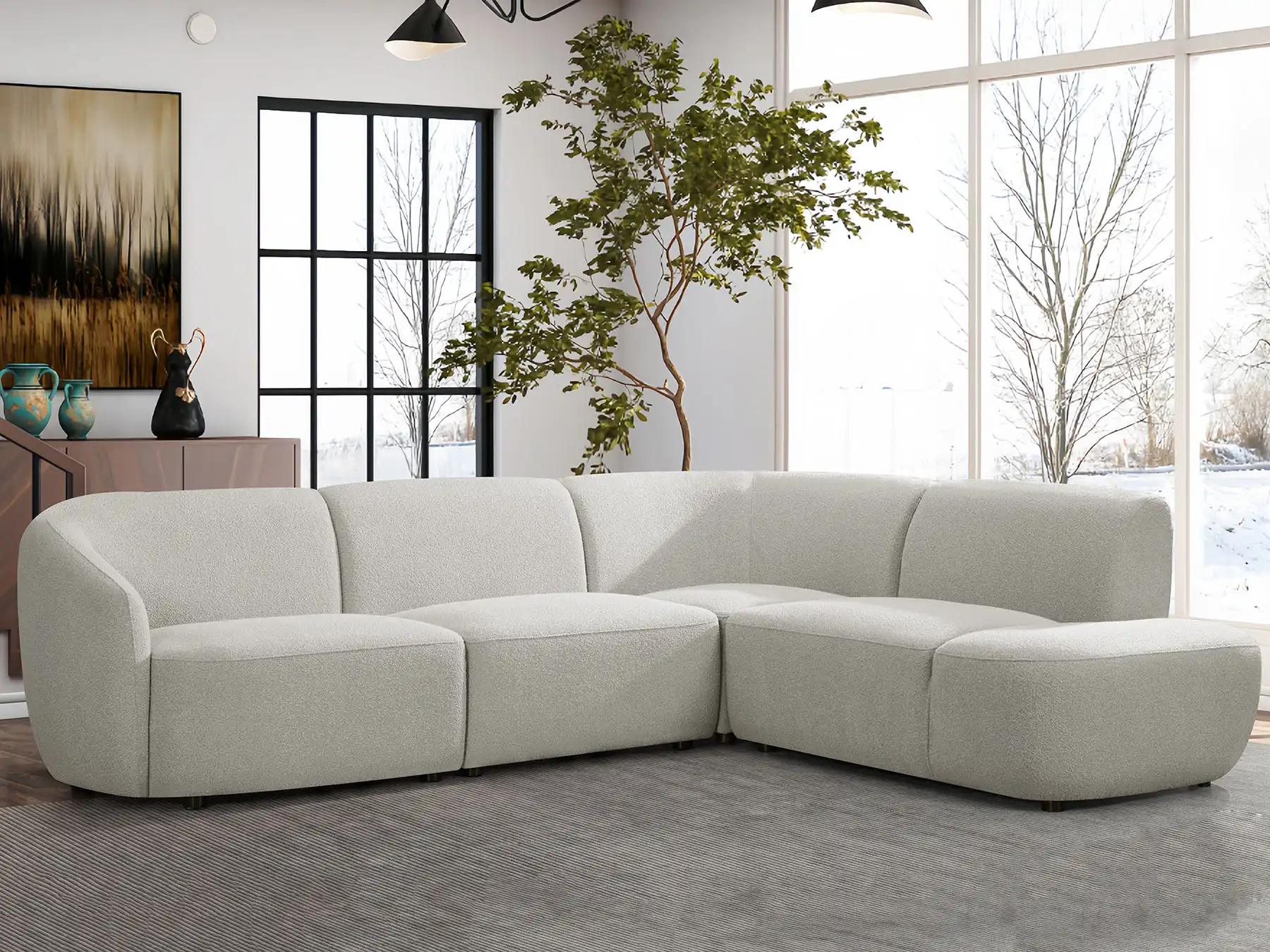
Conclusion
You should think about how much space you have, the material you want, and the supplier's skills when you're looking for the best armless white sofa for family rooms. People have found the armless white sofa helpful in both homes and businesses because it saves room, looks good in many settings, and is easy to clean. You need to find a mix between short-term cost worries and long-term performance goals if you want to be good at buying. You should also pick suppliers who can consistently make good products and give great customer service. A buyer can be sure they are getting high-quality furniture that will add value to their home and meet the needs of people in the hospitality, corporate, and residential sectors by following the frameworks outlined in this guide: objective quality assessment, strategic supplier evaluation, and use-case-specific specification.
FAQ
Q1: What practical advantages do armless white sofas offer over traditional armed models?
A: Armless white sofas provide 15-20% greater space efficiency by eliminating side structures that consume valuable square footage. The open-ended design facilitates 360-degree accessibility, improving traffic flow in commercial lobbies and family rooms. White upholstery reflects ambient light, creating visual spaciousness particularly valuable in compact urban environments or spaces with limited natural light.
Q2: How should facilities maintain white fabric in high-traffic commercial contexts?
A: Preventative maintenance begins with weekly vacuuming using upholstery attachments to remove surface debris before it embeds into fibers. Immediate blotting of spills with white absorbent cloths prevents stain penetration, while professional steam cleaning every 6-12 months addresses deeper contaminants. Specifying performance fabrics with Grade 4-5 crocking resistance and applying professional fabric protectors creates hydrophobic barriers that provide crucial reaction time.
Q3: Are custom sizing and specifications available from major suppliers?
A: Reputable manufacturers offer extensive customization including dimensional modifications, fabric selection from curated collections, and leg style variations. Custom orders typically require minimum order quantities of 50-100 units to justify production setup costs, with lead times extending 2-4 weeks beyond standard catalog items for design development and sample approval. Suppliers like Kanas Furniture provide OEM and ODM services enabling brand-specific customization while leveraging established production expertise, making custom development accessible even for buyers without in-house manufacturing capabilities.
Q4: What delivery timelines should buyers expect for bulk orders?
A: Standard catalog items from established manufacturers typically require 45-60 days from order confirmation to delivery, encompassing production (25-30 days), quality inspection (3-5 days), and international ocean freight (20-30 days for major North American or European ports). Custom specifications add 2-4 weeks for design finalization and sample approval. Buyers should factor additional time for customs clearance and inland transportation to final destinations. Air freight accelerates delivery to 5-7 days but increases per-unit costs by 300-500%, justifying this option only for urgent project deadlines.
Q5: How do buyers verify compliance with international quality and safety standards?
A: Request third-party testing documentation verifying specific certifications relevant to your target market—TB117-2013 or Cal TB 133 for North American fire safety, REACH compliance for European Union markets, and ISO 9001 for manufacturing quality management. Reputable suppliers provide detailed fabric specifications including Wyzenbeek abrasion scores (minimum 30,000 double rubs for commercial applications) and CertiPUR-US foam certifications.
Q6: What price ranges should procurement teams budget for quality armless white sofas?
A: Commercial-grade armless white sofas typically range from $400-800 per three-seat unit when ordering in bulk quantities (50+ units), with pricing influenced by frame materials, fabric quality, and customization level. Volume discounts activate at 50-unit, 100-unit, and 500-unit thresholds, offering 8-15% reductions at each tier. Total landed costs must include international shipping ($45-75 per unit via ocean freight), customs duties (varies by origin and destination), and destination delivery services.
Partner with Kanas Furniture for Your Armless White Sofa Procurement Needs
Kanas Furniture delivers comprehensive armless white sofa solutions tailored specifically for B2B procurement professionals seeking reliable quality and competitive pricing. Our 40,000㎡ Foshan production facility combines advanced manufacturing technology with skilled craftsmanship, producing commercial-grade seating that meets stringent international standards including ISO 9001, TB117-2013, and REACH certifications. As a trusted armless white sofa supplier to major retailers including Costco and Walmart, we understand the critical importance of consistent quality, predictable delivery timelines, and responsive customer support throughout bulk order fulfillment.
Our OEM and ODM capabilities enable complete customization—from dimensional modifications and fabric selection to proprietary design development that differentiates your furniture portfolio in competitive markets. Whether you're furnishing boutique hotels across North America, replenishing retail inventory for European markets, or developing custom residential furniture lines, our experienced team provides expert guidance from initial specification through final delivery. Contact our procurement specialists at sc@kanasfurniture.com to access our comprehensive catalog and discuss how our armless white sofa manufacturer expertise can elevate your next project while optimizing your total cost of ownership.
References
1. Smith, J. & Anderson, K. (2022). Commercial Furniture Specification Guide: Durability Standards and Performance Metrics. Interior Design Publishers Association.
2. Chen, L. (2023). "Space Optimization in Modern Hospitality Design: The Role of Modular Seating Systems." Journal of Commercial Interior Architecture, 15(3), 78-94.
3. Roberts, M. (2021). Textile Performance in Contract Furnishings: Testing Standards and Selection Criteria. Furniture Industry Research Association.
4. Williams, P. & Thompson, R. (2023). "Total Cost of Ownership Analysis for Commercial Furniture Procurement." Facility Management Quarterly, 41(2), 112-128.
5. European Furniture Manufacturers Federation (2022). Quality Certifications and Compliance Standards for International Furniture Trade. EFMF Technical Publications.
6. Garcia, S. (2023). Sustainable Procurement Strategies in the Global Furniture Supply Chain. Business Publications International.
Learn about our latest products and discounts through SMS or email