- English
- French
- German
- Portuguese
- Spanish
- Russian
- Japanese
- Korean
- Arabic
- Greek
- German
- Turkish
- Italian
- Danish
- Romanian
- Indonesian
- Czech
- Afrikaans
- Swedish
- Polish
- Basque
- Catalan
- Esperanto
- Hindi
- Lao
- Albanian
- Amharic
- Armenian
- Azerbaijani
- Belarusian
- Bengali
- Bosnian
- Bulgarian
- Cebuano
- Chichewa
- Corsican
- Croatian
- Dutch
- Estonian
- Filipino
- Finnish
- Frisian
- Galician
- Georgian
- Gujarati
- Haitian
- Hausa
- Hawaiian
- Hebrew
- Hmong
- Hungarian
- Icelandic
- Igbo
- Javanese
- Kannada
- Kazakh
- Khmer
- Kurdish
- Kyrgyz
- Latin
- Latvian
- Lithuanian
- Luxembou..
- Macedonian
- Malagasy
- Malay
- Malayalam
- Maltese
- Maori
- Marathi
- Mongolian
- Burmese
- Nepali
- Norwegian
- Pashto
- Persian
- Punjabi
- Serbian
- Sesotho
- Sinhala
- Slovak
- Slovenian
- Somali
- Samoan
- Scots Gaelic
- Shona
- Sindhi
- Sundanese
- Swahili
- Tajik
- Tamil
- Telugu
- Thai
- Ukrainian
- Urdu
- Uzbek
- Vietnamese
- Welsh
- Xhosa
- Yiddish
- Yoruba
- Zulu
How to Choose a 3-seater sofa
When picking a 3-seater sofa for a business or home project, it's not enough to just look at it; you need to think about how it will fit in the space, how long the materials will last, and how the end user will feel. When looking at different options, an armless 3 seater sofa usually stands out as the best way to get the most sitting space while still allowing for design freedom. This guide tells procurement managers, interior designers, and project coordinators about important selection criteria, such as supplier reliability and maintenance protocols, as well as structural integrity and upholstery performance. This way, every choice fits with the project's goals and budget.
Understanding Armless 3-Seater Sofas: Features and Benefits
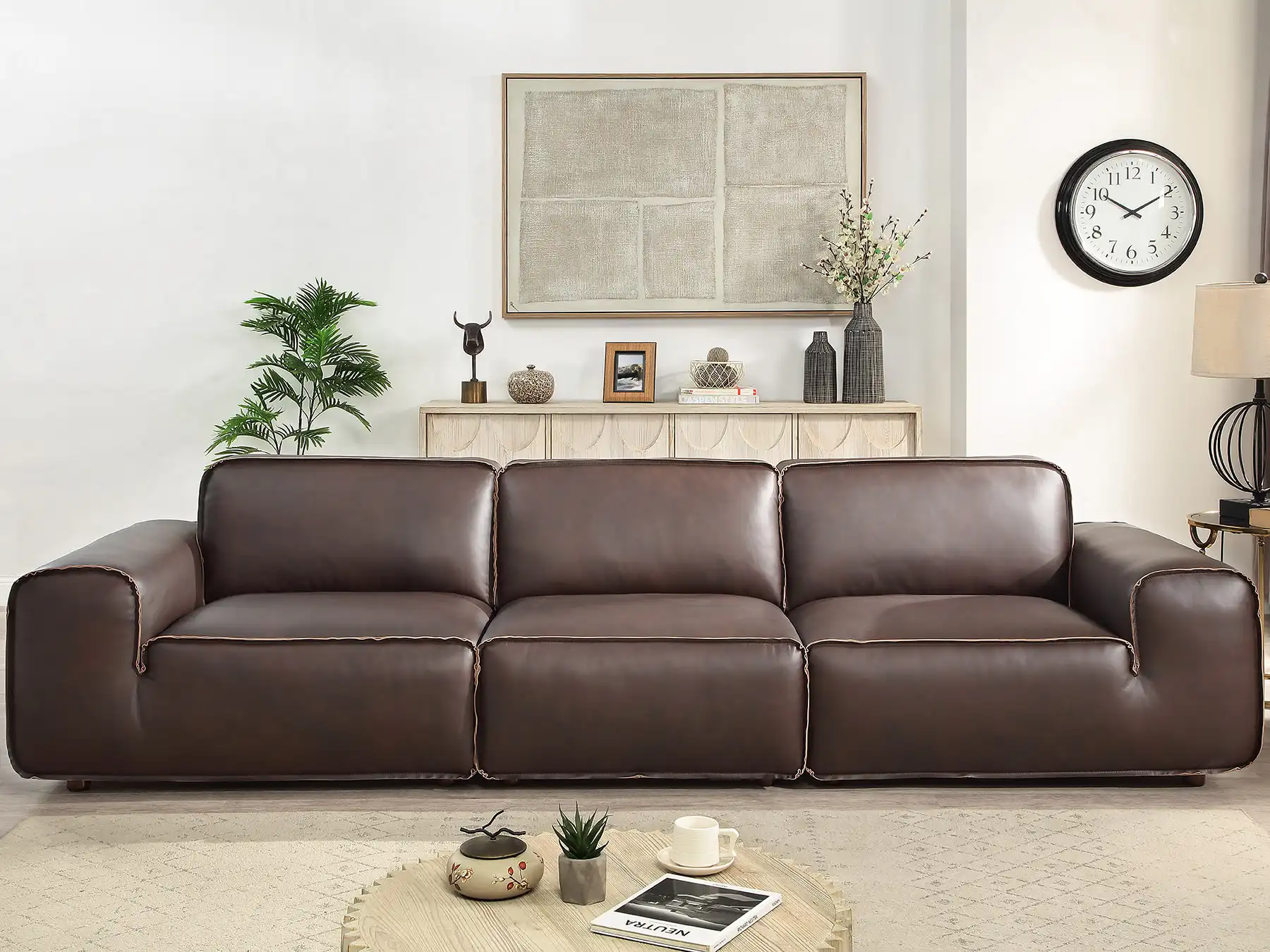
The armless 3-seater sofa is a smart choice for modern rooms because it makes good use of space and is designed in a new way. In standard couches, the armrests take up six to twelve inches of horizontal space on each side. These sleek units, on the other hand, have no armrests and offer 100% active seating space for the size of their footprint. This main difference solves problems that keep coming up in both high-density living areas and flexible business settings.
What Defines an Armless 3-Seater Sofa?
An armless 3-seater sofa is a long, padded couch designed to easily fit three people. It is different from other sofas because it doesn't have any side arms. This way of thinking about design gets rid of both physical and visual barriers, making what experts call a "slipper profile." The lack of arms changes how people interact with the furniture—they can lounge freely along the whole length, perch on the sides while talking, or easily combine multiple units into larger seating arrangements without any structural issues.
To make a good armless sofa, the bottom frame needs to be strengthened and the corners need to be blocked to make up for the lack of arm-based structural bracing. Professional models are made with kiln-dried oak frames or engineering-grade plywood that is joined at the seat-to-back joints with mortise-and-tenon joints. This makes sure that the chair stays stable even after years of use. The weight is spread evenly across the 70 to 84-inch span by heavy-gauge sinuous springs or industrial netting. This stops the "bottoming out" problem that is common in middle seats.
Key Advantages for Commercial and Residential Applications
Armless forms are very good at saving space, which is a big problem in modern building. Facility managers put multiple units end-to-end in corporate halls and hospitality waiting areas to make continuous banquette-style seats along long walls. This makes the most of the space by minimizing empty spaces between joined pieces. The low-profile shape makes spaces feel bigger and friendlier, which is good for open-plan offices where sightlines are important.
The practical perks are especially valuable to people who plan events. Because these chairs don't have big armrests, they can fit through narrow service lifts and stack well in warehouses. Shipping numbers drop by a lot, which means that freight costs for large orders go down. This is an important thing to think about when furnishing hotel chains or real estate projects with multiple properties. Interior designers like the multi-directional entry pattern, which lets people come up to sitting areas from the front or the sides, making lounges more casual places to hang out with friends.
Standard Dimensions and Customization Considerations
A typical 3-seater sofa without arms is 70 to 84 inches wide, 32 to 38 inches deep, and 30 to 36 inches high. But OEM and ODM makers like Kanas Furniture can make a lot of changes to fit the needs of a project. Different groups of people have different ergonomic needs, so seat levels can be changed to meet those needs. Back heights can also be changed to match building features or keep the look of different furniture sets consistent.
When choosing a material, you have to think about more than just how it looks. Commercial-grade furniture must be able to resist more than 30,000 Wyzenbeek double rubs to be able to handle being exposed to heavy traffic on the sides. Along these weak spots, double-stitched seams or pipes keep the fabric from breaking too soon. High-resilience foam cores with densities between 1.8 and 2.5 pounds per cubic foot are often used for cushioning. These cores keep their shape without being too hard. It is still necessary for North American markets to follow fire safety rules like CAL TB 117-2013.
How to Evaluate and Style Armless 3-Seater Sofas for B2B Needs?
Which materials are used and how they are styled decide whether a sofa does well in busy business settings or falls apart after a few months. The people who work in procurement have to weigh the original cost against the value over time, and designers need to know that useful needs won't get in the way of their aesthetic vision.
Performance Fabrics Versus Leather: Durability and Maintenance
When choosing commercial furniture, it’s important to understand how it wears and how to maintain its condition. Performance fabrics made with acrylic or polyester blends that are solution-dyed are better at resisting fading and stains compared to natural fibers. These materials can be washed and dried many times without losing their color, which is crucial in places like hospitals and hotels where cleanliness standards require frequent cleaning. Crypton and Sunbrella are leaders in the field, offering moisture shields and antibacterial treatments that enhance the longevity of products. This is especially beneficial for pieces like an armless 3 seater sofa, where durability and easy maintenance are key in high-traffic environments.
Alternatives to leather should be carefully thought through. Patina forms naturally on full-grain leather, but it needs special care to keep from cracking in climate-controlled spaces. Bonded leather is cheap, but it breaks down quickly when it's used a lot, which is not okay for business uses. Today, high-quality plastic options look like leather and are easier to clean and less likely to get punctures. In the end, the choice weighs the physical experience against how long the machine will last and how often it needs to be replaced.
Total cost of ownership is directly affected by how maintenance is done. Fabrics with soil-release finishes can be cleaned in small areas with water-based treatments, which cuts down on the need for professional cleaning. Leather needs to be conditioned every three months and spills need to be cleaned up right away. When making budgets, procurement teams should ask for detailed care directions and plan for the costs of ongoing upkeep. Manufacturers who offer pillow covers that can be replaced offer long-term freedom, letting you update the look of your furniture without having to buy a whole new set.
Styling for Modern Minimalist and Classic Interiors
An armless 3-seater sofa naturally goes with minimalist design styles because they have clean lines and simple shapes. Modern business areas with exposed concrete, steel details, and floor-to-ceiling glass look better when the upholstery is all one color, like charcoal, dove gray, or crisp white. Low-profile designs with thin metal or wooden legs add to the floating look that is common in Scandinavian and modern Japanese styles.
To fit these pieces into classic or transitional rooms, you need to be careful about the fabric you choose and the overall style of the room. Rich jewel tones like green, sapphire, or burgundy in velvet or chenille fabrics keep the sofa's sleek shape while adding warmth. When you pair armless units with traditional area rugs or ornate side tables, you create a difference that feels carefully chosen and not at odds with each other. Adding standard details like tufted backs or channel stitching doesn't take away from the silhouette's natural simplicity.
Ergonomic Factors: Cushioning and Support Specifications
The comfort of the person sitting on it decides whether a beautiful sofa is useful or just looks nice. Seat depth is a very important factor in ergonomics. Shallow depths (18 to 20 inches) work well in official waiting areas where people only need to perch for a short time, while deeper configurations (22 to 24 inches) allow for longer periods of sitting in homes or businesses. The angle of the back affects how well it supports your balance. Backs that are slouched help you rest, while backs that are straight up help you stay alert in break rooms next to the office.
The way the cushion is made ensures that specifics are met. High-resilience foam is great for business settings because it provides strong support that keeps its shape over time. Down-blend toppers make things extra soft, but they need to be fluffed up and refilled every so often. While they cost more, encased coil systems inside pillows are more durable and let air flow through them. Since there are no arms, people may lean against the side edges more often. This makes the outer support even more important.
When it's possible, testing methods should include trials with real users. Ask team members who are like your clients to rate their comfort level during buying. Take note of how easy different body types can go from sitting to standing. Also, keep in mind that armless designs don't offer leverage help, which could make it harder for older people or people who have trouble moving around. These findings help make decisions that really meet the wants of end users instead of just following design briefs.
Comparing Armless 3-Seater Sofas with Other Sofa Types
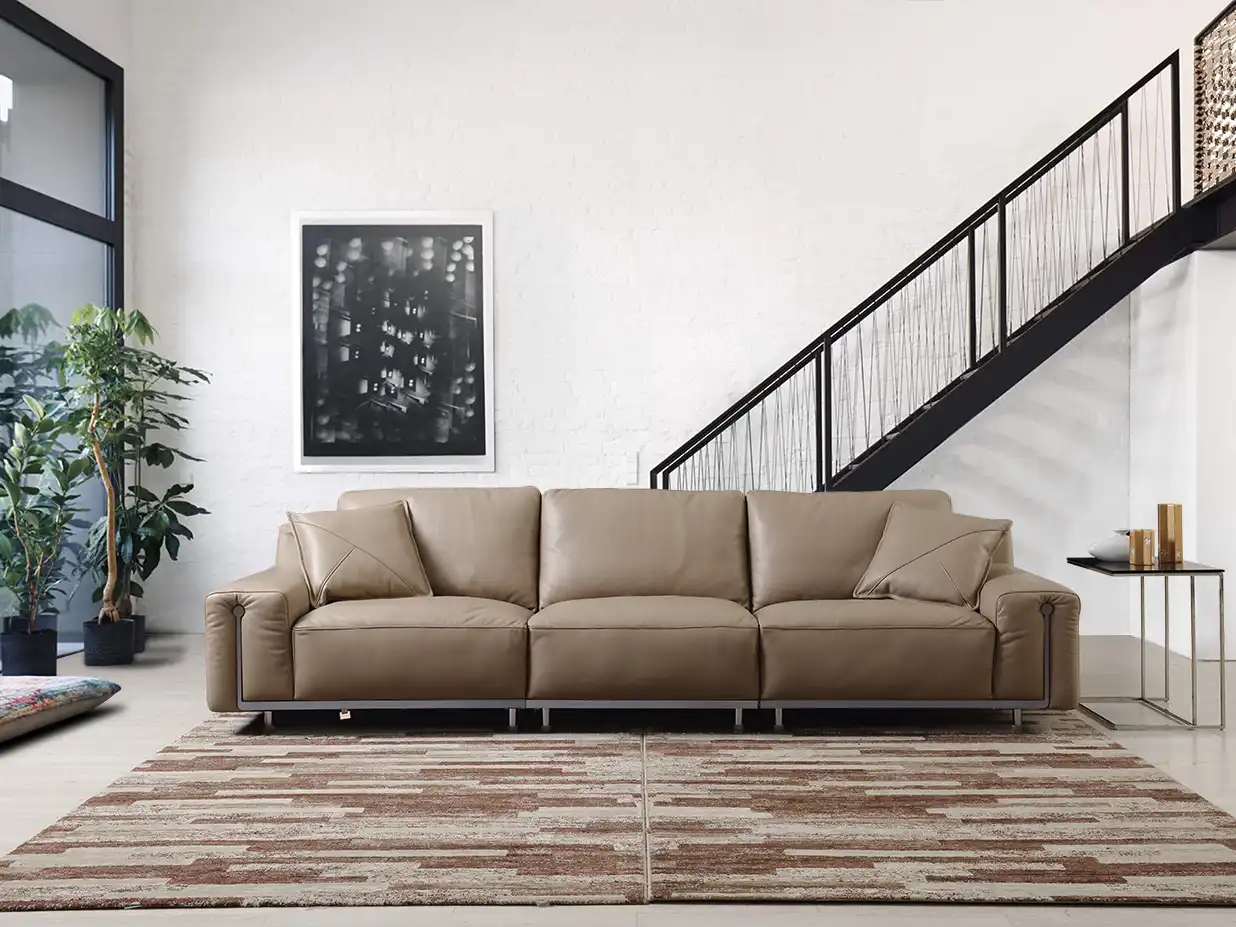
It's easier to see when armless configurations are the best choice and when standard forms are better when you know how armless configurations compare to other options.
Armless Versus Traditional Armed Sofas: Spatial and Functional Differences
Traditional couches with arms provide psychological comfort by clearly defining personal space and giving you support when you stand. You can put your drinks, books, or laptop on the arms, which are also useful for supporting your body. However, these benefits come at a cost: arms add 12 to 24 inches to the total width without adding to the number of seats. This difference tells you whether extra sitting fits easily in rooms that are less than 200 square feet or if the space feels too crowded.
An armless 3 seater sofa works great in flexible setups. When connecting multiple units, standard chairs leave unsightly gaps where the arms meet or need special corner pieces. The length of the wall is the only thing that stops armless units from making continuous sitting runs. This versatility is very helpful in business settings where plan needs change—units can be easily rearranged without having to buy extra transitional parts. The open-ended shape also makes it easier to clean because there are no dusty areas behind or under heavy arm structures.
Loveseats, Sectionals, and Other Seating Configurations
Loveseats can usually fit two people and are about 60 inches wide. Even though they work well in homes, they don't have enough space for business waiting areas or hospitality rooms where foot traffic calls for three-seater investments. Larger units are more cost-effective per seat when funds allow for big purchases. But loveseats are easier to move through small hallways and elevators, which is something that should be thought about for projects that have limited access.
Sectional chairs are very flexible because their parts can be switched out, but they are also hard to use because they are so complicated. Connector hardware needs to be tightened from time to time, units can come apart while being used, and replacements need to match retired product lines. Armless 3-seater sofas make it easier to keep track of goods because each unit can be used alone or with others without any special linking devices. Facilities can change individual parts without worrying about how they will work with the whole system. This makes managing long-term assets easier.
Market Trends: Modern Versus Classic Styles in 2026
The way people buy things now reflects larger culture shifts toward being sustainable and flexible. Commercial specs tend to favor modern styles with clean shape and neutral color schemes, which is in line with the company's values of openness and efficiency. Solid oak legs, linen fabric, and visible joinery are all examples of natural materials that are good for the environment and look good for a long time. These choices protect the value of an investment because furniture stays in style over a decade-long decline plan.
Boutique hotels and senior offices that use traditional luxury to show status still use classic styles. Wingback-inspired shapes that have been changed to fit armless forms combine historical references with modern needs. Deep button stitching in leather or high-quality fabrics meets the need for a rich feel while keeping the space-saving benefits of armless form. Style choices are based on who your end users are and how you want to place your brand. For example, tech companies need a different visual language than law firms or high-end resorts.
Procurement Guide: Ensuring You Buy the Right Armless 3-Seater Sofa
To buy a lot of furniture successfully, you need to find a balance between quality control, cost management, and the way you work with your suppliers. Systematic evaluation systems are used by strategic buyers to reduce risk and get the most value.
Assessing Durability, Warranty Terms, and Supplier Reliability
Quality of frame building tells you how well it will work in the long run. Ask for frames made of kiln-dried hardwood or high-quality plywood with corner blocks that strengthen the main joints. Welded metal frames are an option when weight is an issue, but engineers have to account for how the frames will expand and contract in different conditions. Asking for a frame guarantee that covers at least five years shows that the maker is confident in the structure's strength. Shorter warranty terms are often a sign of lower-quality products or rushed production.
The same care needs to be taken with suspension systems. Eight-gauge sinuous springs that are properly attached with spiral ties spread weight evenly across armless lengths. Elastic fabric that sags after eighteen months of normal business use is replaced by cheaper models. Demand samples for harmful testing or approval paperwork from a third party. Investing up front in quality suspension stops repair cycles that happen too soon, which can mess up operations and make budgeting less predictable.
Being able to count on a supplier for more than just great products is also important for operations. Check their production ability compared to the number of units you need—can they meet the deadlines for 500 units without sacrificing quality? Look at how much experience they have with sending goods internationally, especially with transportation partners in the U.S. and Europe. Manufacturers in Foshan, China, which is known as the "furniture hub," usually have strong export facilities and know how to follow customs rules. Ask for client references from projects of a similar size and make sure you can reach them when things go wrong.
Shipping, Installation, and Return Logistics Considerations
Buying furniture from other countries involves a lot of complicated details that need to be planned ahead of time. Explain Incoterms during talks. For example, the difference between FOB (Free on Board) and CIF (Cost, Insurance, and Freight) has a big impact on how the budget is allocated and where risk is transferred. Optimizing containers lowers the cost of moving each unit. The small size of an armless 3 seater sofa makes them easy to pack, and they can sometimes fit 20–30% more units per container than armed couches. Talk about the rules for packaging to keep things from getting damaged in shipping. Things like corner guards, moisture barriers, and shrink-wrapping aren't extras; they're necessary.
For big deployments, installation planning is very important. Will your team do the final setting, or does the job need white-glove delivery? Allow for extra time for setup if units are shipped apart to cut down on freight costs. Set clear guidelines for reporting defects, including the need for photos and when the repair should be done. Reliable sellers include an extra 1% to 2% of units as backup in case there is damage or a problem with the specifications. For large orders, return policies need to be made clear. Restocking fees, who is responsible for sending the return, and time limits should all be written down before buy orders are finalized.
Budget Planning, Financing Options, and Custom Solutions
Clear price frameworks keep surprises from happening during the buying process. Ask for quotes that break down the base unit cost into separate items like upholstery changes, tailoring fees, and shipping costs. Most volume savings start at 50 units, and the discounts really start to take effect at 100 units or more and 500 units or more. Payment terms have an effect on managing cash flow. Usually, you pay a 30% fee and the remaining 70% when the shipment arrives. However, if you have a long-term relationship with the seller, you can arrange net-30 or net-60 terms after delivery.
Custom solutions are good for projects with specific needs, but they take longer to make and cost more. Changing standard measurements by six inches could make each unit cost 10-15% more and take two to four weeks longer to make. For some proprietary fabrics, you have to buy a minimum number of yards, which can mean that you have to deal with overruns. Find out if customization really adds value or if being able to change specifications and choose from stock choices is a better way to reach project goals. Companies like Kanas Furniture offer OEM and ODM services and help with design in a way that matches custom features with the challenges of production.
Maintenance and Longevity: Caring for Your Armless 3-Seater Sofa
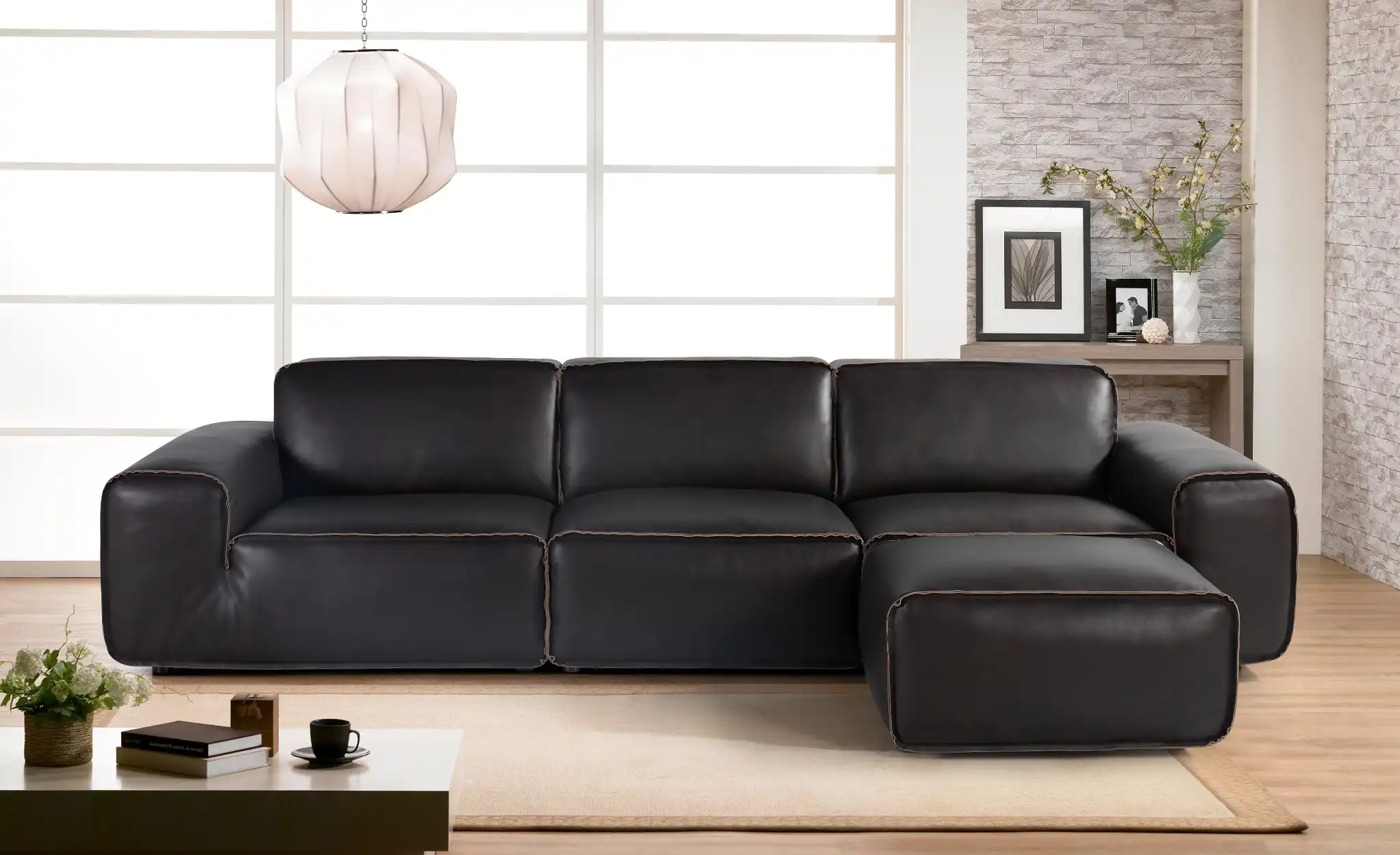
Preventative care plans greatly increase the life of furniture, safeguarding assets and upholding standards of appearance over many years of use. Structured care plans that are made to fit the type of furniture and how much it is used are helpful for facility managers and property planners.
Cleaning Protocols Based on Upholstery Material Types
Fabric sofas require weekly vacuuming with upholstery attachments to remove surface dust before it settles deep into the fibers. By rotating the cushions once a month, you can evenly distribute the wear and prevent specific compression patterns. As soon as a spill occurs, it’s important to clean the area promptly. Blot the liquid up without rubbing to avoid spreading the color. Most synthetic performance fabrics can be cleaned with water-based solutions, while oil-based contaminants require solvent-based cleaners. Always test cleaning products on an inconspicuous area before applying them to visible surfaces. Professional cleaning with hot water extraction once a year helps restore the appearance and removes body oils that break down materials over time. This kind of care is especially important for furniture like an armless 3 seater sofa, as it helps maintain both its function and aesthetics for years.
Different rules apply to taking care of leather. Use soft, dry cloths once a week to dust leather surfaces. Leather conditioner should be used every three months to keep the natural oils in it and keep it from drying out and cracking. Clean up spills right away by cleaning them up with absorbent cloths. Never use water directly on leather because it can stain or bend it. Keep it out of direct sunlight and heat sources that make things break down faster. When leather is treated commercially with UV filters, it lasts longer in places with a lot of natural light. Plan to have professional leather repair done every three to five years in places where the leather is used a lot to keep it looking good.
Preventative Measures Against Common Wear Issues
The side edges of an armless 3-seater sofa are more likely to get worn than the corners of sofas with arms. Along these sides, double-welted seams keep them from tearing, but loose stitches can be found and fixed before they do a lot of damage. If you can, don't let people sit or lean on the sides. Putting up subtle signs or side tables will change behavior without any problems. Using fabric protectors like Scotchgard to protect against spills and stains creates unseen shields that need to be reapplied every six months to keep working.
Seats that sag or make noises of creaking indicate that the frame and chassis are breaking down. Tightening the hardware links that can be seen once a year stops them from gradually freeing up over time. Replacing worn cushion cores before they collapse protects the frame's structure. When pillows collapse, they apply too much force to structural parts, speeding up damage. Keep the temperature and humidity within the suggested ranges (40–60% relative humidity, 65–75°F) to keep the wood frame from expanding or contracting or for mold to grow when it's wet.
Repair Versus Replacement: Long-Term Asset Management Strategies
Minor fixes usually only cost 10–20% of what it would cost to replace something, but they last for many more years. Reupholstering worn-out pillows gives furniture a whole new look. Replacing worn-out suspension parts is a cheap way to get back to being comfortable. Setting up ties with professional furniture repair services before problems happen makes sure that they can be fixed quickly when they do happen. In business or hospitality settings, downtime costs more than just the repair fees.
Comparing the total cost of repairs to the asset's leftover value is key to deciding whether to replace it or not. When frame damage weakens the structure or fabric wears out across multiple areas, it may be cheaper to buy a new one. Compare the cost of repairs to the cost of buying each unit in the first place. If the total cost of fixes goes over 40 to 50 percent of the initial investment, it's usually better to buy a new unit. Asset lifetime management is easier when you only work with makers that offer parts that will be available for a long time. Companies like Kanas Furniture keep making the same models year after year, which makes it possible to find parts years after the furniture was first bought.
Conclusion
Finding the perfect 3-seater sofa means striking a balance between how it looks, how well it works, how much it costs, and how long it will last. Armless 3 seater sofas offer many great benefits, such as saving space, being modular, and being easy to ship at a low cost. These advantages make armless configurations a great choice for many modern business and household projects. To make a good purchase, you need to carefully evaluate the quality of the structure, the performance of the upholstery, the reliability of the seller, and the upkeep instructions.
Understanding how these pieces compare to other configurations helps you figure out when and how to use them most effectively. Well-planned care strategies protect investments over many years of use, ensuring that furniture assets continue to meet both functional and aesthetic standards as they age. With these insights, procurement professionals and designers can make informed decisions that contribute to the success of the project.
FAQ
Q1: Does removing arms compromise the structural stability of a 3-seater sofa?
A: Good armless chairs have extra support in the structure to make up for the lack of side arm protection. Professional models have corner-blocked frames, strengthened L-brackets, and mortise-and-tenon joints at the point where the seat and back meet. When built according to the right guidelines, the seat can handle a lot of lean-back force.
Q2: Can elderly users or individuals with mobility challenges use armless sofas comfortably?
A: People who use armrests for support when sitting down or getting up usually have trouble with designs that don't have arms. Because there aren't any lateral support systems, you need to have stronger core muscles and better balance during changes. Facilities that serve older people or people who have trouble moving around should think about using a mix of methods, like putting armless units next to chairs with arms or adding strong side tables that give people other places to lean on.
Q3: How do I prevent lightweight armless sofas from sliding in open floor plans?
A: Because arm frames are heavy, some armless chairs move around when they are being used, especially on hard floors. Putting silicone-based non-slip pads on the ends of furniture legs makes them less slippery without hurting the floors. When putting together multiple units in a modular way, industrial alligator clips or locking connections placed under the units keep the pieces from coming apart. Area rugs with good padding make the floor more stable and clearly separate sitting areas.
Q4: What should I know about maintaining the exposed side edges specific to armless designs?
A: The fully upholstered sides of armless sofas get directly rubbed when people get in and out of their seats, which speeds up wear compared to standard couch bodies that are covered by arm structures. High-quality models have piping (welting) or double-stitched lines along these ends, which strengthen the fabric and stop it from fraying too soon. As a key quality sign during procurement, look at the building of the edges.
Q5: Are there customization limitations when ordering armless sofas for commercial projects?
A: Reputable makers give you a lot of ways to customize your order, but some changes can be expensive or take longer than expected. If the dimensions change by more than six inches from the standard specs, the structure may need to be looked at by an expert. This could add 10 to 20 percent to the unit price and two to four weeks to the production schedule. Proprietary fabric choices often have minimum length orders, which could mean that your project has to deal with overruns.
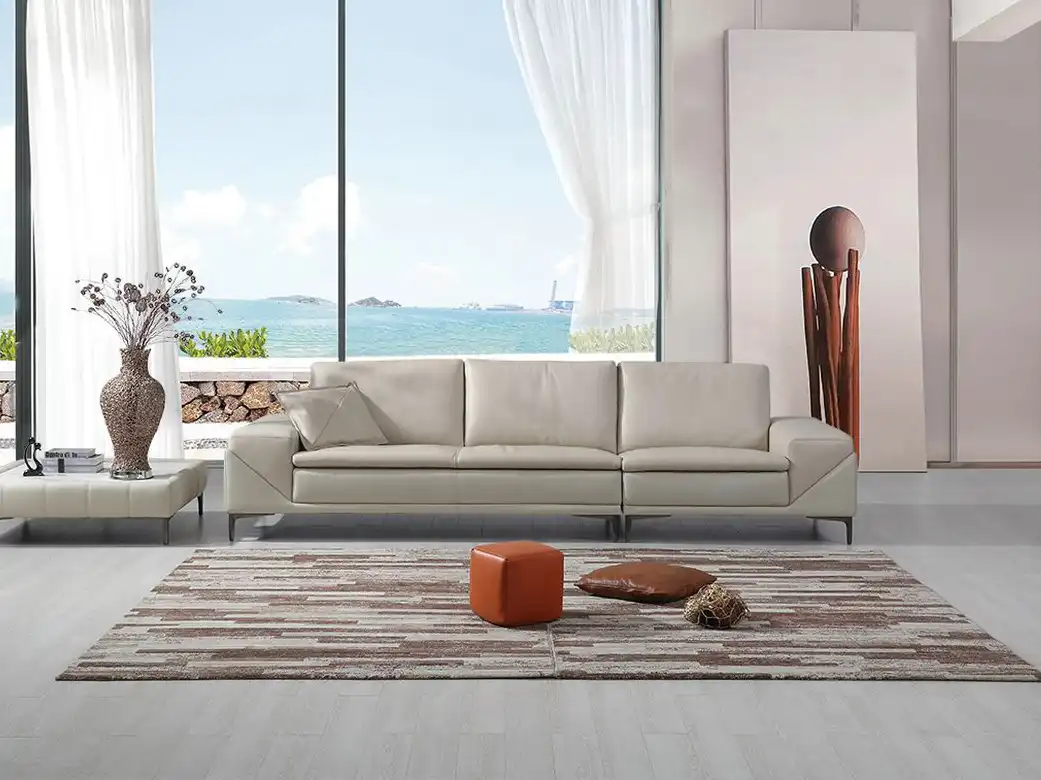
Partner with Kanas Furniture: Your Trusted Armless 3-Seater Sofa Supplier
To find high-quality business seats, you need a manufacturing partner that knows how to combine great design, strong construction, and a reliable supply chain. Our 40,000-square-meter factory in Foshan, China, makes just this mix of furniture. Our collections of armless 3-seater sofas meet strict foreign standards, such as ISO 9001 approval, REACH compliance, and U.S. fire safety requirements. These are important credentials for the North American and European markets. We are experts at working with OEM and ODM partners to turn your ideas into production-ready furniture, whether you're decorating small hotels, business offices, or new homes.
During the whole development process, our tech team works together closely to make sure that plans are the best they can be in terms of both how they look and how quickly they can be made. We can make a lot of products at once and have done so for global stores like Walmart and Costco. We can go from making a sample to delivering a lot of products without lowering the quality. Get in touch with our team at sc@kanasfurniture.com to talk about your project needs and find out how our wide range of services can make purchasing easier while also providing great value. Let's work together to make your furniture better and go above and beyond what your customers expect.
References
1. Miller, Sarah J. Commercial Furniture Specification and Procurement: A Professional Guide. Interior Design Press, 2022.
2. Thompson, David and Martinez, Elena. "Structural Engineering Principles in Upholstered Furniture Design." Journal of Furniture Technology and Manufacturing, vol. 38, no. 4, 2023, pp. 112-131.
3. Chen, Robert. Global Furniture Supply Chains: Manufacturing Excellence in the Foshan Region. International Trade Publications, 2023.
4. Anderson, Patricia K. "Material Performance Standards in Commercial Upholstery: A Ten-Year Longitudinal Study." Facilities Management Quarterly, vol. 29, no. 2, 2024, pp. 45-67.
5. Williams, James and Foster, Michelle. Space Planning for Modern Commercial Interiors: Maximizing Efficiency Through Furniture Selection. Architectural Design Institute, 2023.
6. Lopez, Carmen. "Maintenance Protocols for Extended Furniture Lifecycle in High-Traffic Environments." Property Management Review, vol. 17, no. 1, 2024, pp. 78-94.
Learn about our latest products and discounts through SMS or email