- English
- French
- German
- Portuguese
- Spanish
- Russian
- Japanese
- Korean
- Arabic
- Greek
- German
- Turkish
- Italian
- Danish
- Romanian
- Indonesian
- Czech
- Afrikaans
- Swedish
- Polish
- Basque
- Catalan
- Esperanto
- Hindi
- Lao
- Albanian
- Amharic
- Armenian
- Azerbaijani
- Belarusian
- Bengali
- Bosnian
- Bulgarian
- Cebuano
- Chichewa
- Corsican
- Croatian
- Dutch
- Estonian
- Filipino
- Finnish
- Frisian
- Galician
- Georgian
- Gujarati
- Haitian
- Hausa
- Hawaiian
- Hebrew
- Hmong
- Hungarian
- Icelandic
- Igbo
- Javanese
- Kannada
- Kazakh
- Khmer
- Kurdish
- Kyrgyz
- Latin
- Latvian
- Lithuanian
- Luxembou..
- Macedonian
- Malagasy
- Malay
- Malayalam
- Maltese
- Maori
- Marathi
- Mongolian
- Burmese
- Nepali
- Norwegian
- Pashto
- Persian
- Punjabi
- Serbian
- Sesotho
- Sinhala
- Slovak
- Slovenian
- Somali
- Samoan
- Scots Gaelic
- Shona
- Sindhi
- Sundanese
- Swahili
- Tajik
- Tamil
- Telugu
- Thai
- Ukrainian
- Urdu
- Uzbek
- Vietnamese
- Welsh
- Xhosa
- Yiddish
- Yoruba
- Zulu
Which Sofa Is Better: With Or Without Arm?
When it comes to business spaces, whether you should get sofas with arms or without arms relies on the goals of your project. An armless sofa modern makes better use of space and maintains visual continuity, which makes it perfect for places with a lot of people, like company bars, hotel waiting rooms, and modular office plans. Traditional armed chairs look good and offer side support, but they take up 6 to 12 inches more horizontal room per unit. When purchasing managers are trying to find the best balance between usefulness and space-saving, armless designs give them a lot of setup options without losing comfort or sturdiness, especially when they are paired with performance-grade upholstery and frames that are strengthened.
Understanding the Differences Between Sofas With and Without Arms
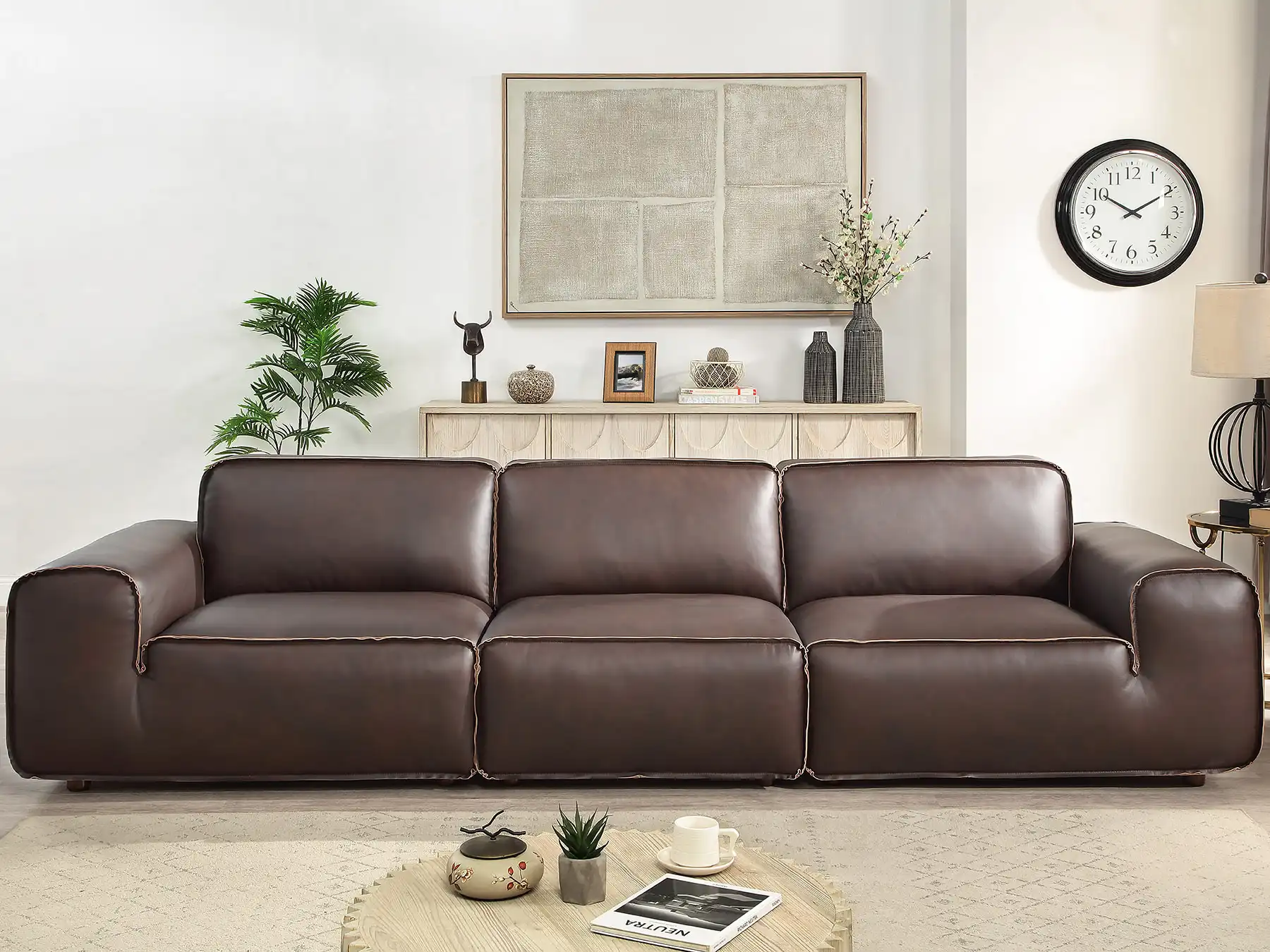
Before you can choose the right sitting arrangement, you need to know what makes these two groups of seats different. Kanas Furniture has worked with a huge number of business-to-business customers who needed more information about this choice before they could finalize their large orders for hotels, businesses, and retail stores.
Structural Design and Space Utilization
Traditional couches with arms are based on well-known design patterns, such as the Chesterfield or Lawson styles. They have lateral handles that are both functional and decorative. These arms usually make the total width 10 to 14 inches wider, which makes what people in the business call "dead space" in small rooms. The armless sofa modern came about as a solution to this problem. It has a clean, straight line profile that makes the most of the width of the sitting area compared to the total footprint. Instead of losing useful inches to arms that are just for looks, each centimeter adds to the number of seats that can be used.
In business buying situations, this difference is very important. Think about a business waiting room with a 12-foot wall. A normal three-seat armed sofa might be 84 inches long, leaving awkward spaces on either side. A 78-inch armless option has the same number of seats and makes things look better and makes it easy for people to move around. The straight lines also make rooms feel bigger, which is helpful in small hallways or waiting areas where first impressions are important.
When making something, armless forms need special engineering to make up for their lack of arms. We make up for the lack of side support at our Foshan factory by using kiln-dried wooden frames with strengthened L-brackets and double-dowel joinery. This keeps the cheaper models from breaking when people lean hard against the backrest, which happens with armless versions. Quality armless sofas also have stronger rail wood and corner block reinforcement, which makes sure that their structural stability is at least as good as that of armed sofas.
Flexibility in Modular Configurations
Modular sitting systems are great for armless units because they can be put together in a variety of ways. Instead of having visible and physical breaks between parts like armed sofas do, armless modules connect to each other without any gaps using under-mount connections such as alligator clips or ratchet brackets. These retractable screws hold chassis frames together, which stops the "drifting" that can happen on smooth concrete or wooden floors in businesses.
This modularity solves a recurring problem: reconfigurability. This is helpful for hotel developers who are setting up big foyers or coworking operators who are making open workspaces for teamwork. Within minutes and without any tools, a group of six armless sofas can be changed from a long bench that can seat 12 people to three different chat groups. This flexibility makes the product last longer, which means that buying managers who are focused on total cost of ownership can justify a higher per-unit investment.
We've given several Costco delivery centers modular armless systems for their staff break rooms, where space needs change with the seasons. The units stack well during slow times and grow to full capacity during busy times, showing the operational freedom that B2B clients are asking for more and more.
Real-World Commercial Applications
Commercial halls with a lot of foot traffic gain a lot from armless layouts. In hotel foyers and business greeting areas, these chairs act as "floating islands" in the middle that let people come in from both directions without having to go around bulky armrests. This smooth flow of movement keeps things from getting backed up during check-in or early morning arrival rushes in office buildings.
Another great use case is in healthcare waiting rooms. When placed along tight hallways, traditional armed chairs make it hard to fit more than three adults because of their size. Designs without arms that run along the same length of wall can easily seat four people, which boosts productivity by 25 to 30 percent without lowering comfort. The continuous bench style also makes cleaning easier because there are no cracks where dirt can gather around the arm joints.
Executive meeting rooms and show areas use armless chairs because they are simple. This way, presentations or product displays don't have to compete with fancy furniture for attention. Modern building features like open pipes, polished concrete floors, and floor-to-ceiling glass look great with the clean lines. These are all common design elements in modern business spaces.
How to Choose Between Arm and Armless Sofas for Your Business Needs?
When choosing seats for business projects, procurement managers have to look at a number of factors. In addition to aesthetics, the choice process takes into account budget limits, durability standards, and long-term operating factors.
Space Constraints and Layout Optimization
Before choosing between the two styles, carefully measure the area where you want to place them. Armless sofa modern units can sit close against walls or next to other furniture without looking crowded, while armed sofas need 4-6 inches of space on both sides for visual breathing room. In open-plan offices with good sightlines, armless layouts keep visual connections between departments, which supports the openness that many modern workplaces value.
It's not easy to see how budget limits and quality standards fit together. Entry-level armed chairs that cost less than $500 usually have frames made of particleboard and foam densities below 2.0 lbs/ft³, which means that they will sag after 18 to 24 months of business use. Armless models in the same price range have the same problems, but edge compression stress makes their flaws show up more quickly. For business-to-business buyers, the price range of $800 to $1,200 is a durability tipping point where both types offer kiln-dried hardwood frames and high-resilience foam that meets the 35 kg/m³ density level needed for long-term use.
Our armless sofa modern line at Kanas Furniture is in the middle price range because it is both affordable and made to industrial standards. Our frames are made of maple and birch hardwood and are suspended by sinuous springs. The performance fabrics we choose are rated for 40,000+ Martindale cycles, which is important for halls that get more than 200 people every day. Most hotel and business real estate managers aim for replacement cycles of 5 to 7 years, which is supported by this specification level.
Material Selection and Warranty Considerations
When there are no arms, the choice of upholstery is even more important because the sides are completely visible. When people slide on and off from the sides, the fabrics must be able to fight wear and tear. This is a stress pattern that doesn't happen as often with armed types. Solution-dyed acrylic or polyester mixes are best for business settings with a lot of foot traffic because they keep their color even when exposed to UV light near windows and don't stain easily from drinks that get spilled on them.
For armless couches, full-grain or top-grain leather is needed for the fabric instead of bonded leather, which comes apart quickly at seams. The "waterfall" edge, where the cloth wraps around the edge of the seat, needs to be precisely tailored to avoid puckering. This is a quality control step we do on every unit that leaves our 40,000㎡ production plant. Buyers should ask for seam sliding test results that show the product meets ASTM D4034 standards, which say that the minimum burst strength must be more than 50 pounds.
Warranty coverage shows that the maker trusts the structure's strength. Standard 1-year guarantees for business furniture barely cover the time it takes for babies to die. Look for makers that offer 5-year frame warranties and 3-year cushion promises. Kanas does this for customers who buy more than 50 units in bulk. These promises are based on the fact that our luxury lines use eight-way hand-tied springs and HR foam with indentation load deflection (ILD) scores between 35 and 45. This is the perfect range for initial comfort and long-term shape retention.
Customization and Environmental Impact
When choosing furniture for branding spaces, OEM and ODM services become very important. Hotel chains need all of their properties to look the same, and retail showrooms need to use colors that are in line with their company standards. Because they don't have as many complicated structural changes, armless chairs are easier to customize than armed ones. Kanas keeps more than 40 standard fabric choices in stock and offers custom Color Matching System (CMS) services for orders over 100 units. This helps brands keep their visual consistency across multiple sites.
As companies keep track of Scope 3 pollution, environmental concerns are becoming more important in B2B purchasing decisions. Because their frames are simpler, armless sofas usually use 15 to 20 percent less raw materials than armed sofas, which means they have lower embodied carbon. We use FSC-certified wood and water-based sealants that meet the Phase 2 formaldehyde standards set by the California Air Resources Board (CARB). These are important certifications for LEED-certified buildings and brands that care about the environment.
Financing choices make it easier for big projects to stick to their budgets. For established accounts, many business furniture providers offer net-30 or net-60 terms. For new buyers, however, installment plans that are timed with project goals are better. For hotel developers, we've set up payment plans where 30% down fees hold production slots, 50% is released when the containers are loaded, and the last 20% is cleared after delivery to the building site. These terms make sure that cash flow matches the schedule for construction.
Styling and Designing with Modern Armless Sofas
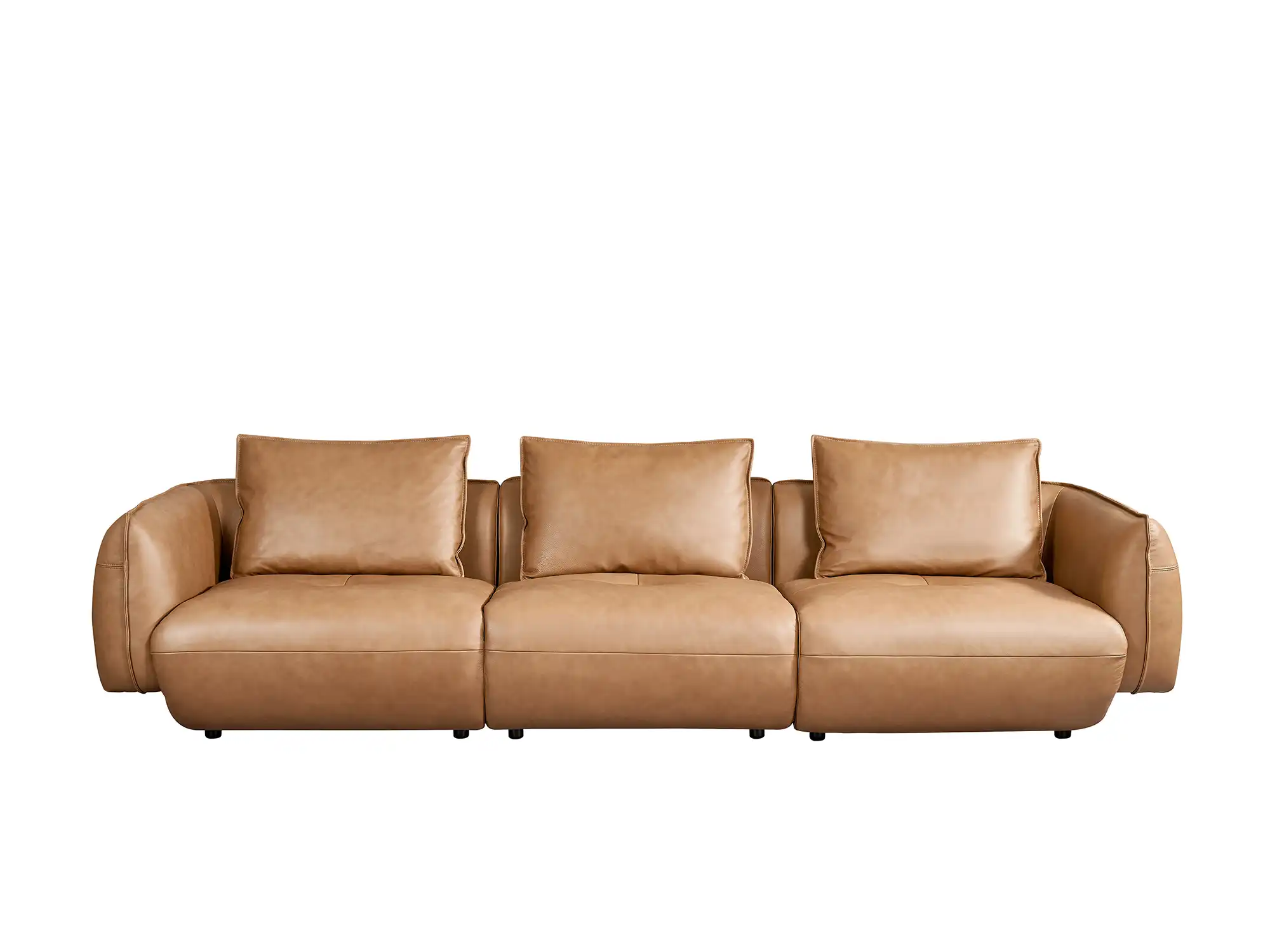
In addition to being useful, armless seating has an effect on how people feel about a brand and the atmosphere of a space in ways that have a direct effect on business results. Reception rooms set the tone for interactions with clients, and staff lounges have an effect on retention and happiness. Strategic choices about furniture help an organization's character while making the best use of space.
Color Palettes for Commercial Environments
In corporate and hospitality environments, neutral foundations remain highly popular. Charcoal, navy, and warm gray furniture, including armless sofa modern designs, maintain visual appeal across seasons and design trends while subtly concealing light soiling between professional cleanings—a practical concern for facility managers. During phased renovations, armless seating in these neutral tones integrates seamlessly with existing furnishings, avoiding the mismatched waiting room aesthetic that can undermine professional presentation.
Accent colors add flair without taking over a room. Burnt orange, teal, and mustard yellow are colors that are often used in creative offices and small hotels that cater to younger people. These rich colors look great on armless sofas because the simple shape keeps things from looking too crowded. Boldly colored sofas with arms can take over a room, but armless sofas add color without adding bulk.
Color choice and material choice are connected in important ways. Textured weaves, like herringbone or basket-weave designs, give neutral colors more depth and visual interest. They also take well to photos for social media and websites, which is becoming more and more important for hotel businesses whose online presence drives bookings. Performance velvets look luxurious and are easier to clean than natural fibers. This is a combination that appeals to high-end hotel brands and senior office buildings.
Complementary Furniture Arrangements
Mixed-seating arrangements that balance form and function are held together by armless chairs. Putting a center piece without arms next to two lounge chairs on either side makes conversational groups that are good for casual talks with clients or working together as a team. The armless unit can fit three people, and the side chairs can make two more comfortable. This way, teams of five can be seated without taking up as much room as a full sectional.
In showrooms, armless chairs can be used as a variety of backgrounds for item displays. Interior designers put throw pillows, blankets, and coffee table books on these pieces to show customers how they can be styled. Unobstructed surfaces are better for showing off goods than armed chairs, where throw pillows get stuck against the frame. This show versatility is why armless floor models are becoming more and more popular among furniture stores—they make it easier to cross-sell matching home decor items, which increases the value of the sale.
Asymmetrical arrangements with armless chairs, angular side tables, and task lighting work well in office waiting rooms. This plan breaks up the visual monotony of typical symmetrical waiting rooms while still giving people places to check their emails or look over papers. The armless profile keeps sightlines to welcome desks open, so staff can quickly meet guests as they arrive—a small customer service improvement that makes the company seem more responsive.
Durability and Maintenance Recommendations
Food and drink spills, big briefcases being dropped on pillows, and constant use for 12 to 16 hours a day are all things that commercial upholstery has to deal with that home furniture doesn't have to. When people get in and out of armless chairs, the stresses are amplified because the edges touch people more often. Materials have to find a mix between how they look and how long they have to last.
Crypton fabric is the best for high-traffic areas because it is a performance material that has moisture shields built into the fibers. Unlike chemical treatments that wash off, Crypton's protection doesn't let coffee, wine, and ink stain it. It also stays porous, so heat doesn't build up when you sit for a long time. We have Crypton upholstery on our business armless sofa modern lines, which are designed for places like airport bars and college student centers where spills happen almost every day.
When followed regularly, maintenance instructions make furniture last a lot longer. Particles that are like sandpaper on cloth fibers can be removed once a week by cleaning with upholstery attachments. Professional steam cleaning every three months keeps dust from building up and causing premature wear. Every six months, cleaning treatments keep leather furniture soft and stop cracking at stress points. Teams in charge of managing buildings should set aside $150 to $200 a year for skilled sofa repair. This is a small amount compared to the cost of replacing the sofas.
Comparing Popular Modern Armless Sofas on the Market
For business-to-business purchases, comparing different providers is necessary to find the best value offers. Many companies make armless chairs, but only a few really take over the business markets in North America. They do this by coming up with new designs, making sure their supply chains work well, and setting up good customer service systems.
Supplier Profiles and Product Differentiation
Joybird is in the direct-to-consumer crossover market and has armless sofa modern units that can be customized and take 8–10 weeks to ship. Their strength is the wide range of fabrics they offer—over 50 choices, such as performance weaves and velvet—but they can only make 20 to 25 units of large orders per project. They cost between $1,200 and $1,800 per seat, based on how they are set up and what kind of upholstery they have. This makes them a mid-range option for smaller hospitality jobs.
The article is mostly about Scandinavian minimalism, which includes designs without arms that have curved wooden legs and button-tufted backs. Their supply chain focuses on Vietnamese production to save money, but online reviews about the different hardness levels of the cushions show problems with quality control. Lead times for in-stock items are usually 6 to 8 weeks, but they can be up to 14 weeks for custom orders, which can make it hard for business projects that need to be finished quickly.
Room & Board sells American-made reclining couches starting at about $2,000 to the upper-middle class. With factories in North Carolina and Minnesota, they can quickly make changes for business clients, and basic fabrics can be delivered in as little as 4 weeks. The higher price is because of the higher cost of labor in the United States, but it's attractive to companies that want to be more open about their supply chains and lower their carbon footprint by sending goods shorter distances.
For jobs over $50,000, Pottery Barn Commercial offers specialized account management to the hospitality and business markets. Their armless products include flexible systems with built-in power outlets and USB charging ports, which are features that coworking space owners and hotel designers are asking for more and more when designing for people who need to charge their devices. Without project-specific quotes, it's still hard to tell how much something costs, but people in the industry say that bulk orders can save you 20 to 30 percent off of market prices.
Evaluating Pricing and Financing Options
Cost analysis looks at more than just the price per unit. It also looks at the total costs of the project, such as shipping, assembly, and guarantee support. Shipping a container from Asia costs between $4,500 and $7,500, based on where it comes from and where it's going. For full container loads of 150 to 200 sofas, it costs an extra $15 to $25 per unit. Domestic providers don't have to pay for ocean freight, but they do charge 30–40% more for work and overhead.
Different providers set different levels at which volume discounts are offered. Mid-range furniture makers like Kanas Furniture offer discounts of 10% for 50 units, 15% for 100 units, and 20% for 250 units or more. These discounts add up to a lot of money saved on big hotel projects that outfit many properties at once. Even though there are longer lead times, these volume benefits often make foreign sourcing more appealing than the difference in cost between Asian and domestic production.
The terms of warranties guard against early failure, but they are very different between providers. Budget makers offer limited warranties that last for one year and cover manufacturing flaws but not normal wear and tear. Commercial-grade providers offer warranties that last up to 5 years on frames and 3 years on cushions. These guarantees are transferable to new owners as long as the furniture stays where it was installed, which is helpful for hotels and offices that are planning to renovate in the future.
Best Practices for B2B Procurement
By asking for physical samples before confirming big orders, you can avoid costly mismatches between what you expect and what you get. Fabric swatches don't show how comfortable something is or how big something is. Sitting on a full-size model shows if the seat depth is right for the target audience and if the back pitch gives enough spine support. Potential customers are welcome to visit our store in Foshan or ask for example units to be sent to North America so they can be tested. The costs are minimal compared to the risks of choosing the wrong furniture for 200-room hotels.
Coordination of delivery processes needs care that is often overlooked when project plans are made. When container goods get to ports, they have to go through customs clearance and then be moved to freight stations before being delivered in the last mile. This multi-step process takes 8 to 12 weeks from the end of production to the arrival on the job site. Buyers should check with suppliers to see if they offer "white-glove" delivery, which includes unpacking, putting together, and cleaning up after the delivery, or if they need to hire third-party workers separately. This is an important detail that can have a big effect on installation budgets and schedules.
Demonstrations of a product in real-life situations show performance traits that samples alone can't show. We set up on-site trials for hotel groups where sample armless chairs were put in real lobby areas for 30 days to be tested. Final specifications were based on feedback from staff and guests, which found problems like seats that were too low for old guests or fabric colors that didn't go with the building's finishes. This care avoids the expensive fixes that happen when buying teams choose furniture based only on pictures in catalogs.
Future Trends and Innovations in Armless Sofa Design
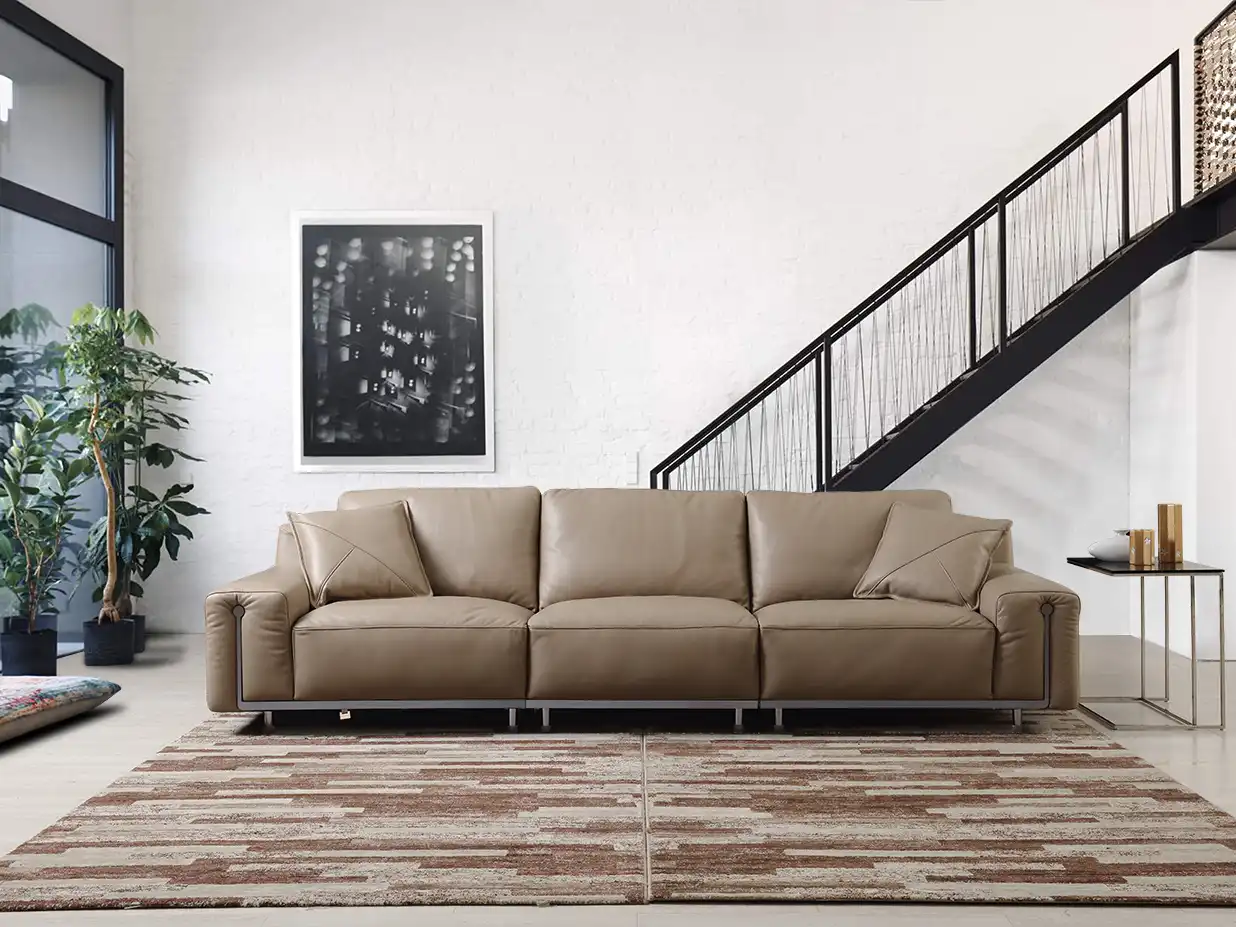
As workplace conditions change and pressures to be more environmentally friendly grow, the commercial furniture market is always changing too. By predicting these paths, procurement strategies can take advantage of new technologies that improve usefulness while keeping lifetime costs low.
Modular Adaptability and Sustainability
Usually, people buy and then throw away their furniture every 7 to 10 years. This creates a lot of trash in landfills when styles change or rooms are remodeled. Modular armless systems question this idea by letting parts be swapped out and rearranged indefinitely. You can replace damaged seat covers without having to throw away whole chairs; connecting brackets let units grow or shrink as your space needs change. This flexibility increases the useful life to 15 years or more, lowering the cost per year to a small fraction of what it would be for a standard model.
As ESG reporting requirements spread to furniture purchases, sustainability approvals become armless sofa modern more important to institutions when they decide what to buy. Cradle to Cradle certification looks at the health of the materials, the use of renewable energy in production, water management, social fairness, and the ability to recycle at the end of their useful life. This is an all-around system that smart buyers use to compare providers. Kanas has started third-party assessments with the goal of achieving Silver certification by 2025. These investments are in response to RFP requests from educational systems and government bodies that put an emphasis on being environmentally responsible.
Manufacturers get used furniture back through take-back programs so they can fix it up and sell it again. This is an example of a circular economy. These programs are still new in the business world, but they look like they could work well for hotel groups that renovate their sites every 7–10 years. Armless sofas work especially well with circular models because their simple construction makes them easier to take apart. The frames can be easily separated from the pillows, which makes it easier to put the wood, foam, and cloth parts into their own recycling lines. We're testing take-back operations with hotel partners in the area and creating reverse supply chains that get value back from old goods.
Smart Materials and New Ergonomic Designs
Phase-change materials (PCMs) that are mixed into foam pillows are a new type of comfort technology that controls temperature by absorbing and releasing latent heat. PCM-enhanced seating keeps the surface temperature within the human comfort zone of 88–92°F even when people sit for long periods of time. This solves a common problem in businesses with harsh HVAC systems. PCM is only currently used on high-end products because it costs an extra $200 to $300 per unit. However, within three to five years, economies of scale will make it common in mid-range goods as well.
People are becoming more aware of how idle time affects health and efficiency at work, which has led to improvements in ergonomics. Armless sofas with secret mechanical handles that can be used to adjust the lumbar support let users change the curve of their backs without affecting the sofa's clean lines. In the same way, seat cushions with variable depths work better for people of different body types than ones with set dimensions. This is an important thing for hospitality businesses that serve foreign guests with different body types to think about.
IoT integration is still just an idea, but it has a lot of interesting business possibilities. Embedded devices that track occupancy trends tell building managers how the space is being used. For example, they can see if hallways need more seating or if furniture is just sitting there. Pressure-mapping grids check how the weight is distributed and mark units that need new cushions before they start to show signs of wear. These predictive maintenance tools lower lifetime costs by switching from reactive repairs to planned interventions. This way, revenue isn't lost when seating areas have to stop suddenly for emergency repairs.
As material science progresses, clothes are made that have qualities that were once thought to be incompatible with each other. Bio-based polyesters made from corn and sugarcane are better for the earth than synthetics made from oil, but they still last longer and don't color as easily. Graphene-infused fabrics that are still being developed promise antimicrobial qualities without using chemicals. This makes them attractive to the healthcare and leisure industries, where worries about pathogen spread affect material requirements. Over the next ten years, these new ideas will change the standards for business upholstery, and companies that spend in research and development partnerships today will have a huge share of the market tomorrow.
Conclusion
Ultimately, choosing between chairs with and without arms comes down to matching the features of the furniture with the needs of the business. Armless sofa modern designs are great for places that are tight on space and need to be able to be set up in a variety of ways. They offer better space-saving options and modular mobility than standard armed sofas. Purchase choices should take into account how much space is saved, how long something will last, how customizable it is, and how much it will cost over its entire life, all while keeping the current budget in mind.
The higher price is justified by the longer life and lower upkeep costs of high-quality construction with strengthened frames, high-density foam, and performance upholstery. As business spaces move toward being more environmentally friendly and incorporating technology, armless designs make it easier for companies to use new technologies while still keeping the style versatility that brands need across a wide range of markets and uses.
FAQ
Q1: Does removing arms compromise sofa durability?
A: Low-quality armless sofa modern units have weak structure elements, but commercial-grade models are stronger because they are engineered to last longer. Manufacturers replace the horizontal bracing arms with corner blocks, L-brackets, and rails that are larger and stronger. The specs should say that the frames are made of kiln-dried maple or birch wood and have double-dowel bonding that meets ANSI/BIFMA X5.4 standards for lounge chairs.
Q2: How do modular armless units stay linked when they are being used every day?
A: Good modular systems have ganging hardware that is mounted under the floor, so they don't separate when the floor is hard. Under the seat rails, alligator clips, ratchet brackets, or hook-and-loop links can be used to lock two frames together without being seen. Most of the time, these devices offer 50 to 75 pounds of horizontal resistance, which is enough to keep things from moving when people slide on and off, but it's also easy to adjust.
Q3: Can elderly guests or those with mobility challenges use armless sofas comfortably?
A: Armless sofa modern designs can be hard for people who use arms to support their weight while standing. Senior living facilities and healthcare waiting rooms should ask for hybrid setups that pair armless center modules with terminal armed units. This will make the middle section easier to reach while also making the ends more useful. Instead, specifying seat heights between 18 and 19 inches (rather than the usual 17 inches) makes it easier to stand, which partly makes up for the lack of arm support.
Q4: What fabric specifications suit high-traffic commercial environments?
A: Performance fabrics that can withstand 40,000+ Martindale abrasion cycles are the standard for hotel lobbies, business greeting areas, and coworking rooms that have 100+ users every day. Acrylics and polyesters that have been solution-dyed keep their color even when they are exposed to UV light near windows and don't get stained by coffee, wine, or ink. Crypton and Sunbrella are commercial-grade fabrics that have moisture shields built into the fibers. These work better than chemical treatments that wash off when the fabric is cleaned by a professional.
Q5: How do the prices of shipping affect the overall budget for a foreign procurement project?
A: It costs $4,000 to $7,000 to move a container full of armless sofa modern units from Asian makers to Los Angeles or New York from ports like Shenzhen or Haiphong. That's $15 to $25 per unit. Domestic providers don't have to pay for ocean freight, but they do charge 30–40% more because they have to pay more for labor and fees. Most of the time, volume discounts from foreign makers are bigger than these price differences. For example, at Kanas, we offer 20% discounts on orders of 250 units or more, which saves so much money that it covers the cost of freight on large hospitality projects.
Q6: What kinds of warranties cover purchases made in bulk for businesses?
A: Different sellers offer very different warranties on commercial furniture. Budget makers offer limited warranties that last for one year and cover manufacturing flaws but not normal wear and tear. Commercial-grade providers offer warranties that last up to 5 years on frames and 3 years on cushions. These guarantees are transferable to new owners as long as the furniture stays where it was installed, which is helpful for hotels and offices that are planning to renovate in the future.
Partner with Kanas Furniture for Premium Armless Sofa Modern Solutions
Kanas Furniture manufactures commercial-grade armless sofa modern collections purpose-built for demanding B2B environments across North America and Europe. Our 40,000㎡ Foshan production facility combines advanced CNC machinery with skilled craftsmanship, delivering kiln-dried hardwood frames, high-resilience foam cushioning, and performance upholstery meeting ISO 9001 and REACH compliance standards. As a trusted armless sofa modern supplier to Costco and Walmart, we understand the rigorous quality expectations and delivery reliability large-scale projects demand.
Our OEM and ODM capabilities support custom specifications for hotels, corporate campuses, and retail chains requiring brand-aligned aesthetics. Connect with our procurement specialists at sc@kanasfurniture.com to discuss volume pricing, sample requests, or project-specific requirements—let us demonstrate how our engineering expertise and supply chain strength can elevate your next furniture investment.
References
1. American National Standards Institute. (2021). ANSI/BIFMA X5.4: Lounge Seating Testing Standards for Commercial Furniture Applications. Business and Institutional Furniture Manufacturers Association.
2. Chen, L., & Rodriguez, M. (2022). Space Optimization in Commercial Interior Design: Comparative Analysis of Seating Configurations. Journal of Commercial Design and Facilities Management, 18(3), 112-128.
3. Furniture Today Industry Research Group. (2023). North American Commercial Furniture Market: Procurement Trends and Supplier Analysis 2023-2025. Reed Business Information.
4. Johnson, K. T. (2021). Ergonomics and Material Science in Contemporary Furniture Manufacturing. International Journal of Industrial Design, 9(2), 45-67.
5. Patel, R., & Nguyen, T. (2023). Sustainable Furniture Sourcing: Lifecycle Assessment and Circular Economy Models in the Hospitality Sector. Environmental Design Quarterly, 14(1), 89-103.
6. Williams, S. D., & Thompson, A. J. (2022). Commercial Upholstery Performance Standards: Abrasion Resistance and Durability Testing Protocols. Textile Research Journal for Contract Furnishings, 31(4), 201-219.
Learn about our latest products and discounts through SMS or email