- English
- French
- German
- Portuguese
- Spanish
- Russian
- Japanese
- Korean
- Arabic
- Greek
- German
- Turkish
- Italian
- Danish
- Romanian
- Indonesian
- Czech
- Afrikaans
- Swedish
- Polish
- Basque
- Catalan
- Esperanto
- Hindi
- Lao
- Albanian
- Amharic
- Armenian
- Azerbaijani
- Belarusian
- Bengali
- Bosnian
- Bulgarian
- Cebuano
- Chichewa
- Corsican
- Croatian
- Dutch
- Estonian
- Filipino
- Finnish
- Frisian
- Galician
- Georgian
- Gujarati
- Haitian
- Hausa
- Hawaiian
- Hebrew
- Hmong
- Hungarian
- Icelandic
- Igbo
- Javanese
- Kannada
- Kazakh
- Khmer
- Kurdish
- Kyrgyz
- Latin
- Latvian
- Lithuanian
- Luxembou..
- Macedonian
- Malagasy
- Malay
- Malayalam
- Maltese
- Maori
- Marathi
- Mongolian
- Burmese
- Nepali
- Norwegian
- Pashto
- Persian
- Punjabi
- Serbian
- Sesotho
- Sinhala
- Slovak
- Slovenian
- Somali
- Samoan
- Scots Gaelic
- Shona
- Sindhi
- Sundanese
- Swahili
- Tajik
- Tamil
- Telugu
- Thai
- Ukrainian
- Urdu
- Uzbek
- Vietnamese
- Welsh
- Xhosa
- Yiddish
- Yoruba
- Zulu
How to Match Your Power Sectional with Room Architecture
To match your Power Sectional to the layout of the room, you need to know how the space works, how the electricity is set up, and what your functional needs are. If you choose the right power reclining sectional sofa, it will fit in perfectly with things like ceiling height, wall placement, and traffic flow. By thinking about space limitations, easy access to power outlets, and modular setup choices, you can make the space more comfortable while still keeping the look nice. This plan will make sure that your investment works well for a long time, whether you're buying leather sectional sofas with powered chairs for a living room, a hospitality lounge, or a business waiting area.
Introduction
The modern furniture business has seen a big change toward power-enabled seating options that are both stylish and useful. Power sectionals, especially leather sectional sofas with power chairs, are a high-end category where electrical accuracy meets architectural design concerns. These flexible systems do more than just offer changeable comfort; they need to be carefully planned to work with the size of the room, the structure, and the way people move around in it.
We've seen that getting good furniture is more than just picking out nice pieces. It can be hard for purchasing managers, interior designers, and project planners to fit big seating systems into a wide range of architectural settings, from the halls of small hotels to open-plan apartment buildings. When you're doing business with another business, the stakes are especially high because you need to be sure that large orders for hospitality projects or retail goods will work and match the dimensions.
This guide answers the main question: how do you make sure that a power-reclining couch fits into a room, both physically and in terms of how it works? We'll talk about the technical features that make these goods unique, look at how they can be used in both business and home settings, and give you tips on how to match furniture specifications to room features. Knowing these rules can help you avoid making mistakes that cost a lot of money, like not giving enough space for tilting mechanisms or not letting enough electricity flow to areas that affect the user experience.
Understanding Power Sectionals and Room Architecture
What Defines a Power Sectional?
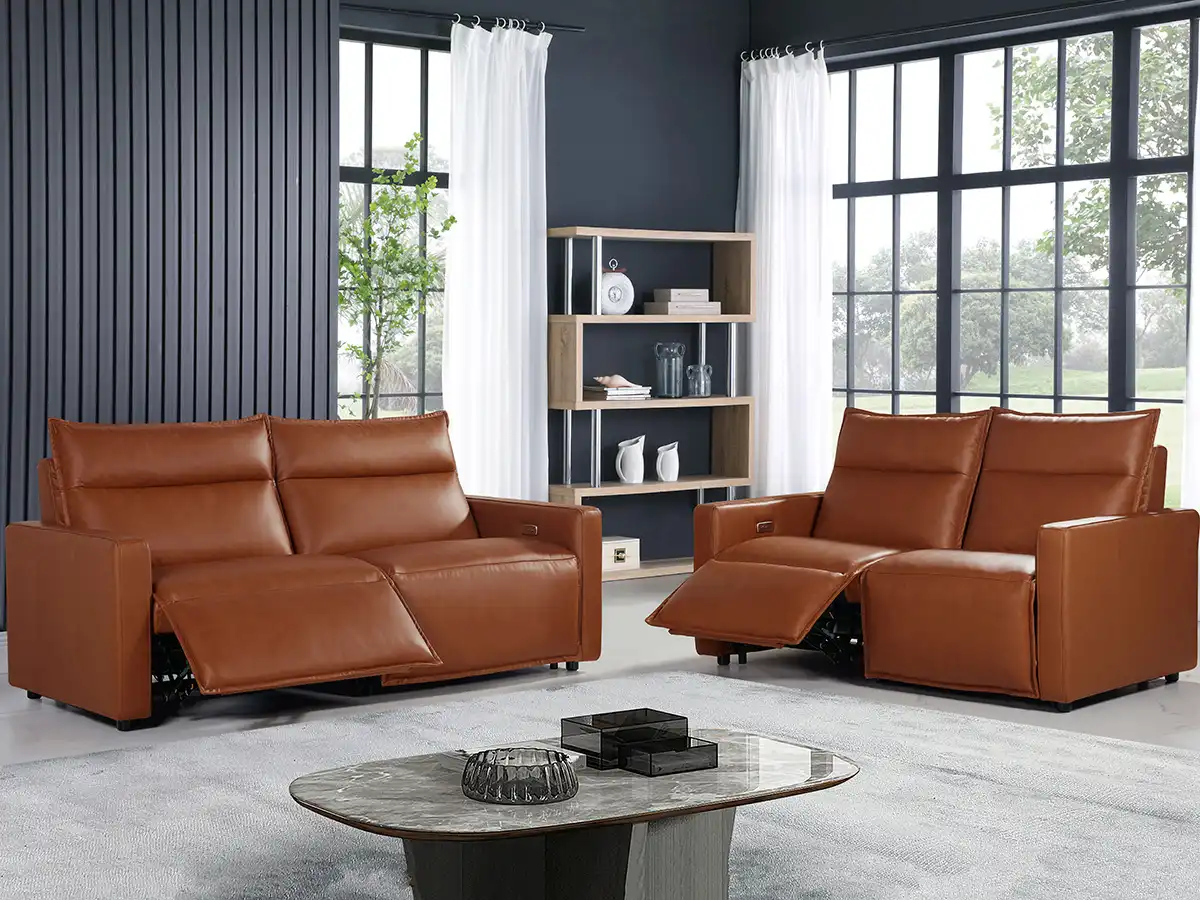
A leather sectional sofa with power chairs has low-voltage DC motors built into a modular upholstered frame. This lets each seat part move on its own. In contrast to traditional static sofas, these systems use actuators—which are usually rated for more than 25,000 operating cycles—to move the footrests and backrests forward and backward using wired or wireless control panels. The sectional design lets you connect different seating pieces to make L-shaped, U-shaped, or chaise-end arrangements. This gives you the freedom to change the plan of your room.
Kiln-dried wooden frames or furniture-grade plywood hold up heavy-gauge sinuous spring systems in the technical building. Top-grain leather furniture is tanned in a special way so that it can be bent over and over again without cracking. The thickness of the leather ranges from 0.9mm to 1.4mm. The "zero-wall" or "wall-hugger" reclining geometry is what makes these products different from regular furniture. When the seat is lowered, it slides forward on metal tracks, needing only 2 to 4 inches of back space instead of the 18 to 24 inches that regular recliners need. This new technical idea has a direct effect on where buildings can be placed.
Architectural Elements That Impact Furniture Placement
Room design is more than just the number of square feet. The height of the ceiling affects how things look. For example, a big couch with high backs might look out of place in a room with 8-foot ceilings, but it would look fine in a room with 10-foot or raised ceilings. The placement of windows affects the flow of natural light and the protection of views. To place a couch so that screens in media rooms don't get glare from the sun, you need to know the different solar angles that happen during the day.
Structures like columns, arches, and open floor plans can be both helpful and frustrating. We've found that floating a couch as a room divider works well as long as the leather back is made to a high standard. This makes clear areas in living and dining rooms that are connected. Electrical infrastructure is very important because power sectionals need 110V outlets that are easy to reach, and connected installations during the construction phase look better than adding surface-mounted floor outlets after the building is finished. The placement of HVAC fans is also important; putting furniture in the way of return air vents makes the system less efficient and causes uncomfortable temperature differences.
Traffic flow analysis shows paths with a lot of effect where the edges of furniture are constantly bumping into each other. Heavy foot traffic is common in commercial settings like hotel lobbies and executive meeting areas, so corners need to be reinforced and commercial-grade leather with better abrasion protection needs to be used. If you know about these design factors early on in the buying process, you can avoid blueprint mistakes that hurt both function and appearance.
Key Factors to Consider When Matching Power Sectionals with Room Architecture
Spatial Dimensions and Configuration Flexibility
Accurate measurement of dimensions is the key to integrating furniture and design well. There's more to measuring available floor space than just length and width. You also need to think about door widths for delivery, step dimensions if installation needs to be done on an upper floor, and room around the final placement area. Standard sectional modules are 35 to 42 inches deep, and the sizes of each piece change. Corner units are usually 35x35 inches, and armless chairs are 24 to 30 inches wide. A standard L-shaped layout might take up 120 inches along one wall and 90 inches across, but custom modular setups can be made to fit different sized building footprints.
The size of the room determines which arrangement to choose. Chaise-end sectionals are great for small rooms because they make the most of the space for sitting without sticking out too far. Asymmetrical U-shaped setups work well in square rooms because they make conversation-focused plans. Quality sectionals are flexible, so they can be rearranged as needs change. This is a huge benefit for hotels that are remodeling or people who are moving.
Clearance rules cover more than just the furniture's area. Power recliners need room to work. Wall-hugger systems need only a small amount of back clearance, but furniture or walls next to the extended footrests need to be able to move freely. For smooth traffic flow in home areas, we suggest keeping pathways at 36 inches. In business areas, where required by the Americans with Disabilities Act (ADA), pathways should be raised to 48 inches.
Electrical Infrastructure and Power Access
Power sectionals need a steady flow of electricity, so where the outlets go is one of the most important design issues. Each powered seat usually uses two to three amps when it's in use. A three-seat power couch might need its own 15-amp circuit so that shared outlets don't get too hot. To keep cords from being seen, outlets should be placed no more than 6 feet away from where the furniture is going to go. However, some makers offer battery backup systems that allow for more placing options.
Nowadays, most electronics come with built-in USB charging ports, which let users charge their devices without having to plug them into a wall outlet. In addition to standard USB-A ports that can charge at 2.1 amps, higher-end models have USB-C ports that can charge quickly at 3.0 amps. These combined power solutions have an effect on building planning. Ensuring there is enough electrical capacity during construction saves money on costly upgrades and keeps sight lines clear.
Different companies make different cord control methods. High-quality units have channels built into the frame base that hide power cords and only show up where they're connected. This little detail is very important in floating setups where the couch back is visible. Wiring that is visible takes away from the high-end look of leather upholstery. Talking to your furniture provider about electrical needs during the planning phase will make sure that they work with the architect's electrical plan.
Integration with Existing Design Elements
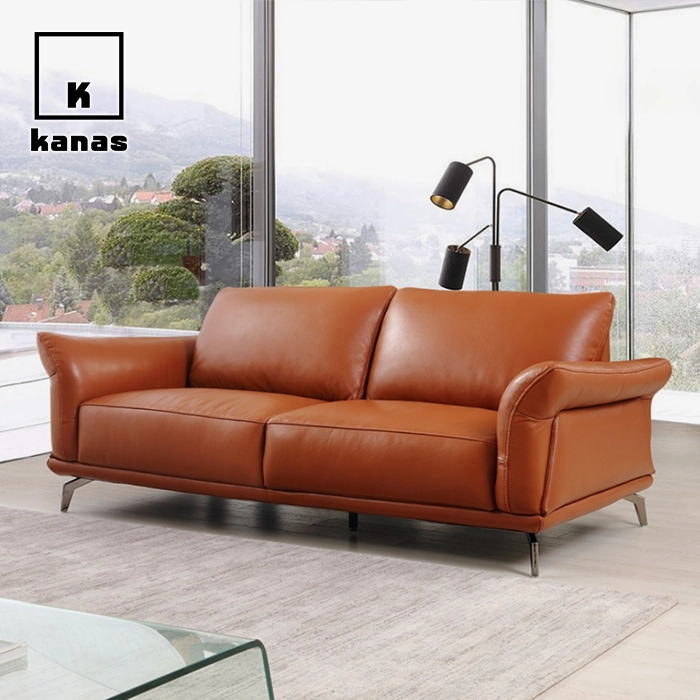
To integrate architecture well, you need to think about how the sofa fits in with the other things around it. It's not enough to just paint the walls the same color; leather tones should also go with wood floors, cabinet finishes, and window treatments. Cool grays look good in modern rooms with glass and stainless steel accents, while warm cognac or caramel leathers look good in traditional rooms with lots of wood.
Scale relationships keep things from looking out of order. big sectionals can help anchor big open-plan rooms by adding visual weight that grounds light design. On the other hand, tiny setups work well in small spaces without taking up too much space. The height of the legs affects how much mass something seems to have. Legs that are uncovered make something look lighter and make it easier to clean underneath, while bases that are trimmed give something a more solid, grounded look.
In some situations, the acoustic qualities are important. Leather doesn't soak up sound as well as fabric furniture, but it does soak up sound more than hard surfaces like glass or wood. Sectionals put in a smart way can help control echoes in home theaters without making the room too quiet. Leather seating absorbs sound slightly, which is helpful in business settings with hard floors and few soft furniture. This keeps conversations comfortable by reducing sharp echoes.
Comparing Power Sectional Types for Architectural Compatibility
Material Specifications and Durability Considerations
Both function and design suitability are directly affected by the quality of the leather. Full-grain aniline leather keeps the natural surface roughness of the hide and develops a rich color over time. This makes it perfect for home uses where character aging is desired. To keep this high-quality material from fading unevenly, it needs to be carefully placed out of direct sunlight. This means that the direction of the window is an architectural issue. Top-grain leather, which has its surface fixed and embossed, is better at resisting stains and keeping its color, which makes it better for business dining settings with a lot of foot traffic and frequent cleaning.
Protected leather finishes have polymer coats that keep liquids from sticking to the leather and keep it from getting scratched. This is important in places where children play or where there is a lot of foot traffic. In exchange, the material breathes a little less and feels less natural, but in challenging situations, the longevity benefits usually outweigh these drawbacks. Leather that is between 0.9mm and 1.4mm thick is the best mix. Thinner materials risk premature wear at stress points, and leather that is too thick doesn't bend as much as it needs to at articulation points in systems for reclining.
Frame construction decides how strong a structure will be in the long run. Kiln-dried wooden frames don't warp when motorized systems put pressure on them, so the modular parts stay aligned even after years of use. Some producers use furniture-grade plywood with cross-grain lamination, which gives the same level of physical stability as solid hardwood at a lower weight. This is helpful when installing on an upper floor where load limits apply. Legs and arms that are visible should match the style of the building. For example, curved wooden legs look good in mid-century modern rooms, while block metal legs go with industrial-modern styles.
Mechanical Systems and Operational Requirements
The quality of the actuator affects how reliably it works and how well it works with other architectures. Motors from well-known OEMs like Okin or Kaidi operate quietly at less than 50 decibels, which is important in beds or executive offices where mechanical noise makes it hard to concentrate. Lower-quality motors make grinding or humming sounds that are annoying, especially in rooms with hard surfaces that reflect sound.
By getting rid of the standard 18–24-inch rear clearance requirement, zero-wall reclining devices changed the way buildings could be placed. As the back reclines, the seat slides forward on precise metal tracks, which lets you place it just inches from walls. This engineering breakthrough makes it possible to set up different arrangements in small rooms, like power sectionals in narrow media rooms, small hotel bedrooms, or efficiency flats, where every square foot is valuable. During design, it is very important to know if a model uses true zero-wall geometry or just regular tilting mechanisms.
Customization Options for Unique Architectural Challenges
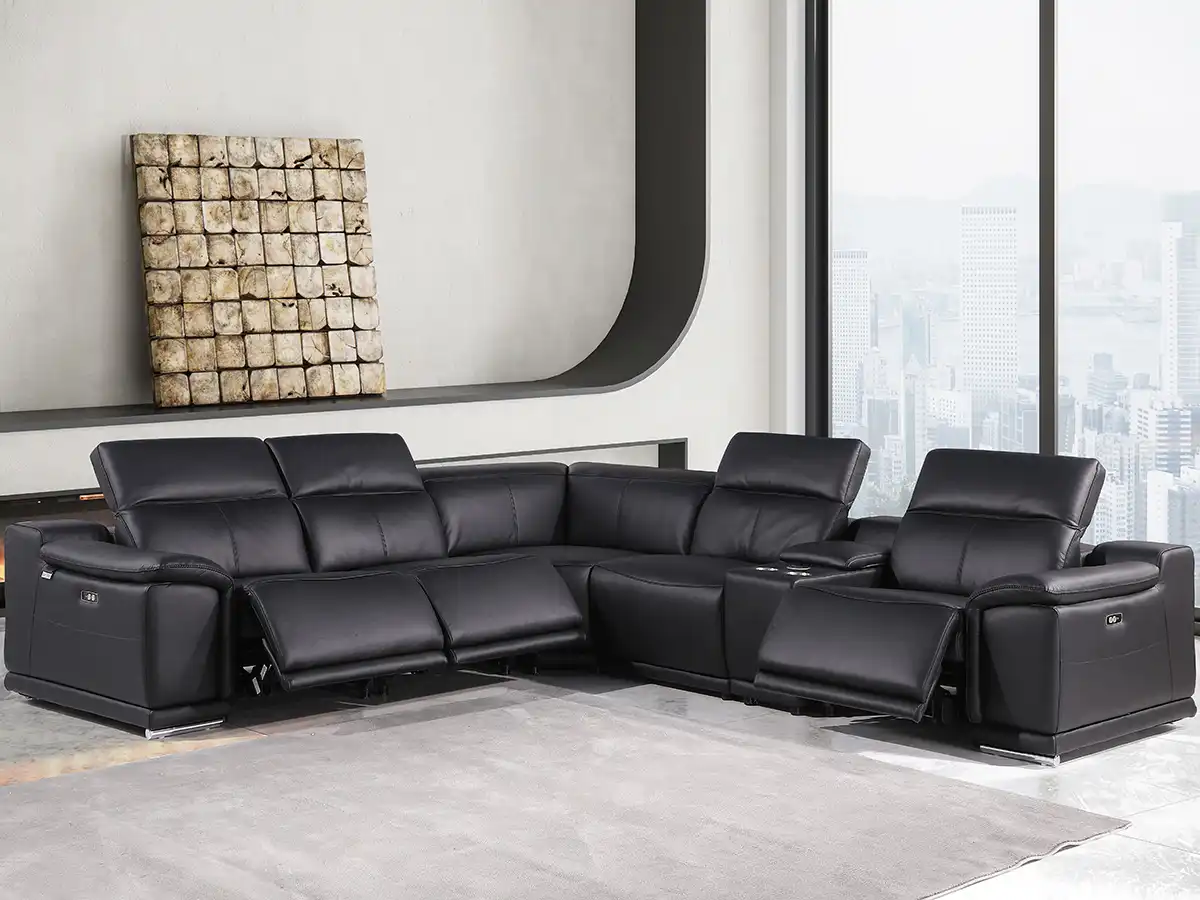
Modular sectional systems can be set up in a variety of ways to fit different building plans. Standard parts like corner units, armless chairs, chaise modules, and desks can be put together in different ways to make L-shaped, U-shaped, or straight layouts. Some makers make curved corner units that soften sharp edges in open-plan areas, making more natural flow patterns that go well with modern design.
Custom size works for measurements that aren't normal. Most sectionals use modules that come in standard lengths (38 to 40 inches) and widths (24 to 36 inches per seat), but OEM makers can change these sizes as long as they don't affect the structure. In a small media room, modules with less depth might help keep the walkway clear, and in rooms that are too big, extra-deep lounger setups can work. Being able to select custom sizes when buying furniture keeps you from having to choose between the best furniture and the room you have.
Customizing upholstery goes beyond choosing the color of the leather. Two-tone designs use colors that go well together on the seat pillows instead of the backs and arms. This adds visual interest and goes well with secondary colors used in architecture. Contrast stitching adds a small detail that makes the item look higher quality, which is something to think about when furnishing high-end hospitality spaces where design complexity shows brand placement. Tufting designs and cushion profiles (tight back vs. pillow back) affect both how something looks and how well it supports your back. This has effects on the types of people who might use it and the situations in which it might be used.
Installation, Maintenance, and Safety Tips for Optimal Matching
Professional Installation and Setup Protocols
Pre-delivery site inspection is the first step in a proper installation. Professional workers check the sizes of doorways, hallways, and stairwells to make sure that sectional modules can fit where they need to go without getting damaged. Most modular parts can be taken apart enough to fit through normal 32-inch openings. However, larger corner units or one-piece chaise modules may need other ways to get in, like patio doors, windows that need to be removed, or even an outside crane. Finding out about access problems before the delivery stops expensive delays and possible damage.
The electrical connection must meet the standards of the state code. Licensed electricians should check the circuit's ability, especially when more than one power seat is in use at the same time. To make electricity safety better in hospitality settings, ground-fault circuit interrupter (GFCI) security is suggested. Hardwired installs hide all the wiring inside the walls and floors, with only the furniture connection points showing. This method has the cleanest look, but it needs to be coordinated during building or people must be okay with having less placement options when the system is being retrofitted.
Leveling makes sure that machines work right and that wear patterns are correct. Installers put shims under the legs to even out uneven floors. This stops the legs from rocking, which puts stress on the frame joints and wears them out faster than they should. When putting together modular parts, they need to be perfectly lined up. The connection bolts need to sit all the way down so that there are no gaps or vertical misalignments between cushions. Taking the time to make sure the furniture is perfectly level and aligned during fitting keeps it looking great and stops problems with how it works.
Maintenance Strategies for Longevity
To take care of leather furniture, you must first know what kind of finish it has. Aniline leathers need to be cleaned with special cleaners that are pH-balanced and conditioned regularly to keep them from drying out and cracking, especially in climate-controlled spaces with low humidity. Leathers that have been protected can be cleaned with light soap solutions, but they still need to be condition every so often to stay soft. Setting up care procedures that are right for the leather saves the investment and keeps the furniture's look for as long as it's used.
Mechanical parts need to be checked and oiled on a regular basis. Every year, you should check the actuator mechanisms to make sure that the mounting bolts are still tight and that power sectionals wire connections don't show any signs of wear or rust. To keep the zero-wall tilting motion running smoothly, the metal tracks that guide it should be kept clean and lightly oiled with silicone spray. Regular maintenance stops small problems from getting worse and turning into fails that need expensive part replacement and lost work time.
Safety Compliance and Risk Mitigation
Electrical safety licenses show that the research and tests were done correctly. When you see the UL, CE, or ETL marks on a power supply box or its wires, you know that it meets safety standards set by major safety organizations. These certificates are important, especially in business settings where there is a lot of risk of liability and insurance plans may need certified tools. Checking licensing paperwork when buying something keeps problems from happening during building checks or insurance audits.
Pinch point security takes care of the technical risks that come with moving furniture. Good power sectionals have sensors that stop or reverse the motion automatically if they find something in the way of the reclining path. This keeps people from getting hurt. This function is very important in places where there are small children or pets, and it's also very important in places where older people who have trouble moving around are served. Before putting furniture into service, safety features are tested during the acceptance check to make sure they work properly.
Flammability standards vary by application and jurisdiction. Most furniture for homes meets the smolder resistance standards set by California Technical Bulletin 117-2013. When it comes to cushioned furniture and fire safety, commercial dining settings often need stricter standards like NFPA 266 or ASTM E1537 testing. Standards like UK Crib 5 or similar may be needed for international projects. By making fire safety standards clear early on in the specification process, costly compliance fails during project approval can be avoided.
Conclusion
To match power sectionals to the design of a room, you have to find a balance between technical requirements, space limitations, and aesthetic goals. The addition of motorized reclining devices to flexible leather seating systems brings about electricity, size, and functionality issues that go beyond the usual furniture selection issues. To be successful, you need to carefully look at the architecture, choose the right materials and mechanisms, and work with manufacturers who can make goods that meet foreign standards. Purchasing managers and designers who take the time to learn about these connections can avoid making mistakes that cost a lot of money and make places that are comfortable and useful for a long time. When you plan well, buy high-quality materials, and have a professional install them, you get the best return on your investment in home, hospitality, and business settings.
FAQ
Q1: How do I know what size Power Sectional I need for my room?
A: Carefully measure the size of your room, making sure to include doors, walkways, and space around the area where you want to put things. For zero-wall reclining mechanisms, power sectionals need 2 to 4 inches of back clearance. On the sides, where the footrests stretch, they need 12 to 18 inches of space. As a general rule, the couch shouldn't take up more than two-thirds of the length of the wall it faces. This will keep the room looking balanced and allow traffic to move. Making a scaled floor plan or using painter's tape to draw the footprint on your floor helps you see how the rooms will fit together before you buy.
Q2: What do I need to know about electricity needs?
A: When it's in use, each powered seat uses about 2 to 3 amps. A standard 15-amp home circuit is enough to power a three-seat power sectional, but separate circuits keep the sectional from tripping when other devices use the same circuit. Outlets should be placed no more than 6 feet away from where the furniture is going to go. Battery backup systems can be put anywhere, but they need to be charged every so often. Talk to your furniture dealer about the electricity requirements for the type you want to make sure you have the right setup.
Q3: Can power sectionals work in commercial hospitality settings?
A: For commercial uses, higher standards are needed than for private use. Choose top-grain leather that has been covered and is more resistant to wear, commercial-grade actuators that can handle longer job cycles, and frames that are stronger. Fire safety guidelines like NFPA 266 compliance are needed for a lot of hotel projects. Cord-tripping dangers are gone in public places with battery-powered choices. Working with manufacturers who know how to meet business specs will make sure that the products you buy will last and meet safety standards for high-use areas.
Q4: How does leather quality affect long-term performance?
A: The type of leather affects how long it will last and how much care it needs. Full-grain aniline leather gets a nice color over time, but it needs to be carefully cared for and kept out of direct sunlight. The longevity of top-grain leather is great, and it doesn't need much care, so it's good for most home uses. Protected leather is very resistant to stains and wear, making it perfect for homes or businesses. A thickness of between 0.9mm and 1.4mm makes sure that the product will last without limiting its flexibility at the places where it bends backwards.
Q5: What kinds of customization choices are there for different building situations?
A: Corner units, armless chairs, chaise modules, and ottomans can be put together in different ways to make modular sectional systems flexible in how they are set up. They can be arranged in an L-shaped, U-shaped, or straight plan. Some makers offer unique sizing to fit measures that aren't standard, but there are limits to how much they can change. You can choose the color, add contrast stitching, and mix two-tone fabrics when you customize upholstery. OEM makers can make completely unique solutions for big projects with specific needs, but they usually have minimum order numbers.
Q6: What plan for cleaning makes sure the best performance?
A: Leather furniture should be dusted once a month and cleaned every three months with items that are made for that type of leather. Drying and cracking can be avoided by treating once a year. The fixing tools, electrical links, and track lubrication for mechanical parts need to be checked once a year. Rotating the cushions every three to six months evens out the wear patterns. Commercial systems that get a lot of use may need to be serviced more often. Setting up rules that are right for your purpose and level of use will protect your investment and keep the furniture looking good for as long as it lasts.
Partner with Kanas for Your Power Sectional Furniture Needs
Kanas Furniture has been making high-end leather sectional sofas with power recliners for demanding business clients around the world for more than four years. Our 40,000-square-meter factory in Foshan, China, is known as the center for furniture making in the country. It has state-of-the-art equipment and more than 400 skilled workers who work together to make sure that the quality always meets North American and European standards. When buying furniture for hotels, apartments, or stores, we know how hard it can be for purchasing managers to make sure that the furniture fits in with the architecture.
To talk about your unique needs, please email our procurement experts at sc@kanasfurniture.com. We give clear pricing structures, samples of materials, and thorough technical specs to help you make an informed choice. Working with big stores like Costco and Walmart shows that we can handle large sales with steady quality and on-time delivery. Find out how Kanas can become your go-to company for making power sections for jobs in North America, Europe, and other places.
References
1. Miller, R.J. & Thompson, S.K. (2021). Furniture Engineering and Design Standards: Modern Upholstery Systems. New York: Interior Design Press.
2. Anderson, L.M. (2022). "Ergonomic Considerations in Motorized Furniture Design," Journal of Furniture Technology and Manufacturing, 18(3), 147-162.
3. Harrison, P.D., Chen, W., & Roberts, K. (2020). Commercial Interior Furnishing: Specification and Procurement Guide for Hospitality Applications. London: Architectural Resources Publishing.
4. National Fire Protection Association (2023). NFPA 266: Standard Method of Test for Fire Characteristics of Upholstered Furniture Exposed to Flaming Ignition Source. Quincy, MA: NFPA.
5. Williams, J.A. (2021). "Material Science in Leather Upholstery: Durability and Performance Factors," International Journal of Materials Engineering, 42(7), 891-908.
6. Business and Institutional Furniture Manufacturers Association (2022). BIFMA X5.4: Seating Standards for Commercial and Residential Applications. Grand Rapids, MI: BIFMA International.
Learn about our latest products and discounts through SMS or email