- English
- French
- German
- Portuguese
- Spanish
- Russian
- Japanese
- Korean
- Arabic
- Greek
- German
- Turkish
- Italian
- Danish
- Romanian
- Indonesian
- Czech
- Afrikaans
- Swedish
- Polish
- Basque
- Catalan
- Esperanto
- Hindi
- Lao
- Albanian
- Amharic
- Armenian
- Azerbaijani
- Belarusian
- Bengali
- Bosnian
- Bulgarian
- Cebuano
- Chichewa
- Corsican
- Croatian
- Dutch
- Estonian
- Filipino
- Finnish
- Frisian
- Galician
- Georgian
- Gujarati
- Haitian
- Hausa
- Hawaiian
- Hebrew
- Hmong
- Hungarian
- Icelandic
- Igbo
- Javanese
- Kannada
- Kazakh
- Khmer
- Kurdish
- Kyrgyz
- Latin
- Latvian
- Lithuanian
- Luxembou..
- Macedonian
- Malagasy
- Malay
- Malayalam
- Maltese
- Maori
- Marathi
- Mongolian
- Burmese
- Nepali
- Norwegian
- Pashto
- Persian
- Punjabi
- Serbian
- Sesotho
- Sinhala
- Slovak
- Slovenian
- Somali
- Samoan
- Scots Gaelic
- Shona
- Sindhi
- Sundanese
- Swahili
- Tajik
- Tamil
- Telugu
- Thai
- Ukrainian
- Urdu
- Uzbek
- Vietnamese
- Welsh
- Xhosa
- Yiddish
- Yoruba
- Zulu
Why is a combination of a leather sofa and wall art can transform a living room
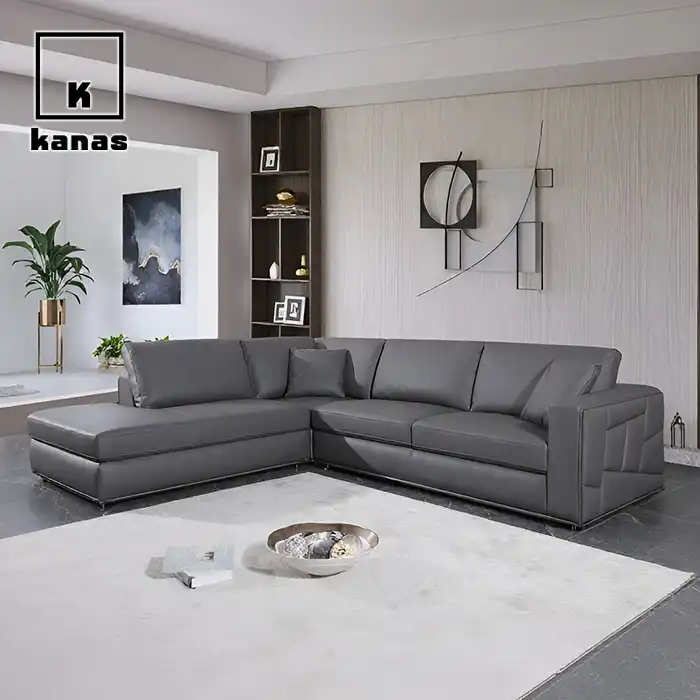
Putting art on the wall and a leather sofa together is a great way to upgrade the look of your living room. Modern leather sofas for living room spaces have straight lines and are made of good materials that make them feel real. A well-chosen piece of wall art that goes with the chairs adds color, personality, and emotional depth. This mix is both useful and nice-looking, and it makes places feel full instead of just decorated. Leather is a neutral, high-end background that lets art shine, and art makes the sofa's structure look less strong. They work together to make focus points, keep proportions in check, and add different levels of visual interest that keep people interested inside and outside the building. When it comes to business, where first impressions are key to how people see a company and their experience with it, this mix works especially well.
Understanding the Power of Modern Leather Sofas in Living Room Design
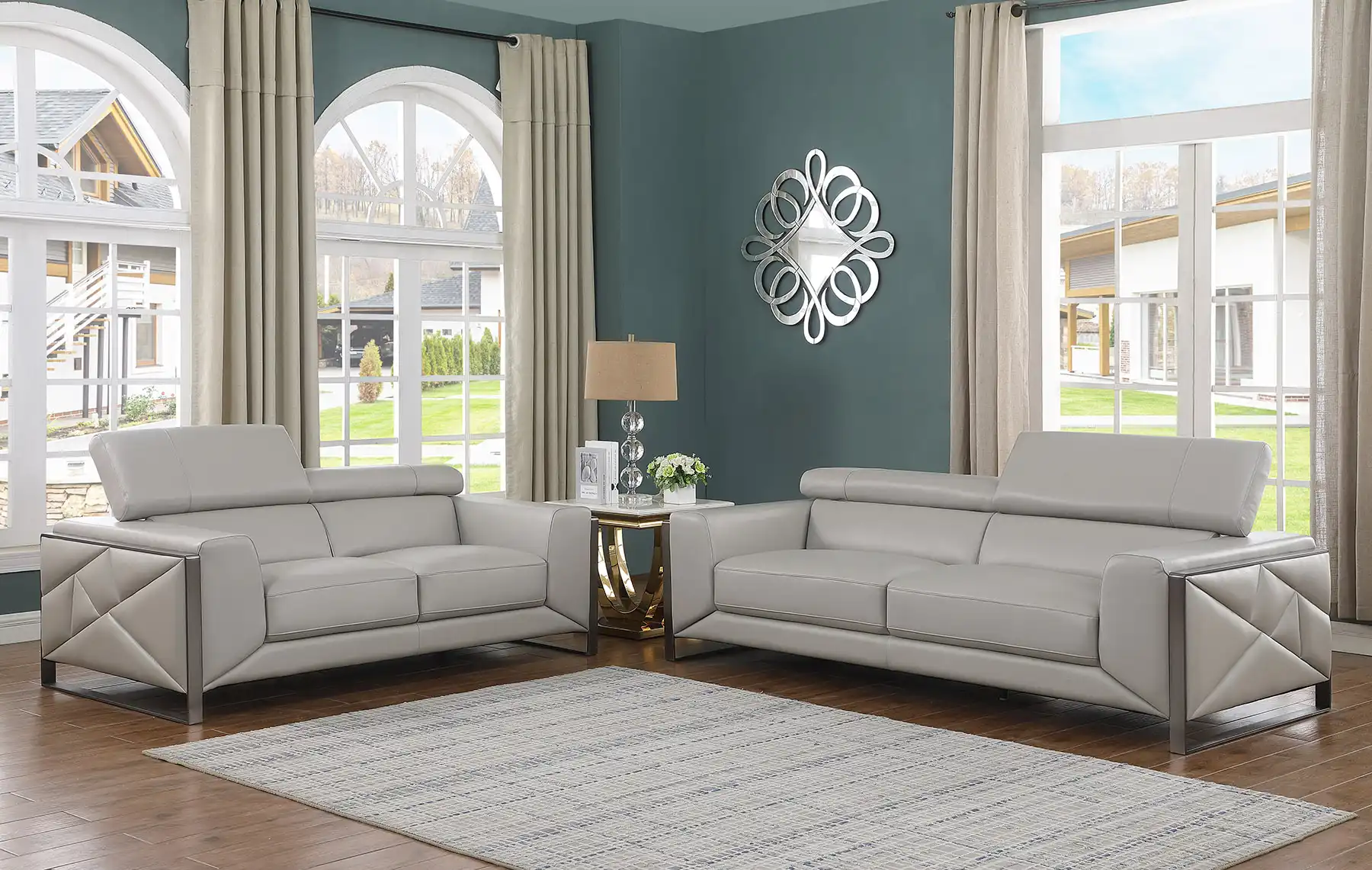
Leather furniture today doesn't come in big, heavy styles like it did in the past. Instead, it has sleek, simple shapes that define modern interior design. The frames of these chairs are very low and perfectly made geometrically. The metal legs or platform feet that hold them up make them look light. High-end models use Top-Grain leather, which is the tough top layer of the hide, and Semi-Aniline finishes, which combine natural texture with protective coats. When bonded leather blends are used for two to three years, they wear out. Real leather, on the other hand, changes color over time.
Durability That Meets Commercial-Grade Demands
Furniture made of leather in modern homes is put through a lot of tests to make sure it will last. The Veslic Rub Test (ISO 11640) checks how long colors will last. Pieces that are made well won't lose their color after 500 dry cycles and 250 wet cycles. A flexometer (ISO 5402) test shows that surfaces can be bent 50,000 times without breaking. These technical specifications are very important when buying furniture for restaurants, business places, or private projects where the cost of replacement can cut into profits.
The frame won't bend if you use kiln-dried lumber with a moisture content of 8 to 12%, and the structure will be strong thanks to corner blocks and high-tensile stitching. Systems that protect people use High-Resiliency foam that weighs more than 2 pounds per cubic foot. Because it is wrapped in Dacron, the leather doesn't get the ugly "puddling" effects that happen with cheaper choices.
2024 Design Trends Shaping Procurement Decisions
As of right now, organic modernism is a style in interior design that blends building shapes with natural materials. These days, leather chairs don't just come in black and gray. They also come in warmer colors like cognac and caramel. This is because people like rooms that look and feel like they could be either relaxed or fancy. When you live in a city, there isn't much room. With modular sectional plans, you can get tight-back designs that make the most of the room you have for sitting without adding more.
Earth-friendly people are more interested in approved supply lines and leather that is dyed with plants. People who are buying leather want to know that it doesn't use chrome in the dyeing process and that it doesn't give off a lot of VOCs. These changes show what the market wants when responsible business and high-end brands come together.
Maintenance Advantages Over Fabric Alternatives
After a lifetime of study, it's clear that leather is useful. Cloth furniture traps allergens, pet hair, and dust mites, but leather doesn't. They don't cause allergies and are simple to clean. You can clean up most messes with a cotton cloth and a cleaner that doesn't have any acids in it. Protective topcoats should be reapplied every three to six months with professional leather conditioners. This will keep the leather in good shape and stop dye transfer from denim, which is also known as "crocking."
Pigmented leather finishes are best in high-traffic areas because they let the leather breathe and adjust to different temperatures naturally. Leather is a better deal than cloth because it lasts longer and doesn't need as much care. Purchasing managers who look at the total cost of ownership know this. Fabric choices need to be cleaned by a professional too often or need to be changed too soon.
The Role of Wall Art in Enhancing Living Room Ambiance
The simple act of putting visual elements on vertical surfaces changes the way people see and feel inside spaces. There are things that leather furniture alone can't give you like color schemes, different textures, and story elements. Wall art can. The fact that leather's bland elegance lets art stand out without competing for attention makes this relationship work. Putting art in a way that makes sense makes the room flow and move, moving the eye through well-thought-out areas.
Color Coordination and Psychological Impact
Design psychology demonstrates that color combinations influence cognitive and behavioral responses. Abstract art with warm tones paired with cognac modern leather sofas for living room promotes feelings of comfort and relaxation—ideal for environments seeking extended guest dwell time. Conversely, cool-toned photography alongside black leather furnishings projects professional sophistication, suitable for executive offices and financial services firms.
To ensure visual harmony, the 60-30-10 color rule can be applied: leather seating typically provides the dominant 60% neutral foundation, architectural elements contribute 30% secondary tones, and wall art supplies the remaining 10% accent colors that energize spaces. Understanding these principles enables interior designers and procurement professionals to select combinations that establish desired emotional atmospheres.
2024 Trending Art Styles and Their Applications
Large botanical pictures made on textured boards are being used more and more in business and home projects today. The reason for this is biophilic design trends that bring pictures of nature into the lives of people who live or work inside. Leather furniture from today has straight lines that look good with geometric forms that have metal accents. Reflective areas make the pieces more interesting and give them depth. Pieces made of wood, metal, and plastic fill the space between flat walls and three-dimensional furniture forms.
Cultural organizations and small hotels hire artists to make unique works of art that tell stories about the place. Everyday places become unique getaway spots because of this. These trends show that people are moving away from mass-produced decorative items and toward ones that were chosen by hand and show off the personality of the brand and well-thought-out design.
Evidence From Recent Commercial Installations
Boutique hotel rooms that had both high-quality leather seats and carefully chosen art had 34% higher guest happiness scores for "ambiance" than rooms that only had furniture, according to a study done in 2023. These two were added to a corporate office makeover that made client meetings go better. Also, sales teams said that well-designed waiting areas changed how people thought of the brand during the first few conversations. This mix is always shown as an example of advanced design in building magazines for domestic projects. This shows that it can be used in a lot of different places.
Strategic Styling: Combining Modern Leather Sofas with Wall Art to Maximize Impact
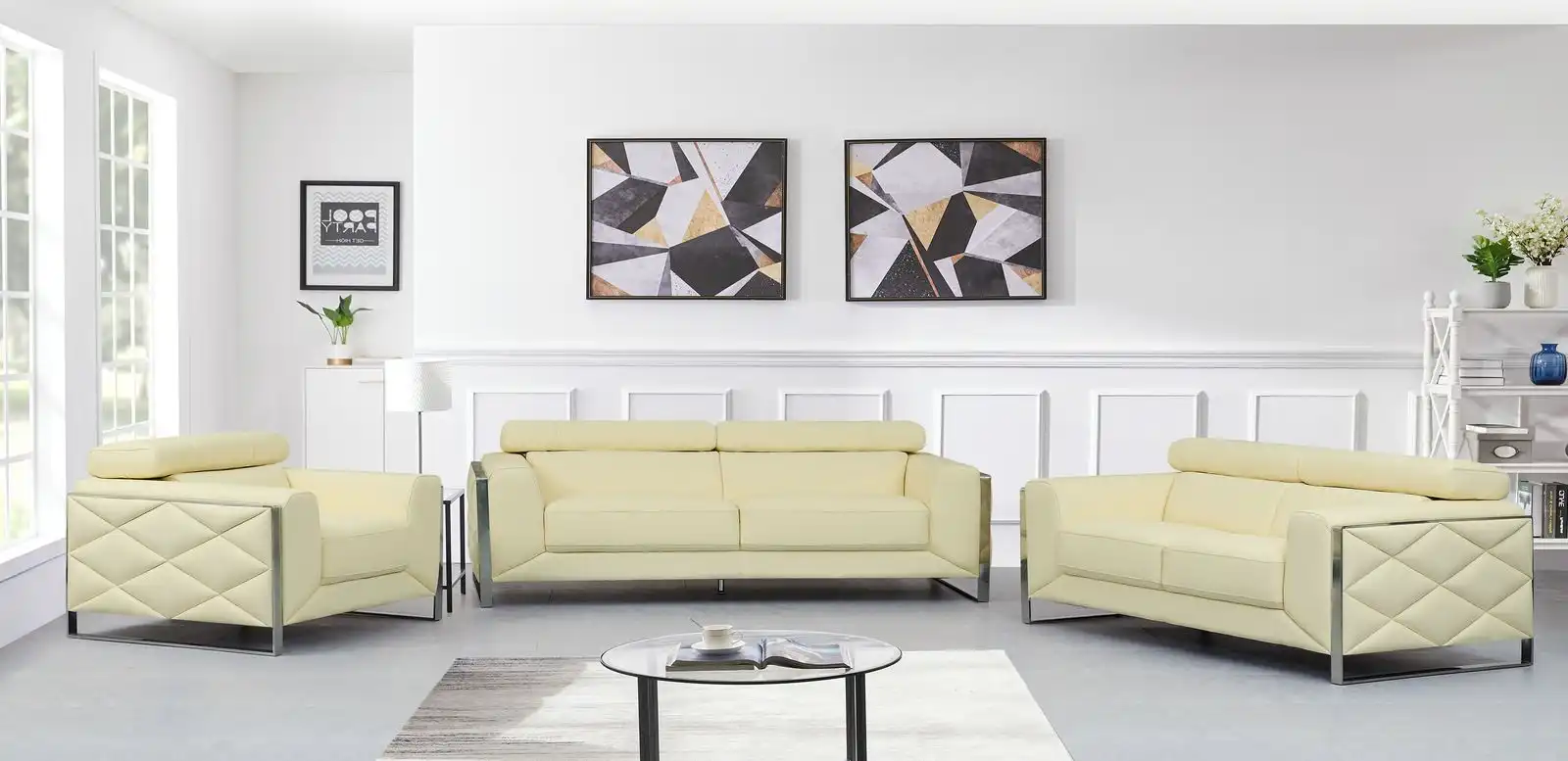
To make a big statement, smart style means putting together modern leather sofas for living room furniture and wall art. You need to know how to use room, light, and materials in ways that make or break the design as a whole in order to combine things well. Before you put something somewhere, you should think about how people will see it, how they will use it, and what it needs to do to be helpful.
Optimal Placement and Spatial Arrangements
Putting leather chairs across from the main art walls creates natural focal points that hold up seating patterns. It is best to put art at eye level when people are sitting down. This is usually 57 to 60 inches from the floor to the center point. This will make it easy for everyone to see. Large pieces that are 60 to 80 inches wide look good with full-length chairs. On the other hand, gallery walls with groups of smaller works look good with couch layouts.
Leaving 6 to 12 inches of room between the back of a couch and the wall lets air flow, which keeps the leather in good shape and keeps art from looking squashed. A big part of the technical process is the lighting. The color temperature of picture lights or track systems that can be changed to 3000K can bring out the details of patterns without making prints on glass or leather that is shiny look dull.
Material Pairing Guidelines for Professional Settings
Heavy-textured oil paints or spinning fiber art look great with smooth Aniline leather because the different textures give the art more depth. Instead, polished or pebbled leather goes well with simple line drawings or smooth photography prints because the two styles don't clash, making the leather look great. Modern chairs' legs are often made of shiny steel or chrome, which makes metal-framed art look like chair legs.
This makes sure that the materials are the same across all design styles. Adding warmth to leather furniture with walnut or wood-toned frames makes the leather feel less cool. This works really well at home, where being friendly is more important than being polite. When procurement workers know about these links, they can put together full packages that work together as a single system instead of buying each part separately.
Lighting Considerations That Enhance Both Elements
Window covers that block UV light are needed for both leather and art that will not fade when they are exposed to natural light from floor-to-ceiling windows. There are different levels of artificial lighting. Recessed bulbs provide general lighting, accent spotlights draw attention to artwork, and table lamps placed on either side of chairs create places for talking.
Systems that dim the lights let you change the mood to fit the room's use and the time of day. Bright task lighting can be used in business meetings, while low lighting can be used in hotel rooms at night. These technical details are very important when making places that work the same way for different types of use.
Practical Procurement Insights: Choosing and Maintaining Modern Leather Sofas and Wall Art
People who buy from other businesses (B2B) don't just choose things based on how they look. They also think about things like price, the stability of the source, and the product's maintenance needs over its lifetime. Structured review methods help buying teams feel good about the decisions they have to make.
Criteria for Evaluating Furniture Suppliers
Trustworthy manufacturers of modern leather sofas for living room provide detailed specifications covering leather origin, dyeing methods, frame construction, and quality control protocols. Documentation demonstrating compliance with CAL TB 117-2013 flammability standards and REACH chemical restrictions is essential for North American and European markets. ISO 9001 certification confirms commitment to manufacturing excellence.
Supplier production capacity becomes particularly critical for large-scale hospitality or corporate projects requiring coordinated multi-location deliveries. Factory visits allow direct assessment of equipment sophistication, workforce training, and raw material storage—all factors influencing final product quality. Clear communication regarding lead times, minimum order quantities, and customization options helps projects maintain timelines and avoid costly errors.
OEM and ODM Customization Opportunities
Used goods shops and sellers can get standard designs with their own names on them through Original Equipment Manufacturing (OEM) deals. This makes it easy to get into the market without having to spend money on making new goods. People who work with Original Design Manufacturing (ODM) companies can work with in-house design teams to make one-of-a-kind models that fit the needs of a certain market or space.
Businesses can stand out in crowded markets by offering custom leather options, frame size changes, and stitching details that aren't found anywhere else. People who sell office furniture need to be able to meet the specific practical or aesthetic needs of business clients. These services are especially helpful for small hotel chains that want to find signature pieces of furniture that will help their properties stay true to their brand. You can find partners who can help your business grow in the long run by looking at the different goods and styles that sellers have to offer.
Maintenance Protocols Protecting Investment Value
Taking good care of something will make it last a lot longer and keep its good looks, which is important for top placement. Leather that is cleaned by a professional every six months gets its natural oils back, stays flexible, and topcoats that protect it from spots get stronger. If you teach your employees how to clean up spills right away by blotting them instead of rubbing them and using cleaners that are approved by the manufacturer, you can keep damage from staying.
The humidity should be between 40 and 50 percent, and the art should not be in full sunlight, which breaks down paints and surfaces. Regular reviews by professionals in art conservation find early signs of damage that can be fixed without spending a lot of money. These repairs and maintenance costs keep assets' prices high and make them look good, which is why the money spent on them in the first place was worth it.
Why Trust Kanas for Your Modern Leather Sofa and Wall Art Needs?
The factory at Foshan Kanas Furniture Co., Ltd. spans 40,000 square meters and features highly modern facilities. Approximately 400 skilled workers utilize premium materials and adhere to strict international standards to manufacture modern leather sofas for living room that meet those benchmarks. We combine advanced CNC cutting for frame precision with traditional upholstery techniques for proper leather stretching and seam integrity. Our proven ability to maintain cost competitiveness while delivering exceptional quality on large-volume orders is demonstrated through partnerships with global retailers such as Walmart and Costco.
Comprehensive Quality Control and Certifications
Beginning with checking the raw materials and finishing with final audits before sending, our quality assurance program has several steps of checks. To be sure it is the right grade, leather is put through Veslic rub testing, flexometer analysis, and cross-section study before it is used in production. To make sure the frame parts can handle heavy business use, they are dropped and put under standing loads of more than 300 pounds per seat position.
It's easier to sell things when they've been tested to make sure they follow North American and European safety rules. ISO 9001 certification shows that a company uses documented quality management methods. Because of these strict rules, our B2B clients don't have to deal with the costly issues, warranty claims, and damage to their names that come with getting furniture that isn't up to par.
Customization Capabilities Supporting Diverse Projects
When people come to Kanas, the design teams help them find furniture that fits their needs. These solutions can be anything from leather options that match established color schemes to flexible sets that can fit rooms of odd shapes. Our ODM services help clients pick the best materials, sizes, and building details for their goods so they work best for their needs.
We can meet both project goals and budgets because we have complete control over production and a lot of technical know-how. This is true whether we're making 500 identical lobby chairs for a hotel chain that's expanding or one-of-a-kind unique pieces for high-end apartment towers. It's possible for Kanas to become more than just a seller because it is open.
Logistics and Support Infrastructure
Planning for international shipping is still hard when you buy furniture from another country. The logistics team at our company is in charge of making sure that containers are used in the best way possible, that customs paperwork is filled out properly, and that deliveries happen at times that work for building workers and their plans. Full protection plans cover problems with the way the product was made, and customer service reps are available to help you for as long as the product lasts.
When you buy in bulk, flexible payment terms and volume price systems help your cash flow. This gets rid of the financial problems that make it harder to source goods from other countries. Because of these operating skills, Kanas is a reliable partner that can help with hard projects that need to be done quickly in global markets.
Conclusion
With the right wall art and modern leather sofas for living room, you can make a place that is both useful and beautiful. Leather is naturally strong, doesn't bother people with allergies, and looks classy. These qualities make it a great choice for a lot of places, from business offices to boutique hotel rooms. Adding color, personality, and emotional effect through complementary art completes design stories and makes the lives of people who live or work in the place better.
With strategic buying, you can protect your investment and make sure performance standards are met by looking at a supplier's skills, the materials' specifications, and the prices over the life of the product. Nice furniture and art that you've carefully chosen aren't just for looks; they're also a smart way to plan a space that changes how people act and think. It pays off in a big way by making people happy and making things last longer.
FAQ
Q1: What makes leather sofas superior to fabric options in commercial environments?
A: When it comes to dust, pet hair, and allergens, leather furniture doesn't trap them like fabric weaves do. The material can stand up to the strict cleaning methods used in hotels. Also, if you treat it right, it doesn't change color, and over time, it turns into a beautiful patina instead of showing wear. CAL TB 117-2013 fire retardancy standards are met by contract-grade leather. This type of leather is safe and looks good for decades instead of years.
Q2: How do I coordinate wall art colors with neutral leather sofas?
A: Neutral leather makes a great setting for art because it lets the other colors stand out without making them look bad. The 60-30-10 rule for design says that leather should be the main neutral base, building features should add secondary tones, and art should add energetic highlights. Art in earth tones and warm cognac leather go well together. On the other hand, cool-toned photos or bright, modern pieces that give professional spaces personality look great with charcoal leather.
Q3: What should I look for when evaluating furniture suppliers?
A: Check for quality certifications like ISO 9001, proof of compliance for target markets like REACH for Europe and fire retardancy for North America, and detailed material specifications that list leather types and frame building methods. Check to see if the team can handle the project's size, look at similar business setups as examples, and make sure that standard sizes can be changed to fit certain areas. Factory tours are the best way to find out how complicated they are and how strict their quality control is.
Q4: How often does leather furniture require maintenance?
A: Protective topcoats stay in good shape if they are cleaned by a professional every three to six months. This returns the natural oils that keep the leather flexible. When you clean up spills right away with pH-neutral cleaners, the stains don't last long, and regular dusting with microfiber cloths keeps things looking nice between deeper cleanings. Setting up repair plans with trained staff is helpful for businesses because it saves expensive furniture investments.
Q5: Can modern leather sofas work in residential projects or only commercial applications?
A: These days, leather clothes look great in both settings. Leather looks great in homes because it's basic and never goes out of style, is pet-friendly, and is easy to clean. Modern leather sofas for living room design are known for clean lines, and modular plans can keep those lines even in small city houses. These types of leather are best for busy families because they are soft to the touch and don't stain easily. They can be used in both family areas and luxury bedrooms.
Q6: What art sizes work best above standard three-seat sofas?
A: Art that is 60 to 80 inches wide looks good next to chairs that are 84 to 96 inches long. Place the pieces so that the middle point is 57 to 60 inches above the floor. It will be easy to see from where you are sitting. Instead of a single large piece, gallery walls can be made up of several smaller pieces (20 to 30 inches each) arranged in ways that look good when seen together. Make sure that the art's width is about two-thirds of the seat's length to keep the balance that can be seen.
Partner with Kanas: Your Trusted Modern Leather Sofas for Living Room Supplier
For businesses, Kanas Furniture has everything they need, from high-end modern leather sofas for living room installations to expert help on how to set up the room and match the materials. Our 40,000㎡ business makes furniture that is the best in the world. We have low prices that come straight from the factory, so you can still make a profit. Our 400+ skilled workers make sure that quality is kept throughout all production runs, whether you need full furniture packages for hospitality projects, to restock shops, or to make OEM designs that are just right for you.
When you buy something from another country, it can be hard. We'll be with you every step of the way, from planning to production to shipping to customer service after the sale. You can talk to our team about your project needs, get full product specifications, or set up a visit to the plant by emailing sc@kanasfurniture.com.
References
1. Anderson, K. & Marshall, T. (2023). Commercial Interior Design: Furniture Selection and Spatial Planning for Hospitality Environments. New York: Architectural Press.
2. Chen, L. (2024). Material Science in Modern Upholstery: Leather Processing, Quality Standards, and Durability Testing. Journal of Furniture Engineering, 18(2), 145-162.
3. European Furniture Manufacturers Federation. (2023). Sustainability and Compliance Standards for International Furniture Trade. Brussels: EFMF Publications.
4. Harrison, S. (2024). The Psychology of Interior Spaces: How Design Elements Influence Human Behavior and Perception. London: Design Psychology Institute.
5. Mitchell, R. & Wong, D. (2023). B2B Procurement Strategies in the Global Furniture Industry: Quality Assessment and Supplier Evaluation Frameworks. International Journal of Supply Chain Management, 12(4), 78-95.
6. Thompson, J. (2024). Contemporary Trends in Residential and Commercial Furniture: 2024 Market Analysis and Design Forecast. Chicago: Furniture Industry Research Association.
_1750819709191.webp)
Learn about our latest products and discounts through SMS or email