- English
- French
- German
- Portuguese
- Spanish
- Russian
- Japanese
- Korean
- Arabic
- Greek
- German
- Turkish
- Italian
- Danish
- Romanian
- Indonesian
- Czech
- Afrikaans
- Swedish
- Polish
- Basque
- Catalan
- Esperanto
- Hindi
- Lao
- Albanian
- Amharic
- Armenian
- Azerbaijani
- Belarusian
- Bengali
- Bosnian
- Bulgarian
- Cebuano
- Chichewa
- Corsican
- Croatian
- Dutch
- Estonian
- Filipino
- Finnish
- Frisian
- Galician
- Georgian
- Gujarati
- Haitian
- Hausa
- Hawaiian
- Hebrew
- Hmong
- Hungarian
- Icelandic
- Igbo
- Javanese
- Kannada
- Kazakh
- Khmer
- Kurdish
- Kyrgyz
- Latin
- Latvian
- Lithuanian
- Luxembou..
- Macedonian
- Malagasy
- Malay
- Malayalam
- Maltese
- Maori
- Marathi
- Mongolian
- Burmese
- Nepali
- Norwegian
- Pashto
- Persian
- Punjabi
- Serbian
- Sesotho
- Sinhala
- Slovak
- Slovenian
- Somali
- Samoan
- Scots Gaelic
- Shona
- Sindhi
- Sundanese
- Swahili
- Tajik
- Tamil
- Telugu
- Thai
- Ukrainian
- Urdu
- Uzbek
- Vietnamese
- Welsh
- Xhosa
- Yiddish
- Yoruba
- Zulu
Leather Sectional vs Leather Sofa: Which One's Right for Your Room?
When looking at high-end seating options for businesses, hotels, or high-end home developments, the choice between a leather sectional and a regular leather sofa can often affect both how well the room is used and how happy the users are. By making the best use of corner setups, a leather sectional with chaise lounge usually has more seats than other types of sectionals. This makes it perfect for open-plan executive rooms or hotel suites that need to be able to change their layouts easily. Classic leather couches, on the other hand, have a simple elegance that works well in formal waiting rooms. Procurement managers can make sure that furniture purchases are in line with practical goals and aesthetic standards if they know how each design works with space limitations, ergonomic needs, and reliability needs.
Understanding Leather Sectionals and Leather Sofas
Defining Leather Sectionals with Chaise Configurations
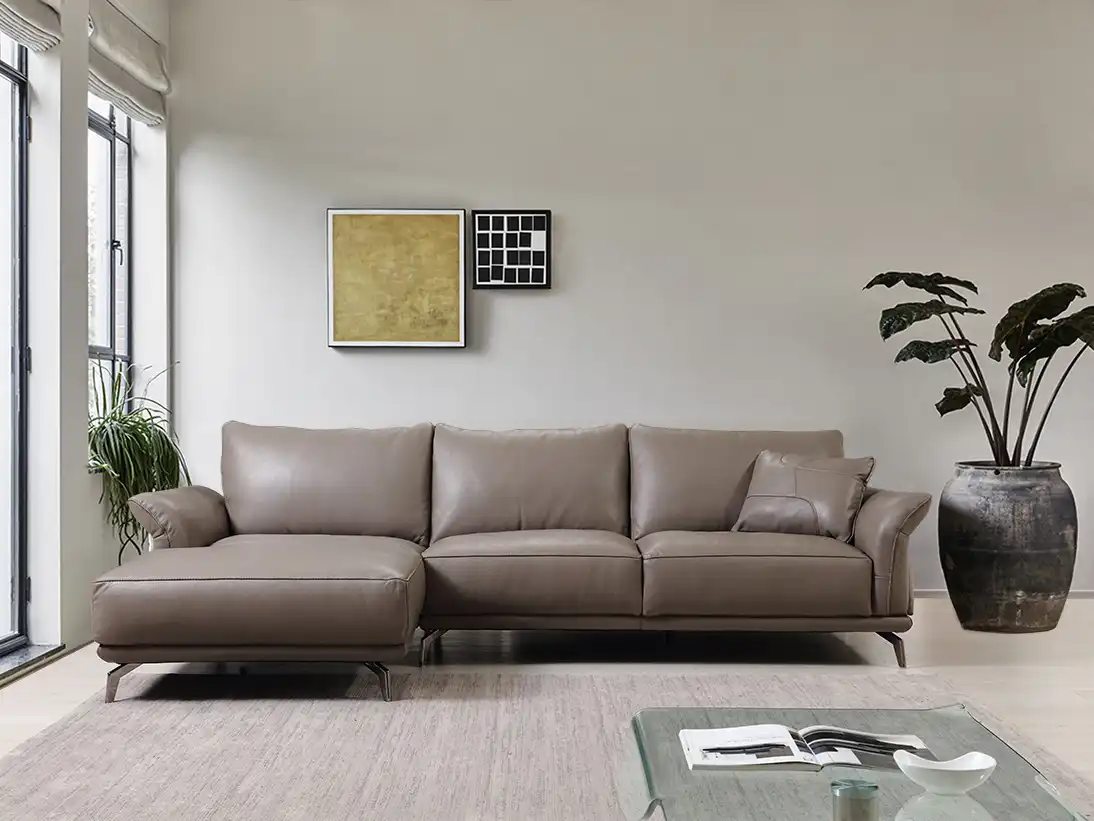
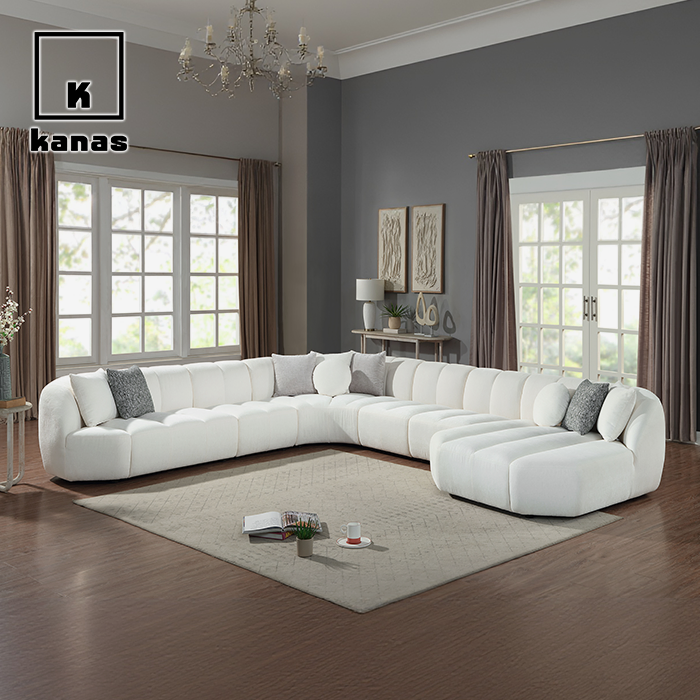
A leather sectional with chaise lounge is a modular or semi-modular piece of furniture covered in real bovine hide or high-quality engineered leather alternatives. It has a standard horizontal sofa section and an elongated perpendicular seat designed to support your legs. This arrangement solves the ongoing problem of fitting as many seats as possible into small floor plans without making the room look cluttered. The chaise part usually sticks out 60 to 80 inches from the main body, making a separate area for relaxing that regular chairs can't do.
Modular leather sectionals are very flexible and can be used in business areas that need to change their shape often. Components can be moved around to fit different needs in space. This is a big plus for places like hotel lobbys, co-working lounges, and executive waiting rooms where flexibility is key to running smoothly. Modern designs have smooth edges, slim shapes, and neutral color schemes that range from traditional blacks and browns to modern grays and tans. This makes them compatible with a wide range of architectural styles commonly found in business spaces in North America and Europe.
Traditional and Modern Leather Sofa Configurations
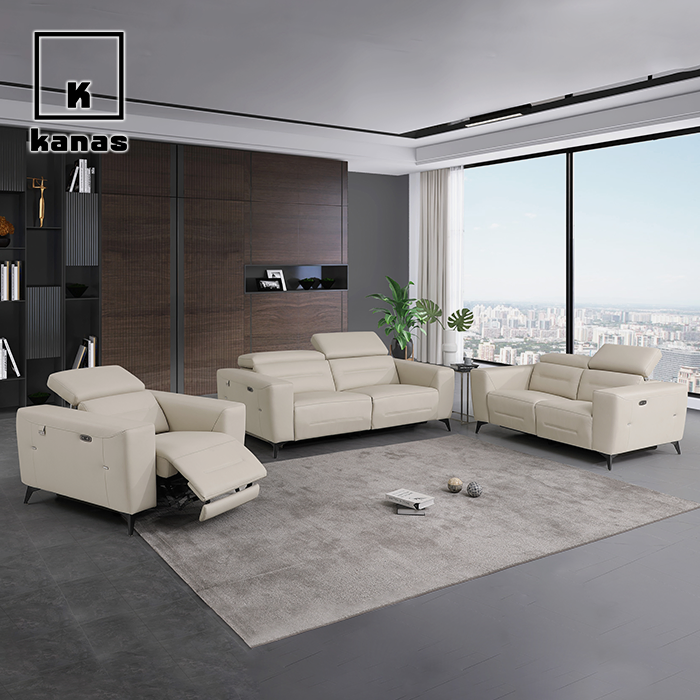
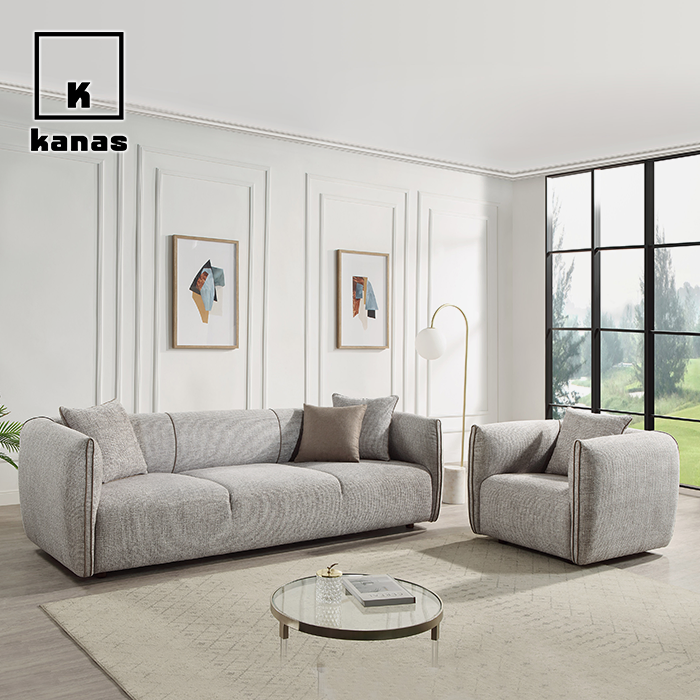
Traditional leather sofas come in set three- or two-seater styles, making them easy to install and leaving a known footprint in the room. For traditional greeting areas, corporate settings often choose Chesterfield-style designs with tufted backs and rolled arms. Modern offices, on the other hand, tend to favor minimalist features with track arms and metal legs that are left uncovered. Modern versions have ergonomic improvements like back support padding and movable headrests, which solves the problem of comfort during long periods of sitting, which are popular in client meeting rooms.
Historical Evolution and Industry Trends
The idea of a sectional couch came about in the middle of the 20th century in the United States, when builders started to use open-floor plans for homes instead of formal room divisions. In the 1990s, commercial use sped up when hospitality planners realized that sectionals could be used to divide up space without building fixed walls. In the last few decades, new materials have been created, such as semi-aniline leather treatments that let air flow while also being stain-resistant. This is especially helpful for business settings with a lot of people.
The business-to-business market of today wants furniture that combines traditional craftsmanship with modern performance standards. This is why manufacturers spend money on kiln-dried hardwood frames, high-resiliency foam cores, and long-lasting top-grain leather upholstery that can withstand more than 50,000 Martindale abrasion cycles of heavy commercial use.
Key Differences Between Leather Sectionals and Leather Sofas
Space Utilization and Layout Optimization
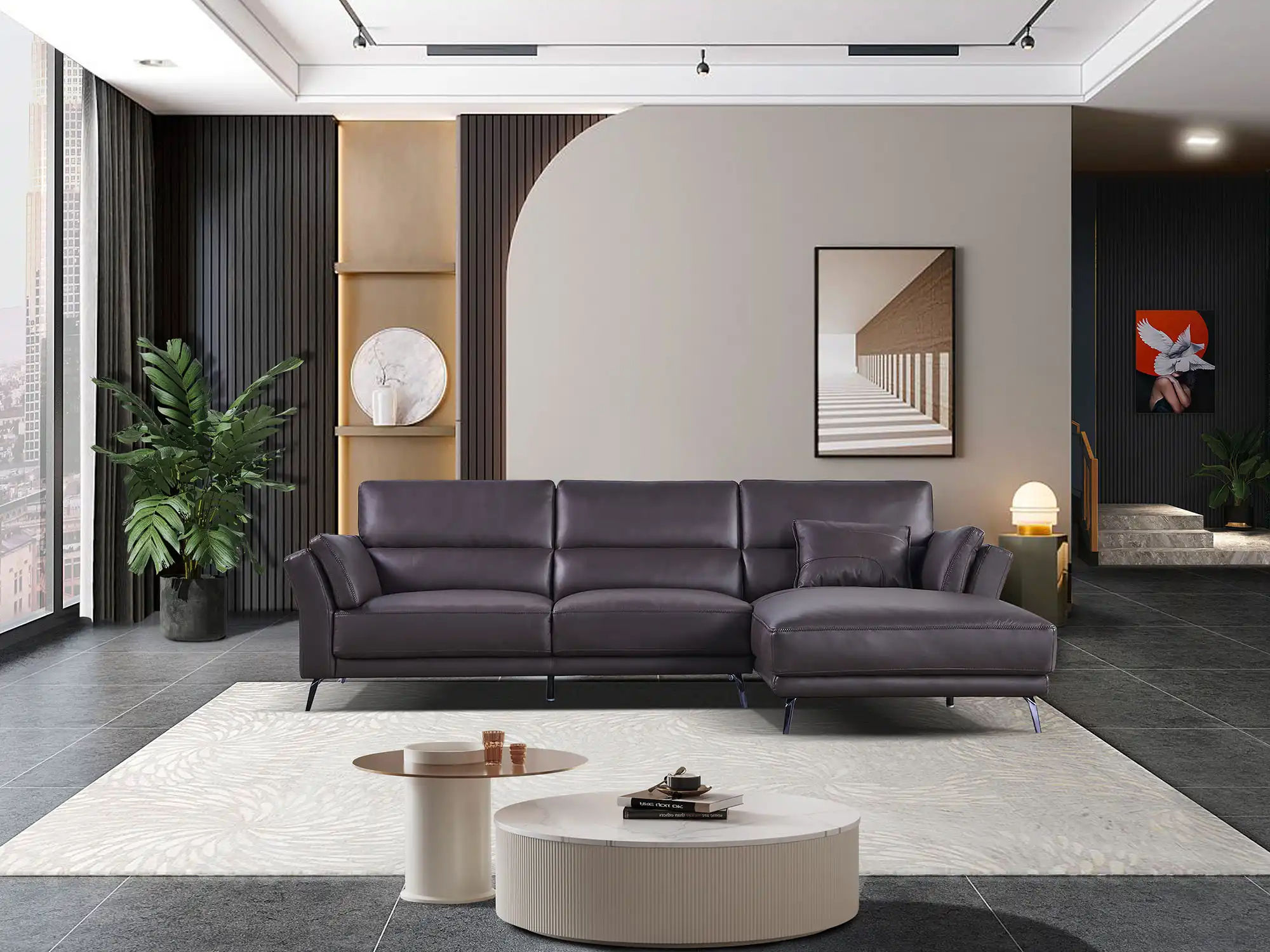
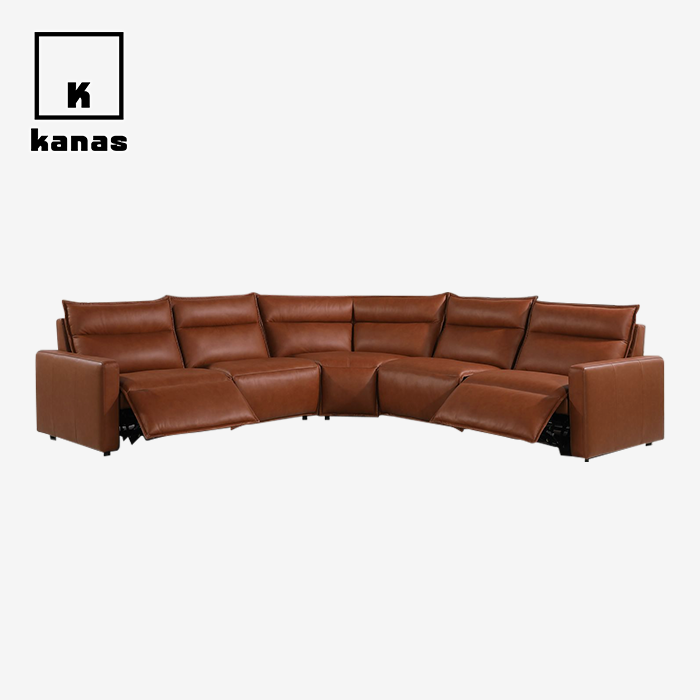
Leather sectionals are great for putting in corners because they can turn empty, sharp corners into useful sitting areas that regular sofas can't do well in. A normal L-shaped sectional that is 108 inches long and 78 inches wide can seat six to eight people and takes up less wall space than similar sofa arrangements that stand alone. This use of space effectively is especially useful in small executive rooms or halls of boutique hotels, where every square foot counts toward making money.
For visual balance, traditional sofas require clearance on multiple sides, typically leaving 18 to 24 inches of space behind the unit. In contrast, a leather sectional with chaise lounge pushed against walls or utilized as movable space dividers eliminates dead circulation zones, enabling procurement managers to achieve 25–30% more seating capacity compared to conventional sofa configurations. This metric becomes particularly critical in high-traffic environments such as airport VIP lounges, corporate cafeteria spaces, or residential lobby areas where occupancy density directly impacts user satisfaction scores.
Ergonomic Comfort and User Experience
The built-in chaise makes sectionals unique because it lets you relax your whole body, which isn't possible with regular sofa pillows. This feature meets the ergonomic needs of movie rooms, senior relaxation areas, or hospitality spaces where people expect comfort levels similar to those in their own homes. According to user studies done by furniture ergonomics labs, extra leg support lowers lower back strain when sitting for more than 45 minutes. This is something that should be thought about in break rooms at work and in hotel business centers.
Traditional leather couches have a constant seat width (usually 22 to 24 inches) and a consistent level of firmness across the whole unit. This makes for a comfortable, formal sitting experience. Because there are no movable parts, the structure is uniform, so there aren't any height differences or alignment gaps that can happen with multi-piece sectionals. This consistency is great for business greeting areas that get a lot of use because it keeps the area looking professional even after years of repeated use.
Durability, Maintenance, and Material Performance
Leather upholstery has basic benefits that apply to both types of furniture: it doesn't absorb smells, it's easier to clean up spills, and it's better for people with allergies than cloth options. Top-grain leather is the standard for business uses, and it goes through corrective finishing steps that make it more stain-resistant while keeping its natural ability to breathe. This material can be used commercially for 15 to 25 years if it is kept with cleaning treatments every six months. This is a lot longer than the 3 to 5 years that bonded leather or polyurethane alternatives last.
When it comes to upkeep, sectionals add to the problems that come up with modular links. Heavy-duty metal ratcheting connections and rubber-padded feet on high-quality units keep the sections from coming apart on hard floors, which is a common problem with cheap sectionals that are used in business settings. To make sure that buildings in hotel settings stay structurally sound over time, procurement requirements should require proven connection systems that can withstand lateral forces of more than 150 pounds.
Frame design is the most important factor in determining how long both types of frames will last. Hardwood frames that have been kiln-dried and have a moisture content managed between 6 and 12% don't warp or break joints. On the other hand, engineered wood composites may break down under the heavy loads that are common in industrial settings. Eight-way hand-tied coils or heavy-gauge sinuous springs paired with high-resiliency foam (density ≥ 2.0 lbs/ft³) keep seats comfortable after years of heavy use, which is why procurement managers look at lifecycle costs instead of initial acquisition costs when setting prices.
Procurement Considerations for B2B Buyers
Cost Analysis and Budget Frameworks
The price of a leather sectional with chaise lounge depends heavily on upholstery grade, frame construction, and manufacturing origin. Entry-level sectionals with bonded leather and engineered wood frames range from $1,200 to $2,500 per unit, suitable for budget-conscious projects with expected replacement cycles of 5–7 years. Mid-range options featuring kiln-dried hardwood frames and top-grain leather cost between $3,500 and $6,500, offering sufficient durability for hotel guest rooms or corporate office applications. Premium sectionals utilizing full-grain aniline leather and hand-tied suspension systems exceed $8,000, justified only in luxury hotel suites or executive office settings where furniture quality serves as a brand statement.
Traditional leather couches are priced similarly to sectionals, but because they are easier to make, they usually cost 15 to 25 percent less. Three-seater top-grain leather chairs that can be used in businesses usually cost between $2,800 and $4,500. This makes them a cheap way to furnish multiple rooms when money is tight. Large purchases of 50 or more units often get bulk savings of 12 to 20 percent. Also, flexible financing options like net-60 payment plans or lease-to-own agreements can work with limited capital expenditures that come up when a hospitality business grows.
Logistical Factors and Supply Chain Considerations
Lead times for containerized shipments from Asian production hubs to North American distribution centers are usually between 6 and 8 weeks for stock configurations and 10 to 14 weeks for OEM tweaks that require changes to specific leather grades or sizes. Transit times for European procurement lines are faster, at 4 to 6 weeks, but costs per unit are often higher because of higher labor costs in the area. By building ties with manufacturers that keep North American warehouses running, wait times can be cut down to two to three weeks, and clients can see floor samples before placing large orders.
Installation services are necessary for sectional chairs that weigh more than 300 pounds or have movable parts that need to be put together. Professional white-glove delivery that includes unpacking, putting together, and taking away the packaging usually costs an extra $150 to $300 per unit, but it keeps installation mistakes from happening that cancel maker warranties. Standard warranty coverage for commercial-grade leather furniture includes five-year guarantees on the frame and two-year guarantees on the fabric. Longer plans are available for hotel settings where the furniture will be used a lot.
Brand Comparison and OEM Customization Opportunities
International names like Ashley Furniture, IKEA, and West Elm all have standard leather couch collections with set quality standards and predictable wait times. These are good for projects that need to have product on hand right away. These companies are great at making reliable high-quality products, but they only offer a few color choices that can't be changed. This makes it hard to use design freedom for projects that need specific measurements or branded upholstery treatments.
When you work directly with manufacturing partners like Kanas Furniture, you can access a wide range of OEM and ODM services that you can't get through store brand outlets. Custom changes, such as custom sizes, leather grades chosen by the client, branded embroidery, and built-in storage compartments, let furniture dealers and interior design firms set their products apart from the competition while keeping prices low by working directly with factories. Manufacturers in China with facilities that are more than 40,000 square meters and ISO 9001 certifications can produce a wide range of goods for large commercial projects. They can handle purchase volumes ranging from full containers to ongoing replenishment programs for retail chains.
Which Should You Choose? Decision-Making Framework for Procurement Managers
Application-Based Selection Criteria
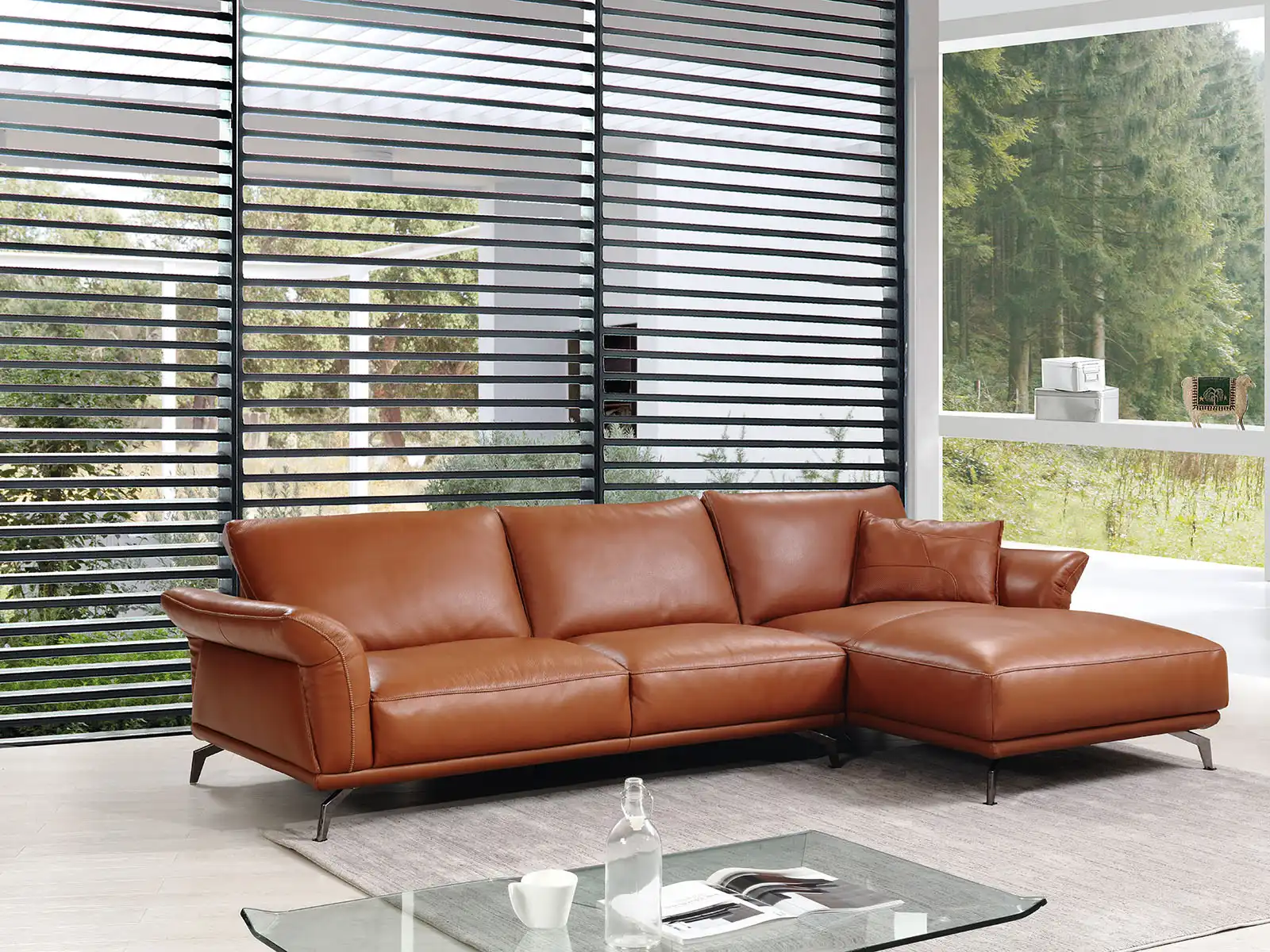
Modular leather sectional with chaise lounge configurations that can be rearranged to accommodate varied meeting types—from casual team huddles to client presentations—are ideal for office lounge areas focused on creating flexible collaboration spaces. The chaise component provides a relaxed seating option that humanizes corporate environments, contributing to workplace satisfaction metrics increasingly tied to employee retention. Traditional sofas maintain their relevance in formal waiting areas where orderly furniture arrangements convey professionalism to clients and stakeholders.
Boutique hotels, bed-and-breakfasts, and executive suites are just a few of the places that use leather sectionals to make guests more comfortable in small rooms. Sectionals can be used as floating room dividers to make separate areas for sleeping, working, and resting without having to build fixed walls that make it hard to change the plan in the future. As a result of the pandemic, more and more high-end hotel groups are choosing top-grain leather furniture because it can stand up to the strict cleaning rules that hotels have to follow. Sanitization frequency now exceeds pre-2020 standards by 40–60%.
Classic leather couches that go with executive desk sets and give off an air of power are often found in executive suites and private offices. Matching sofa and chair sets create a symmetrical look that works well in C-suite settings where the furniture choices reflect the culture of the company and the style of leadership. But today's leaders are more and more interested in furniture that looks like it belongs in a home. This makes room for sectionals that look professional while also being more comfortable.
Weighted Decision Matrix for Procurement
To find the best balance between price, comfort, style, and durability, we need organized review systems that can measure people's subjective tastes. By giving choice factors weighted values—for example, 30% for durability, 25% for cost-effectiveness, 25% for space-saving, and 20% for aesthetically pleasing alignment—it is possible to compare different furniture options in a fair way. Sectionals are the best at making the most of space and ease, while standard sofas are the best at adapting to different styles and saving money at first.
To future-proof procurement expenses, you need to look at how well furniture can change to changing business trends. When practical needs change, modular sectionals can be reconfigured to fit the new plan. This protects capital investments from becoming obsolete too soon. Integrated storage features within chaise sections hide bedding in hospitality settings or tech accessories in business settings, getting rid of the need for extra storage furniture that makes planning space harder. Design adaptability, or being able to add new cushion fabrics or change the colors of the upholstery without changing the whole frame, makes furniture last longer and supports brand refresh efforts that are popular in hotel and retail settings that renovate every 7 to 10 years.
Conclusion
Choosing between a leather sectional with chaise lounge and traditional leather sofas depends on spatial constraints, user requirements, and functional applications within each commercial project. Leather sectionals with chaises optimize corner spaces and provide expanded seating capacity, making them ideal for hospitality lounges, collaborative office environments, and multi-purpose commercial areas. Traditional leather sofas offer a streamlined, classic aesthetic suitable for formal corporate settings where uniform layouts contribute to professional ambiance.
When constructed with kiln-dried hardwood frames and top-grain leather upholstery, both furniture types deliver exceptional durability, justifying premium pricing through extended service life. To maximize value, procurement managers should partner with manufacturers offering OEM customization, volume discounts, and reliable supply chains compliant with international quality standards.
FAQ
Q1: What advantages do leather sectionals with chaise lounges offer in corporate settings?
A: There are three main business benefits of a leather sectional with chaise lounge in the workplace. Sectionals can be placed in corner positions that regular chairs can't use well, making better use of space and increasing the number of seats by 25 to 30 percent in the same floor space. Full-body reclining positions are good for ergonomics because they keep workers from getting too tired during long breaks, which helps with health programs at work.
Q2: How do maintenance requirements differ between leather and fabric sectionals?
A: Leather furniture needs to be condition every six months with pH-balanced leather care items to keep the surface from cracking and the feel soft. For regular cleaning, damp microfiber cloths are enough, so you don't need the deep-cleaning tools that are needed for fabric options. Fabric sectionals need to be professionally steam cleaned every three months to get rid of dirt and germs that are deep in the fabric. This costs an average of $200 to $350 per unit per year.
Q3: Can I order leather sectionals in bulk with custom specifications?
A: Established furniture makers that focus on business-to-business markets offer full OEM and ODM services for sales of more than 50 units. You can change the size, choose from different leather grades, add your own logo or design, choose from different suspension systems, and add technology features like USB charge ports. Minimum order numbers depend on how complicated the customization is.
Q4: What financing options support large-scale furniture acquisitions?
A: B2B furniture sellers offer a variety of ways to pay for projects that require a lot of cash. Net-60 or net-90 payment terms give known business buyers with good credit the freedom to manage their cash flow. Lease-to-own agreements spread payments out over 24 to 60 months, which helps hospitality groups that are renovating multiple properties keep their operating cash. New distributors can complete big contracts without using up their business reserves when they get purchase order credit from third-party lenders.
Partner with Kanas for Premium Leather Sectional Solutions
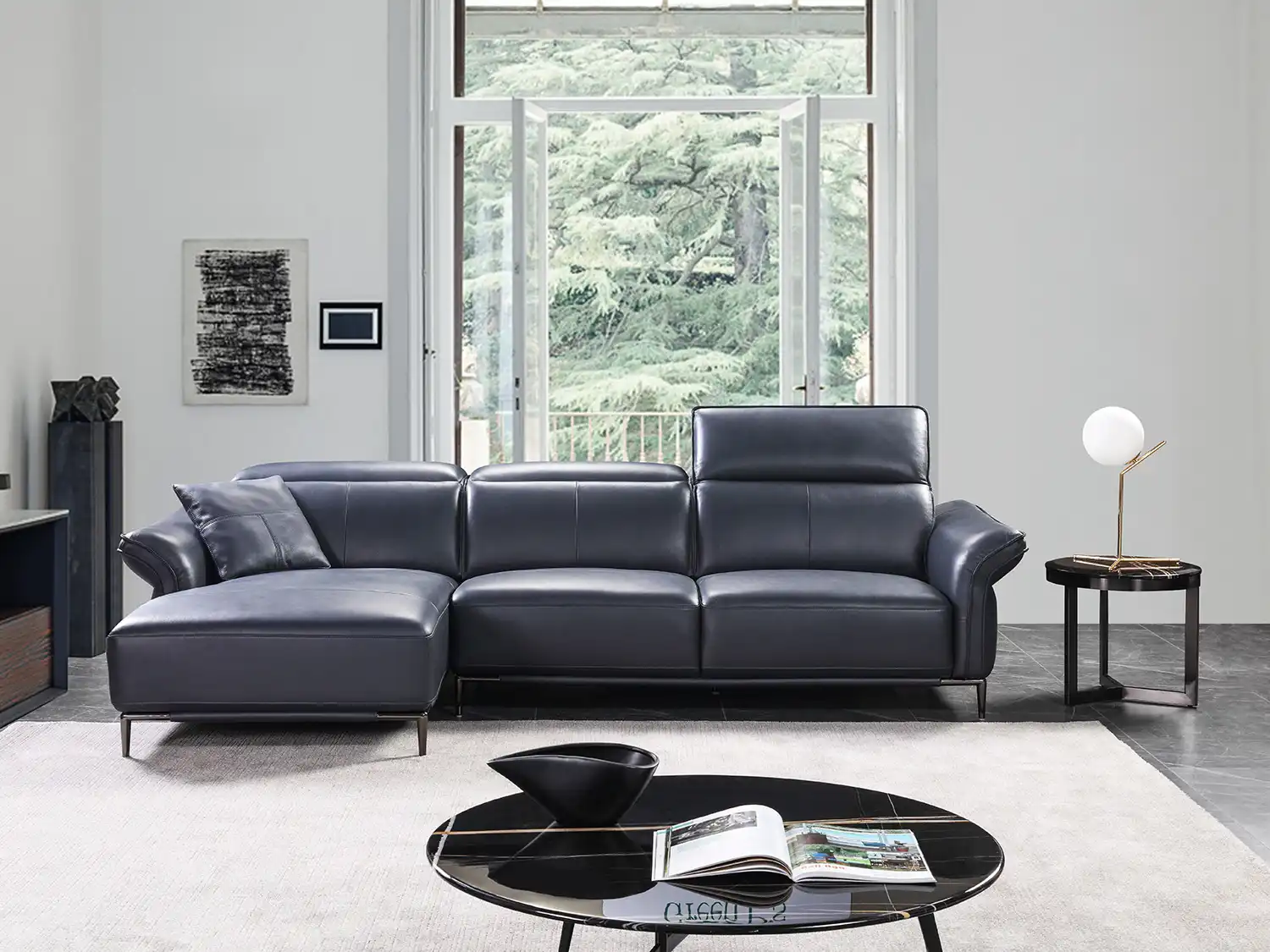
Kanas Furniture makes commercial-grade leather sectional with chaise lounge configurations that are designed to be used in high-traffic areas like hotels and businesses. Our 40,000㎡ production center in Foshan is home to more than 400 skilled craftspeople who can work on projects of all sizes, from small hotel renovations to business expansions involving multiple properties. We have strict quality standards that are in line with ISO 9001 certifications and international shipping rules because we are a certified leather sectional with chaise lounge provider to major North American stores like Walmart and Costco.
Our OEM and ODM services let you make any changes you want, including custom sizes, leather grades chosen by the customer, branded fabric treatments, and built-in storage solutions that fit your distribution needs. Furniture importers, interior design firms, and business real estate developers can easily buy things from us because we offer competitive bulk pricing, flexible payment terms, and "white-glove" transportation support. Send an email to sc@kanasfurniture.com to talk about the details of your project, get examples of the materials you're interested in, or set up a virtual tour of our plant that will show you how we make things and make sure they are of high quality.
References
1. Smith, J. & Anderson, K. (2022). Commercial Furniture Specification Standards for Hospitality Environments. International Interior Design Association Press.
2. Martinez, R. (2021). "Ergonomic Seating Solutions in Corporate Workspace Design." Journal of Commercial Interior Architecture, 18(3), 112-128.
3. Thompson, L. (2023). Leather Upholstery: Material Science and Maintenance Protocols for Commercial Applications. Furniture Manufacturing Technology Institute.
4. Chen, W. & Roberts, M. (2022). "Modular Furniture Systems: Spatial Efficiency Analysis in Multi-Use Commercial Environments." Global Procurement Review, 45(2), 67-82.
5. Davidson, P. (2023). B2B Furniture Sourcing: Strategic Procurement Frameworks for Global Supply Chains. Commercial Furnishings Council.
6. Williams, A. (2021). "Durability Testing Protocols for High-Traffic Hospitality Furniture." International Standards for Contract Furnishings, 12(4), 203-219.
Learn about our latest products and discounts through SMS or email