- English
- French
- German
- Portuguese
- Spanish
- Russian
- Japanese
- Korean
- Arabic
- Greek
- German
- Turkish
- Italian
- Danish
- Romanian
- Indonesian
- Czech
- Afrikaans
- Swedish
- Polish
- Basque
- Catalan
- Esperanto
- Hindi
- Lao
- Albanian
- Amharic
- Armenian
- Azerbaijani
- Belarusian
- Bengali
- Bosnian
- Bulgarian
- Cebuano
- Chichewa
- Corsican
- Croatian
- Dutch
- Estonian
- Filipino
- Finnish
- Frisian
- Galician
- Georgian
- Gujarati
- Haitian
- Hausa
- Hawaiian
- Hebrew
- Hmong
- Hungarian
- Icelandic
- Igbo
- Javanese
- Kannada
- Kazakh
- Khmer
- Kurdish
- Kyrgyz
- Latin
- Latvian
- Lithuanian
- Luxembou..
- Macedonian
- Malagasy
- Malay
- Malayalam
- Maltese
- Maori
- Marathi
- Mongolian
- Burmese
- Nepali
- Norwegian
- Pashto
- Persian
- Punjabi
- Serbian
- Sesotho
- Sinhala
- Slovak
- Slovenian
- Somali
- Samoan
- Scots Gaelic
- Shona
- Sindhi
- Sundanese
- Swahili
- Tajik
- Tamil
- Telugu
- Thai
- Ukrainian
- Urdu
- Uzbek
- Vietnamese
- Welsh
- Xhosa
- Yiddish
- Yoruba
- Zulu
Leather vs. Fabric 3-Seater Sofa Which Is Easier to Maintain
When evaluating leather versus fabric armless 3 seater sofas for commercial spaces, maintenance ease becomes a decisive factor. Leather typically demands less frequent but more specialized care, including conditioning and climate control, while fabric requires regular vacuuming and prompt stain treatment. For B2B buyers managing hotel lobbies, office breakout zones, or retail showrooms, understanding these differences directly impacts operational costs and furniture longevity. The armless configuration enhances spatial efficiency and modular flexibility, yet the upholstery choice determines cleaning protocols, staff training needs, and replacement cycles across your portfolio.
Why Maintenance Matters for Armless 3-Seater Sofas?
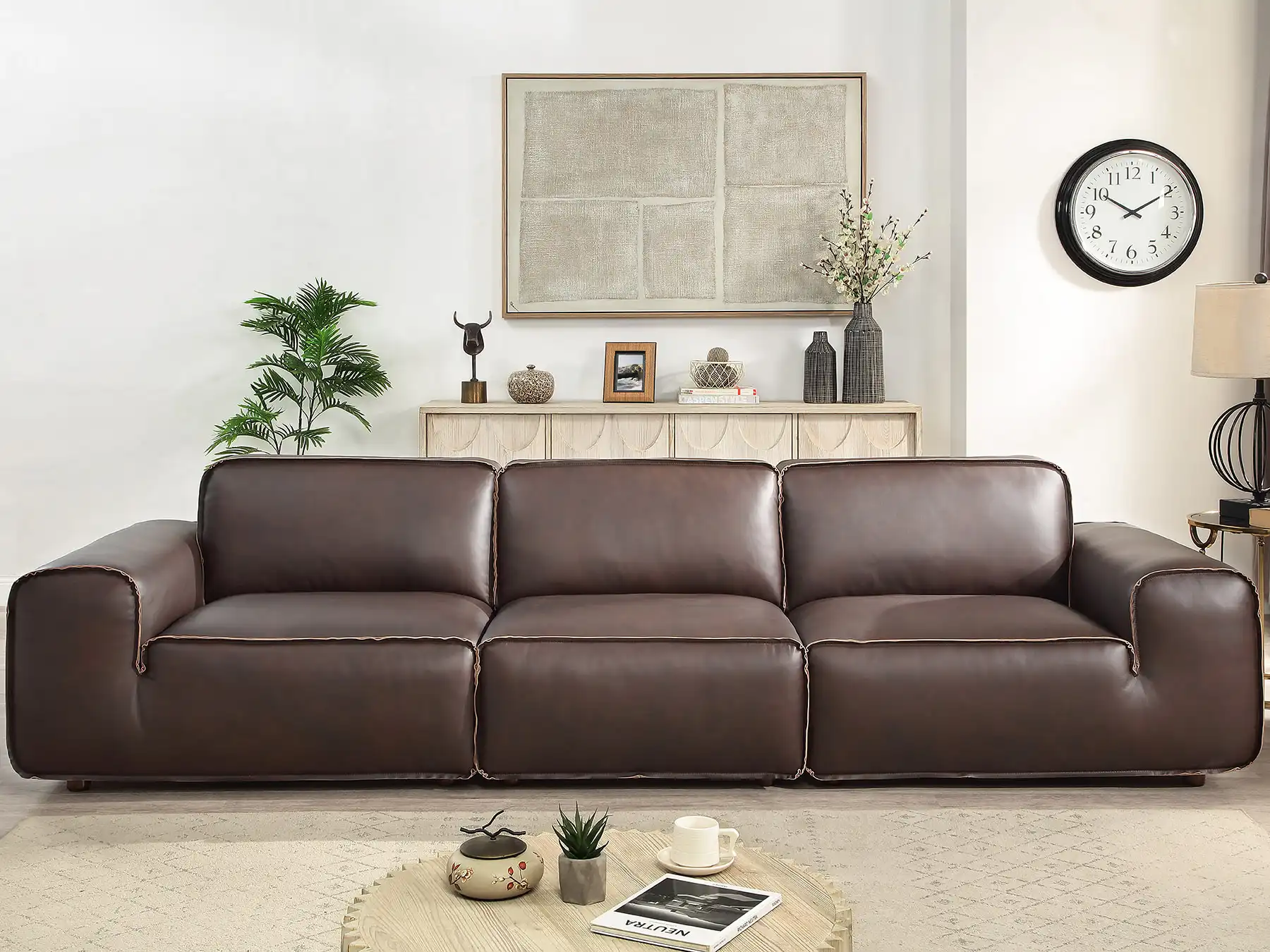
When there is a lot of foot traffic in a business, the fix plan you choose affects both how well your assets work and how people see your brand. An armless 3 seater sofa is a crucial point of contact in hallways, waiting rooms, and shared offices where clear wear or stains damage professional credibility. If you don't give something the care it needs, it will break down faster, which means you have to replace it too soon, which can mess up budgets and supply lines. Studies have shown that well-kept contract furniture keeps up to 70% of its good looks after five years, while units that don't get much care only keep 40%.
The form without arms brings up some new problems. This type of chair is great for eating rooms and offices in cities because it doesn't have any big side structures. Also, they don't take up much space, so more people can fit inside. But the side edges that can be seen and the places with continuous seats show more wear than other parts. Procurement managers need to pick the right material for the armless 3 seater sofa and set rules for how to keep it in good shape so that capital investments are safe and customers always have the same experience.
Understanding the Core Differences Between Leather and Fabric Sofas
What kind of material an armless 3 seater sofa is made of affects everything about it, from how comfy it is to how hard it is to clean. Furniture made of leather, usually from top-grain or corrected-grain hides, looks great and lets air flow freely. At first, its smooth, non-porous surface pushes spills away, so you can clean up quickly before the water soaks in. Leather gets a sheen over time. Some business clients like this because it gives the item character, while others don't like it because they think it makes the item look old. As a result, leather can feel cool in air-conditioned rooms but too hot in rooms that don't have enough air flow.
There are more kinds of materials to choose from. Synthetic mixes like polyester, nylon, and microfiber are mostly used in business because they last longer and keep their color better. Most of the time, these materials last more than 30,000 double rubs, which is long enough for hotels to use them. Cotton and linen are natural fibers that are soft and let air flow through them. However, they need better defense against damage. Fabric is more likely to hold on to dust, germs, and smells than leather because it has pores. It needs to be cleaned more often because of this.
Texture and User Experience
The even, smooth surface of leather makes it look official and classy. This makes it a good choice for professional bars or high-end hotel welcome areas. People often choose cloth over leather because it feels warmer and cozier when they sit for a long time. Because it doesn't hold on to body heat like leather does, fabric is more comfy than leather. This is important in shared offices where people spend hours in armless 3 seater sofa units during meetings.
Durability and Lifecycle Expectations
Given the right care, top-grain leather can hold its shape for 10 to 15 years and is stronger than most fabrics when it comes to tears and holes. Most of the time, corrected-grain types look the same over time, so they don't last as long. A lot of the time, business performance fabrics need to be reupholstered every 7 to 10 years. Synthetic mixes work better than natural fibers in places with a lot of foot traffic.
Maintenance Challenges and Solutions for Leather Armless 3-Seater Sofas
There are some problems in leather that can cost a lot of money to fix if they are not fixed. Cracks on the surface from drying out, color loss from UV light, and spots from acids or oils are the major issues. Unfortunately, these issues get worse when armless 3 seater sofa units are used to separate work areas. This is because the exposed side panels and continuous seat surfaces don't provide the same amount of safety that arms do.
Cracking and Drying Prevention
Over time, the natural oils in leather break down. This is especially true in places that are kept dry. If you don't take care of leather chairs in business areas, they start to get tiny cracks every 18 to 24 months. To keep the leather in good shape, use pH-balanced products made just for furniture-grade leather every three months. Studies on protecting clothes say that good dryers bring back wetness and flexibility, which makes the surface last 40–50% longer. Making changes to the HVAC system or using humidifiers to keep the humidity in the air between 40 and 55% makes it safer.
Stain Management Protocols
Because leather's cells are close together, you only have 5 to 10 minutes to clean up spills before they soak in. If you wipe up the spot right away with a microfiber cloth, it won't stay there. Leather cleaners with light chemicals can get rid of spots like ink or grease that won't come out. They won't hurt the finish. If you want to clean your home, don't use ammonia or bleach-based cleaners because they take away the color and safety layers.
Environmental Controls
It is best to keep leather armless 3 seater sofa units out of direct sunlight and heat sources so they don't fade and dry out. To keep the color depth in places with lots of windows, use UV-blocking screens or be careful about where you put them. We have proof that hotels replaced leather furniture nine to ten years instead of every six years after making these simple changes. This helped the hotel chains save a lot of money across all of their sites.
Maintenance Challenges and Solutions for Fabric Armless 3-Seater Sofas
Because dust and dirt tend to stick to fabric furniture and the fibers wear down over time, it needs different care. Fabrics that are made or knitted are porous, so they pick up tiny bits that make them look old and harbor allergens. This is a big problem for restaurants that try to make their spaces allergy-friendly.
Dust and Allergen Control
Furniture cleaning tools used once a week get rid of dirt on the top before it gets deep into the fibers. Dust mites and pollen that make the air inside your home less healthy can be picked up by commercial-grade HEPA vacuums at sizes as small as 0.3 microns. People who wait in medical offices or senior living homes that use armless 3 seater sofa units must always follow this pattern. When you get your home professionally steam cleaned twice a year, more dirt and oil are removed than with regular cleaning tools.
Stain Treatment Strategies
It's very important to move quickly because clothes soak up water. The threads don't get damaged or spread when you blow on them instead of pulling on them. Tea or coffee stains that are water-based can be cleaned with mild soaps. But for oil-based stains, you need solvent-based cleaners. Fluorochemicals are added to a lot of synthetic sports materials to make them stain-resistant. This gives you more time to react. Cleaners with enzymes that are gentle on natural fibers are needed to break down organic compounds without making cotton or linen less strong.
Pilling and Abrasion Management
Fabric pills, which are small fiber balls, form on the seat fronts and middle seats because they are touched a lot. Regular use of cloth shavers or pill removers keeps the look smooth. If you choose fabrics that are tightly woven and have a high thread count, they are less likely to pill. For armless 3 seater sofa units used in businesses or hotels, where they will be used a lot more often than in a home, we recommend Martindale scores above 40,000 cycles.
Taking care of clothes makes them last a lot longer. Using cloth protection like Scotchgard creates a wall that you can't see that keeps liquids out and makes it easier to clean. For places that will get a lot of use, covers that can be taken off and washed are the best choice. If you need to do industrial cleaning, you can change the covers while the furniture is still there. Long-lasting stain resistance is built into the fabric while it is being made. This doesn't change how it feels or how well it breathes.
Comparative Analysis: Which Material Offers Easier Long-Term Maintenance?
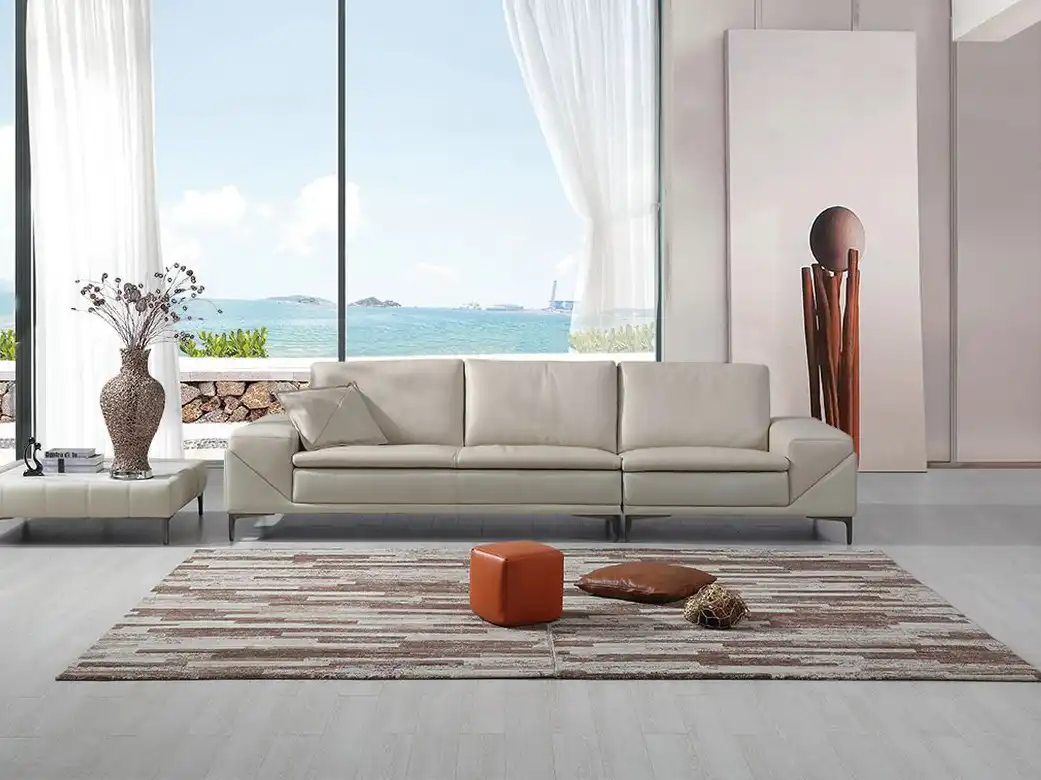
To make an informed choice about a material, you need to compare how often it needs to be maintained to how hard it is to fix. Leather doesn't need as much care every day, but it does need certain things and to be kept in the right way. A lot of care needs to go into fabric, but standard cleaning tools and supplies work well on it.
What does leather conditioner cost? Most of the time, it costs $15 to $25 per use, or $60 to $100 per couch per year for four treatments. Every three to five years, leather needs to be fixed by a professional, which costs $200 to $400. It costs $30 to $50 a year for quality furniture shampoo and spot cleaners, but it costs an extra $100 to $150 to have it steam cleaned by an expert twice a year. A 10-year lifecycle for an armless 3 seater sofa costs about 15% to 20% less than a 10-year lifespan for cloth. This is because cloth needs professional help more often.
Durability Under Commercial Use
Because it doesn't tear or cut easily, leather is better in places where sharp things are used a lot. When a lot of people walk on it and bags touch it, leather is a good choice for hotel lounges and airport bars. Fabric is softer and more comfortable when you're sitting for a long time, but it goes out faster in these tough scenarios. But natural fiber choices are still at risk. This is helped by the synthetic additives in high-quality performance fabrics.
Allergy and Hygiene Considerations
Keeping allergens under control is becoming more and more important in places like hospitals, day cares, and businesses that focus on fitness. Because leather is smooth and doesn't have holes, dust mites and mold spores can't live on it. This makes it easier to clean. A wet cloth and a light cleaner are all you need to clean leather very well. To get rid of allergens that are stuck in cloth, you need to clean it with extraction. Infection control methods are made harder by this. Leather, even though it costs more at first, is often the best choice for waiting rooms with seating solutions that don't have arms.
Climate and Usage Pattern Matching
If it's damp where you are, mold grows faster on natural fiber chairs made of cloth. But leather feels sticky. Leather dries quickly in dry places, so it needs to be cleaned more often. Matching the material to the factors of the environment makes it work better. Leather is good for business cafeterias with a lot of people who only sit for a short time. Fabric is better for places where people spend a lot of time thinking because it keeps them cooler.
Optimizing Your Procurement Strategy: How to Choose the Right Armless 3-Seater Sofa Material?
By picking the materials for your furniture with care, you can make sure that the specs match how the facilities work in real life. Analyzing how an armless 3 seater sofa will be used can help you choose between comfort and dependability as the most important factor. An area of a business that greets 50 to 100 people every day needs leather because it is durable and looks professional. The physical comfort of fabric is also good for a co-working space where people sit for two to four hours a day, even if it means the chairs need to be cleaned more often.
There are more ways that budget limits change choices besides just the price. To really compare prices, you need to look at the total cost of ownership over the expected lifespan. This includes things like cleaning, repairs, and maybe even reupholstering. Since leather costs more at first, it usually pays for itself in 8 to 10 years if it doesn't need much maintenance. Fabric's lower start-up cost makes it appealing to projects that don't have a lot of money for capital costs. However, this also means that the costs of running the business rise more quickly.
Supplier Evaluation Criteria
It is important to work with manufacturers who know what business furniture needs in order to avoid problems during installation. We trust sellers more who give us a lot of details about the materials they use, like roughness scores, colorfastness data, and cleaning directions. For contract-grade furniture, the guarantee should cover problems in the frame, the cushions, and the upholstery for at least 5 years. You can pick from different types of cloth treatments, levels of stain protection, and even covers that can be taken off to suit your different cleaning needs.
How long a job takes and how much it costs are both affected by logistics. If there is a minimum order number, a wait time, and shipping terms, you might be able to stock more than one place at the same time. The ability to get new parts and return policies protect against mistakes in the specs or damage that wasn't meant to happen. Manufacturers with North American transportation networks can ship their goods more reliably and for less money than those who buy them directly.
Sustainability and Corporate Responsibility
As businesses try to meet ESG goals and get LEED approval, they think about the environment more when they buy things. Chemicals are less likely to be present in leather that comes from tanneries that dye without chrome or with vegetables. Better for the earth materials are now available made from recycled polyester, organic cotton, and bio-based synthetics. Owing to standards like GREENGUARD, low VOC emissions are proven, which helps keep living environments healthy. These rules will be liked by customers and workers who care about how businesses treat the environment.
Conclusion
Before you buy armless 3 seater sofa units, you should think about how hard it is to clean each material and how much use and comfort the chairs will get. Leather needs extra care, but it looks good in places that want something sturdy, easy to clean, and businesslike. Fabric is more comfy and can be used in more ways, but it needs to be cleaned and cared for more often. And to stay ahead of the competition, procurement professionals find out how much a piece of furniture will cost over its whole life, make sure that the material is right for the job, and work with manufacturers who offer support for as long as the furniture lasts. It is important to keep capital investments safe and provide sitting options that make the office more useful and improve how people see the brand.
FAQ
Q1: How often should leather armless sofas receive conditioning treatments in commercial settings?
A: Leather stays soft if you clean a leather armless 3 seater sofa every three months in a normal climate-controlled space. In buildings where the temperature changes a lot or places where a lot of people walk by, it may need to be done every month. Check the leather often to make sure the outside is dry. If it looks dull or feels stiff, you need to start treating it more often right away to keep it from cracking.
Q2: What cleaning products work best for fabric sofas without damaging fibers?
A: Shampoos that are pH-neutral and made for natural or man-made fibers can clean safely and well. Don't buy things that have bleach, optical brighteners, or strong solvents that break down fiber structure. Before you use cleaners on surfaces that people will see, you should always test them on areas that won't be seen. Acidic spots, like those from food or drinks, are easy to get rid of with enzyme-based cleaners instead of harsh chemicals.
Q3: Do manufacturers offer warranties covering maintenance-related damage?
A: Contract furniture sellers you can trust will back their products with promises that cover issues with the way they were put together, like frames that break, seats that don't shrink as planned, and upholstery that comes apart. Most of the time, damage caused by bad cleaning, neglecting the environment, or abuse is not covered. As you're negotiating the price, make sure the warranty terms are clear. This is especially important when it comes to the paperwork that needs to be filled out for maintenance and the types of cleaning that will still protect the guarantee.
Partner with Kanas Furniture: Your Trusted Armless 3 Seater Sofa Supplier
It's easy to learn what kinds of furniture are out there and how to take care of them when you work with pros. Kanas Furniture manufactures high-quality armless 3 seater sofa units specifically for business use using cutting-edge materials and tried-and-true building techniques. All the steps in our 40,000㎡ plant in Foshan are checked for quality with ISO 9001 to make sure that our sofas meet the best international standards for use in businesses and hotels.
We are a reputable armless 3 seater sofa manufacturer serving foreign retailers like Costco and Walmart, so we understand what B2B buyers want. Whether you want to use top-grain leather, performance synthetics, or natural fiber mixes, our design team can make options that are just right for you. Prices stay low so that they can do this and keep your profit margins safe. Because we can do OEM and ODM, we can change designs to fit your brand's needs, so rollouts in multiple locations will be consistent. Send an email to sc@kanasfurniture.com to get full product information, bulk pricing, and material samples that will help you make a smart choice. They will also help you with handling and back your guarantee in full.
References
1. "Commercial Upholstery Performance Standards," Association of Contract Textiles (ACT), 2022 Edition, Technical Bulletin on Abrasion Resistance and Colorfastness Testing Protocols.
2. Henderson, Mark L., and Patricia Reeves, Furniture Maintenance in Hospitality Environments, Cornell University School of Hotel Administration Press, 2021.
3. "Leather Care and Preservation Guidelines for Contract Furniture," International Leather Maker Journal, Volume 34, Issue 2, March 2023, pp. 45-62.
4. Thompson, Jennifer K., Lifecycle Cost Analysis for Commercial Furniture Procurement, Facilities Management Association, Research Report Series, 2023.
5. "Sustainable Upholstery Materials: Environmental Impact and Performance Comparison," Green Building Council White Paper, December 2022.
6. Rodriguez, Carlos, and Amy Chen, "Allergen Control in Commercial Seating: Material Selection and Maintenance Protocols," Indoor Air Quality Journal, Vol. 29, No. 4, 2023, pp. 318-335.
_1750820961394.webp)
Learn about our latest products and discounts through SMS or email