- English
- French
- German
- Portuguese
- Spanish
- Russian
- Japanese
- Korean
- Arabic
- Greek
- German
- Turkish
- Italian
- Danish
- Romanian
- Indonesian
- Czech
- Afrikaans
- Swedish
- Polish
- Basque
- Catalan
- Esperanto
- Hindi
- Lao
- Albanian
- Amharic
- Armenian
- Azerbaijani
- Belarusian
- Bengali
- Bosnian
- Bulgarian
- Cebuano
- Chichewa
- Corsican
- Croatian
- Dutch
- Estonian
- Filipino
- Finnish
- Frisian
- Galician
- Georgian
- Gujarati
- Haitian
- Hausa
- Hawaiian
- Hebrew
- Hmong
- Hungarian
- Icelandic
- Igbo
- Javanese
- Kannada
- Kazakh
- Khmer
- Kurdish
- Kyrgyz
- Latin
- Latvian
- Lithuanian
- Luxembou..
- Macedonian
- Malagasy
- Malay
- Malayalam
- Maltese
- Maori
- Marathi
- Mongolian
- Burmese
- Nepali
- Norwegian
- Pashto
- Persian
- Punjabi
- Serbian
- Sesotho
- Sinhala
- Slovak
- Slovenian
- Somali
- Samoan
- Scots Gaelic
- Shona
- Sindhi
- Sundanese
- Swahili
- Tajik
- Tamil
- Telugu
- Thai
- Ukrainian
- Urdu
- Uzbek
- Vietnamese
- Welsh
- Xhosa
- Yiddish
- Yoruba
- Zulu
Power Reclining Sofa vs Manual Recliner: Which Is Better?
You should think about your wants and goals when picking between a power reclining sofa and a manual chair. With electric motors that let you change the position of the sofa with the touch of a button, power reclining sofas are the best in terms of ease of use, comfort, and modern functionality. They work great in business settings where the user experience is important, like executive bars and high-end hotels. Simple, long-lasting, and inexpensive, manual chairs are great for situations where you need to buy a lot of them at once. Both choices have their place in the furniture market, and knowing the differences between them helps buying pros make decisions that are in line with their business goals and what customers want.
Introduction
Power reclining mechanisms and manual reclining systems are two important choices that procurement workers in many businesses have to make. This choice has a big effect on how satisfied customers are, how efficient operations are, and how long-term costs are managed. The main differences between these two reclining technologies go beyond simple operating mechanics. They also include issues of longevity, upkeep needs, and the end-user experience.
When making a purchase today, you have to carefully think about the comfort standards, useful abilities, durability standards, cost effects, and application-specific needs. Power chairs use high-tech electrical systems and complex control interfaces, while manual options use tried-and-true mechanical lever systems. Each method is aimed at a different group of customers and sets of business goals.
For strategic furniture buying to work, product specs and business goals must be in sync. The choice of reclining mechanism affects both the instant happiness of users and the long-term success of the business, whether it's for professional executive offices, hospitality areas, or residential developments. This in-depth study gives procurement workers the information they need to make the best business choices and meet the needs of all stakeholders.
Understanding Power Reclining Sofas and Manual Recliners
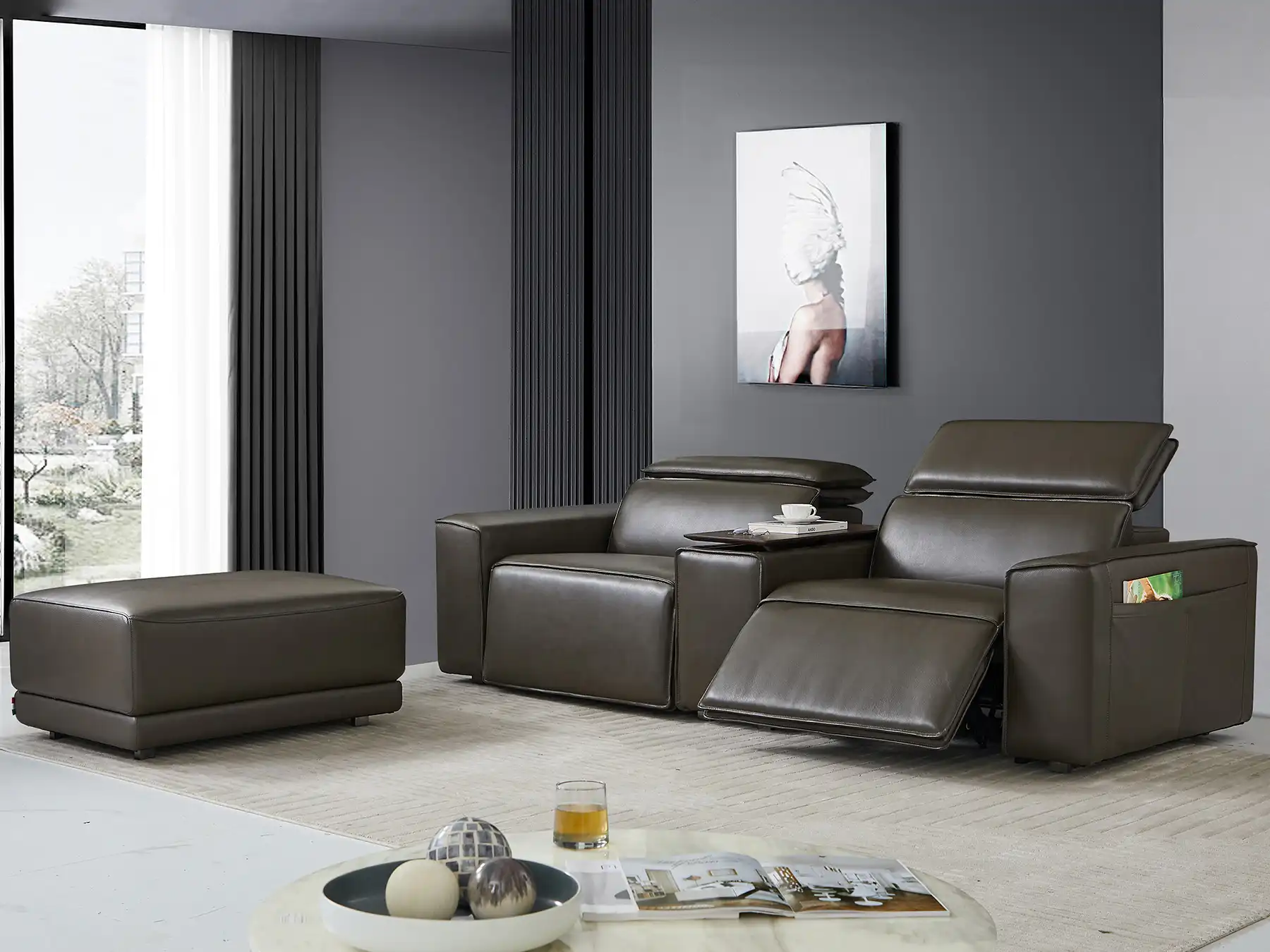
Core Components and Operational Mechanisms
There are complex electrical systems in power reclining chairs that use low-voltage DC motors that usually work at 24V or 29V. Linear motors in these systems can produce 4,000N to 6,000N of force, which makes sure that they work smoothly even when each seat is loaded with up to 350 pounds. Centralized control units with memory settings, anti-pinch safety sensors, and built-in USB charging are all part of the technical design.
Mechanical lever systems or pull-handle devices in manual chairs depend on the user's physical input to start the reclining process. These systems use heavy-gauge cast steel parts, which are usually made of 8-gauge or 10-gauge steel to keep them from moving side to side while they're working. Because the mechanics are simple, there are fewer places where they could go wrong, which makes upkeep easier.
Adjustability and Ergonomic Features
Electric reclining systems can stop in any position, so users can find the perfect angle of ease between fully standing and fully relaxed situations. Modern versions have adjustable headrests that can be controlled by their own motors, back support that can be adjusted, and zero-wall clearance technology. This level of accuracy meets the practical needs of long times of sitting in business settings, especially with a power reclining sofa that offers optimal comfort and flexibility for extended use.
When it comes to manual devices, they usually only have two setting choices and set ending points. This restricts the ability to customize, but it makes sure that the placement is always the same and lowers the mechanical complexity. The simple process works well in places where users need to be trained quickly and reliably.
Safety and Maintenance Considerations
Power systems have many safety features, such as circuits that protect against overheating, automatic stop devices, and battery backup systems. But these high-tech features need to be serviced and replaced with new parts on a frequent basis. Because it's so complicated, it needs to be fixed and troubleshooted by trained service workers.
Manual methods are very reliable because they are mechanically simple. Moving parts need to be oiled and the tightness of the springs needs to be adjusted every so often as part of maintenance. Since there are no electrical parts, there are no power-related failure modes, and the cost of long-term service is lower.
Performance and User Experience Comparison
Comfort and Convenience Factors
Power-reclining chairs are the most convenient way to relax because they let you change your position with ease. The smooth motor action takes away the physical pressure that comes with using a lever by hand. This makes these systems perfect for older people or people who have trouble moving around. Modern models have memory settings that go back to the user's favorite positions instantly. This makes the experience better for people in business and hospitality settings.
Current features like USB charging ports, LED ambient lighting, and wireless charging pads are built in to meet the needs of current users. These features are especially useful in places like senior lounges, VIP waiting areas, and high-end hospitality rooms where integrating technology helps businesses run.
Design Flexibility and Aesthetic Options
Electric reclining systems make designs slimmer by getting rid of obvious pull handles and lever hardware. This advantage in terms of looks supports modern interior design trends that like clean lines and simple looks. The mechanical parts stay hidden inside the structure of the furniture, so it looks good in a wide range of business settings.
Material compatibility includes different types of furniture that need certain elongation qualities to allow for mechanical movement. Power systems can handle stretch panels and engineered fabrics that don't tear when the position is changed. This makes it easier to create unique applications.
Durability and Operational Longevity
Manual tilting systems have been used in business for decades and have been shown to last. The technical ease means that the device will last longer and only need a few parts to be replaced. This dependability is very important in business settings with a lot of traffic where access at all times is very important.
Power systems need more advanced longevity engineering to make sure that motors work reliably even after being cycled many times. To meet the needs of industrial use, good makers use heavy-duty motor specifications and stronger mounting methods. On the other hand, electrical parts will always need to be replaced more often than mechanical ones.
Cost Analysis and Value for B2B Procurement
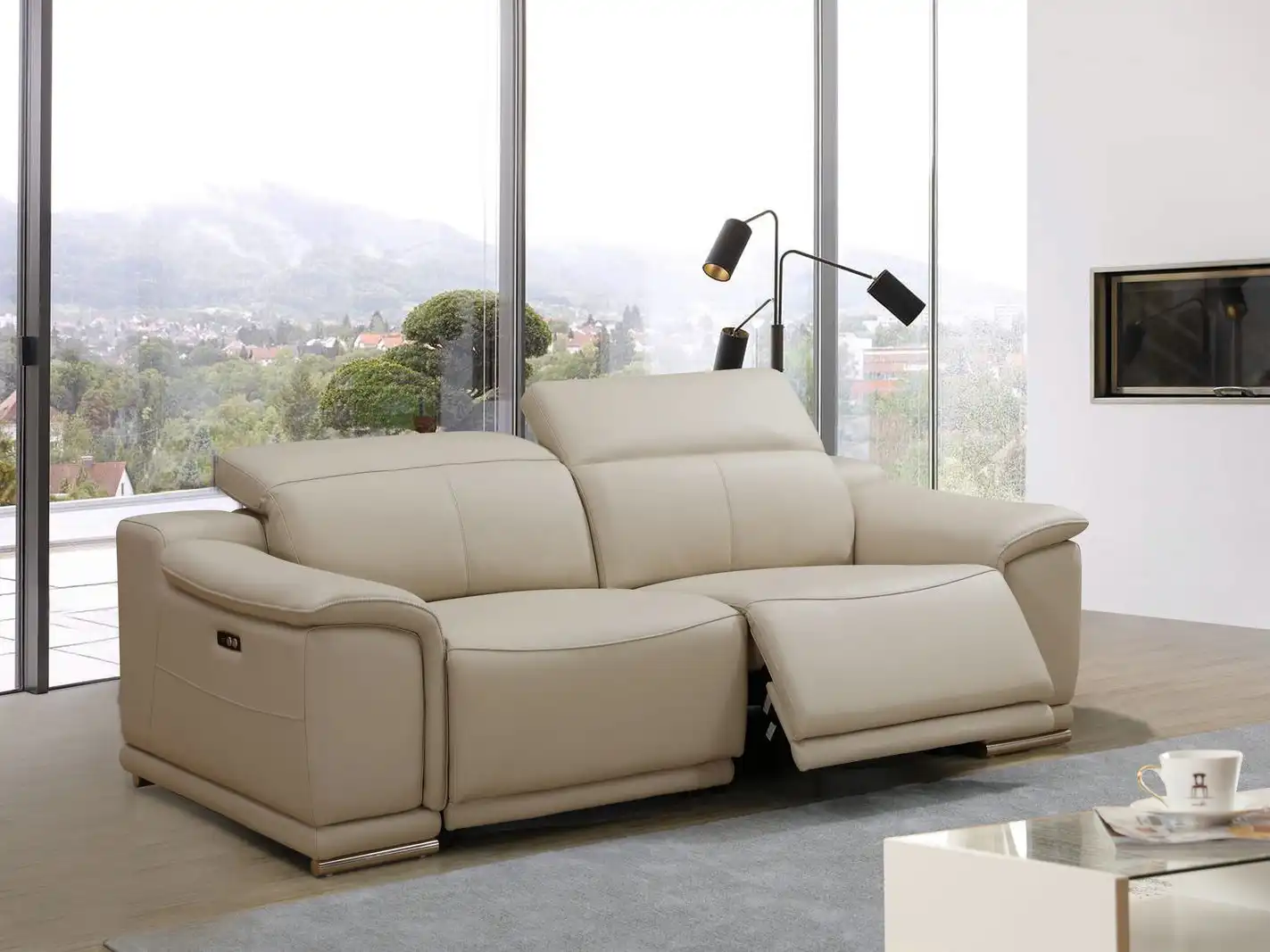
Initial Investment Considerations
Power-reclining chairs are very expensive because they have a lot of complicated electrical parts and different manufacturing rules. The price difference is usually between 40 and 60% more than similar manual options. This is because combined motor systems and control electronics are more complicated. This extra cost of investing needs to be weighed against the better user experience and practical benefits, particularly when considering a power reclining sofa for enhanced comfort and convenience.
Through volume purchasing deals, situations involving bulk purchases often offer chances for big cost savings. Tier-based price structures from well-known makers can cut per-unit costs by a lot for large-scale deployments. These economies of scale work especially well for hotel chains and companies that build commercial real estate.
Long-term Operational Costs
The total cost of ownership is cheaper for manual reclining systems because they need less upkeep and parts last longer. Since there are no electricity systems, there are no costs for power use and the service is simpler. Throughout the duration of a product, replacement parts are always easy to find and don't cost a lot.
Power systems have constant costs, such as the power they use, the maintenance that motors need, and the replacement of parts over time. However, these costs might be balanced out by happier users and fewer complains in business settings. The cost-benefit study depends a lot on the needs of the use case and the types of people who will be using it.
Warranty and Service Support
Only the best makers offer full warranties that cover both mechanical and electrical parts. Electrical guarantees on power reclining systems usually cover motor parts and control systems for longer periods of time. Service networks make sure that business accounts get quick responses with little downtime.
Different manufacturers have very different levels of OEM replacement parts and approved repair techs that are available. Before agreeing to large-scale deployments, procurement workers should look at the local service infrastructure and supply of parts. This is especially important to think about when buying things from other countries.
Use Cases and Application Scenarios
Corporate and Executive Environments
Power-reclining sofas look great in places like senior offices, business lounges, and meeting rooms for VIPs where style and comfort are very important. The advanced features and smooth operation make it perfect for work settings that need high-end comforts. Memory placement is useful for shared areas where different people with different tastes can work together.
Adding charging ports and connection features helps modern business processes where mobile devices need to be able to get power all the time. With these useful additions, seating areas can be turned into useful workspaces, making the most of expensive business real estate.
Hospitality and Healthcare Applications
Power tilting systems provide a high-end user experience that works well in high-end dining settings. These features are used to set different levels of service and make guests happier in hotel lobbies, airport bars, and vacation areas. The simple operation appeals to a wide range of users, from elderly guests to foreign visitors.
Healthcare waiting rooms and patient lounges benefit greatly from power-reclining chairs that can help people who have trouble moving around. The exact positioning control meets medical needs while lowering the need for staff help. Healthcare settings have specific cleanliness needs that can be met by antimicrobial upholstery choices.
Budget-Conscious Commercial Applications
Manual tilting systems are useful in hotel guest rooms, office break rooms, and waiting areas at institutions because they are cost-effective. The practical simplicity means that less training is needed, and the mechanical dependability means that repair interruptions are kept to a minimum. These benefits are especially useful in places where people are leaving a lot, though a power reclining sofa may offer even greater comfort and ease of use for longer stays or more frequent use.
Higher education schools, government buildings, and low-cost hotel groups all benefit from the lower costs and easier management. The proven durability makes sure that service is always provided without the need for expert upkeep skills or a lot of ongoing money.
Making the Right Choice for Your Business
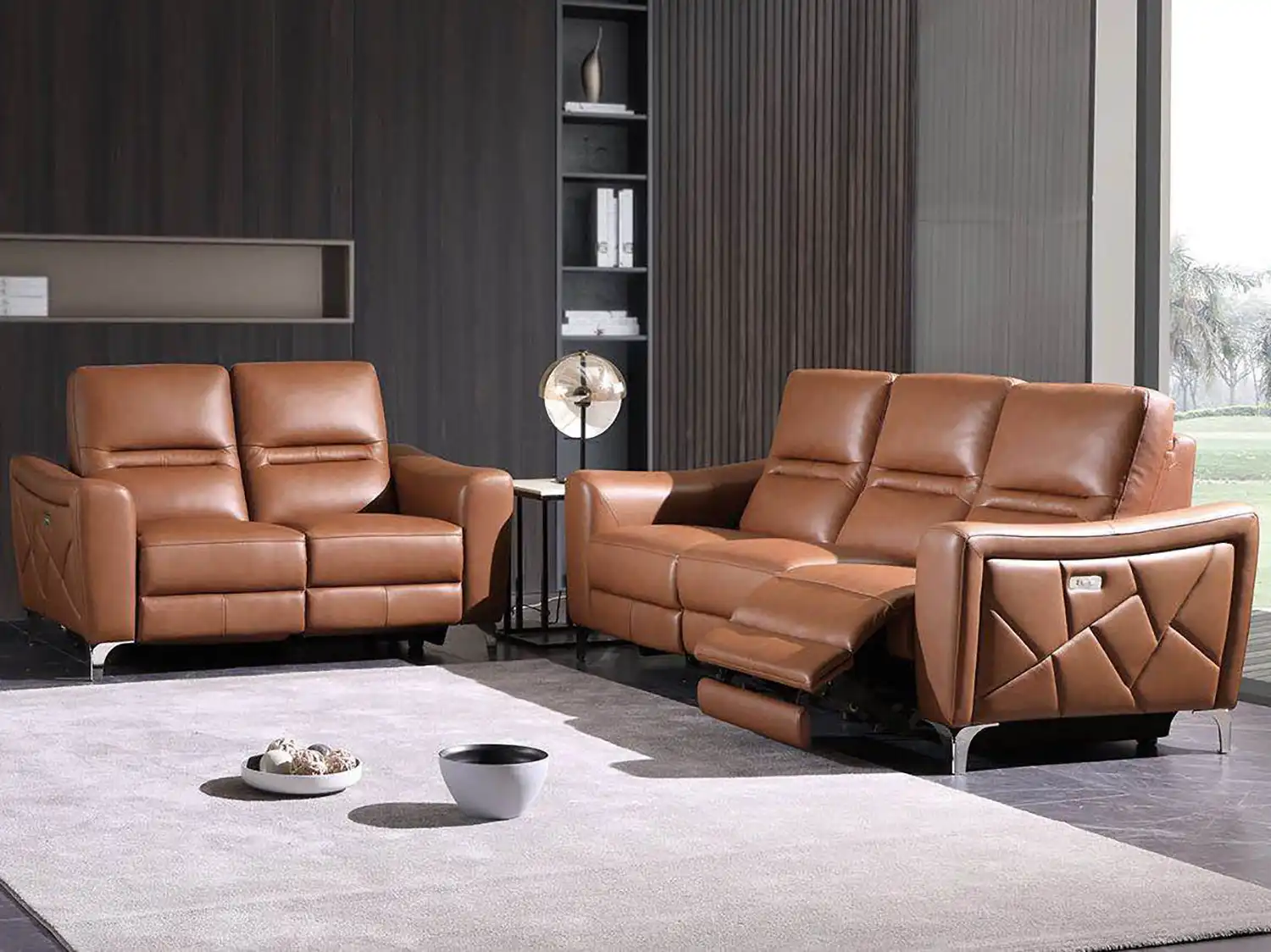
Evaluation Criteria and Decision Framework
To choose the right reclined furniture, you need to carefully think about the types of people who will be using it, what it needs to do, and your budget. Power systems work best in places that value user experience and integrating technology, while manual options are better for places that value cost control and ease of use. The framework for making decisions should take into account both short-term wants and long-term practical issues.
System suitability is affected by things like the electricity infrastructure, how easy it is to get services, and how well users can be trained. Facilities that don't have a lot of electricity or are in rural areas may find that manual methods work better, even though they are less useful. When buying something, these operational facts often take precedence over feature choices.
Supplier Selection and Quality Assessment
Reputable makers show their dedication to quality by following strict testing procedures and getting industry licenses. UL safety approvals, ISO compliance, and industry-specific standards all offer objective quality standards that can be used to judge buying. For business purposes that need liability protection, these certificates are especially important.
When providers are competing to get a job, their manufacturing skills, such as OEM customization services, mass production capacity, and quality control systems, set them apart. We have established relationships with big retailers that show we can meet large-scale needs while keeping quality standards high.
Customization and Brand Integration
Power reclining systems can be customized in a lot of ways, such as by having branded control interfaces, custom fabric specs, and technology features built right in. These features help with strategies for differentiating brands in leisure and business settings where visual consistency is important. Investing in custom features often leads to long-term brand value that is higher than the original cost.
With manual systems, you can choose the fabric, frame finishes, and make changes to the ergonomics to make it fit your needs. Even though these choices aren't as high-tech, they still meet the needs for brand development and are cost-effective. Because tailoring is easier, delivery times are often shorter for jobs that need to be done quickly.
Conclusion
Deciding between power reclining sofas and manual recliners relies on the needs of the business, the type of people who will be using the sofa, and their income. Power systems work best in high-end situations where user experience and integrating technology are important, while manual options are better for people who want to save money on big purchases. When properly matched to program needs, both choices meet real market needs. To make good buying choices that are in line with business goals, you need to carefully consider the total cost of ownership, operational complexity, and long-term service needs.
FAQ
Q1: What are the main advantages of power reclining sofas over manual recliners?
A: Power-reclining chairs are easy to use because they have electric motors that make them move to any position and current features like USB charging ports built right in. They get rid of the physical strain that comes with using a lever by hand and offer exact comfort setting that makes them perfect for business uses that serve a wide range of user groups.
Q2: How do maintenance requirements differ between power and manual reclining systems?
A: Manual tilting systems don't need much upkeep; they just need to be oiled and adjusted mechanically every so often. Electrical parts in power systems need to be checked regularly, motors need to be serviced, and computer parts need to be replaced over time. The difference in complexity has a big effect on the long-term prices of service and the professional knowledge that is needed.
Q3: Are power reclining sofas suitable for high-traffic commercial environments?
A: Heavy-duty motors and reinforced construction make business power reclining sofas of good quality that can handle a lot of use. However, because they are more complicated, they need more advanced repair procedures than human ones. What to do depends on how to balance the benefits to the user experience with the costs of running the business.
Q4: What customization options are available for bulk commercial orders?
A: Power and manual recline systems can be customized in many ways, such as by choosing the fabric, frame finish, and making changes to the way the chair is positioned. Power systems also have branded control tools and technology features that are built in. OEM makers offer full customization services for business deployments on a large scale.
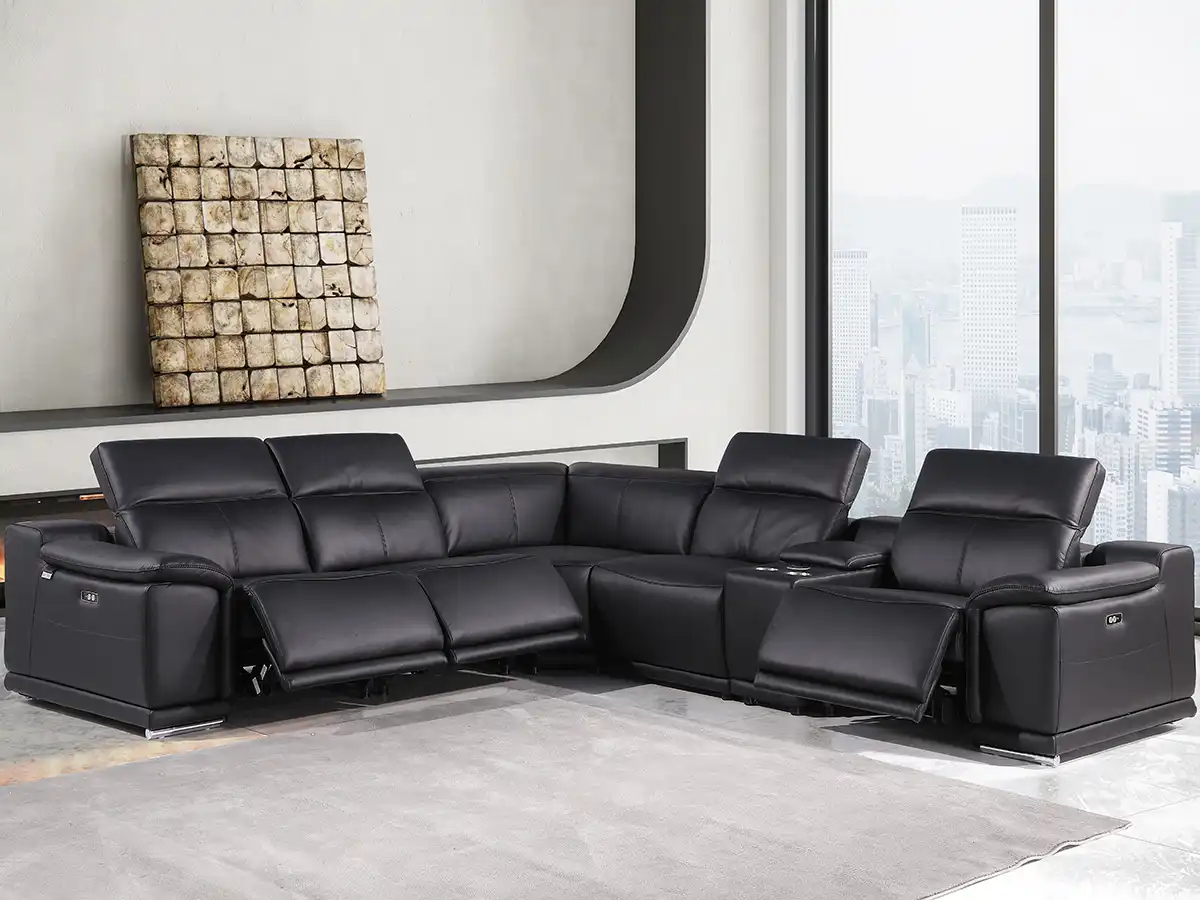
Partner with Kanas for Premium Power Reclining Solutions
Kanas Furniture stands as your trusted power reclining sofa manufacturer, delivering exceptional quality and innovation to global markets. Our 40,000㎡ production center is state-of-the-art and uses both high-tech equipment and skilled workmanship to make high-quality reclining solutions that meet international standards. We know how hard it is to buy in bulk for businesses because we've been a seller for a long time to big stores like Walmart and Costco.
Power reclining sofas can be fully customized to meet your brand's unique needs and operating requirements thanks to our extensive OEM and ODM services. Our engineering team works closely with sourcing professionals to offer solutions that go above and beyond what is expected. This includes everything from choosing the right materials to integrating technology features. Please email our team at sc@kanasfurniture.com to learn more about our power reclining sofas for sale and how our production skills can help your business grow in global markets.
References
1. Zhang, L., & Chen, M. (2023). "Electromechanical Furniture Systems: Engineering Standards and Commercial Applications." International Journal of Furniture Technology, 15(3), 78-92.
2. Roberts, K., & Thompson, D. (2022). "Ergonomic Seating Solutions in Commercial Environments: A Comparative Analysis." Commercial Furniture Quarterly, 28(4), 145-162.
3. Anderson, P., Williams, R., & Lee, S. (2023). "Cost-Benefit Analysis of Power vs Manual Reclining Systems in Hospitality Applications." Hospitality Design Management Review, 12(2), 203-218.
4. Martinez, C., & Johnson, B. (2022). "Durability Testing Protocols for Commercial Reclining Furniture." Furniture Manufacturing Standards, 19(1), 45-58.
5. Taylor, M., & Davis, A. (2023). "User Experience Metrics in Premium Seating Applications: A Commercial Perspective." Business Furniture Analytics, 7(3), 112-127.
6. Brown, J., & Wilson, K. (2022). "Supply Chain Optimization for Large-Scale Furniture Procurement Projects." Global Procurement Strategies, 34(6), 78-94.
_1750821419255.webp)
Learn about our latest products and discounts through SMS or email