- English
- French
- German
- Portuguese
- Spanish
- Russian
- Japanese
- Korean
- Arabic
- Greek
- German
- Turkish
- Italian
- Danish
- Romanian
- Indonesian
- Czech
- Afrikaans
- Swedish
- Polish
- Basque
- Catalan
- Esperanto
- Hindi
- Lao
- Albanian
- Amharic
- Armenian
- Azerbaijani
- Belarusian
- Bengali
- Bosnian
- Bulgarian
- Cebuano
- Chichewa
- Corsican
- Croatian
- Dutch
- Estonian
- Filipino
- Finnish
- Frisian
- Galician
- Georgian
- Gujarati
- Haitian
- Hausa
- Hawaiian
- Hebrew
- Hmong
- Hungarian
- Icelandic
- Igbo
- Javanese
- Kannada
- Kazakh
- Khmer
- Kurdish
- Kyrgyz
- Latin
- Latvian
- Lithuanian
- Luxembou..
- Macedonian
- Malagasy
- Malay
- Malayalam
- Maltese
- Maori
- Marathi
- Mongolian
- Burmese
- Nepali
- Norwegian
- Pashto
- Persian
- Punjabi
- Serbian
- Sesotho
- Sinhala
- Slovak
- Slovenian
- Somali
- Samoan
- Scots Gaelic
- Shona
- Sindhi
- Sundanese
- Swahili
- Tajik
- Tamil
- Telugu
- Thai
- Ukrainian
- Urdu
- Uzbek
- Vietnamese
- Welsh
- Xhosa
- Yiddish
- Yoruba
- Zulu
Why Sectional Sofas Are Replacing Traditional Sofas
Sectional sofa designs are taking over the business and domestic markets, replacing standard three-seat sofas, which is a major shift in the furniture industry. This change is due to modular furniture's better adaptability to modern living areas, higher usefulness, and lower cost for business-to-business purchases. Unlike regular sofas that come in set sizes, sectional designs let you change the layout to make the best use of room and meet the needs of all kinds of people. This growing choice shows how people are changing their habits and moving toward flexible, multifunctional furniture that can adapt to changing living needs and business space optimization strategies.
Understanding Sectional Sofas: Definitions and Advantages
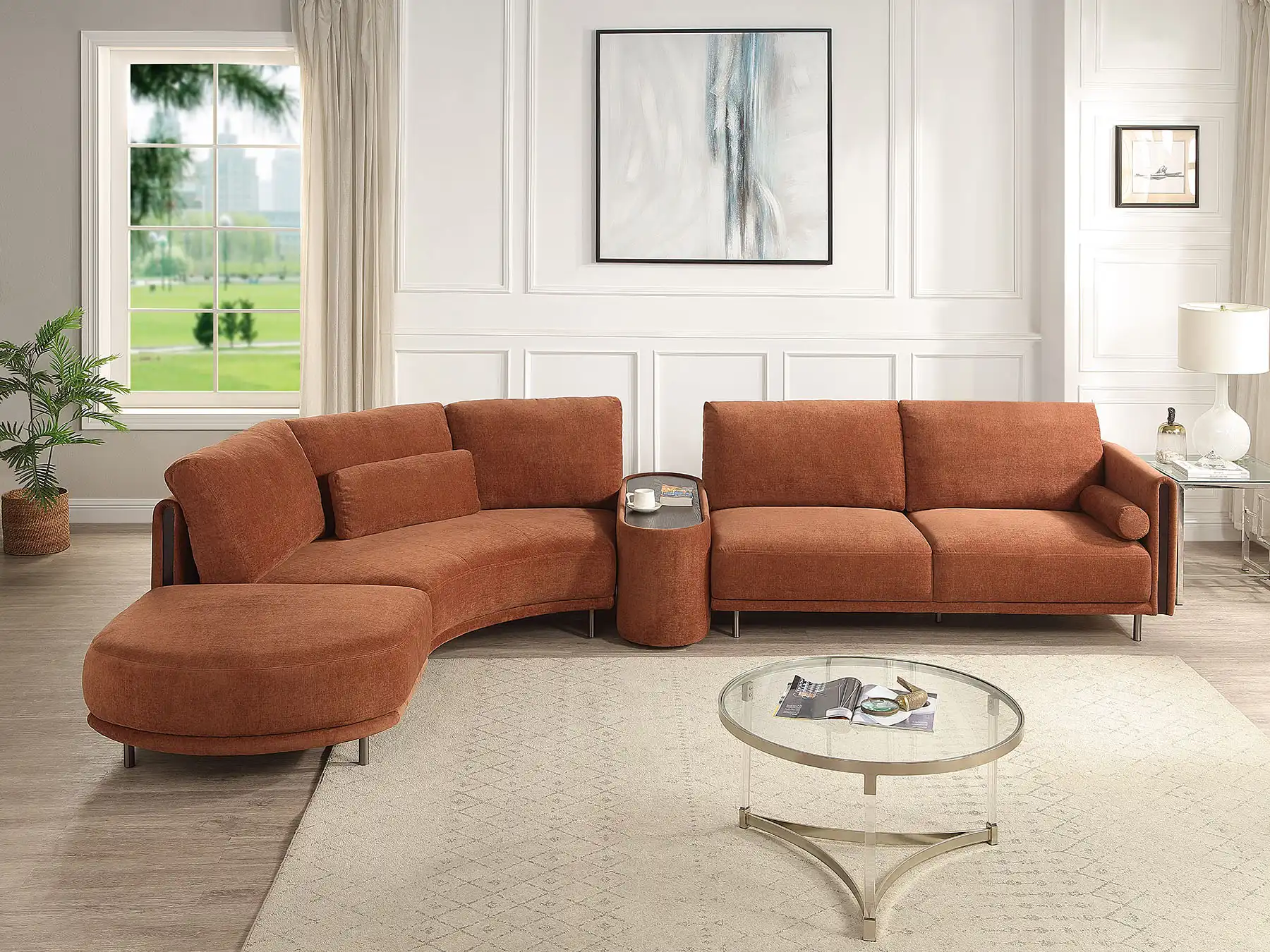
The revolutionary design of sectional sofas is made up of many separate movable parts that can be put together to make a single sitting arrangement. Corner wedges, armless chairs, and chaise lounges are common pieces in these sets. Buyers can arrange them in L-shaped, U-shaped, or special shapes depending on their space needs.
Modular Design Architecture
The main benefit of modular seats is that it is made up of separate parts. Each sectional piece has standard connection points that make it easy to put together while keeping the structure's integrity. This way of thinking about design solves the important problem of making the best use of space in business settings, where regular furniture often leads to bad plans.
Professional-grade sectional sofas have wooden frames that have been kiln-dried and have a moisture content that is kept between 6 and 12 percent to keep them from warping. The suspension systems use 8-gauge sinuous wire springs that are spread every 4 to 5 inches. This makes sure that the weight is evenly distributed across all seating places. Cores made of high-resiliency polyurethane foam with a minimum density value of 1.8 lbs/ft³ offer constant comfort and meet industrial durability standards.
Material Innovation and Durability
Modern sofa designs use high-tech upholstery materials that work better than traditional standards. Performance fabrics go through tough Wyzenbeek tests, and commercial-grade fabrics need to pass at least 30,000 double rubs for heavy-duty uses. Crypton and Olefin fabrics are hydrophobic, which is important for places like hotels and offices where stain resistance directly affects care costs.
Using eco-friendly materials meets the rising demand for sustainability in business purchases. Recycled polyester fills, low-VOC sealants, and hardwoods that were found in a responsible way all support the environmental goals of the company while still meeting structure performance standards. These new ideas show how flexible furniture can change to meet the needs of the market without lowering the quality or usefulness of the furniture.
Why Sectional Sofas Are Gaining Popularity Over Traditional Sofas?
When choosing furniture for a business, where space economy and adaptability are important, the limits of traditional sofas become more clear. Fixed-size chairs make it hard to change the layout, which is a problem in places that change often, like co-working spaces, hotel lobbies, and new housing projects.
Spatial Efficiency and Layout Optimization
Smart design integration makes modular sitting configurations make the most of the floor room that can be used. L-shaped setups naturally define conversation areas while keeping traffic moving. This is especially helpful in open-concept spaces where furniture serves as both a social hub and a space barrier.
Because sectional designs are flexible in terms of size, they can work in a lot of different spaces that regular couches can't. The width of a three-seat sectional is usually 90 inches, but it can be changed to fit tight areas or made bigger by adding more pieces as needed. This flexibility is very helpful for business buildings that have to change their layouts or tenants all the time.
Multi-Functional Performance
Modern sectional sofas combine multiple functions into a single piece of furniture, which fits with the current trend of saving room. With built-in storage spaces, movable headrests, and sleeping surfaces that can be changed, basic seats can be turned into complete living solutions. These features are especially useful in hotel settings where guest rooms need to be as functional as possible while still taking up as little space as possible.
Many sectional sofas have changeable chaises that let users change the layout of their furniture to suit the way the room is set up or their personal taste. This versatility keeps you from having to buy extra furniture and makes sure that you make the best use of your space no matter what changes you make to the interior design.
Commercial Application Advantages
More and more, people who buy things for businesses are realizing that sectional sofas are useful in business settings. Because it is modular, it is easier to move through lifts and doors that aren't very wide. This makes installation easier and lowers the cost of work. When parts need to be replaced or maintained, businesses can work on particular areas without having to buy whole new sets of furniture. This saves a lot of money in the long run.
Selecting the Right Sectional Sofa: A Decision Support Framework for Procurement
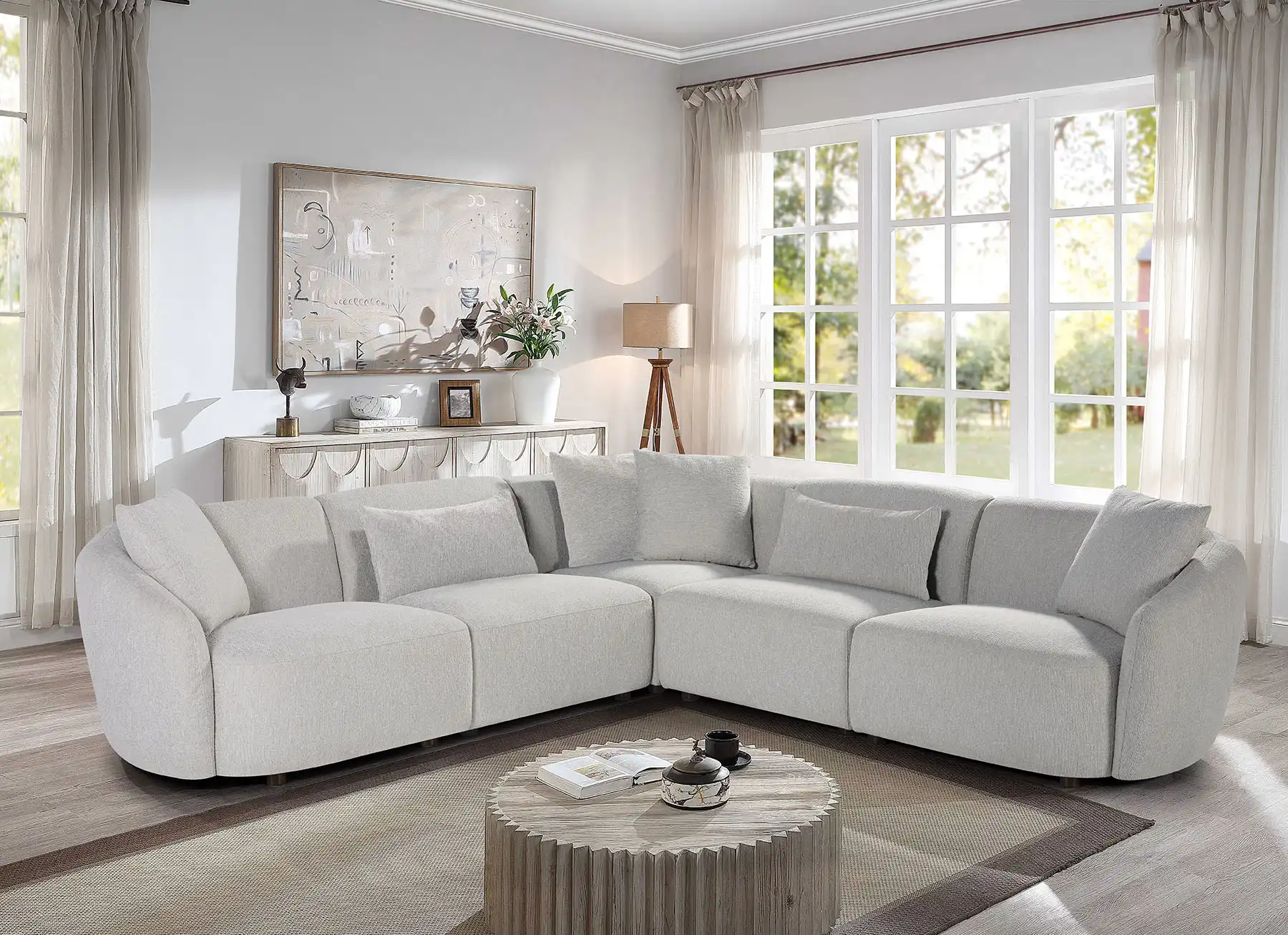
To choose the right sectional sofa, you need to carefully consider its technical specs, performance standards, and overall cost of ownership. The people who work in procurement have to find a balance between short-term budget limits and long-term durability needs, all while making sure that safety standards are met and stylistic goals are met.
Technical Specification Evaluation
The frame is what makes a sectional sofa last and work well for a long time. Furniture-grade plywood laminates or solid wooden construction with dowelled joints and reinforced corner blocks are used in high-end types. Stay away from goods that rely mostly on staple connections, as these don't work well in business settings.
Suspension system quality has a direct effect on how comfortable the user is and how long the structure lasts. Eight-way hand-tied spring systems work better in places with a lot of foot traffic, while flexible wire springs are a cheaper option for places with less foot traffic. The width of the spring gauge should be at least 8.5 gauges to make sure there is enough support.
Comfort and Ergonomic Assessment
When specifying cushions, it's important to think carefully about how they will be used and who will be using them. High-resiliency foam cores with Indentation Load Deflection grades between 28 and 35 pounds give a wide range of users the best medium-firm support. The dacron fiber wrapping makes the original feel more comfortable while keeping the core foam's stability over long periods of use.
Seat depth measurements have a big effect on how comfortable a person is, especially in business settings that serve a wide range of people. Standard levels range from 22 to 40 inches. Deeper configurations are better for places to relax, while shallower configurations are better for places that need busy seats, like offices or hotels.
Cost Analysis and Value Proposition
The prices of sectional sofas are based on how flexible the parts are, the quality of the materials used, and the way they are made. Basic business units usually cost between $1,200 and $2,500 for a three-seat configuration. More expensive models made with better materials and building can cost over $4,000. When procurement pros look at price-per-seat data, they should also think about how often seats need to be replaced and how much maintenance is needed.
Large-scale purchases can often be paid for with discounts for buying in bulk, longer payment terms, and flexible shipping schedules that work with project timetables. These financial arrangements make it easier to control cash flow and get better prices for multi-unit developments by buying in bulk.
Maintenance and Care: Ensuring Longevity of Sectional Sofas
Professional care procedures greatly increase the life of sectional sofas while keeping their good looks and usefulness. To keep replacement costs low and make sure users always have the same experience, commercial spaces need organized cleaning routines and preventive repair programs.
Material-Specific Cleaning Protocols
How to clean fabric furniture relies on the type of fibers used and how they were treated. To keep natural fibers from shrinking or losing their color, they need to be cleaned with gentle products and given just the right amount of wetness. Synthetic performance fabrics can handle harsher cleaning methods, like steam extraction and spot removers made for industrial use.
To keep them soft and avoid cracking, leather sectional sofas need special treatments to condition them. Applying pH-neutral leather cleansers once a month keeps the material's structure and protects it from damage caused by UV light and changes in humidity that are common in business settings.
Preventive Maintenance Programs
As part of regular upkeep, vacuums with fabric attachments should be cleaned once a week, deep cleaned once a month, and professionally inspected every three months. Tightening the frame joints, adjusting the spring tension, and rotating the cushions stop early wear patterns that damage the structure and make the user less comfortable.
For big business installations, professional care contracts are a cost-effective way to keep them in good shape. These programs usually include regular cleaning, small repairs, and access to replacement parts. This keeps the furniture in good shape while lowering the need for in-house care.
Warranty and Support Considerations
Commercial-grade sectional sofas should come with a full guarantee that covers the frame, the suspension systems, and the performance of the fabric. For structural parts, standard business guarantees last between 5 and 10 years, and for upholstery materials, they last between 2 and 5 years. Options for longer warranties offer extra security for areas with a lot of traffic and expected fast wear.
Support from a reliable provider includes having access to replacement parts, expert help, and organizing repair services. These help features are very important for business settings where broken furniture has a direct effect on how well things work and how happy the users are.
Top Sectional Sofa Brands and Market Trends in 2026
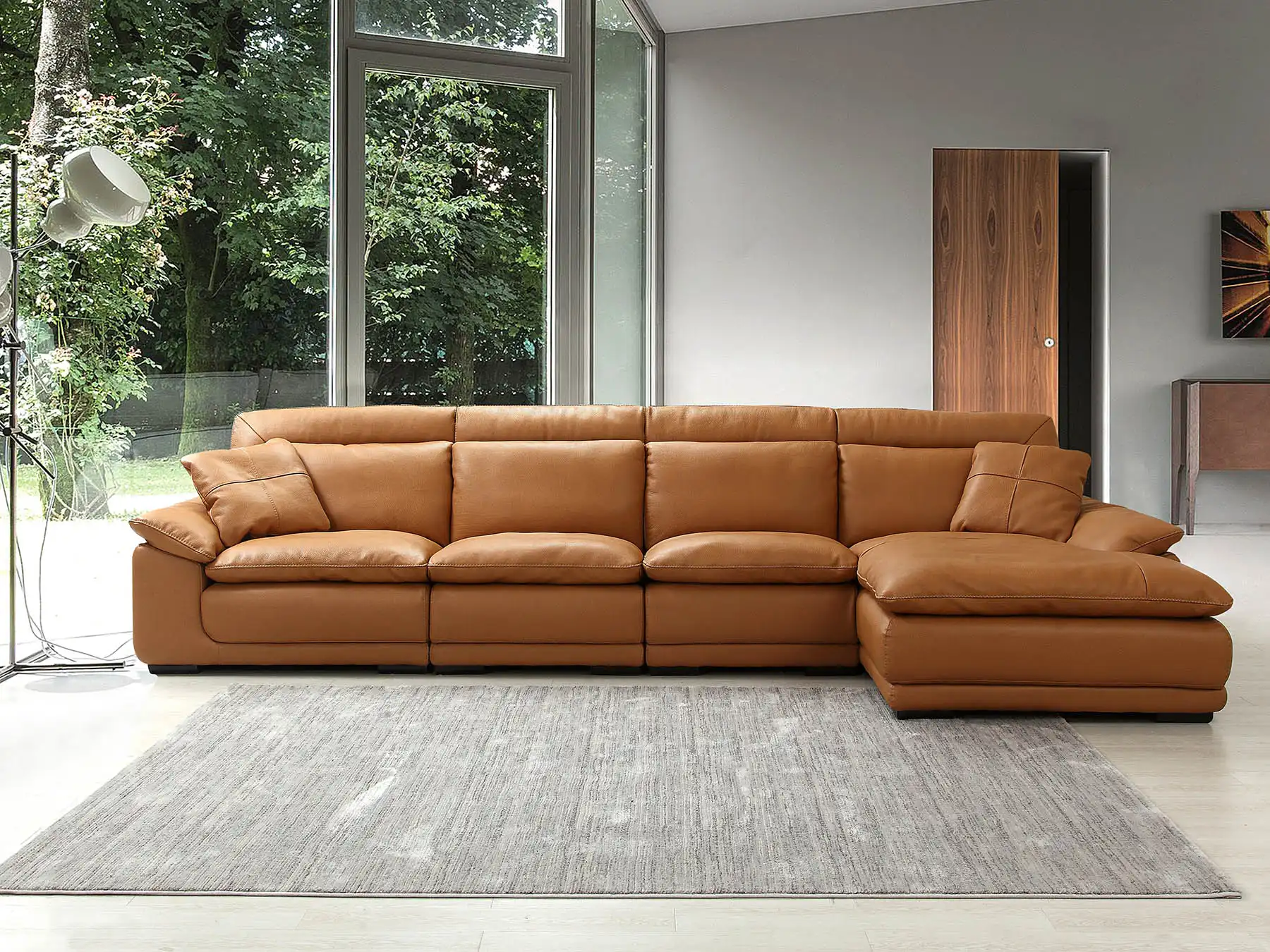
The market for business sectional sofas is always changing because of new technologies, efforts to be more environmentally friendly, and shifting ideas about how to plan offices. Competitive prices and high quality standards are maintained by leading makers, who change their product lines to meet new needs.
Market-Leading Manufacturers
Well-known names like Ashley Furniture, West Elm, and IKEA stay strong in the market by offering a wide range of products at reasonable prices. These companies make a lot of different products that can be customized to meet specific business needs. You can choose from different fabrics, configurations, and sizes.
New companies that make furniture are focusing on niche markets, such as those that need eco-friendly materials, flexible office furniture, and designs that work well in hotels. Companies like Kanas Furniture use advanced production techniques and international quality standards to offer affordable options that can be customized more easily and have faster customer service.
Sustainability and Innovation Trends
More and more people are buying eco-friendly sectional sofas that are made with recycled materials, low-impact production methods, and sustainable sourcing methods. In response, manufacturers offer choices like approved sustainable wood frames, recycled foam cores, and recyclable fabrics that help companies meet their environmental goals without lowering performance standards.
Adding USB charging ports, wireless charging surfaces, and built-in lighting systems to couch designs is a new trend called "smart furniture integration." These technological improvements meet the needs of current communication while keeping the traditional comfort and good looks.
Customization and Personalization
Commercial buyers are asking for more and more customization options that match the look and function needs of their brands. Leading makers offer large collections of fabrics, the ability to change sizes, and a variety of component combinations that make it possible to create custom furniture for a wide range of business uses.
When it comes to big projects that need brand-specific design elements or performance qualities, OEM and ODM services offer full customization support. These services help business buyers find unique furniture solutions while taking advantage of the knowledge and efficiency of the maker.
Conclusion
For example, the change from standard chairs to sectional configurations shows how business space is used and what users expect. Modular designs are better at adapting to new needs, adding new features, and saving money, all of which are important for modern businesses. As office design continues to move toward flexible, multifunctional spaces, sectional sofas are important pieces of furniture that can adapt to changing needs while still looking good. When procurement professionals use these modular seating options, their companies set themselves up for better user happiness and business efficiency.
FAQ
Q1: What makes sectional sofas more cost-effective than traditional sofas for commercial applications?
A: Sectional couches are more cost-effective because they can be replaced in modules, they make the best use of room, and they last longer. Businesses can replace specific pieces of furniture instead of whole sets when individual parts need to be replaced. This saves a lot of money in the long run. Sectional configurations make the best use of space and make the most of useful floor space, so they can fit more people in the same amount of room as one or two traditional couches.
Q2: How do sectional sofas accommodate non-standard office layouts and spatial constraints?
A: Through component-based building, modular sectional designs let you make any combination you can think of. Traditional sofas can't handle awkward areas, corner locations, or traffic flow needs well, but L-shaped, U-shaped, and custom setups can. Reversible chaise choices and modular improvements make it possible to change the plan without having to buy all new furniture. This gives businesses a lot of freedom as their needs change.
Q3: What longevity expectations should commercial buyers have for sectional sofas under heavy usage?
A: Commercial-grade sectional sofas usually last between 7 and 12 years with heavy use if they are built and maintained correctly. The frame's durability depends on how well it's made of hardwood and how well the joints are reinforced. The upholstery's durability depends on the material used and how it's cleaned. Performance fabrics with double rub values of 30,000 or more are very durable and work well in high-traffic areas. Regular care programs also make furniture last a lot longer.
Partner with Kanas for Premium Sectional Sofa Solutions
Kanas Furniture can completely make and customize sectional sofas that can change the look of your business areas. Our brand-new 40,000㎡ production plant makes high-quality modular seating options that meet international quality standards and offer great value for big buying projects. Kanas combines advanced production technology with skilled workmanship to make sectional sofas that meet your unique business needs. They have long-standing partnerships with major stores and a lot of OEM/ODM experience. For your next furniture project, email our procurement experts at sc@kanasfurniture.com to talk about bulk prices, customizable choices, and delivery times. Find out how our experience as a sectional sofa seller can help you make the best use of your space while also making users more comfortable and happy.
References
1. Mitchell, Sarah J. This article from the Journal of Interior Design Research is called "Modular Furniture Design Principles and Commercial Applications." 45, no. 3, 2024, pp. 78–94.
2. Thompson, David R., et al. "Space Optimization in Modern Commercial Environments: A Comparative Analysis of Seating Solutions." Facilities Management Quarterly, vol. 28, no. 2, 2024, pp. 156-171.
3. Anderson, Lisa K. "Material Innovation in Commercial Furniture: Sustainability and Performance Standards." Contract Design Magazine, vol. 66, no. 4, 2024, pp. 45-52.
4. Rodriguez, Carlos M. "Total Cost of Ownership Analysis for Commercial Seating Procurement." Business Furniture Review, vol. 19, no. 1, 2024, pp. 23-37.
5. Chen, Jennifer L., and Mark P. Sullivan. "Workplace Design Trends and Furniture Adaptation Strategies." Corporate Real Estate Journal, vol. 14, no. 2, 2024, pp. 89-105.
6. Williams, Robert T. "Modular Furniture Systems: Engineering and Ergonomic Considerations." Furniture Design and Technology, vol. 31, no. 3, 2024, pp. 112-128.
Learn about our latest products and discounts through SMS or email