- English
- French
- German
- Portuguese
- Spanish
- Russian
- Japanese
- Korean
- Arabic
- Greek
- German
- Turkish
- Italian
- Danish
- Romanian
- Indonesian
- Czech
- Afrikaans
- Swedish
- Polish
- Basque
- Catalan
- Esperanto
- Hindi
- Lao
- Albanian
- Amharic
- Armenian
- Azerbaijani
- Belarusian
- Bengali
- Bosnian
- Bulgarian
- Cebuano
- Chichewa
- Corsican
- Croatian
- Dutch
- Estonian
- Filipino
- Finnish
- Frisian
- Galician
- Georgian
- Gujarati
- Haitian
- Hausa
- Hawaiian
- Hebrew
- Hmong
- Hungarian
- Icelandic
- Igbo
- Javanese
- Kannada
- Kazakh
- Khmer
- Kurdish
- Kyrgyz
- Latin
- Latvian
- Lithuanian
- Luxembou..
- Macedonian
- Malagasy
- Malay
- Malayalam
- Maltese
- Maori
- Marathi
- Mongolian
- Burmese
- Nepali
- Norwegian
- Pashto
- Persian
- Punjabi
- Serbian
- Sesotho
- Sinhala
- Slovak
- Slovenian
- Somali
- Samoan
- Scots Gaelic
- Shona
- Sindhi
- Sundanese
- Swahili
- Tajik
- Tamil
- Telugu
- Thai
- Ukrainian
- Urdu
- Uzbek
- Vietnamese
- Welsh
- Xhosa
- Yiddish
- Yoruba
- Zulu
Selecting the Perfect Leather Sofa: A Comprehensive Guide
Finding the right leather couch requires balancing how it looks, how long it will last, and how well it works. This is especially important for B2B buyers who are looking for furniture for hotels, offices, or retail stores. modern leather sofas for living room settings are more than just places to sit; they're investments in your brand's image, your customers' comfort, and your bottom line in the long run. This guide tells you what you need to think about when choosing leather chairs that meet strict business standards and have classic style. If you want to make sure that the furniture you buy lasts for years, whether it's for a boutique hotel lobby or a business reception area, you need to know about the material specs, building quality, and upkeep needs.
Understanding Modern Leather Sofas: What Makes Them Ideal for Living Rooms?
The Defining Characteristics of Contemporary Leather Seating
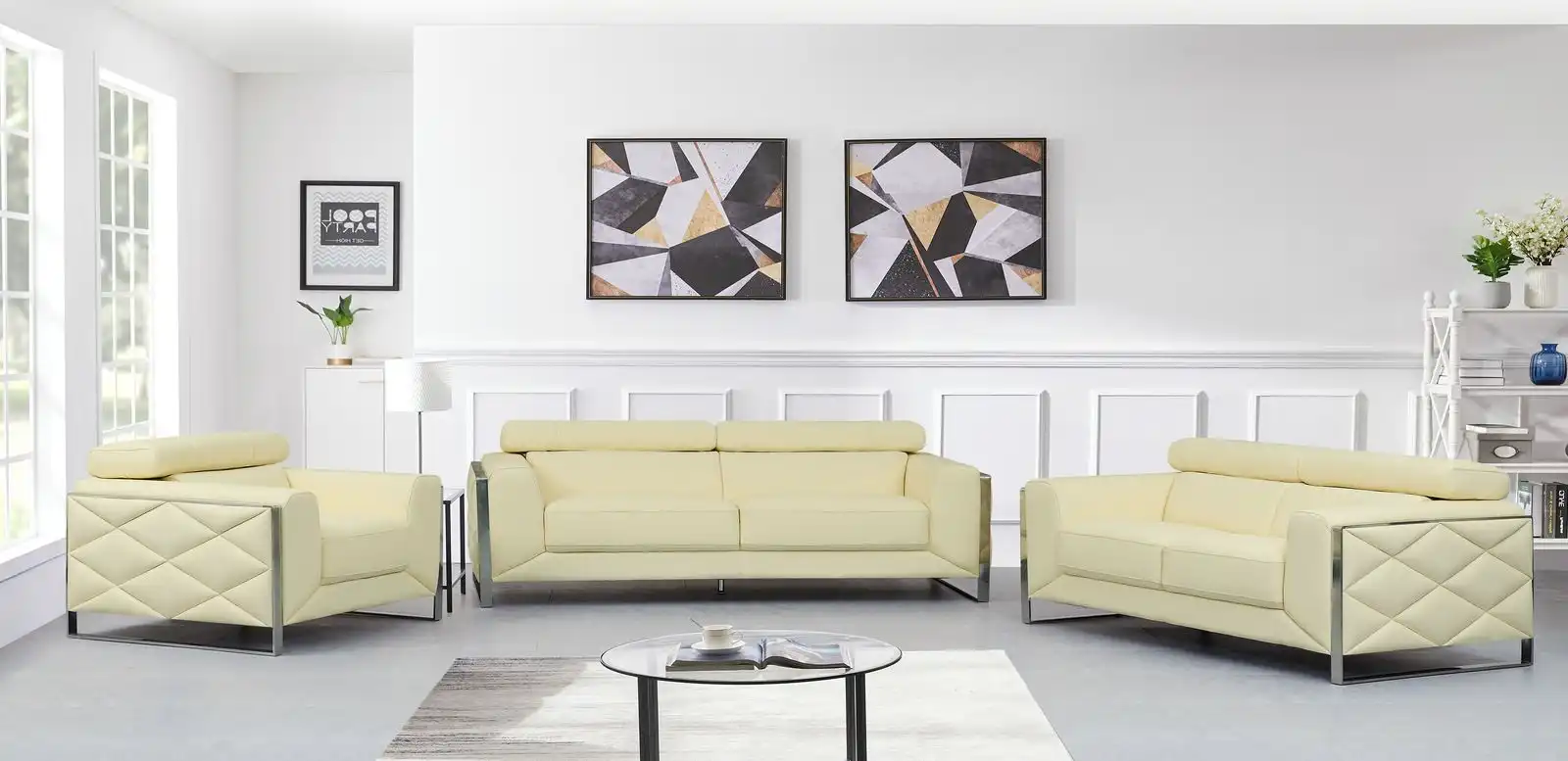
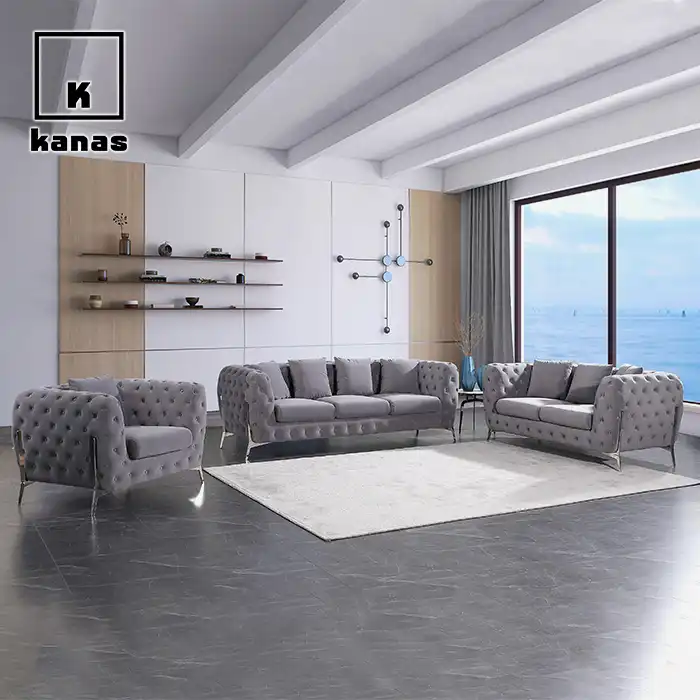
Modern leather couches are different from older styles because they don't have the fancy details that older styles do. Instead, they have clean geometric lines and low-profile shapes. Platform bases or sleek metal legs—often made of brushed stainless steel or powder-coated aluminum—give these modern leather sofas for living room environments a light look while still holding a lot of weight. The simple style goes well with modern ideas about interior design, so these chairs can be used in a wide range of business settings, from simple office spaces to high-end private developments.
Material Science: Understanding Leather Grades and Performance
The edge in longevity starts with the choice of material. Top-grain leather comes from the top layer of a cow's hide and is between 0.9mm and 1.6mm thick. It has the best combination of natural looks and durability. Full-aniline finishes keep the natural pores of the hide and, over time, create a beautiful patina, but they need more care. Semi-aniline leather has a light protective coating that keeps a lot of the natural texture. This means it can be used in places with mild traffic.
Pigmented leather, which is also sometimes called protected leather, has a polymer treatment put on the surface that makes it much more resistant to spills, UV fading, and surface scratches. Because of this, it is the best specification for business uses with a lot of foot traffic where upkeep efficiency is important. The material passes ISO 105-B02 lightfastness standards, which means that the colors will stay the same even in lobby areas with floor-to-ceiling windows that get a lot of sun.
Structural Integrity and Construction Quality
What matters more than the things on the outside is how the building is built on the inside. To keep the frames from warping, high-end chairs use kiln-dried hardwood that has a moisture level managed between 8% and 12%. Joinery points are strengthened with corner blocks and metal frames, which spread stress loads equally over years of use. Whether it's sinuous springs or elastic netting, the suspension system has to stay quiet and comforting for thousands of sitting cycles.
The "puddling" effect happens when leather surfaces sag between cushion supports. High-resiliency foam with a density of more than 2.0 lb/ft³ stops this from happening. This foam core is covered in Dacron or a mix of down and feathers, which makes the leather soft at first and protects it from direct compression stress. As a result, the bench keeps its shape and ease even after being used in a contract-grade way.
Design Versatility Across Commercial Applications
Sofas made of leather can be used in a wide range of work settings. Models with deep seats and tufted backs look professional and comfortable in corporate areas. Modular sectionals that can be moved around to fit different event setups are great for hotel halls. In office waiting areas, tight-back builds are often chosen to make the most of small floor plans and keep the sleek, modern look. The neutral color choices, which range from warm cognacs to cool grays, go well with both brand color schemes and current building finishes.
How to Choose the Right Modern Leather Sofa for Your Business Needs?
Establishing Your Procurement Priorities
Before you choose B2B furniture, you should figure out whether your main goal is to improve the space's look, provide physical support, or make upkeep easier. Hotels that put the guest experience first might put more weight on how the room looks and how comfortable it is at first. For long periods of time, people who work in corporate buildings need seats with good back support and leather surfaces that don't get too hot. Understanding these priority levels makes the review process for modern leather sofas for living room applications go more quickly and stops feature-cost mismatches.
Critical Evaluation Criteria for Commercial Purchases
Professional procurement choices are based on a number of objective measures. Results from durability tests, such as the Martindale rub test cycles (good chairs can handle 100,000 cycles or more), give us measurable information about how well something works. The terms of the warranty show how confident the maker is in the product. Commercial-grade furniture usually comes with a structure warranty that lasts 5–10 years and separate upholstery coverage. Cost-per-year calculations, which divide the initial investment by the projected service life, often show that mid-priced choices are a better deal than cheap options that need to be replaced too soon.
In business settings, fire retardancy rules must be followed. Specifications should make sure that the building meets the requirements of CAL TB 117-2013 or a similar area fire safety rule. Chemical safety paperwork that shows low VOC emissions and no restricted azo-dyes or hexavalent chromium in tanning processes saves both the health of the people who work there and your company's responsibility.
Sectional Versus Traditional Configurations
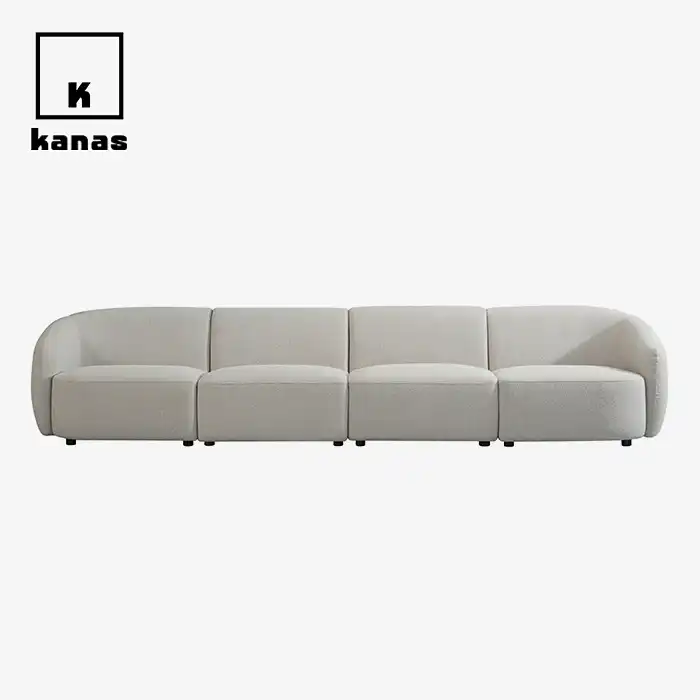
Flexible layouts are made possible by modular sections systems. This is especially helpful in mixed-use areas or buildings that will be reconfigured in the future. If some parts get broken, they can be changed without having to throw away the whole seating setup. Traditional three-seat or couch arrangements offer classic sizes and easier operations, but they are less flexible. A lot of buying teams choose a mix of approaches, with set seating in official areas and modular choices in areas that can be used for different things.
Customization Opportunities for Brand Alignment
With OEM and ODM options, you can choose custom sizes, leather colors that fit company colors, and logo embossing on the headrests or side panels. With these customization choices, regular office furniture can be turned into brand-building pieces that help a place stand out. Working with makers that offer these services means longer lead times—usually 8 to 12 weeks for special runs—but they can give you a level of difference that you can't get with off-the-shelf goods.
Scalability and Phased Procurement Strategies
Framework deals with manufacturers who can keep the quality of their work uniform across batches are helpful for big projects that take place in more than one facility. Phased buying lets the budget be spread out over several fiscal years while keeping the plan consistent. Tiered pricing systems are often opened up by volume commitments. As order numbers hit container-load limits, unit costs go down. Teams in charge of buying things should check to see if a seller can meet both original orders and future restocking needs without affecting quality.
Maintenance and Care: Maximizing the Lifespan of Your Modern Leather Sofa
Common Challenges in Commercial Environments
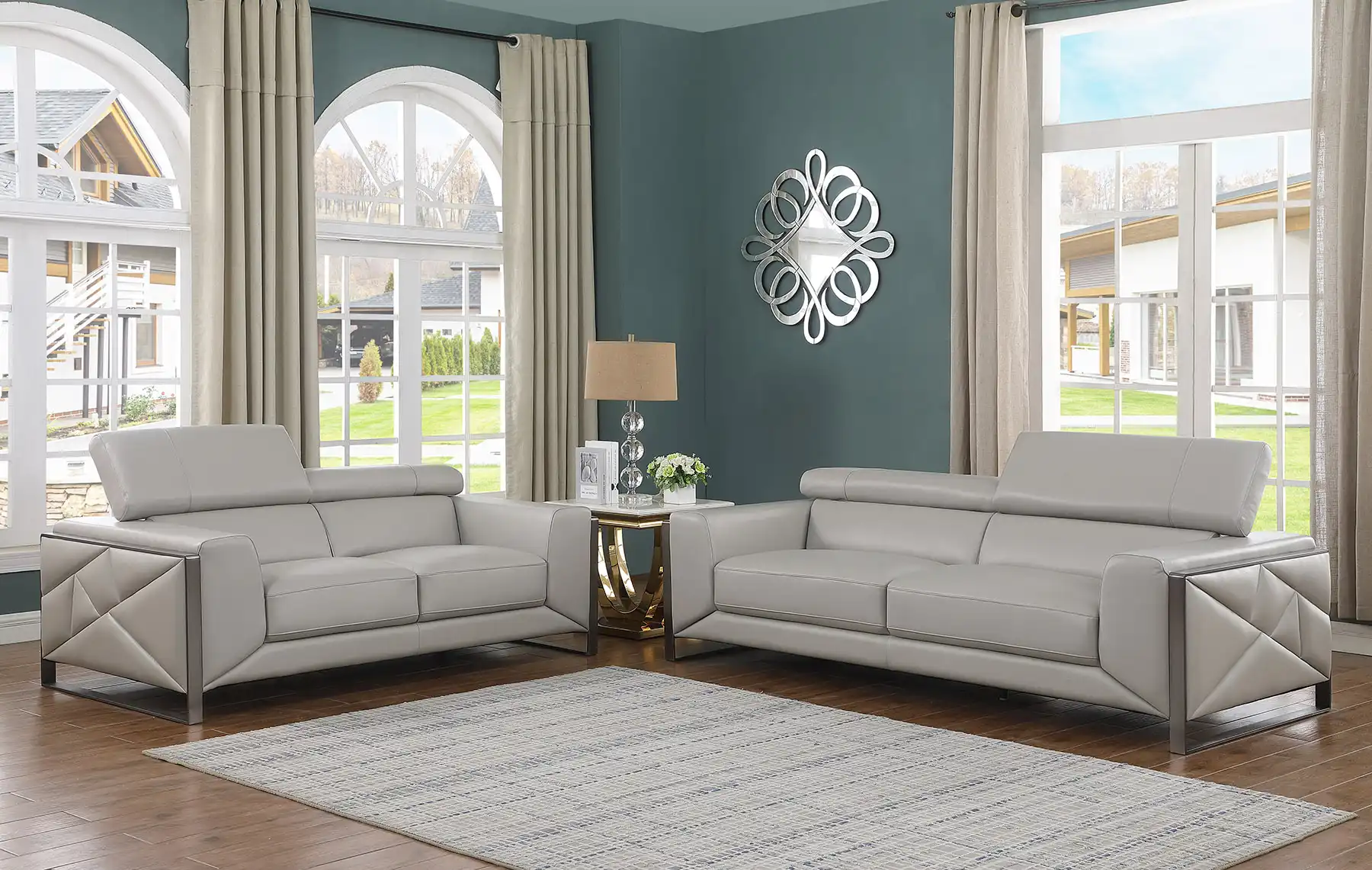
Heavy-traffic settings speed up the normal wear and tear process. Body oils build up on the headrests and arms, turning the leather darker over time and wearing away protection finishes. If you don't clean up spills of food or drinks right away, they could leave lasting stains on modern leather sofas for living room use. UV light near windows fades things unevenly, making color changes between areas that are in the sun and areas that are in the shade. Hardware from clothes, like belt buckles, jacket zippers, and rivets on jeans, eats away at seat cushions' top layers over time.
Systematic Maintenance Protocols
Care programs that work start with daily routines. Dust and body oils on the surface of leather should be cleaned off with soft microfiber cloths before they get into the pores. Cleaning leather once a week with pH-neutral cleaners (pH 6–8) gets rid of built-up dirt without removing protection topcoats. Regular cleaning treatments once a month add back the natural oils in aniline and semi-aniline leathers, which keeps them from becoming dry and breaking.
Pigmented leather doesn't need to be conditioned as often, but applying protection cream every three months is still a good idea. The "crocking" problem is especially bad with indigo denim. These creams make transparent protective layers that stop dye from transferring from clothes. If you clean up spills right away with an absorbent cloth, the liquid won't be able to spread or get deeper into the leather.
Professional deep cleaning should be done every six months in places that get a lot of use. Specialized tools and cleaning solutions can get rid of deep-down dirt that regular care can't reach. This professional help also gives techs a chance to check structural parts, tighten up loose hardware, and fix small problems before they get so bad that they need to be replaced.
Documentation and Staff Training
The success of maintenance relies on how well the facility staff does their job every time. Making simple visual guides that show the right way to clean, the right products to use, and how to report damage makes sure that everyone follows the rules across shifts. Taking pictures of the conditions as they were at the start can help you keep track of wear patterns and plan when to do repairs. These records also back up guarantee claims if something breaks down too soon.
Case Study: Hotel Lobby Implementation
By using systematic leather care across 15 sites, a small hotel company cut the number of sofa replacements from every 4 years to 7 or more years. The program called for cleaning once a week, conditioning every three months, and an expert deep cleaning once a year. An initial investment of two hours of training per facility paid for itself within the first extended replacement cycle. Over the course of five years, the portfolio saved more than $180,000.
Comparing Modern Leather Sofas with Alternative Options
Performance Metrics: Leather Versus Fabric Upholstery
Durability testing shows big changes in how well things work. High-quality leather can handle more than 100,000 Martindale rub test cycles, while most industrial fabrics can only handle 30,000 to 50,000 cycles. In terms of service life, this directly translates to longevity: modern leather sofas for living room settings usually look good for 7–12 years, while cloth sofas in the same conditions only last 3–5 years.
Leather is better for high-traffic areas because it is easier to clean and maintain. Leather surfaces can be cleaned up by pressing them, but fabrics soak up liquids and need vacuum cleaning or professional treatment. Leather doesn't hold smells very well, but cloth furniture slowly picks up smells from the air and needs to be deodorized every so often. Fabric's porous structure makes it easier for allergens like dust mites, pollen, and hair to build up than leather's protected surface.
Cost-Effectiveness Analysis
When it comes to initial buy prices, leather versions cost 30–60% more than similar fabric models. A good leather couch can cost anywhere from $1,200 to $3,500, based on the size and quality of the leather. Fabric sofas start at around $800. Total cost of ownership estimates, on the other hand, show a different picture. When you think about how often you need to replace something, leather's longer service life and lower upkeep costs often mean that the product's yearly costs are 20–40% less over its lifetime.
People on a tight budget can get good leather seats for less than $1,500 if they choose bonded leather or synthetic materials, but they won't last as long. For most business uses, mid-range choices ($1,800 to $2,800) with sturdy hardwood frames and top-grain leather are the best value. Premium items that cost more than $3,000 have full-aniline leathers, hand-rubbed finishes, and expert building details that make them fit the luxury market.
Environmental Considerations and Sustainability
The dyeing process and raising animals for leather production use a lot of resources and have environmental effects. But because leather lasts longer than other materials, it doesn't need to be replaced as often and doesn't add as much to landfills over time. Chromium worries are gone with vegetable-tanned leathers that use plant-based tanning agents, but they cost 15–25% more than regular-tanned leathers.
New vegan leather options made from polyurethane or plant-based materials are appealing to businesses that have strong environmental goals. The latest veggie leathers look just as good as real leather, but they only last 60% to 70% as long. This makes them cost-effective mostly when environmental concerns are more important than lifetime economics. Performance gaps are getting smaller because of ongoing progress in material science.
Where and How to Purchase Modern Leather Sofas: Maximizing Value and Service?
Sourcing Channels for B2B Procurement
When it comes to price and customization, direct ties with manufacturers are the best. Making links at foreign furniture shows like High Point Market, Salone del Mobile, or Canton Fair lets you check out quality in person and build relationships. Factory trips let you see how production works, how quality is checked, and how capacity is planned, all of which affect how reliable deliveries are.
B2B digital platforms make the original buying process easier, but suppliers need to be carefully checked out. Verified information about the maker, past transactions, and third-party quality certifications can help you find trustworthy partners for sourcing modern leather sofas for living room projects. A lot of procurement teams start by using platforms to find out more about each other and then switch to direct contact for more in-depth discussions about specs and contracts.
Logistics and Delivery Planning
Optimizing the load of containers has a big effect on the cost per unit. Depending on the type, a normal 40-foot high-cube container can fit between 50 and 70 sofas. Shipping full containers cuts freight costs by 40% to 60% compared to shipping less than full containers. Load consolidation saves procurement teams a lot of money when they coordinate rollouts across multiple properties or combine different types of furniture within packages.
Lead times depend on how you source the goods. Stock items from local wholesalers can be shipped within days, but they cost more than other things. Custom orders sent directly from makers usually take between 8 and 14 weeks to complete, which includes production, quality control, and shipping by ocean freight. Buyers with a lot of experience keep rolling forecasts to make sure that their buying schedules work with project deadlines and to avoid rush fees, which can raise prices by 20% to 35%.
Warranty and Service Considerations
Commercial-grade guarantees should cover both basic parts (like the frame and suspension) and upholstery parts separately. Structures with guarantees of 10 years or more show that the builder is confident in the quality of the work. Upholstery covering usually lasts between 3 and 5 years, which is about how long you can expect surfaces to last in business use. Having clear warranty terms about what flaws are covered versus regular wear and tear, how to file a claim, and how to handle repairs will help avoid disagreements during the service relationship.
Support options after the sale are important, especially for big setups. Manufacturers who offer a collection of replacement parts, fix training for building staff, and quick technical support help keep investments in good shape over time. Geographic service networks are useful for businesses with multiple sites that need regular repair help.
Strategic Timing for Optimal Pricing
The furniture market follows regular trends that make it easier to buy. Manufacturers get rid of old models and bring out new ones in the summer (June–August) and after the holidays (January–February), when they often offer discounts of 15–30% on models from the previous season. These are real chances to make money because furniture designs stay useful for years, unlike goods that go out of style quickly.
During trade show times, makers try to get order commitments to explain the money they spend on the shows. By making volume commitments or multi-year framework deals, you can get more price flexibility that you wouldn't normally get through normal methods of purchase.
Conclusion
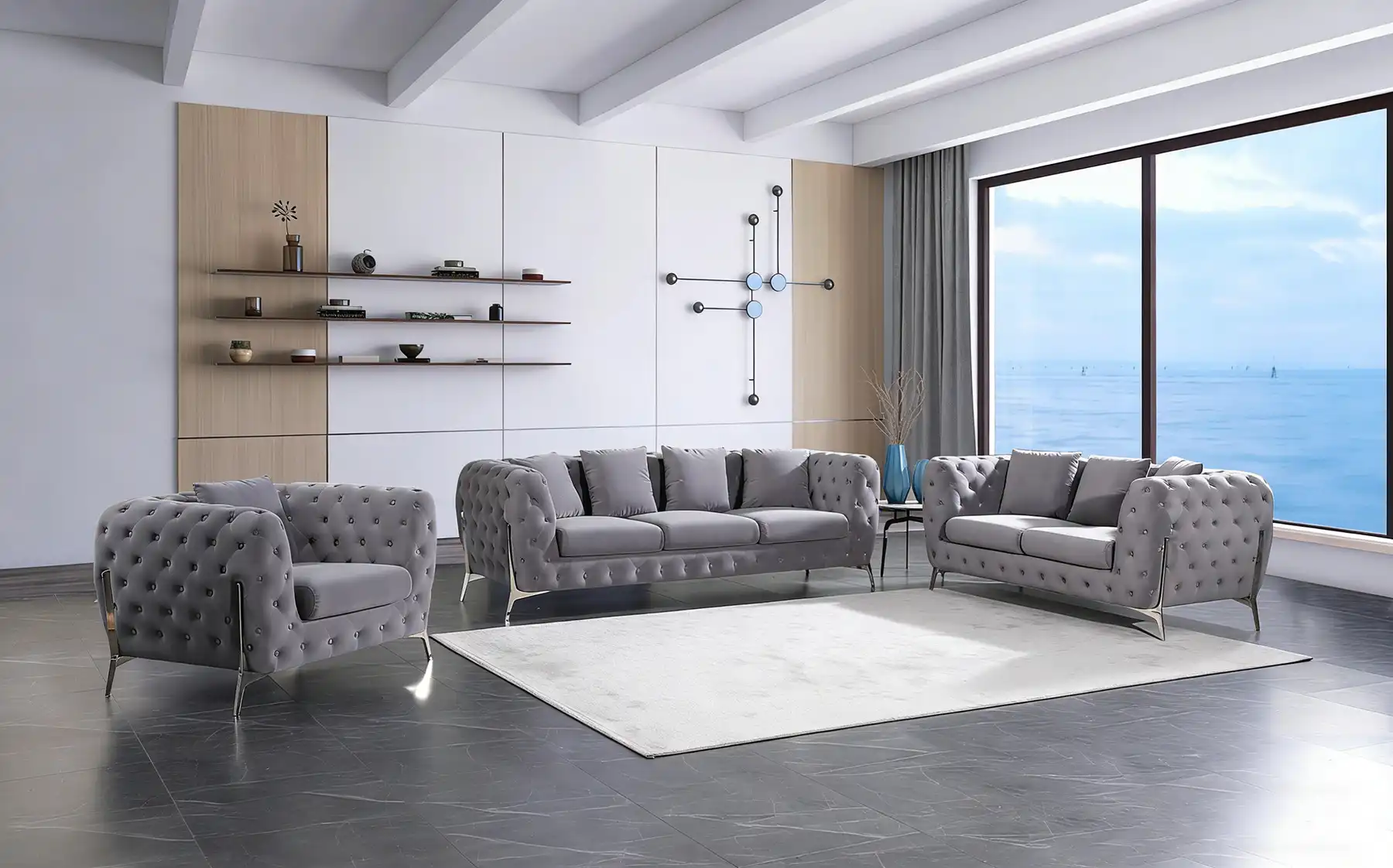
When choosing good leather chairs for business use, you need to think carefully about the materials used, how they are built, how often they need to be maintained, and what the seller can do. Investing in high-quality seating pays off in a number of ways, including longer service life, lower upkeep costs, and better room appeal, all of which affect how customers and employees feel about the business. A good procurement process for modern leather sofas for living room facilities balances the original budget limits with the total lifetime economics, keeping in mind that mid-range specs usually deliver the best value. Building partnerships with manufacturers that offer customization options, reliable shipping, and quick customer service after the sale sets your company up for both short-term project success and long-term furniture portfolio management. The advice gives procurement workers the tools they need to make sure decisions that meet the needs of the company.
FAQ
Q1: What leather grade should we specify for high-traffic commercial lobbies?
A: For settings with a lot of use, pigmented leather works best. The polymer surface treatment makes it more resistant to spills, wear, and UV fading, and it also makes upkeep easier. Some natural leather traits are valued along with useful durability, and semi-aniline leather is a good choice for places with moderate traffic. Specifying these for modern leather sofas for living room settings ensures long-term aesthetic stability.
Q2: How do we verify frame quality without destructive testing?
A: The lift test is a quick way to check the structure. Raise one front corner about six inches, and the other front corner should rise almost at the same time. If the frame bends or lifts slowly, it means the joints aren't strong enough for business use. Ask for material specs that prove the construction is made of kiln-dried hardwood and that the corner blocks are reinforced.
Q3: Can we match custom leather colors to existing interior finishes?
A: Spectrophotometer research can be used to match color samples by reputable makers who offer OEM services. Minimum order numbers are usually in place, and range from 50 to 100 units, depending on how much customizing is needed. In order to handle custom dyeing and quality control methods, lead times are 2 to 4 weeks longer than usual.
Q4: What delivery lead times should we expect for international orders?
A: Stock configurations from well-known sources usually ship in two to three weeks. For custom orders, the process takes 8–12 weeks, which includes production (4-6 weeks), quality inspection (1 week), and ocean freight (3–5 weeks, based on location). Air freight cuts travel time to 7–10 days, but it costs a lot more and is only used when projects need to be done quickly.
Partner with Kanas for Your Modern Leather Sofa Requirements
Manufacturer of high-quality modern leather sofas for living room and businesses, Kanas Furniture combines advanced production skills with flexible OEM/ODM services that meet the needs of business-to-business buyers. Our 40,000㎡ facility consistently produces high-quality work for a wide range of projects, from small hotel setups to large-scale business furniture. We keep large stocks of all the materials we need so that we can meet tight shipping dates and offer color customization and specification flexibility. As a leather couch provider, we have been certified by ISO 9001 and meet the safety standards needed for the North American and European markets. You can talk to our sourcing experts at sc@kanasfurniture.com about the needs of your project, look through our full catalog, or set up a tour of our facility. We give you thorough quotes, samples of the materials, and technical specifications to help you do your research and feel confident in your sourcing choices.
References
1. American Leather Quality Association. (2022). "Commercial Grade Leather Specifications and Testing Standards for Contract Furnishings." Industry Standards Manual, Vol. 18.
2. Furniture Industry Research Foundation. (2023). "Total Cost of Ownership Analysis: Leather versus Fabric Upholstery in High-Traffic Applications." Commercial Furniture Quarterly, pp. 34-52.
3. International Furniture Manufacturing Council. (2021). "Frame Construction Standards and Durability Benchmarks for Commercial Seating." Technical Guidelines Series.
4. Martinez, R., & Chen, L. (2023). "Sustainable Materials in Modern Furniture: Environmental Impact Assessment of Leather Production and Alternatives." Journal of Industrial Ecology, 27(3), 445-467.
5. North American Hospitality Procurement Association. (2022). "Best Practices for Furniture Lifecycle Management in Commercial Properties." Procurement Professional's Handbook, 4th Edition.
6. Wilson, T. (2023). "Leather Care and Maintenance Protocols for Contract Interiors: Evidence-Based Approaches to Extending Furniture Lifespan." Facilities Management Review, 41(2), 112-128.
Learn about our latest products and discounts through SMS or email