- English
- French
- German
- Portuguese
- Spanish
- Russian
- Japanese
- Korean
- Arabic
- Greek
- German
- Turkish
- Italian
- Danish
- Romanian
- Indonesian
- Czech
- Afrikaans
- Swedish
- Polish
- Basque
- Catalan
- Esperanto
- Hindi
- Lao
- Albanian
- Amharic
- Armenian
- Azerbaijani
- Belarusian
- Bengali
- Bosnian
- Bulgarian
- Cebuano
- Chichewa
- Corsican
- Croatian
- Dutch
- Estonian
- Filipino
- Finnish
- Frisian
- Galician
- Georgian
- Gujarati
- Haitian
- Hausa
- Hawaiian
- Hebrew
- Hmong
- Hungarian
- Icelandic
- Igbo
- Javanese
- Kannada
- Kazakh
- Khmer
- Kurdish
- Kyrgyz
- Latin
- Latvian
- Lithuanian
- Luxembou..
- Macedonian
- Malagasy
- Malay
- Malayalam
- Maltese
- Maori
- Marathi
- Mongolian
- Burmese
- Nepali
- Norwegian
- Pashto
- Persian
- Punjabi
- Serbian
- Sesotho
- Sinhala
- Slovak
- Slovenian
- Somali
- Samoan
- Scots Gaelic
- Shona
- Sindhi
- Sundanese
- Swahili
- Tajik
- Tamil
- Telugu
- Thai
- Ukrainian
- Urdu
- Uzbek
- Vietnamese
- Welsh
- Xhosa
- Yiddish
- Yoruba
- Zulu
How to Style Your Leather Chaise Lounge Sofa
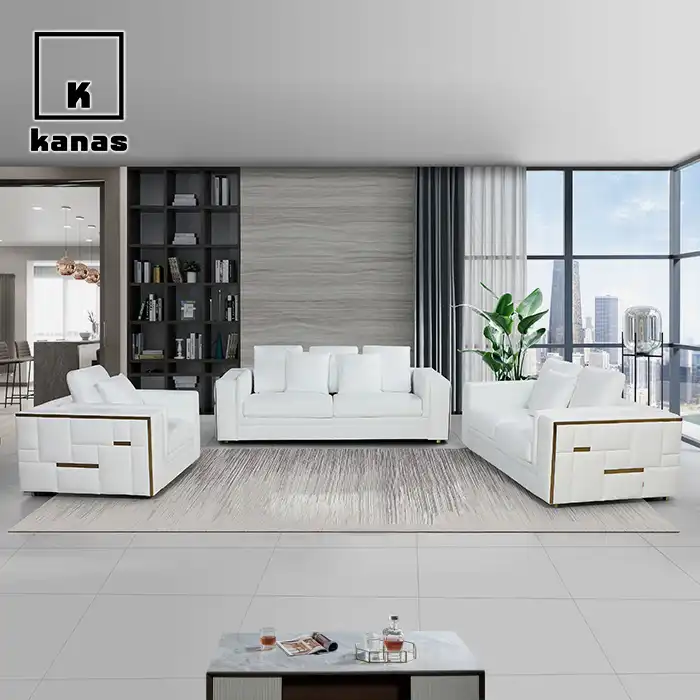
In order to style a leather sectional with chaise lounge, you need to know both design principles and useful needs in order to make places that improve brand identity and user experience. This modular sitting solution combines horizontal sofa pieces with an extended perpendicular seat meant to support the legs. It makes the best use of corner areas and open floor plans while offering different resting depths. The leather upholstery has a non-porous, hypoallergenic surface that doesn't absorb smells and is easier to clean in high-traffic areas. This makes it especially useful for commercial settings where durability and good looks need to work together without any problems.
Understanding the Leather Sectional with Chaise Lounge
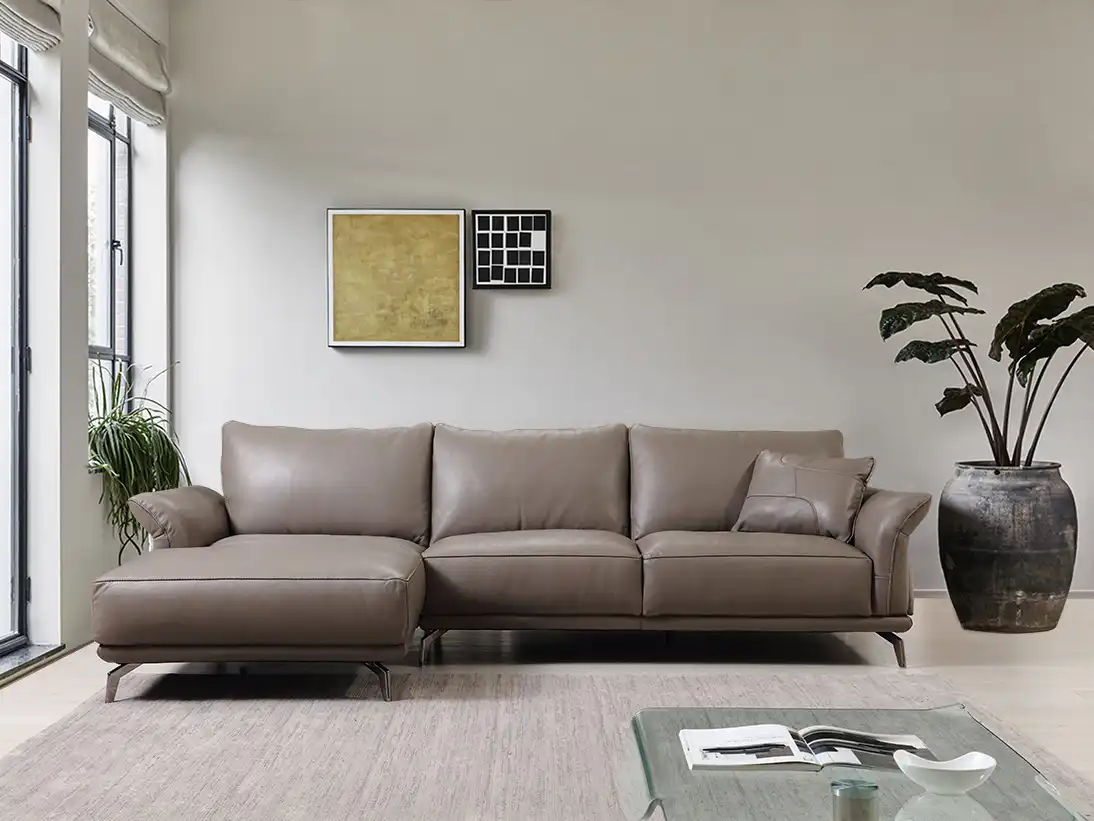
Configuration Options for Commercial Spaces
In commercial settings, furniture needs to be able to react to different traffic patterns and space needs. A leather sectional with chaise lounge can be put together in a number of different ways, such as L-shaped, U-shaped, or flexible ways that can be changed as needs change. L-shaped setups are great for hotel lobbies because they make conversation places without blocking views of the front desks. U-shaped layouts work well in executive waiting areas and office lounges because they create enclosed sitting groups that make it easier to keep business conversations casual. Modular systems let procurement teams change the number of seats as projects grow. This means that furniture doesn't has to be replaced all at once during repairs or when the space is rearranged.
Leather Types and Quality Considerations
When buying business furniture, the choice of material has a direct effect on both the original investment and the long-term cost of ownership. Full-grain leather is the best because the surface roughness hasn't been changed and it has natural marks that turn into a unique patina over time. This choice is good for high-class hotel rooms and senior offices where image is important. Light sanding and a protective coating are applied to top-grain leather to make it more stain-resistant and uniform in look.
This makes it a good choice for places like hotels and restaurants that have to clean their floors often. Split leather and bonded alternatives are cheaper choices, but they usually need to be replaced every three to five years, which makes them less good for long-term installs. High-quality leather made for business use should have a tensile strength that can be proven by Martindale abrasion tests. Ideally, it should be able to resist more than 50,000 rounds of sitting and standing, which is common in reception areas and office rooms.
Structural Integrity and Frame Construction
Structure building under the fabric is the first step in making something last. Premium leather sectionals have kiln-dried wooden frames that keep the moisture content between 6% and 12% so they don't bend in climate-controlled business areas. Heavy-gauge spiral springs or eight-way hand-tied coil systems provide the base support that keeps the seat's shape even after years of use. High-resiliency foam pillows with a density of more than 2 pounds per cubic foot, which are often wrapped in down or dacron to give them initial loft, keep you comfortable for the life of the product.
Procurement teams should make sure that metal ratcheting joints keep modular parts together. This is especially important on smooth floors, where it can be hard for sections to separate. The guarantee coverage and upkeep needs are directly affected by these technical standards. These factors have a big impact on the total cost estimates in multi-year procurement contracts.
Styling Your Leather Sectional with Chaise Lounge for Commercial Environments
Color Selection and Psychological Impact
When buying business furniture, color choices for a leather sectional with chaise lounge affect more than just personal taste. They also affect how people behave and how they think of the brand. Neutral colors like charcoal, brown, and espresso give a room a classic, elegant look that can adapt to changing fashions in home decor without having to buy all new furniture. Also, these shades hide small signs of wear better than lighter ones, making it look like less upkeep is needed in areas that people see.
Cognac and brown tones add warmth that works well in small hotels and creative agency offices where being friendly is important. For a polished and up-to-date look, cool grays look great in business offices and the lounges of tech companies. Knowing about color psychology helps interior designers choose furniture that fits with the goals of the brand identity while also making sure that the choices will still be able to make money over the expected product lifecycles.
Strategic Furniture Arrangement
How well leather sectionals help or hurt traffic flow and user contact depends on how the space is planned. When you put the chaise part facing the main entrance, it makes for a warm visual center in hotel lobbies and office waiting areas. In big open-plan offices, floating arrangements, in which sectionals sit away from walls, are a good way to create different areas without building walls. This method keeps the visual connection between rooms while separating sounds through the furniture's weight.
Corner placements make the most of limited floor space by adding more seats to small office rooms and B&B shared areas. Make sure there is enough space on all sides: at least 18 inches for traffic behind the sofa and 36 inches for main paths. These measures make sure that there aren't any jams during busy times in businesses, and they meet the accessibility standards needed in public places.
Complementary Design Elements
For business spaces to look good, the main pieces of furniture and other design elements must be carefully coordinated with each other. Accent pillows in bright colors add visual interest without making a lasting commitment. This lets you change things up seasonally to keep rooms feeling up-to-date. Choose couch materials that last as long as leather furniture to avoid having to replace them too often. Area rugs separate sitting areas physically and audibly. This is especially helpful in open-plan offices where hard floors make noise travel farther.
To keep your floors from getting matted and stained, choose low-pile commercial-grade rugs that are rated for heavy traffic. The lighting plan is also very important. Put floor lamps next to sectionals to provide job lighting for reading or using a device, and put lights above to create atmospheric lighting. Side tables with ends that go with the main furniture's finish give you a place to put your drinks and electronics without touching the leather, which could speed up wear. These well-matched parts turn simple seats into carefully chosen spaces that show off a brand's personality and improve the user experience.
Maintenance and Cleaning Best Practices for Leather Sectionals
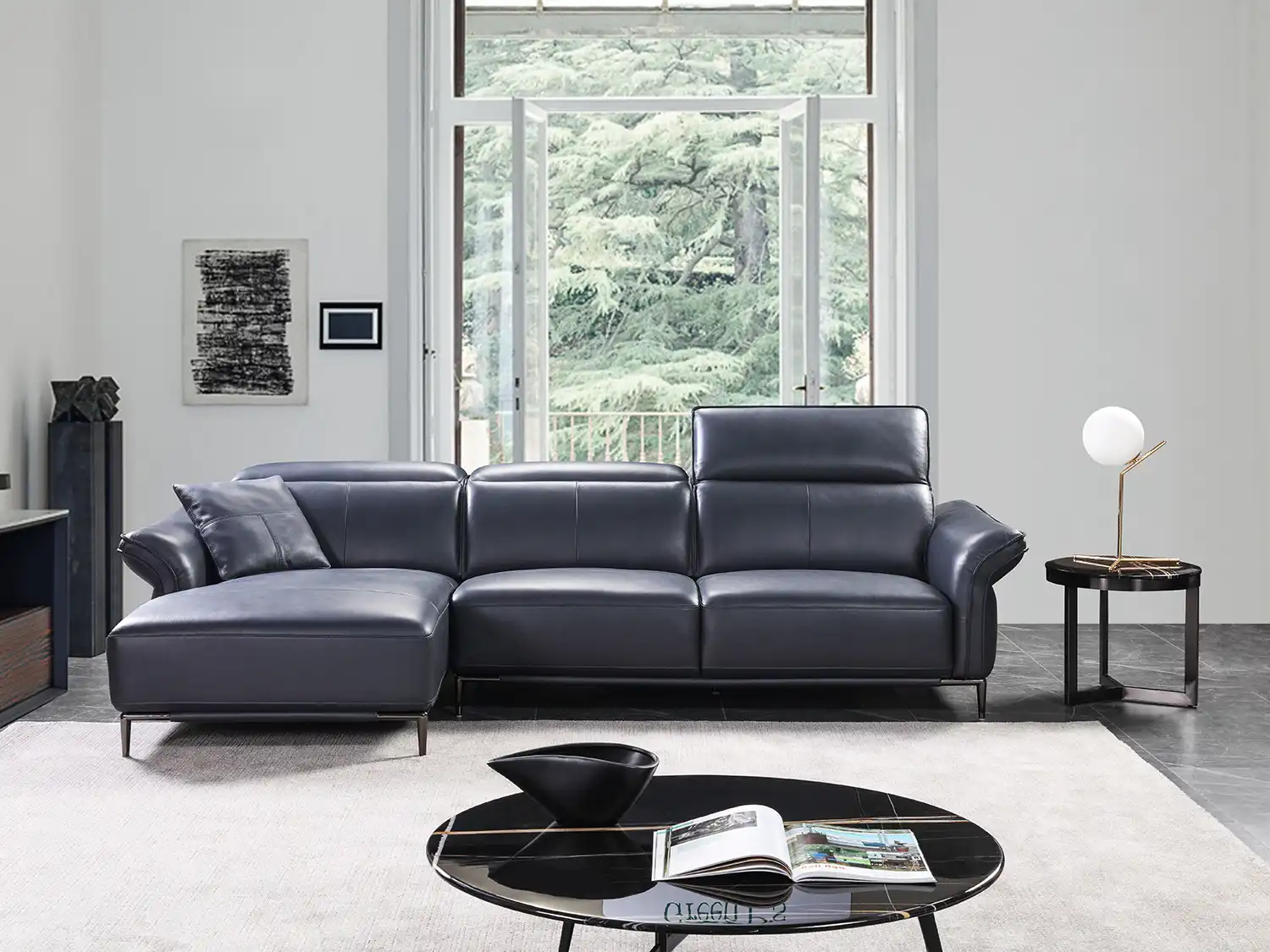
Routine Cleaning Protocols
Setting up regular care routines for a leather sectional with chaise lounge can make them last longer and keep their good looks in business settings with a lot of foot traffic. As part of daily upkeep, vacuums with soft brush attachments should be used to get rid of surface dirt and dust before they damage leather finishes. According to the rules, leather should be damp-wiped with pH-neutral cleaners made for business use once a week. Home products with harsh chemicals that remove protective coats should not be used.
Spills need to be cleaned up right away. Use absorbent cloths to blot up the liquids, moving from the edges in to keep them from spreading. Then, use approved leather products to treat the leather. Deep-conditioning treatments every three months restore the natural oils that keep the wood from cracking. This is especially important in climate-controlled business buildings where HVAC systems lower the humidity in the air. Keep track of the cleaning plans and products you use to make sure your warranty stays valid, since many makers won't cover damage caused by poor upkeep.
Addressing Common Wear Patterns
In commercial settings, furniture is stressed in ways that are different from when it is used in a home, so preventative intervention techniques are needed. High-touch areas like armrests and the edges of seat cushions get darker from body oils that build up; regular cleaning lessens this effect. Even though cushion compression happens naturally, it can be lessened by turning the seat and back cushions once a month so that wear is spread evenly across all areas. Even though protection coats are on top-grain leather, scratches from sharp objects can get through them. Minor surface scratches often go away when you rub them gently with clean fingers, because body heat temporarily softens leather.
For deeper scratches, you need to get skilled leather repair services that can match the color and fill in the holes. Section separation is a mechanical problem, not a material one. It can be fixed by making sure the connectors are tight during regular checks. By learning about these common problems, property management teams can take preventative steps that lower the number of repairs needed and increase the time between replacements.
Warranty and Professional Service Options
When making a purchase choice, the manufacturer's guarantee coverage should be weighed against how much it will cost to maintain the product over its lifetime. Comprehensive guarantees usually cover the frame's integrity for ten to fifteen years, the support of the pillow core for five to seven years, and the integrity of the leather surface for two to three years, as long as the furniture is used normally in a business setting. Carefully read the warranty's exclusions, as damage caused by poor cleaning, bad weather, or illegal fixes is often not covered. Professional leather care services clean and restore leather in a way that regular home upkeep can't.
For high-traffic areas, this should be done once a year. When you buy a lot of something, many sellers include service contracts that offer regular visits to check on the furniture and fix any small problems before they get too bad and need expensive repairs. Building ties with qualified service providers during the buying process ensures quick action when damage happens without warning, reducing the amount of time that business is interrupted by furniture downtime.
Comparing Leather Sectionals with Alternatives for Procurement Decisions
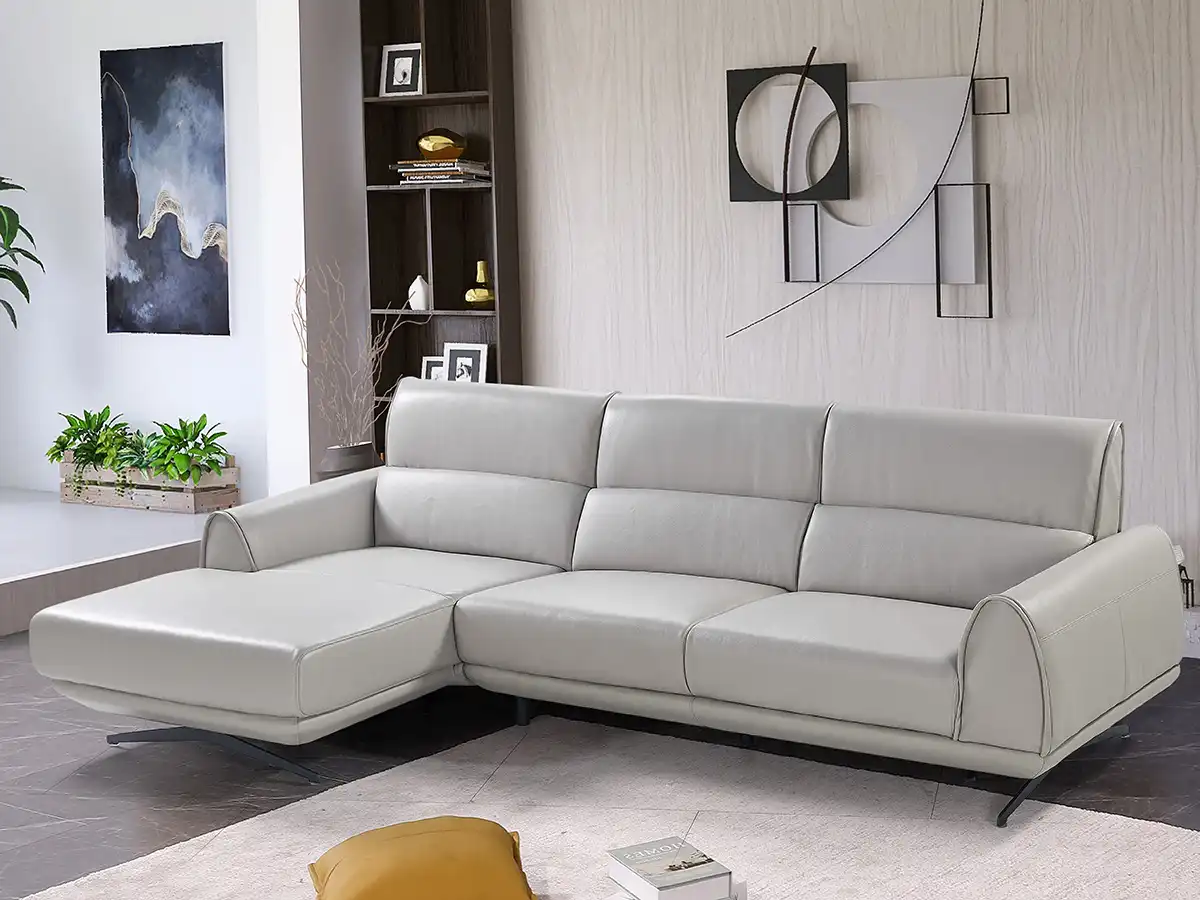
Material Performance Analysis
Professionals in procurement have to weigh a number of material choices against specific operational needs and spending limits. When it comes to abrasion protection, leather sectional with chaise lounge upholstery is better than woven fabrics. It keeps its look even after years of continuous use, while fabric options show pilling and fading. Leather doesn't absorb liquids like fabric does, so it doesn't get permanently stained. This is very important in places where drinks are served. Leather, on the other hand, needs climate control to keep it from drying out and breaking, while performance fabrics can handle a wider range of temperature and humidity.
When compared to high-quality fabrics, leather costs thirty to fifty percent more at first, but over ten years, the total cost of ownership is often cheaper because leather doesn't need to be replaced as often. Maintenance work is very different for different types of fabrics. For example, cleaning leather requires special tools and methods, while cleaning many performance fabrics can be done with regular business cleaning tools and solutions that are known to the building staff.
Genuine Versus Faux Leather Considerations
B2B buyers are becoming more interested in engineered leather options because of budget limits and policies that encourage ethical sources. High-quality polyurethane leather looks like real leather but costs about half as much. This makes it a good choice for big projects where budgets limit the choice of material. Modern bonded leather and vinyl materials are more durable than older ones, but they still don't work as well as real top-grain leather in business settings with a lot of foot traffic.
Real leather gets more beautiful over time, while fake leather may start to break down after three to five years, splitting and cracking being two signs of this. When buying from approved sustainable tanneries, real leather is better for the environment because it breaks down naturally, unlike synthetic materials made from fuel. When replacing things quickly is important for general facility management, faux leather is a good choice for temporary installs and low-budget projects. On the other hand, real leather is still the best choice for permanent installations in high-end settings.
Specialty Features for Specific Applications
Modern couch designs include extra features that make them more useful for businesses and go beyond simple sitting needs. Built-in power chairs work well in private airport terminals and luxury bars where people want to be comfortable enough to pay more per unit and have regular electrical repair done. These systems usually add fifteen to twenty percent to the base price and have moving parts that need to be serviced every so often. Stain-resistant treatments and protective topcoats are useful in hotel settings where spills happen often even with precautions.
They lower long-term upkeep costs, which more than make up for the small fees paid up front. Antimicrobial leather treatments are popular in healthcare settings and wellness-focused office designs. However, buying teams should make sure that maker claims are backed up by independent testing. Large hotel chains and corporate office portfolios that need to keep the same look across multiple locations will benefit greatly from modular designs with replaceable parts. This is because broken parts can be replaced individually instead of having to replace the whole piece of furniture.
Procurement Guide: Purchasing Leather Sectionals with Chaise Lounge for Your Business
Supplier Evaluation Criteria
A successful B2B furniture purchase starts with a full evaluation of the supplier's performance across a number of different areas. Verifying the manufacturing capacity for a leather sectional with chaise lounge order is important to make sure they can deliver the needed amounts on time for the project. You can do this by asking to see tours of the production facility or thorough paperwork showing monthly output volumes and current order backlogs. Quality certifications, like ISO 9001, show that there are systematic rules in place to make sure that the quality of the product is the same for all big sales.
REACH compliance and other similar environmental approvals show that materials meet international safety standards. This is very important when furnishing homes in places with strict rules about chemical exposure. When projects take months from deposit to delivery, the financial security of the supplier is important. Check the supplier's business license and industry references to make sure the company will be around for a long time. Delivery logistics skills decide whether suppliers can handle complicated setups on multiple sites or if buyers need to set up their own freight forwarding, which affects the total cost of the project and how hard it is to organize.
Customization and Lead Time Management
Catalogs of standard products don't always meet all the needs of a project, so the ability to customize products is an important factor in the review process. OEM services let buyers choose the types of leather, seat thicknesses, and size changes that make furniture fit perfectly with building codes and brand standards. ODM partnerships are good for people who want to make their own furniture lines for store spaces or branded hotel chains. Suppliers can handle the design process from idea sketches to production tools.
Different suppliers offer very different levels of customization. Basic programs only let you choose a few colors and configurations, while advanced choices include CAD-assisted design services and actual prototypes before committing to production. Lead times go up as the level of customization goes up. For normal setups, they're four to six weeks, and for fully custom designs, they're twelve to sixteen weeks. Project managers have to make sure that the dates for buying furniture are in sync with the overall construction schedules. They also have to plan for possible production delays by adding extra time into the schedules so that they don't affect the property's opening dates or lease start dates.
Bulk Pricing and Payment Terms
Through economies of scale, buying in bulk saves companies a lot of money, which they pass on to buyers through tiered price systems. For normal configurations, the minimum order quantity to get better prices is usually twenty to thirty units. As volumes hit fifty, one hundred, or higher, the cost per unit goes down. Multi-property portfolios and franchise systems get the best prices by combining orders from multiple sites into a single one. However, this approach needs careful coordination of storage and shipping dates.
Payment terms have a big effect on managing project cash flow. For example, normal terms require 30% to 50% deposits upon order approval, and the rest is due before shipping. For bigger orders, payment plans that are tied to production goals may be possible, which would reduce the need for cash right away. Letters of credit protect both parties in foreign deals, especially when dealing with sellers with whom you don't already do business. Talk to the suppliers directly about your financing options. Many of them offer payment plans or work with commercial lenders to offer furniture-specific finance products that spread costs over 24 to 60-month terms that are in line with capital budget cycles.
Conclusion
When it comes to business settings, a leather sectional with chaise lounge represent smart investments that balance the instant effect on the way things look with long-term durability. Understanding the properties of the materials, the different configuration choices, and the upkeep needed, along with best practices for buying things like evaluating suppliers, managing customizations, and negotiating big discounts, is necessary for a successful implementation.
Because these seating options are so flexible, they can be used in a wide range of places, from lobbies of small hotels to corporate office rooms, as long as the details match the needs of the business and the company's brand positioning goals. When buying furniture, procurement professionals make smart choices based on the total cost of ownership rather than just the initial purchase price. This way, the products last longer and provide more value, while also improving spaces that reflect the company's identity and help users achieve their goals.
FAQ
Q1: What maintenance schedule works best for leather sectionals in busy commercial settings?
A: Vacuuming every day gets rid of dirt and dust before they get into the leather grain. Surface dirt can be removed by damp-wiping the leather once a week with pH-neutral cleaners. Climate-controlled buildings don't dry out or crack because they get cooling treatments every three months. A skilled deep cleaning once a year restores look and increases durability. Keep track of product performance against purchase standards and make sure that all repair activities are documented to keep the warranty valid.
Q2: Which leather type balances durability and style for office lounge installations?
A: For most business uses, top-grain leather is the best choice for balance. Its protective layer makes it more stain-resistant than full-grain leather while keeping the look and feel of real leather. This material can handle the heavy use that happens in offices and doesn't need as much upkeep as exposed full-grain options. This means that over the normal seven to ten-year replacement cycles, it has a good total cost of ownership.
Q3: Do suppliers offer financing options for large furniture orders?
A: A lot of companies that sell business furniture offer credit options or work with lenders that offer products just for furniture. Terms usually last between 24 and 60 months, and loan rates are low for approved buyers. If you buy a lot, you can often get payment plans with longer terms or billing that is tied to when the goods are delivered. Talk about funding as early as possible in the buying process so that the payment terms are set up in a way that works with your capital budget cycles and cash flow management needs.
Partner with Kanas for Your Leather Sectional with Chaise Lounge Requirements
Kanas Furniture offers a wide range of products and services to business buyers who are looking for dependable leather sectional with chaise lounge providers who have a history of producing high-quality products. Our 40,000-square-meter factory in Foshan uses both high-tech equipment and skilled labor to make commercial-grade furniture that meets international quality standards like ISO 9001, REACH, and regional safety clearances. We know how hard it is for importers, wholesalers, and project managers to buy things when they need uniform quality across large orders and reliable delivery dates.
Our OEM and ODM services give you the freedom to choose the material and the exact measurements of the furniture, so it fits perfectly with your name and the space you have available. We have shown that we can meet strict number and quality standards by working with well-known partners like Walmart and Costco. You can email our team at sc@kanasfurniture.com to talk about the details of your project, get full brochures of our products, or set up factory visits that show off our production skills and quality control methods that keep customers happy in North America, Europe, and around the world.
References
1. Miller, J. & Thompson, R. (2021). Commercial Furniture Procurement: Strategic Approaches for Hospitality and Corporate Environments. New York: Interior Design Publishing Group.
2. Anderson, K. (2020). "Material Performance Standards in High-Traffic Furniture Applications." Journal of Commercial Interior Design, 45(3), 78-92.
3. Chen, L. & Rodriguez, M. (2022). Leather Upholstery: Manufacturing, Maintenance, and Lifecycle Analysis. London: Furniture Industry Press.
4. Williams, S. (2019). "Total Cost of Ownership Models for Commercial Furniture Procurement." Facility Management Quarterly, 31(2), 134-148.
5. Davidson, P. & Kumar, A. (2023). Sustainable Material Sourcing in Global Furniture Supply Chains. Singapore: Asia-Pacific Business Publications.
6. Foster, E. (2021). "Design Psychology in Commercial Seating: Color, Configuration, and User Experience." Hospitality Design Review, 28(4), 56-71.
Learn about our latest products and discounts through SMS or email