- English
- French
- German
- Portuguese
- Spanish
- Russian
- Japanese
- Korean
- Arabic
- Greek
- German
- Turkish
- Italian
- Danish
- Romanian
- Indonesian
- Czech
- Afrikaans
- Swedish
- Polish
- Basque
- Catalan
- Esperanto
- Hindi
- Lao
- Albanian
- Amharic
- Armenian
- Azerbaijani
- Belarusian
- Bengali
- Bosnian
- Bulgarian
- Cebuano
- Chichewa
- Corsican
- Croatian
- Dutch
- Estonian
- Filipino
- Finnish
- Frisian
- Galician
- Georgian
- Gujarati
- Haitian
- Hausa
- Hawaiian
- Hebrew
- Hmong
- Hungarian
- Icelandic
- Igbo
- Javanese
- Kannada
- Kazakh
- Khmer
- Kurdish
- Kyrgyz
- Latin
- Latvian
- Lithuanian
- Luxembou..
- Macedonian
- Malagasy
- Malay
- Malayalam
- Maltese
- Maori
- Marathi
- Mongolian
- Burmese
- Nepali
- Norwegian
- Pashto
- Persian
- Punjabi
- Serbian
- Sesotho
- Sinhala
- Slovak
- Slovenian
- Somali
- Samoan
- Scots Gaelic
- Shona
- Sindhi
- Sundanese
- Swahili
- Tajik
- Tamil
- Telugu
- Thai
- Ukrainian
- Urdu
- Uzbek
- Vietnamese
- Welsh
- Xhosa
- Yiddish
- Yoruba
- Zulu
What colors go well with camel leather?
Camel leather brings warmth, sophistication, and timeless elegance to any interior space. When pairing colors with camel leather furniture—particularly a camel brown leather sectional—the right combinations create harmonious environments that enhance both aesthetics and functionality. Neutral tones like crisp whites, soft creams, and charcoal grays provide clean, professional backdrops ideal for corporate settings. Bold accent shades such as navy blue, forest green, and burgundy add depth and visual interest, while metallic accents in gold or brass elevate perceived quality. Earth tones including terracotta, olive, and warm beige complement camel leather naturally, creating cohesive, inviting spaces perfect for hotels, office environments, and residential projects.
Understanding Camel Brown Leather and Its Visual Appeal
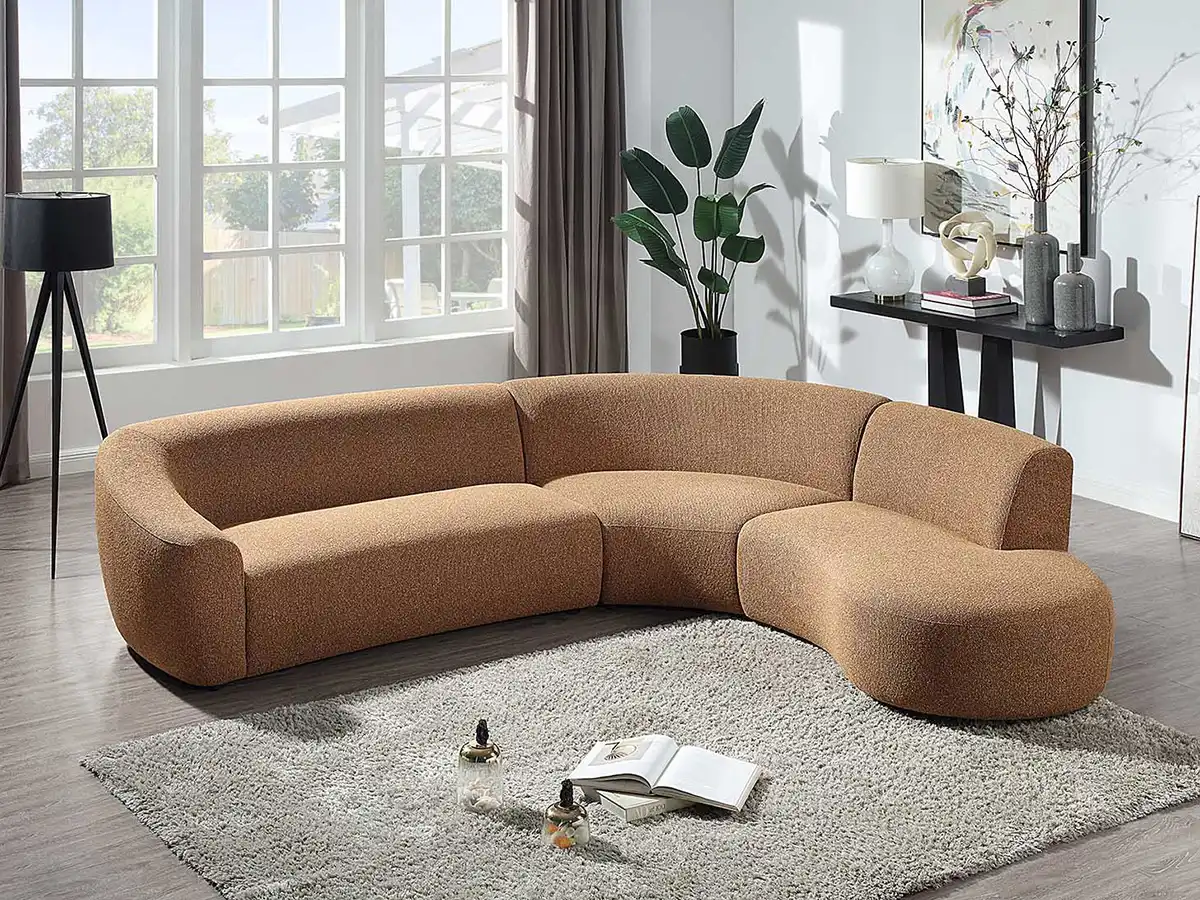
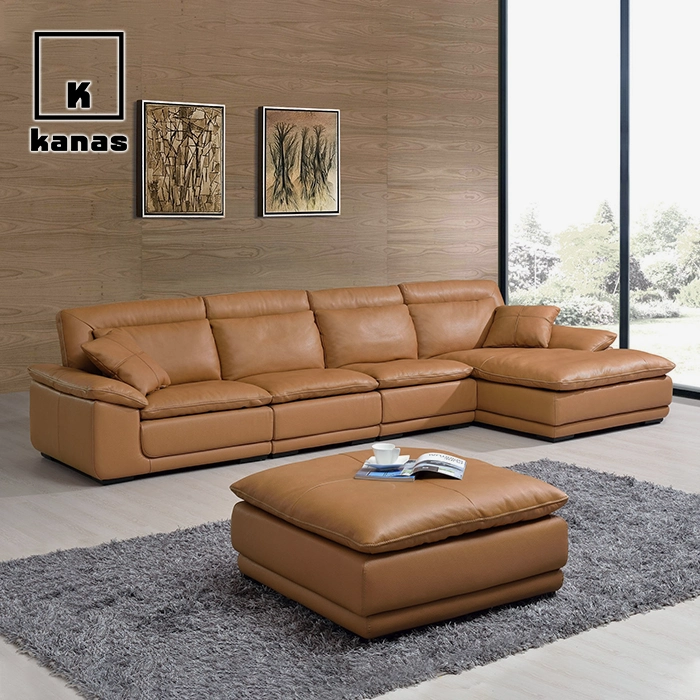
Some types of high-end furniture, like camel brown leather sectional, are both strong and stylish. There is a deep honey color to camel leather that makes it feel warm and friendly. It also looks good with a lot of different types of decor, from simple, modern offices to more traditional public rooms. Tan leather furniture is great for buying managers and interior designers working on business projects because it can be used in many ways.
Learn more about leather that is camel brown and see pictures of it.
Material Characteristics and Finish Variations
To make real camel-colored leather, most people use top-grain or full-grain leather. This gives it a high-end look and makes it very strong. When you paint leather in certain ways, you can keep the grain patterns that make it unique while giving it the famous warm brown color. One type of surface finish is non-oily techniques that are smooth and bring out the beauty of the wood. There are also protected finishes that don't stain or wear down easily. This is very important for areas with a lot of foot traffic, like hotel rooms and company reception areas.
It feels different when camel leather is made in different ways. Some sectionals are soft and bendy, and they change color over time. Some, on the other hand, stay looking more normal because they wear clothes that cover them. If buyers know about these differences, they can pick the best ends for each job and keep them in good shape.
Configuration Options and Sizing Considerations
There are different ways to arrange camel leather sectionals so that they can fit any room. L-shaped designs look good on the sides of furniture in living rooms and office lounges. On the other hand, U-shaped shapes make it easier to sit down in hotel public areas and luxury suites. Clients can switch plans with flexible choices because they can be changed to fit new needs. When renters' needs change all the time, this is a great tool for business owners who have them.
A sectional sofa is usually between 90 and 140 inches long, and the seats are 22 to 24 inches wide. Custom sizes help project managers and interior designers make the most of the room they have by taking into account how each building is set up. If you want to get big orders, the work will go faster if you know the exact measurements. You will also avoid having to make expensive changes while the job is being done.
Durability Advantages for Commercial Applications
Since good camel leather is naturally strong, these sectionals are great for places of work. Leather doesn't tear easily if it's taken care of properly. It stays strong even after years of use and can handle the wear and tear of public places where people touch furniture all the time. Leather tends to keep spills from leaving spots that last longer than other fabrics. This works well in guest rooms, office cafeterias, and common areas of bed and breakfasts.
If it's easy to keep up, it can be sold for even more money. You can make leather look good and last a lot longer if you brush and clean it often with the right tools. In the long run, they cost less to own because they are simple to clean. This is why camel leather sectionals are a good choice for purchasing managers who want to find a balance between price and quality.
What Colors Complement Camel Brown Leather Best?
To make interesting places inside, you need to choose colors that fit the style and show off the beauty of camel leather. Colors from different families make people feel and act in various ways. When people who work in buying and interior design know this, they can make places that fit the style of a brand and meet users' wants. For example, pairing a camel brown leather sectional with complementary hues can create a cozy, inviting atmosphere while enhancing the space's overall aesthetic.
Neutral Palettes for Professional Environments
It feels classy and classic when you paint your rooms neutral colors. This is why they work so well in business and restaurant settings. Putting together camel leather sectionals and bright white walls gives a room a clean, modern look. You are skilled and paid attention to this. These places get more natural light because they feel bigger and friendlier with the mix. It looks good in halls of high-end hotels and office waiting rooms that want to make a good first impression.
Soft cream and brown color schemes look beautiful in a delicate way. These combinations look good together and make it seem like they were put together on purpose instead of by chance. They're great for work rooms and high-end home projects. These days, you can get warm gray choices that make a nice difference and separate rooms without looking too much like camel leather. Shades of dark gray, like charcoal and slate, make rooms look dramatic and classy. They look great in modern hotels and senior offices.
Dark highlights can make building parts, window frames, and home decor items stand out if they are used right. A lot of contrast makes this style stand out and look professional at the same time. It needs to be well-balanced, though, so it doesn't take away from the warmth that makes camel leather attractive.
Bold Accent Colors for Visual Interest
By adding bright secondary colors to a room, you can make it feel more alive while still making it look business-like. Classy colors that make you think of ships or old-school club styles go well with a deep navy blue. When put up against blue walls or big pieces of furniture, the golden tones in camel leather stand out. It's good for law firms, banks, and small hotels because it makes the space feel happy but still professional.
If you put emerald and forest green furniture with tan leather furniture, the room looks stylish and natural. These jewel tones bring styles that come from nature inside, making people feel stylish and calm. They look great in hotel rooms that are focused on health, in the offices of creative agencies, and in home projects that use biophilic design ideas.
Reds like burgundy and wine make rooms feel warm and classy, like a friendly hangout. They're good for places like restaurant seats, hotel bars, and executive rooms. This dark color looks good with the warm tones of camel leather. They make the leather look more expensive and high-end by giving it more depth and weight.
Metallic Accents and Material Combinations
Furniture made of camel leather looks even better with metal bits added to it. Home decor and furniture in brass and gold tones bring out the warmth of camel tones and make rooms look rich and put together. Rich people who like classy color schemes will love this color scheme in hotel rooms, fancy office buildings, and their own homes.
Try shiny silver or chrome for a metal look that is both stylish and beautiful. This finish has a modern look and works well with simple hotel designs that have clean lines and a bit of class. The world already has a lot of color, so don't add bright colors to make it look more interesting.
Earth Tones for Natural Harmony
The colors terracotta, rust, and burnt orange make a space feel warm and inviting while also making it look like it was put together naturally. Camel leather looks great with color schemes that are based on natural materials and simple design ideas. This is because the earth tones go well with the leather. These types can be used in hotel projects that want to show off the culture of the area, in office buildings that want to promote health, and in homes that want to show off their skills.
An soft, natural touch that links the inside and outside is added by olive green and sage. These shoes are new and in style, but they still have the style and warmth you'd expect at work. Something bright yellow adds life to the outfit and brings out the golden tones in the camel leather. This is a stylish and fun space that works well for places where people work or eat together.
Comparison Insights: Camel Brown Leather Sectional vs Other Materials
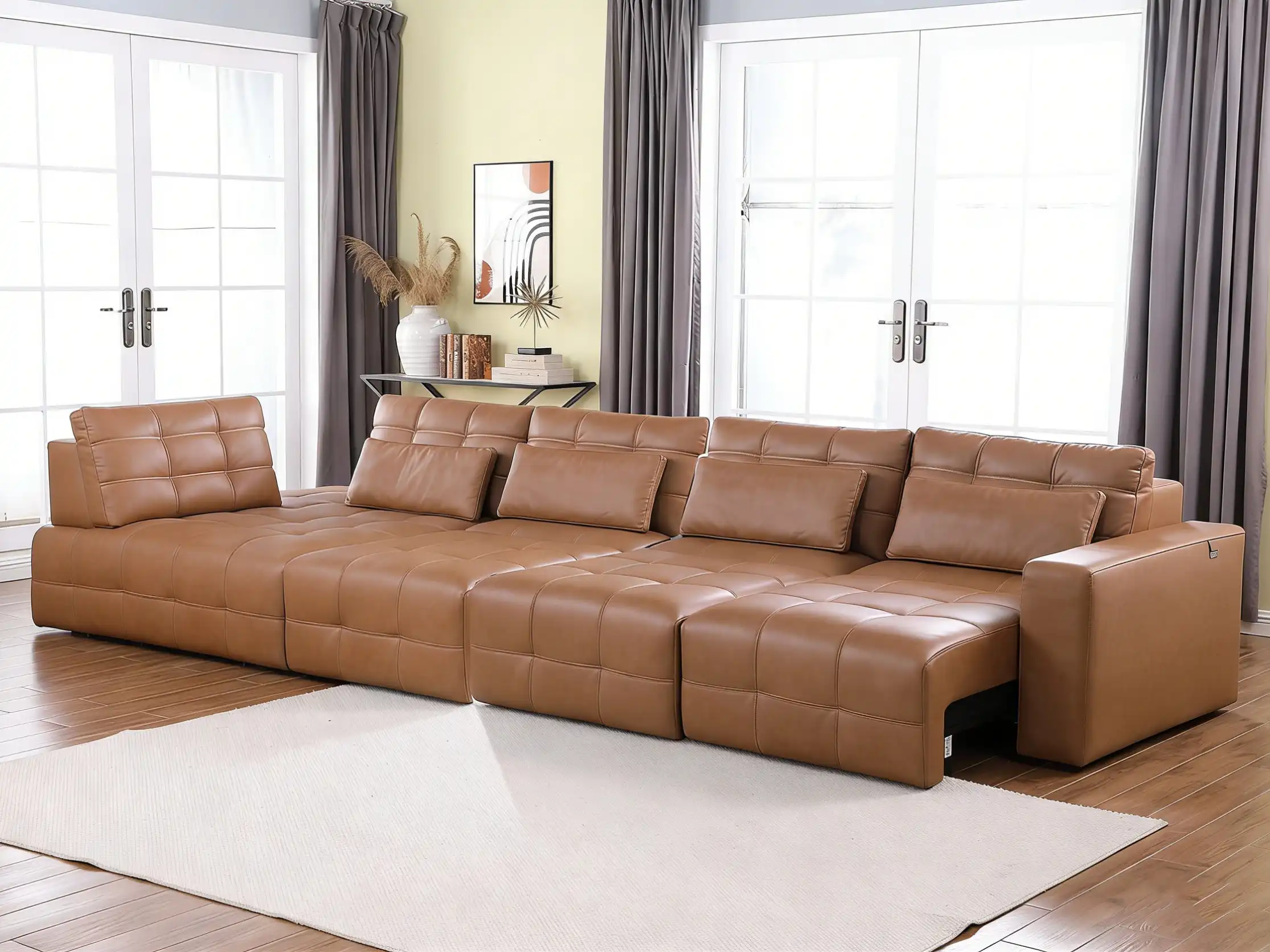
When choosing things for furniture, you should think about many things, such as how they look, how long they will last, and how much they cost. If people who buy things know how camel brown leather sectional stack up against other materials, they can pick ones that fit their wants and their budget.
Camel Leather Versus Fabric Sectionals
You can get fabric sectionals for less money, and they come in a lot of different designs. Because of this, they are a good choice for projects that need to stick to a budget or patterns that need to use a certain type of fabric. But in a business setting, it's hard to keep cloth chairs clean. When liquids spill on cloth, they quickly soak in and leave marks that can't be removed. It will cost a lot over the life of the furniture to have these marks fixed or changed because they make it look bad.
It's easy to clean up a camel leather couch quickly if something gets on it. This trait helps people do well in places where food and drinks are served all the time, like cafeterias and bars. In the long run, it costs less because it's easy to keep up. So, when you add up all the costs of getting something, leather is the cheaper choice.
Different things have different lengths of time that become clear after some use. Leather that is well taken care of will look and feel good for years to come. On the other hand, cloth quickly shows signs of wear like pilling and shrinking. Most things don't last as long as leather does. This is great for business projects that need furniture that looks good for a long time.
Camel Versus Dark Brown Leather Options
You can pick between camel leather and dark brown leather. It will look and work differently after each one. Dark brown leather makes rooms feel official and old-fashioned, which makes it perfect for law firms, senior offices, and traditional hotel designs. Because it hides small scratches and wear better than lighter colors, it doesn't look like it needs as much care in places where a lot of people walk.
A lot of the time, it's clear that camel leather is better. The warmer, lighter color makes rooms feel bigger and nicer, which is great for places that need to feel happy and upbeat, like restaurants and offices. Because light plays off of camel leather better than dark leather, less artificial lighting is needed. This meets the goals of sustainable design.
Also, colored leather that looks like camel is great because it goes with a lot of different styles. More color choices will look good with this simple, warm color than with dark brown. This lets artists be more creative. People who have more than one home or who want to change their style in the future will find this useful, since camel leather furniture goes well with new styles.
Pricing and Value Considerations
A lot of people pay a lot for sectionals made of camel leather because they are well-made with good materials and skilled workers. In shops, prices depend on the type of leather, how it's made, and where the brand name is put. Full-grain and top-grain leather cost more. Being aware of these differences in quality helps people choose the right features for their business projects without spending too much on things they don't need.
There is a big difference in prices between buying in stores and buying in bulk through direct maker ties. When people buy in bulk for other businesses, they save a lot of money. They can also make changes to the furniture and get good payment terms, which makes the job much more cost-effective. One good thing about OEM and ODM deals is that you can change the project's specs without lowering the quality standards or the design vision.
How much does it cost to keep, how long do you think it will last, and how often do you think you'll need to replace it? This will give you the total cost of ownership. If you take good care of your camel leather sectionals at work, they will last 10 to 15 years. Changes in clothes need to be made every three to five years, but this lasts a lot longer. Even though they cost more at first, suppliers who plan ahead should buy leather sectionals. They last longer, so this is why.
Maintenance Tips and Practical Guidelines for Camel Brown Leather Sectionals
To keep its good looks and usefulness, camel brown leather sectional needs to be taken care of in a way that is unique to the leather. If you take good care of something, it will last longer, keep its value, and keep work areas looking good as long as the furniture is in use.
Routine Cleaning and Care Protocols
If you use soft, dry cloths to dust leather a lot, it will get dirty faster. The dirt doesn't get stuck in the grain or build up. Normal wear and tear can happen faster than you think. Dusting once a week keeps the dust from piling up. When the finish is semi-aniline and the leather's natural features are showing, don't use rough brushes or anything else that could damage the leather.
Leather looks good as long as you deep clean it every so often with cleaners made just for leather. This gets rid of the dirt and oils that get on things when you touch them. To clean, you should use soft microfiber cloths and move them around in small rings. When you're cleaning leather, you should always test the cleaner on an area that won't be seen first, before using it on leather that people will see.
When leather dries, it stays soft and doesn't crack. This is done every three to six months. The natural oils in leather are lost when it is cleaned and then left out in the weather. Good leather treatments bring those oils back. This makes sure that the soft, rich feel that you expect from high-end leather furniture stays. This is because leather fibers can dry out more quickly in places with strong HVAC systems and low humidity. If you live in one of these places, you should prepare your leather more often.
Protective Measures and Damage Prevention
If you keep your furniture out of direct sunlight, UV damage won't happen. UV damage dries out and fades things. When there is a lot of glass in a room, blinds, curtains, or films that block UV rays can keep leather sectionals safe. This is very important in places with windows that go all the way to the roof, like hotel rooms and office buildings. Turning the modular section parts over and over again keeps the exposure patterns even. This way, the pieces don't have any clear color changes.
If you keep leather away from sharp things, it won't get holes or scratches that weaken it. Make rules about how to use the furniture so it doesn't get broken by chance. For instance, don't write while sitting down or put sharp things right on leather. Arm covers or throws are a good way to make places safer where a lot of people walk and damage is likely to happen.
It's simple to clean up spills quickly and without leaving water marks or damage. If you soak the leather with a soft cloth right away, you can get rid of most of the marks before they get longer. Drips will spread out and go deeper into the grain of the leather if you rub them in. You can get rid of any spots that are still there by cleaning the leather again with the right products. The right cleaning methods also bring back the right amount of moisture.
Practical Pros and Cons Assessment
Some great things about camel leather sectionals are that they look great, last a long time, and are easy to clean. Because of these qualities, they are great long-term investments for business projects that need furniture that can handle years of heavy use. Fabrics with pores tend to soak up stains, but this one doesn't. This makes it easy to clean.
People should think about any possible flaws before they buy something. Leather can get scratched more often than other fabrics. This is very important when doing rough work with sharp tools or when pets are present. Lighter camel leather may be easier to see when it's damaged than darker leather. To protect it, you need to be more careful when putting it in places where it will be near paints, oils, or strong chemicals.
The start-up costs are higher than those for cloth and some fake leather options when you don't have a lot of money for a job. These costs are higher at the start, but the longer life and fewer fixes usually make up for them over the course of the job. Buyers should show clients breakdowns of all costs so that clients can see how prices fit into the bigger picture of money.
Warranty and After-Sales Support Expectations
As part of their warranties, good furniture makers will fix problems with the way the furniture was made and materials that wear out too fast. Many pieces of office furniture come with a guarantee that lasts between 2 and 5 years. Some high-end companies offer longer warranties on their products to show that they are sure of their quality. People who want to buy something should know what the promise covers, how to make a claim, and what it doesn't cover. This helps them figure out how trustworthy a service is and get ready for any costs that might come up in the future.
It's not all furniture shops have the same level of customer service after the sale. This affects both how happy customers are in the long run and how well problems are fixed. If a business has been around for a while and has worked with clients from all over the world, they know how to give good customer service, get new parts quickly, and help with fixing problems. It's especially helpful for business-to-business clients who are in charge of a lot of furniture that's spread out over a lot of different places. When people work together to help, things go more smoothly.
When you compare companies, find out more about the perks they offer, how to get help, and how long it takes for claims to be handled. Customers can tell that a company cares about their happiness after the sale if they are willing to give them clear promise paperwork and helpful service contacts. These are important things to remember when building long-term relationships with providers to meet your ongoing needs.
Procurement Strategies and Where to Buy Camel Brown Leather Sectionals
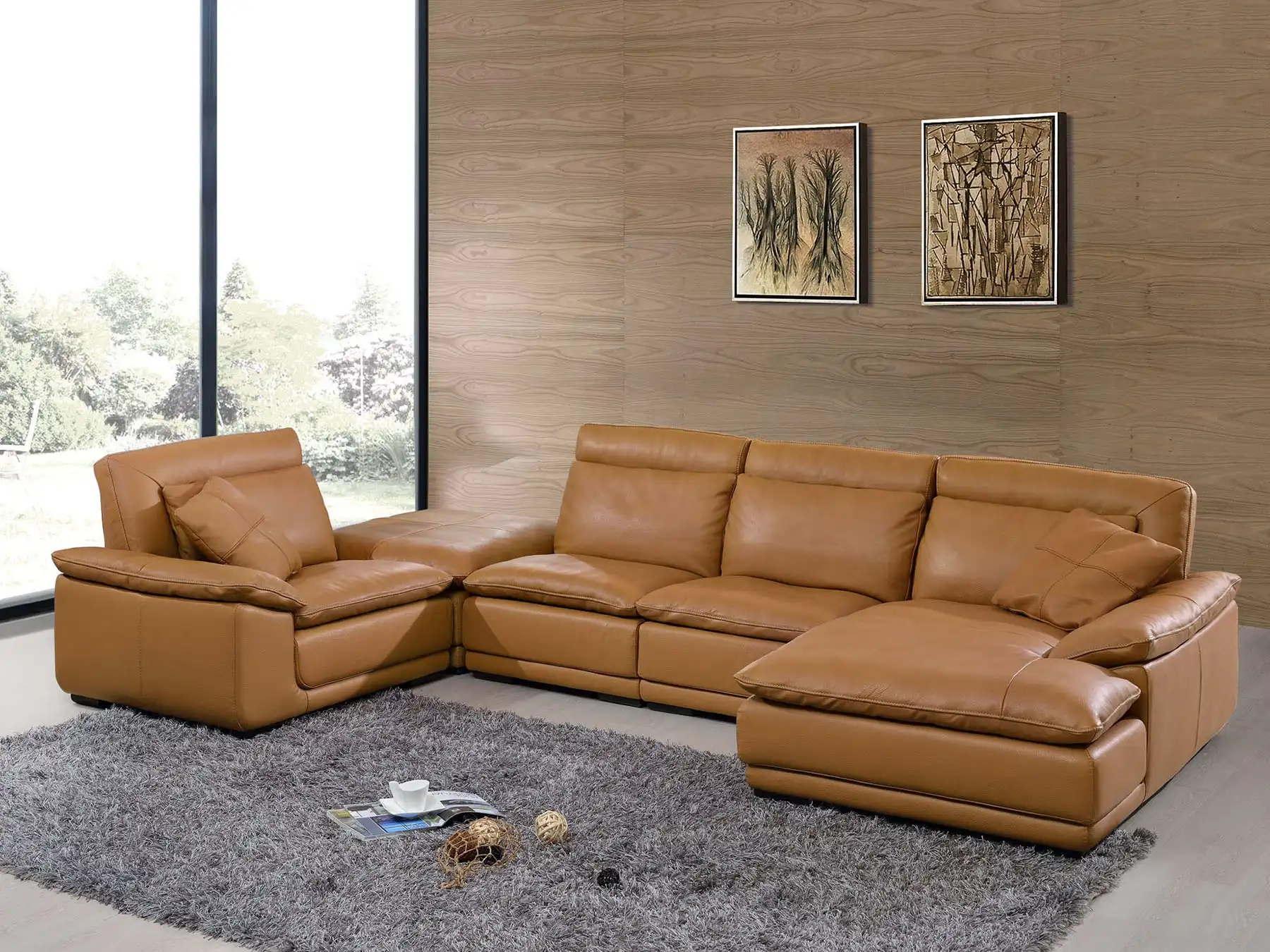
How to Find and Buy camel brown leather sectional: When you shop for office furniture, you can get the best quality, price, and service if you plan your trip. Learn about the different ways to buy things, the chances to get better deals, and the ways to change things to fit your project's needs. This will help people who buy things get the best deal while still meeting all the goals of the project.
Direct Manufacturer Relationships and B2B Advantages
Getting furniture from stores isn't always better than working directly with people who make it. For customers who need items in a certain size, shape, or finish, companies that make things offer customization choices that can't be found in regular items on the market. For business projects that need a certain amount of space or design goals that need unique solutions, being able to change is very helpful.
Plus, when you buy in bulk from makers, you can get better deals, which is another big plus. When hotel, office, or store chain groups place a lot of orders at once, they can save a lot of money. This makes the project a lot more profitable. Each maker has a different minimum order amount, but these can be rolled out for long-term, big partnerships where the maker can set its own prices based on repeat business.
If you talk to work places directly, it's easier to understand how they handle quality control, wait times, and output limits. When plans for making things are made public, project managers can better plan when furniture will arrive and how it will fit into the building schedule. This helps keep from having to pay a lot for delays or storage. When you visit companies, you can see how much can be made, check the quality standards, and get a sense of how reliable the seller is.
Customization Options and Design Flexibility
Most of the time, OEM and ODM manufacturers let customers make many changes to their goods so that they are just right for the customer. Sizes can be changed to fit tricky building situations and get the most out of the available room and measurements. Sectionals can be set up in a number of different ways to meet the needs of any project, both in terms of seats and traffic flow.
It's not just possible to change the colors. Like, you can get camel leather tones that match colors from well-known brands or pick finishes that look like they were made by builders. Each piece of furniture is even more unique thanks to the different hardware options, such as leg types, stitching details, and art pieces. These options help create design stories that flow in work areas. Designers and people in charge of brands can use these customization tools to make sure that all of their homes have the same style.
When the materials are changed, the work gets better in a way that meets the cost and performance goals of the job. It's worth the extra money to get good full-grain leather because it makes good spots look better and last longer. On the other hand, top-grain leather is better for small areas because it costs less. Talking to the people who made the materials about the specifics of them can help you make choices that are good for both your budget and your quality goals.
Lead Times and Minimum Order Considerations
Plan your project around the production times, and use them as a big part of your choice of provider. It can take anywhere from 8 to 16 weeks to make a custom leather couch. The length of time depends on how hard the order is, how busy the plant is, and how much demand changes with the seasons. Setting clear dates at the start of the project will help you keep track of time and make sure that furniture is ready when it's needed.
In order to keep costs low, manufacturers set minimum order amounts. However, these can make it hard to do smaller jobs or test purchases. You need to buy at least 10 to 50 units, but this can change depending on the rules of the seller and how hard it is to make the changes. When buyers combine their needs from different buildings or stages of a project, they can often meet the minimum number of orders and keep the style the same across assets. If the goal is to do business together in the future, you can agree on some simple rules before you start the business.
You can choose fast output if you need something done quickly and are ready to pay more. The production process is sped up, which cuts down on standard wait times. This makes it possible for shipping furniture to fit into tight building plans or sudden time savings. You have choices if the project changes in a way you didn't expect if you talk to providers about their quick capabilities during the review process.
Maximizing Return on Investment Through Strategic Procurement
Smart buying is the best way to get the most out of your money. When people make things and when they sell them should affect when you buy them. This will help teams that buy get the best deals. Prices may go down near the end of the quarter or fiscal year as sellers try to reach their sales goals. If you get to know the salespeople at makers, you can find out about deals coming up and work out better terms that work for you.
For sales coming from other countries, the way you ship it has a big effect on how much it costs all together. Combining things lowers the cost of sending each one and makes it easier to get through customs and plan for delivery. This is because of economies of scale. People who have shipped goods to other countries before are more likely to follow trade rules, make sure the right paperwork is filled out, and keep things running smoothly. These skills are most important for companies that buy from other companies in North America, Europe, and other faraway places.
When payment terms are worked out, it's easier to keep track of cash flow and costs less to fund projects. Many times, well-known makers will let you choose how to pay if you buy a lot of something or buy from them again. Customers don't have to pay the whole amount at once; instead, they can pay in steps that are tied to building goals. Figuring out how to pay for things and making deals that fit your project's budget gives you the freedom to complete the project successfully.
Conclusion
Camel leather adds a unique touch of class and warmth to any room. To see it best, keep the color scheme the same. If you are careful and put them in the right places, neutral color patterns, bright accent colors, shiny things, and earth tones can all look good with camel brown leather sectionals. People who buy from other businesses can make smart decisions that save them money and make them happy in the long run if they know about shared materials, upkeep needs, and smart ways to buy. You should buy good camel brown leather sectional for business projects that need something that will last, look good, and stay in style for a long time.
FAQ
Q1: What are the best neutral colors to pair with camel leather furniture?
A: Because they are classy neutrals, white, cream, gray, and black look good with camel leather. It looks lighter in places with white walls, and the warm tones of the camel leather stand out more. This makes rooms that are clean and look good, which is great for hotels and businesses. Light gray, dark gray, and shades in between make things look more current while still being classy. The feel and quality of the fabric, not the color, are what make it stand out since cream and brown are mixed together.
Q2: Can bold colors work with camel leather in professional settings?
A: Remember that bright secondary colors look great with camel leather when you're in a business setting. Red, emerald green, and navy blue make things look more stylish and interesting without taking away from how business-like they look. Use bright colors on accent walls, art, or other things you use to design instead of making the whole room too bright. This will help you make rooms that look well-balanced and like they were carefully planned and put together.
Q3: How does camel leather compare to darker leather options?
A: Camel leather looks better in more places and goes with more color schemes than dark brown leather because it has warmer, lighter tones. Dark leather is better at hiding small scratches, but camel leather makes rooms feel cozier and livelier, which is very important in restaurants and creative offices. The design goals, how easy it is to keep up, and how people should feel when they are in the area all play a role in the choice.
Q4: What maintenance does camel leather furniture require?
A: Every three to six months, clean the camel leather with items made just for leather and get it ready. This is what will make it last longer and look better. If you keep your furniture out of strong sunlight, it won't fade. If you spill something on it, don't rub it or use rough chemicals or sponges to clean it. Instead, wipe it off. These steps will make leather last a lot longer and keep its stylish look.
Q5: Where should B2B buyers source camel leather sectionals?
A: There is the most value when you deal directly with the maker. They are honest about what they can make, let you make changes, and offer savings for large orders. If a furniture maker has been around for a long time and has done business all over the world, they can promise quality, give good payment terms, and help quickly after the sale. For business projects that need to stay the same during big sales and possible ongoing needs to buy, all of these are very important.
Q6: What customization options exist for commercial leather sectional orders?
A: You can change many things about the product when you buy it from an OEM or ODM maker. For example, you can change the size or shape, the hardware or software, the colors, or the materials. You can buy furniture that fits the needs of the project, the style of the brand, and the room that you have. This is very helpful for business sites, hotel projects, and store groups that want to keep their designs the same.
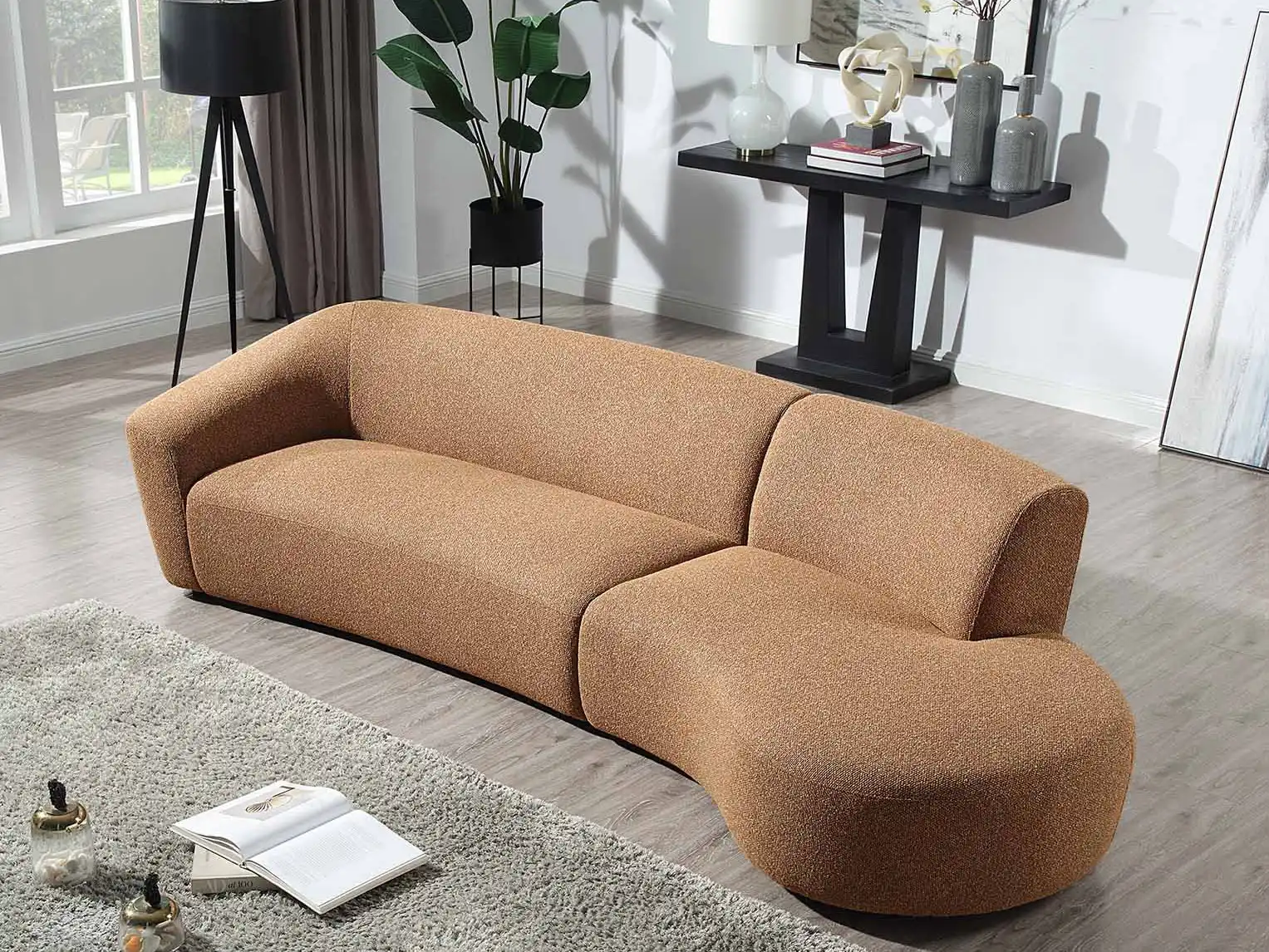
Partner with Kanas for Premium Camel Brown Leather Sectional Solutions
Because Kanas Furniture is so high-quality and can be designed, you can make your business furniture ideas come to life. Good materials and skilled work go into making the camel brown leather sectionals we sell. You can choose from a number of different styles to fit your needs. We've worked with big stores like Costco and Walmart for a long time, so we know what B2B buyers want: high standards, safe service, and cheap prices. Our 40,000㎡ production center is home to more than 400 people who make sure we can always handle big orders and pay close attention to every detail. Send us an email at sc@kanasfurniture.com to tell us about your project and find out how our camel brown leather sectional maker can help you make furniture that goes above and beyond and makes your business look better.
References
1. Wilson, J. (2021). Color Theory in Commercial Interior Design: Creating Professional Atmospheres Through Strategic Palette Selection. New York: Design Press International.
2. Thompson, R. & Martinez, L. (2020). Leather Furniture in Hospitality Environments: Material Performance and Aesthetic Considerations. Journal of Commercial Interior Design, 15(3), 112-128.
3. Chen, M. (2022). Procurement Strategies for Global Furniture Supply Chains: Optimizing Quality, Cost, and Delivery Performance. London: Business Logistics Publishing.
4. Anderson, K. (2019). Maintenance Best Practices for Commercial Leather Upholstery: Extending Service Life Through Proper Care. Facilities Management Quarterly, 28(2), 45-59.
5. Davis, P. (2023). Contemporary Color Palettes: Neutral and Accent Combinations for Modern Commercial Spaces. Chicago: Architectural Interiors Press.
6. Roberts, S. & Liu, H. (2021). Material Comparisons in Contract Furniture: Evaluating Durability, Aesthetics, and Total Cost of Ownership. International Journal of Hospitality Design, 12(4), 203-221.
Learn about our latest products and discounts through SMS or email