- English
- French
- German
- Portuguese
- Spanish
- Russian
- Japanese
- Korean
- Arabic
- Greek
- German
- Turkish
- Italian
- Danish
- Romanian
- Indonesian
- Czech
- Afrikaans
- Swedish
- Polish
- Basque
- Catalan
- Esperanto
- Hindi
- Lao
- Albanian
- Amharic
- Armenian
- Azerbaijani
- Belarusian
- Bengali
- Bosnian
- Bulgarian
- Cebuano
- Chichewa
- Corsican
- Croatian
- Dutch
- Estonian
- Filipino
- Finnish
- Frisian
- Galician
- Georgian
- Gujarati
- Haitian
- Hausa
- Hawaiian
- Hebrew
- Hmong
- Hungarian
- Icelandic
- Igbo
- Javanese
- Kannada
- Kazakh
- Khmer
- Kurdish
- Kyrgyz
- Latin
- Latvian
- Lithuanian
- Luxembou..
- Macedonian
- Malagasy
- Malay
- Malayalam
- Maltese
- Maori
- Marathi
- Mongolian
- Burmese
- Nepali
- Norwegian
- Pashto
- Persian
- Punjabi
- Serbian
- Sesotho
- Sinhala
- Slovak
- Slovenian
- Somali
- Samoan
- Scots Gaelic
- Shona
- Sindhi
- Sundanese
- Swahili
- Tajik
- Tamil
- Telugu
- Thai
- Ukrainian
- Urdu
- Uzbek
- Vietnamese
- Welsh
- Xhosa
- Yiddish
- Yoruba
- Zulu
What color sofas are in for 2026?
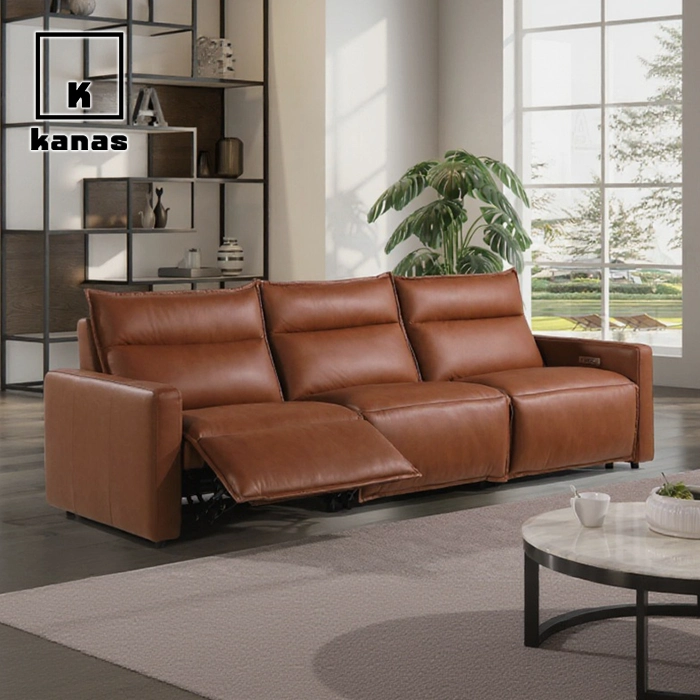
As 2026 draws near, both people who buy furniture and people who plan interiors are wondering the same thing: what color schemes will define modern business and home spaces? A clear move toward warm earth tones and classic neutrals is the answer. Camel brown stands out as the most popular of these colors, especially in leather sectionals that look stylish and last a long time. This tone strikes the right mix between modern looks and long-lasting appeal, which makes it a great choice for homes, hotels, offices, and retail showrooms. The camel brown leather sectional isn't just a passing trend; it's a smart investment in furniture that looks good, can be styled in a lot of different ways, and is strong enough to last in a variety of work settings.
Overview of Sofa Color Trends for 2026
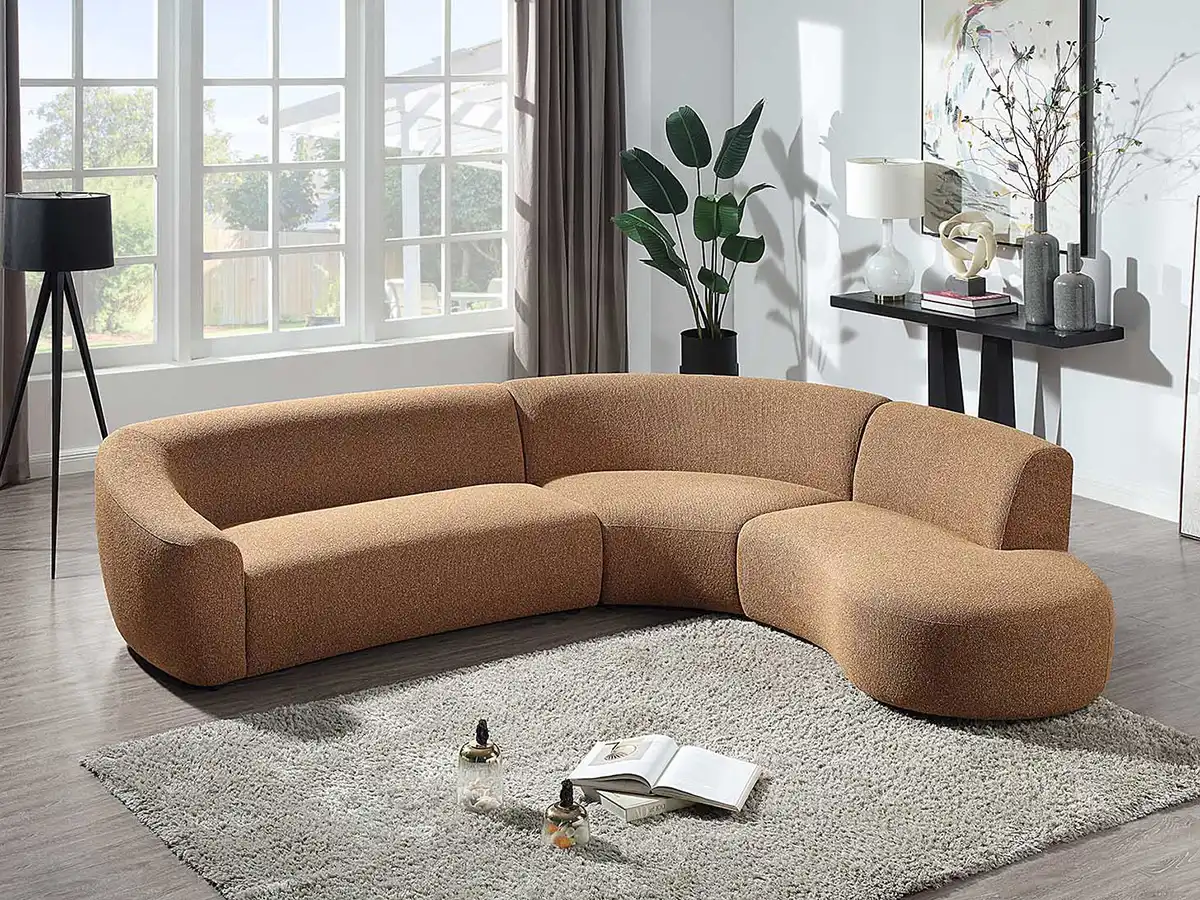
The furniture business is going through a huge change in color tastes as we move into 2026. According to research from top design schools, earth-based color schemes are now the most popular choice for hotels, businesses, and homes. As people's ideas about how indoor spaces affect people's health and happiness change, there is a shift away from stark simplicity and toward warmer, cozier color schemes.
Camel brown is the most advanced form of this change. Unlike fashion colors that go out of style after a season, this warm neutral tone will always look good, even when fashion colors come and go. It's famous because it has a lot of useful features that procurement managers and project planners care about. Small wear patterns are naturally hidden by the color, which makes aging less noticeable in business areas with a lot of foot traffic. Its natural warmth goes well with both modern and classic design styles, so you can make changes in the future without having to buy all new furniture.
This color trend is also driven by concerns about the environment. Eco-friendly purchasing decisions are becoming more and more important to modern customers and business clients. Camel-colored natural leather usually needs fewer chemical processes and dyes than highly colored leather, which is in line with goals for environmental responsibility. Many well-known brands now offer earth-toned vegetable-tanned leather that meets strict international standards, such as REACH and ISO 14001 environmental certificates.
The hybrid office shift changes color choices in even more ways. As offices change to suit fluid schedules and a wide range of activities, furniture must be able to serve more than one purpose while still looking professional. Camel brown leather sectionals look great in both serious client meetings and casual get-togethers, giving you a consistent look no matter what you're doing.
Deep Dive into Camel Brown Leather Sectionals: A Trending Choice for 2026
Understanding the Appeal of Camel Leather Tones
Camel brown leather sectionals are both aesthetically pleasing and useful, which makes them a popular choice among buying workers who are in charge of big furniture purchases. This color is a good compromise between light tan and darker cognac shades because it has warm undertones that look like real camel hair. The result is a color that gives things personality without taking over the other design elements.
The natural grain designs in the leather make it look interesting, and the professional polish makes it suitable for places that will be seen by clients. Unlike uniform fake options, real leather develops a unique patina over time that makes it look better instead of worse. This feature of aging gives it long-term value that supports the initial investment costs, which is a very important thing for project managers who are watching their budgets.
Configuration Versatility for Commercial Applications
These days, split forms are more flexible to meet the wide range of space needs in modern business settings. Modular layouts can be changed to fit oddly shaped floor plans that are common in modern offices or old buildings that have been restored. L-shaped arrangements make the most of corners in reception areas, while U-shaped layouts make smaller conversation places in bigger halls.
Kanas Furniture specializes in making unique couch pieces that can be changed to fit the needs of each customer. Some of the things we can make are armrests that can be adjusted in height, charging ports that are built in, and frames that are strong enough for heavy use in businesses. These customization choices solve problems that hotel and office managers face in the real world when they need furniture that works well in tough situations.
Comparative Advantages Over Alternative Materials
When looking at upholstery choices, people in charge of buying things often compare leather to different leather styles and fabric options. There are clear benefits to using camel brown leather sectionals in business settings. The material naturally resists stains better than most fabrics, which lowers the cost of cleaning and upkeep. Spills are easy to clean up with a damp cloth, unlike fabric furniture, which needs special treatments.
When it comes to leather, camel tones hide small scratches and scuff marks better than darker colors like black or espresso. Because of this feature, the furniture will last longer in busy places where people will be touching it a lot. The lighter shade also keeps heat from absorbing in sunny areas, making rooms with a lot of natural light more comfortable.
How to Maintain and Care for Camel Brown Leather Sectionals in Corporate Environments?
Essential Cleaning Protocols for High-Traffic Settings
Proper care has a direct effect on how long leather furniture in business settings lasts and how nice it looks. As part of daily care, microfiber cloths should be used to gently dust the leather to get rid of any dirt or dust that might scratch it over time. Cleaning leather once a week with pH-balanced cleaners made for aniline or semi-aniline finishes keeps the natural oils in the leather while getting rid of dirt that has built up.
Spill response methods are very important in places like offices and hotels where drinks are often spilled. Immediately blotting with absorbent cloths (never rubbing) stops liquid from getting into the pores of leather. After the initial cleanup, using the right leather conditioner on the spilled area returns the balance of wetness and keeps the area from drying out or cracking.
Seasonal conditioning processes keep leather flexible even when the weather and humidity in a business building change. Professional leather treatments should be used every three months in areas that get a lot of use and every six months in areas that get mild use. This preventive maintenance makes breaking less likely and keeps the leather's natural shine for as long as it's useful.
Durability Considerations for Commercial Use
Leather that is camel brown is very strong and can handle the rough conditions that are common in business and hotel settings. Full-grain and top-grain leather are the best types because they have thick fiber structures that make them less likely to tear or puncture than corrected-grain leather. This building's strength allows for heavy daily use without showing signs of wear that would make it look less professional.
Another useful benefit is that it stays stable at room temperature. When the weather changes from season to season, good leather keeps its shape and doesn't sag or stretch like cheaper furniture materials do. This level of consistency makes sure that the furniture keeps its look and comfort over the many years of use that is normal for business purchases. It is a key reason why the camel brown leather sectional is preferred.
Warranty and Aftercare Support
Manufacturers with a good reputation back up their products with full warranties that show they trust the products to last. Standard business guarantees usually cover the frame for 10 to 15 years and the upholstery for 3 to 5 years, but the exact terms depend on the provider. When reviewing bids, procurement workers can more accurately figure out the total cost of ownership if they understand the guarantee terms.
Aftercare help goes beyond the warranty term by working with suppliers to make it easier to repair parts and refinish them. By working with makers who keep enough spare parts on hand, you can quickly fix any damage that happens to your furniture without having to take it down for long periods of time. This continuation of operations is very important in hotel settings where places that guests see must stay fully furnished and neat.
Choosing the Right Camel Brown Leather Sectional Sofa: Procurement and Brand Insights
Quality Benchmarks and Material Specifications
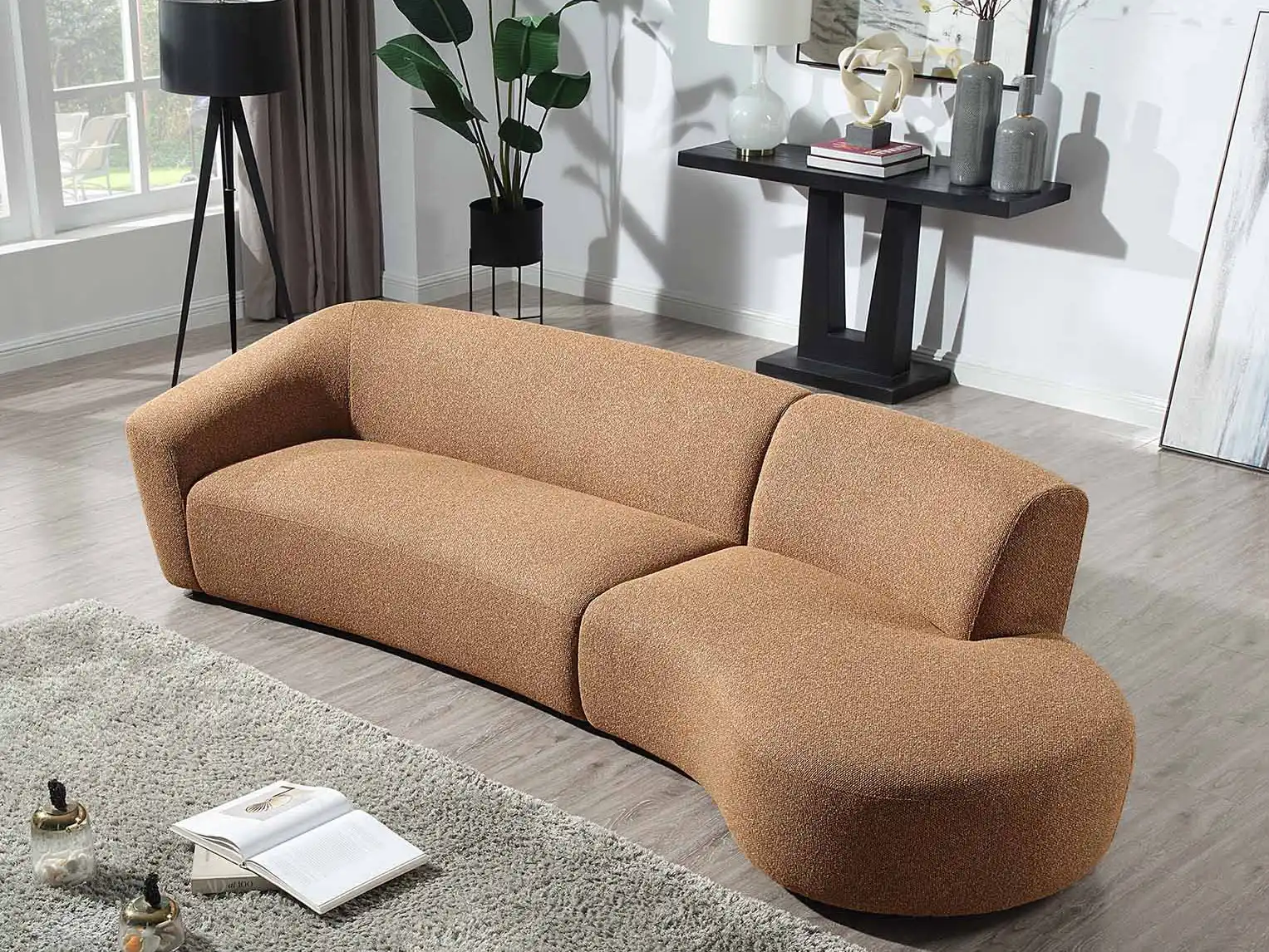
When purchasing managers look at leather sectionals, they should focus on a few technical details that show how well they were made. The quality of the leather is the most important factor. Full-grain leather keeps the natural surface of the hide intact, making it last longer and create a more beautiful patina. Light surface cleaning is done to top-grain leather to get rid of small flaws while keeping its excellent strength. The higher unit costs of these top types are justified by their longer service lives, which mean they don't need to be replaced as often.
The way a structure is built has a big effect on how long it lasts. Kiln-dried hardwood frames are more stable in terms of dimensions than softwood frames, so joints don't come loose, which is what happens when a frame fails. Eight-way hand-tied spring systems spread weight evenly across sitting areas, so the support of the cushions stays the same over time. At stress places where sectional pieces join, corner blocking supports add important structural stability.
Sustainability standards are now important things for companies that care about the earth to think about. Look for suppliers that offer materials that are approved by the Leather Working Group. These materials have been through responsible tanning methods and chemical control. Forest Stewardship Council approval for wooden frame parts shows that the trees are being managed responsibly. These validations by a third party give the necessary purchase paperwork for LEED certification and company green reports. A camel brown leather sectional from a certified supplier meets these high standards.
Customization Options for Project-Specific Requirements
The best makers let you change a lot of things about their products so that the specs of the furniture fit the needs of the project. Changes to dimensions work around limited space without losing comfort or style. The design team at Kanas Furniture works with customers to change the depth, width, and height of sections while keeping the structure's purity and the balance of proportions.
Improvements to functions meet changing needs in the workplace and in catering. Built-in USB charge ports in the arms make it easier to work with multiple devices without having to deal with a lot of cables. For hotel settings that need furniture that can be used for more than one thing, convertible parts turn sectionals into sleeping surfaces. Hidden storage spaces inside chaise parts make the best use of limited room in small spaces.
There are more upholstery choices than just leather styles. Performance leather processes make it harder to damage and kill germs, which is especially useful in healthcare and child care settings. Color matching services make sure that furniture goes well with well-known brand colors or building finishes. Standard goods can be turned into custom solutions that meet specific business needs with these customization options.
Price Benchmarking and Budget Planning
Understanding how prices work in the market helps you make smart budget decisions and evaluate suppliers. Prices for commercial-grade camel leather sectionals range from $2,500 to $6,500 per unit, based on the size, grade of leather, and level of personalization. When you buy in bulk, you can often get tiered prices, which lowers the cost per unit by a lot for orders over 20 pieces.
The total cost study should look at more than just the buy price. Delivery costs vary a lot depending on where the job is located and how easy it is to get to. Installation services, which cost more up front, make sure that the right parts are put together and placed so that damage doesn't happen that voids the guarantee. Options for longer warranties protect against repair costs that come up out of the blue and could hurt operating budgets.
Financing plans make it easier for organizations to buy things on a big scale while still sticking to their budgets. Most manufacturers that sell to businesses offer net-30 to net-90 payment terms to approved buyers with good credit. Real estate developers can keep track of their cash flow during long build-out times by setting project-based payment schedules that are in line with building milestones. Procurement teams can best allocate capital to meet project needs when they know about the different types of financial models that are available.
Styling Your Business Space with Camel Brown Leather Sectionals: Trends and Tips for 2026
Color Coordination and Complementary Design Elements
Using camel leather furniture in a business setting that flows well requires careful color selection that strikes a balance between comfort and professionalism. When you mix camel tones with cool grays, you get a lively contrast that keeps rooms from looking dull. Charcoal accent walls make the background look very different, which makes the leather furniture stand out without taking over the room. Lighter shades of dove gray create slight differences that keep rooms feeling airy and open even when they are smaller.
Natural wood and camel leather look great together, adding to the organic look that is becoming more popular in business settings. The walnut and oak tones in the side tables, shelves, and architectural trim make the materials flow together in a way that seems deliberate and well-thought-out. Metal details in brushed brass or old bronze finishes give leather a modern edge while still bringing out its warm tones. These methods that use a mix of materials show a high level of design complexity that impresses customers and improves how they see the brand.
Adding throw pillows and area rugs to camel brown leather sectionals adds design and material variety that makes them more interesting. Geometric designs in shades of blue, rust, and cream make the room look more interesting without clashing with the camel brown. Jute or sisal rugs are natural fibers that add to the organic color scheme and help divide up sitting areas in open floor plans. These layering methods produce a cozy atmosphere that's good for hotels and modern offices, while still meeting the standards for business durability.
Functional Layout Strategies for Commercial Success
In business settings, the way furniture is arranged has a direct effect on how the area works and how users feel about it. L-shaped sectional arrangements work well in reception areas because they make it easy for people to talk to each other while still leaving clear ways for staff and guests to move around. Putting sectionals across from entryways creates pleasant sight lines that make guests feel welcomed as soon as they walk in.
Office rooms and working areas need to be set up in a way that allows for a variety of activities. Putting sectionals away from walls makes separate areas within bigger open spaces, giving people a mental break without putting up physical walls that make the space less flexible. When you pair sectionals with mobile side tables, you can quickly change the layout from a social setting to a presentation mode, making the most of your space during the workday.
Layouts for hospitality applications need to be able to balance how they look with how well they work. Sectionals in hotel lobby areas should be able to fit multiple groups of guests at once without making the experience less luxurious. Sectional groups should be at least six feet apart to allow for sound privacy during talks and clear access for maintenance staff. These useful tips make sure that furniture makes daily tasks easier instead of harder.
Real-World Implementation Success Stories
A number of innovative businesses have shown that camel brown leather sectional integration can be profitable. A small hotel chain in the Pacific Northwest updated their lobby areas with modular camel leather sectionals. These saved 30% on furniture costs compared to custom built-in seats and gave them more options for holding events. After the makeover, there was a noticeable rise in guest happiness, and comment cards often praised how warm leather tones made the space feel welcoming.
When a tech company redesigned its offices, they put camel sectionals in all of the collaborative areas and got rid of the rigid conference room plans in favor of flexible lounge seating. According to data on employee usage, there were 45% more informal team talks after the furniture change, which helped the company reach its goals for culture change. Buying high-quality leather furniture showed that the company cared about its workers' health and well-being while also making the area more useful.
Conclusion
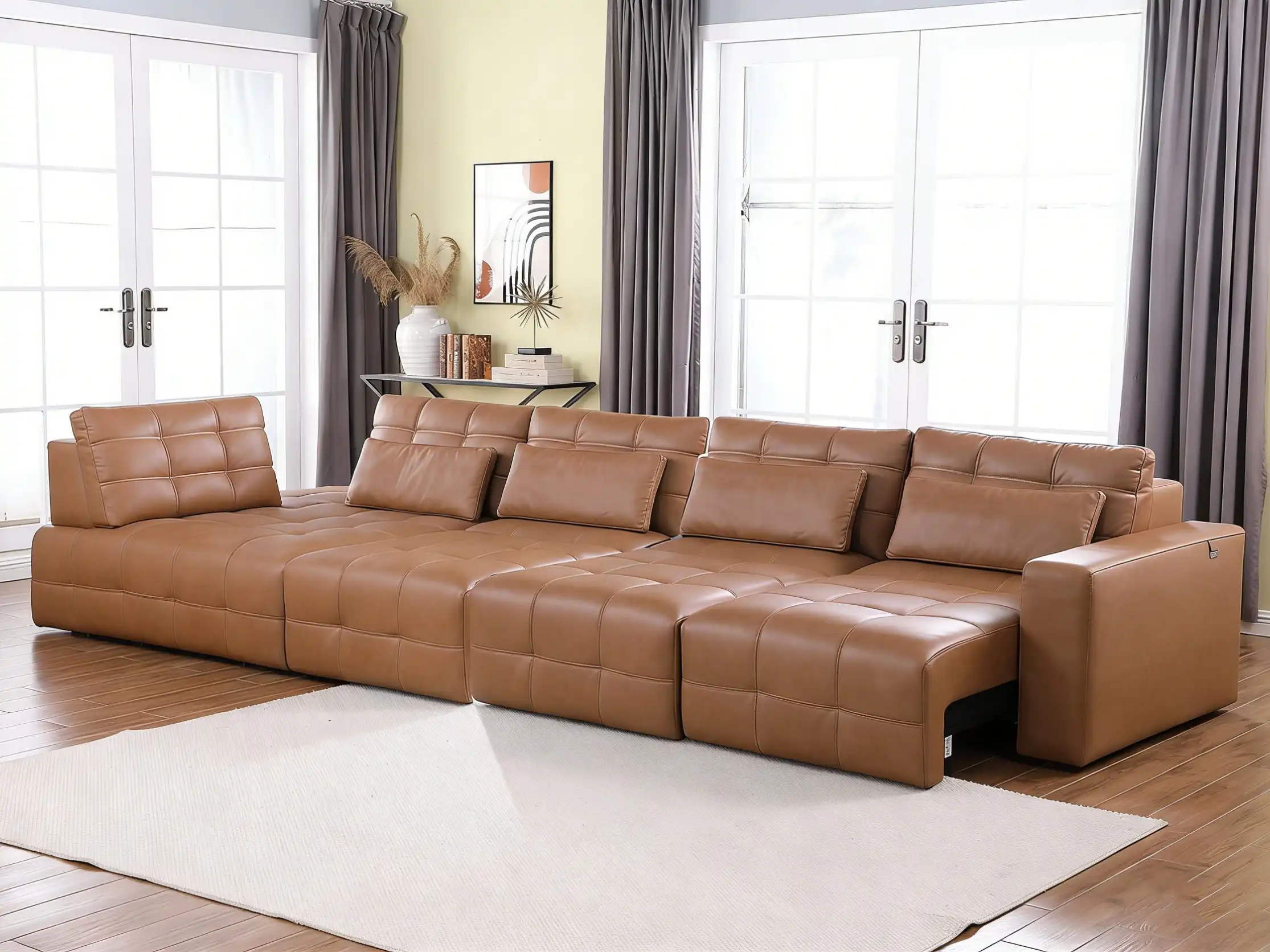
Based on how business furniture trends are going, it's clear that camel brown leather sectionals will be good purchases in 2026 and beyond. This color choice goes beyond short-lived fashion trends and has lasting appeal based on its usefulness and aesthetic flexibility. Procurement pros who put quality materials, thoughtful customization, and source dependability at the top of their list of priorities set their companies up for long-term success. In this guide, from care tips to styling ideas, there are a lot of things to think about. These things can help you make smart decisions. As workplaces and hospitality sites change, the furniture that is chosen must be able to react to new needs in the future. This balance is achieved by camel leather sectionals, which can be used for a variety of tasks while still keeping the professional shine that is important for a brand's image.
Partner with Kanas for Your Commercial Furniture Needs
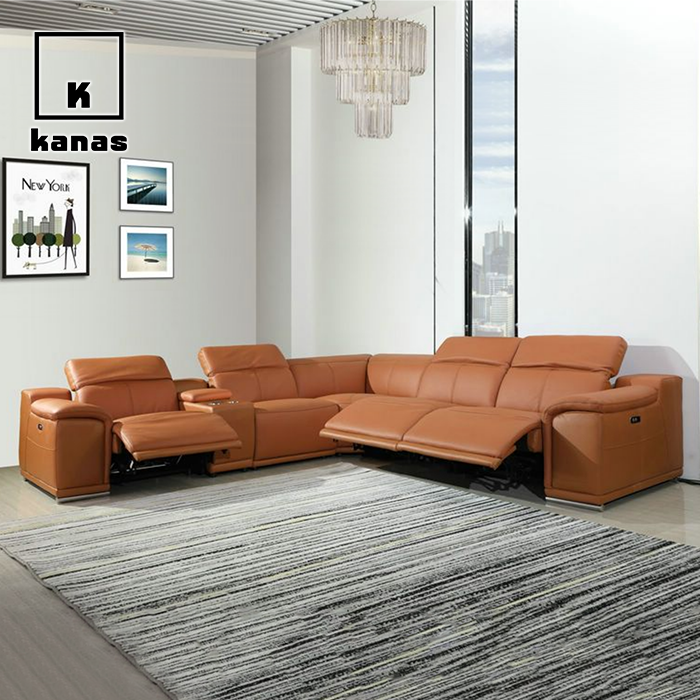
Kanas Furniture has great camel brown leather sectional options that are made for business settings that need both high-end looks and long-lasting functionality. Our 40,000㎡ state-of-the-art factory in Foshan uses cutting-edge production technology and skilled workmanship to make furniture that meets the highest quality standards around the world. As an experienced camel brown leather sectional seller to major retailers in North America and Europe, we know how hard it is for furniture importers, hotel developers, and business designers to find the right furniture.
Our OEM and ODM services give you the freedom to change things about standard goods so they fit your project's needs. Send an email to sc@kanasfurniture.com to talk about your future projects and find out how our dependable supply chain, low prices, and dedication to quality can help your business reach its goals in 2026 and beyond.
References
1. Interior Design Magazine. "Commercial Furniture Color Trends 2026: Earth Tones Dominate Corporate Interiors." Volume 94, Issue 2, 2025.
2. Leather Working Group. "Sustainability Standards in Commercial Leather Manufacturing: 2025 Industry Report." Published January 2025.
3. Contract Magazine. "Hospitality Furniture Procurement: Balancing Aesthetics and Durability in Modern Hotel Design." March 2025 Edition.
4. American Society of Interior Designers. "Workplace Design Forecast: Furniture Trends Shaping Hybrid Office Environments." Research Publication, 2025.
5. Furniture Today. "B2B Procurement Strategies: Total Cost of Ownership Analysis for Commercial Seating Solutions." Business Intelligence Report, 2025.
6. Journal of Sustainable Architecture and Design. "Environmental Certifications in Commercial Furniture: Impact on Corporate Procurement Decisions." Volume 12, Number 4, 2025.
Learn about our latest products and discounts through SMS or email