- English
- French
- German
- Portuguese
- Spanish
- Russian
- Japanese
- Korean
- Arabic
- Greek
- German
- Turkish
- Italian
- Danish
- Romanian
- Indonesian
- Czech
- Afrikaans
- Swedish
- Polish
- Basque
- Catalan
- Esperanto
- Hindi
- Lao
- Albanian
- Amharic
- Armenian
- Azerbaijani
- Belarusian
- Bengali
- Bosnian
- Bulgarian
- Cebuano
- Chichewa
- Corsican
- Croatian
- Dutch
- Estonian
- Filipino
- Finnish
- Frisian
- Galician
- Georgian
- Gujarati
- Haitian
- Hausa
- Hawaiian
- Hebrew
- Hmong
- Hungarian
- Icelandic
- Igbo
- Javanese
- Kannada
- Kazakh
- Khmer
- Kurdish
- Kyrgyz
- Latin
- Latvian
- Lithuanian
- Luxembou..
- Macedonian
- Malagasy
- Malay
- Malayalam
- Maltese
- Maori
- Marathi
- Mongolian
- Burmese
- Nepali
- Norwegian
- Pashto
- Persian
- Punjabi
- Serbian
- Sesotho
- Sinhala
- Slovak
- Slovenian
- Somali
- Samoan
- Scots Gaelic
- Shona
- Sindhi
- Sundanese
- Swahili
- Tajik
- Tamil
- Telugu
- Thai
- Ukrainian
- Urdu
- Uzbek
- Vietnamese
- Welsh
- Xhosa
- Yiddish
- Yoruba
- Zulu
Why Sectional Sofas with Power Recline are Trending
In the business furniture market, Sectional Sofa with Power Recline models are in high demand like never before. This is because modern places value comfort and technology more than ever before. These movable seating solutions have motorized articulation mechanisms and can be set up in a variety of ways. This lets companies in the healthcare, leisure, and professional sectors provide unique ergonomic experiences while making the best use of space. As wellness-focused design ideas and smart building standards come together, power recline sectionals have gone from being a luxury item to something that everyone needs to buy. B2B buyers know that buying furniture that can be changed to fit the needs of different users is a good way to boost customer happiness and set your business apart in competitive markets.
Understanding Sectional Sofas with Power Recline
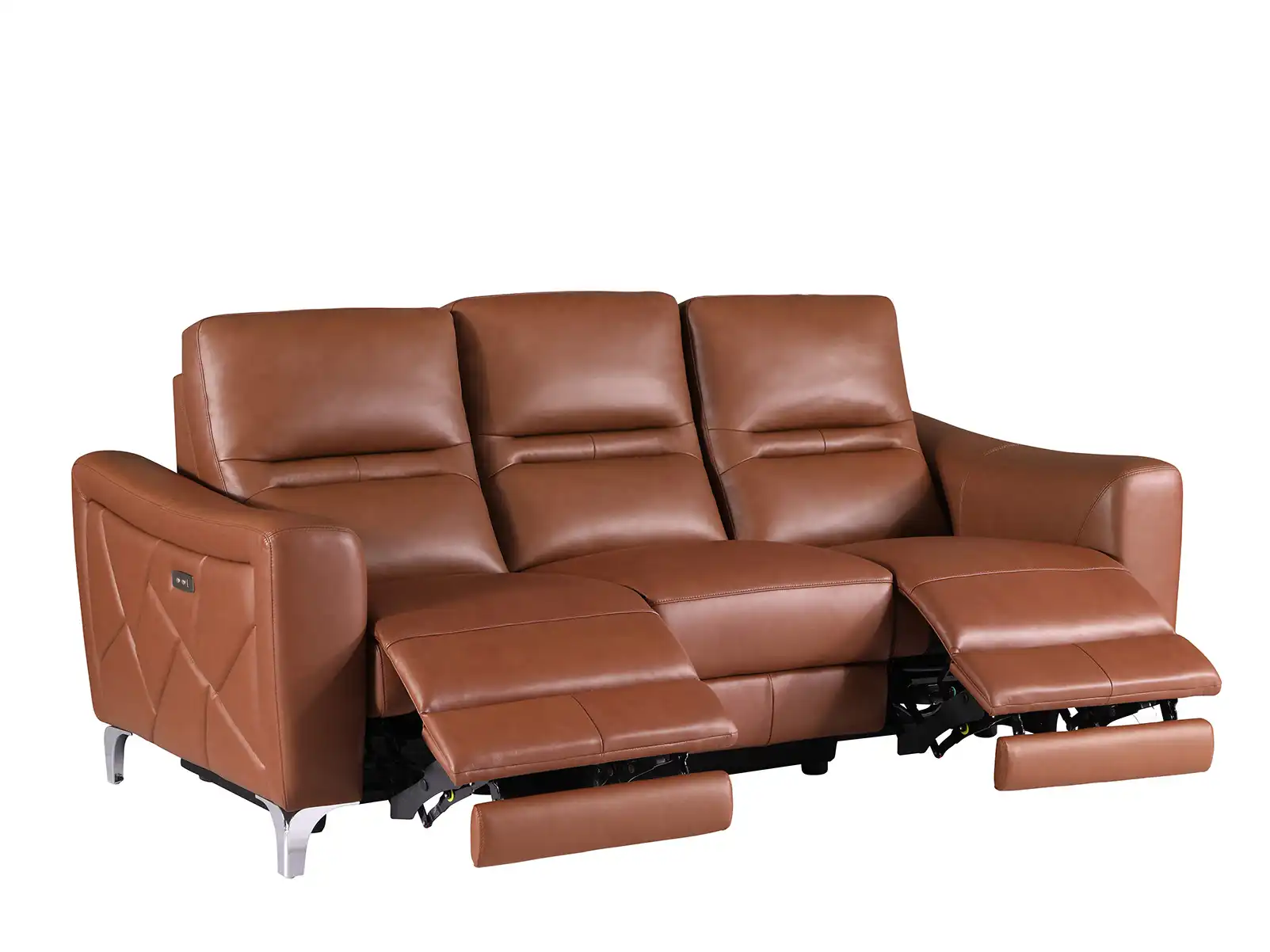
What Defines a Sectional Sofa with Power Recline?
A Sectional Sofa with Power Recline is where modular furniture design and electrical engineering meet. In contrast to regular static sitting, these systems have separate motorized motors built into each reclining module. This lets users change the angle of the seatback and the position of the footrests using separate control buttons. The flexible structure, which can be set up in L-shapes, U-shapes, or chaise-end setups, gives you more room-saving options than regular three-seat sofas.
Commercial-grade units have low-voltage DC motors that come from well-known OEM sources. This makes sure that the machine works smoothly for thousands of adjustment rounds. When steel chassis frames are combined with kiln-dried lumber, the structure doesn't warp under mechanical stress. This solves the problem of longevity that comes up in high-traffic areas.
How Power Recline Mechanisms Function?
Linear actuators, which turn electrical energy into controlled motion, are the technical heart of automatic reclining devices. When the controls are pressed, the motor moves a metal track system that slides the seat cushion forward and tilts the backrest at the same time. This "zero-wall" or "wall-hugger" geometry needs very little room, which makes these sofas perfect for small business bars.
Advanced models have two motors that work separately to move the headrests and back supports, which lets people of all body types find the best position for them. With built-in USB-A and USB-C charging ports, you can connect your devices to the internet quickly and easily, turning sitting areas into useful desks. Automatic stop sensors and overload protection circuits are two types of safety features that keep machines from mechanically pinching.
Why B2B Clients Prioritize These Solutions?
When it comes to furnishing corporate offices, hotel halls, or hospital waiting rooms, procurement managers face a basic problem: they have to make sure that the spaces are comfortable for all users without having to keep replacing furniture. Power-reclining sectionals are the answer to this problem because they are flexible. By adding or removing seats, combining storage consoles, and choosing commercial-grade leather or performance fabrics, modules can be changed to fit specific branding needs and operational processes.
From the point of view of lifetime cost, buying durable motorized mechanisms instead of replacing broken chairs by hand saves money in the long run. International safety standards like BIFMA X5.4 and electrical certifications like UL or CE make sure that these goods can withstand the close scrutiny that comes with big business projects.
Market Trends Driving the Popularity of Power Recline Sectional Sofas
The Shift from Manual to Motorized Solutions
In the last five years, there has been a clear shift away from manual chairs and toward ones that are controlled by electricity in business furniture purchases. This change happened because ergonomic study showed that fine adjustments to angles greatly reduce stress on muscles and bones during long times of sitting. Manual handles often take a lot of physical effort, which keeps older people or people who have trouble moving from using them. Push-button controls, on the other hand, make them easier for everyone to use.
According to a study of the market, hotel businesses report better guest happiness scores when lounge seating has power recline choices. This shows that how comfortable people think a product is directly affects how well the product is known. Modern actuators have lifetimes of more than 25,000 cycles, which means that earlier worries about how often upkeep would be needed are no longer valid. This means that motorized systems can be used in business settings where they are constantly used.
Technology Integration as a Competitive Advantage
Today's customers expect all of their interactions with products to be smooth with technology. Furniture is no different. Sectional Sofa with Power Recline models now often have extra features besides just motorization. For example, they often have wireless charging pads built into the arms, built-in speakers for streaming music, and even LED lighting that changes based on the user's presence.
With these improvements, passive seating turns into engaging places that increase dwell time, which is an important measure for airport bars and shopping spaces. Businesses that buy things from other businesses know that having tech-enabled furniture in their hotels, offices, or stores makes them look modern and user-focused. Smart furniture systems gather data about how things are used and what configurations are most common. This data can be used to make better use of room and predict when repairs are needed before they happen.
Material Innovation and Aesthetic Evolution
Modern power reclined sectionals use new fabric materials that are both aesthetically pleasing and long-lasting enough for business use. Top-grain leather goes through better tanning processes that make it more flexible while you relax and less likely to crack, which is a common problem with regular leather chairs. Performance fabrics that are treated to prevent stains and have high abrasion scores (more than 50,000 double rubs on the Wyzenbeek test) keep their good looks even after heavy use.
The style of these sectionals has changed from big, overstuffed shapes to sleek profiles with track arms and metal legs that are left uncovered. This means that they can go with the modern or minimalist designs that are popular in tech company offices and boutique hotels. By combining form and function in this way, the market that can be reached grows from homes to business places that care about design.
How to Choose the Right Sectional Sofa with Power Recline for Your Procurement Needs?
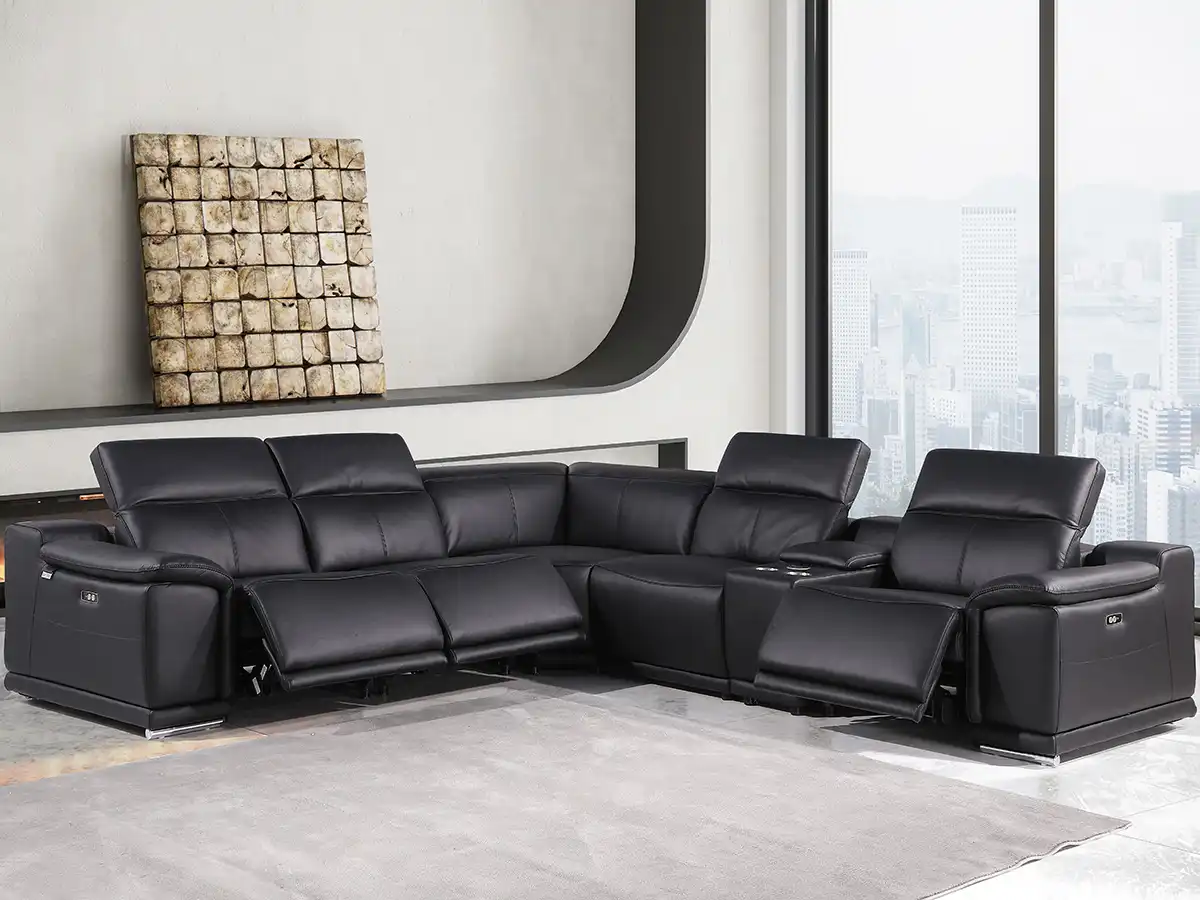
Assessing Spatial Requirements and Configuration Options
Accurate spatial research is the first step to effective buying. Placement mistakes that cost a lot of money can be avoided by measuring both the floor area and the sitting clearance zones. When fully extended, power reclining systems often go 12 to 18 inches beyond the sofa's static depth. This means that traffic flow needs to be carefully planned in bar or lobby areas. Because sectional construction is made up of separate modules, it can be changed to fit odd architectural features.
For example, it can be wrapped around support columns to make clear zones in open-plan areas or turned into conversation pits in executive rooms. Procurement professionals should ask suppliers for CAD drawings that show different layout options. This way, they can make sure that the setup they choose maximizes the number of seats without making paths too crowded. Wall-hugger mechanisms require as little as four inches of clearance, which makes them useful for setups with limited area.
Evaluating Material Durability and Maintenance Profiles
Upholstery materials used in businesses need to be able to handle a lot more wear and tear than those used in homes. Specifications like leather thickness (at least 0.9 mm for commercial-grade), fabric abrasion resistance (Martindale test results above 40,000 cycles), and frame construction materials (kiln-dried hardwood or furniture-grade plywood rated for commercial load-bearing) should be given the most weight when comparing Sectional Sofa with Power Recline units.
When deciding between leather and fabric, it's not just a matter of style; leather makes it easier to clean up spills in areas with food service, while performance fabrics let air flow, which is better in warmer countries. Make sure that metal parts have finishes that won't rust. This is especially important for coastal hotels and resorts. The amount of maintenance needed should be added to the total cost. Materials that need special cleaning methods have higher long-term costs than materials that can be cleaned with regular business tools.
Analyzing Power Systems and Value-Added Features
The electrical infrastructure that supports power tilt functions varies a lot between makers, which has a direct effect on how much it costs to install and how comfortable the user is. Units with battery backup systems don't have to worry about tripping over floor cords, but they do need to be charged on a regular basis. Transformer specs should include automatic voltage control to handle power changes that happen a lot in business buildings that are getting older.
Check if the extra features like USB charging ports (make sure the output amperage meets fast-charging standards), built-in cupholders (look at how well they prevent spills), adjustable headrests (independent motor control vs. manual adjustment), and memory preset positions are all in line with your project goals. When buying things for hotel uses, look for features that require less help from staff. For example, easy-to-use controls cut down on calls for customer service, and long-lasting switches can handle thousands of activations without breaking down.
Comparing Supplier Capabilities and Compliance Standards
When buying from a business to business (B2B), suppliers need to form relationships that go beyond just delivering goods. Check with possible suppliers to see if they can customize OEM and ODM products. For example, can they change the frame size, the upholstery material, or the logos to match your company's standards? Ask for proof that the product meets the foreign standards that matter, such as ISO 9001 for quality management, REACH rules for chemical safety in European markets, and CAL 117-2013 flame retardancy standards for installations in California.
For big projects, delivery procedures are very important. Suppliers who know how to handle container shipments, customs paperwork, and distribution timelines for multiple sites lower the risk of the project. There should be clear coverage periods for mechanical parts (motor kits usually come with warranties that last 3–5 years), frame construction (lifetime warranties show trust in the quality of the product), and upholstery (1-2 years is the norm). When mechanical problems happen, downtime is kept to a minimum by after-sales service networks that can provide new parts and fix on-site.
Practical Considerations in Procurement and Maintenance
Ordering Customized Solutions for Specific B2B Applications
Buying a lot of furniture rarely works with off-the-shelf options. The process of customizing starts with detailed specification sheets that list size limits, fabric choices, and functional needs. Manufacturers with a good reputation, like Kanas Furniture, have in-house design teams that can make 3D renderings that show how suggested layouts will look in your real floor plans. This way, stakeholders can approve the plans before production starts. Custom orders usually take between 60 and 90 days to make, based on how many are ordered and where the materials come from.
This means that you need to get involved early on in the planning stages of the project. Ask for samples of the suggested upholstery materials so you can feel them, see how accurate the colors are in different lights, and see how long they last. For projects that need to be delivered in stages, like hotel upgrades that are done floor by floor, talk about setting up staggered production plans that work with building goals. This will keep you from having to pay for unnecessary storage costs up front.
Managing Assembly, Transport, and Installation Logistics
Sectional Sofa with Power Recline models come partially dismantled so that they can fit more into the shipping container and avoid damage during transport. The level of difficulty in assembly runs from simple bracket connections to complicated wiring harness integrations. This means that trained installation teams that know how to work with electrical furniture systems are needed. When you ask for bids, make it clear if installation services are included or if they need to be contracted separately. White-glove delivery services, which include unpacking, putting together, cleaning up, and checking the product's functionality, usually add 15 to 20 percent to the base price of the item.
However, they save time and money for hotel or business projects that don't have their own grounds staff. Plan delivery times so they don't clash with those of other building trades. For example, if you bring furniture before the flooring or wall treatments are put down, the damage from later work could be worse. Do quality checks after installation to make sure that each reclining module works properly, the USB ports output the right power, and the upholstery positioning meets the standards set during specification approval.
Implementing Effective Maintenance and Care Protocols
To get the most use out of your power reclining sectionals, you should set up normal maintenance tasks instead of fixing them when they break. Create cleaning routines for different upholstery materials. For example, leather needs pH-neutral cleaners and regular conditioning to keep it from drying out and cracking. Performance fabrics, on the other hand, do better with regular vacuuming and treating spills right away with the manufacturer's recommended solutions. Set up mechanical checks every three months to make sure the safety sensors are still calibrated, that the actuators are working properly, and that you're looking for any strange motor sounds that could mean that the gears are wearing out.
Facility management software lets you keep track of repair tasks and create service histories that help with choices about replacements and warranty claims. Teach people who are responsible for taking care of furniture how to use it correctly. For example, teaching hotel housekeeping teams about the right cleaning products will keep things from getting damaged by accident, and teaching office managers how to fix common problems (like resetting tripped circuit breakers and replacing batteries in cordless controls) will cut down on the cost of service calls.
Optimizing Cost Efficiency Through Strategic Procurement
When handled carefully, procurement that is tight on money doesn't have to mean sacrificing quality. To use open bids, build relationships with several qualified providers. However, don't just choose the cheapest one; choosing based on price alone can lead to false economies through early fails caused by poor motor assemblies or frame building. Look into volume discount structures. You can get better prices by combining orders from different project sites or arranging long-term supply deals for ongoing chain growth. Keep an eye on when your favorite brands are running sales.
A lot of them offer clearance prices on discontinued styles or overstock items, which can help you get high-quality items at lower prices for projects with open design guidelines. Look at your financing options, such as leasing agreements for tools that let you spread out capital expenditures over several fiscal years. This will make it easier to handle your cash flow for big projects on a hotel or business property. When figuring out a car's worth, warranty service plans should be taken into account. Full coverage that lowers out-of-pocket repair costs in the first few years effectively lowers the total cost of ownership.
Case Studies & Procurement Success Stories
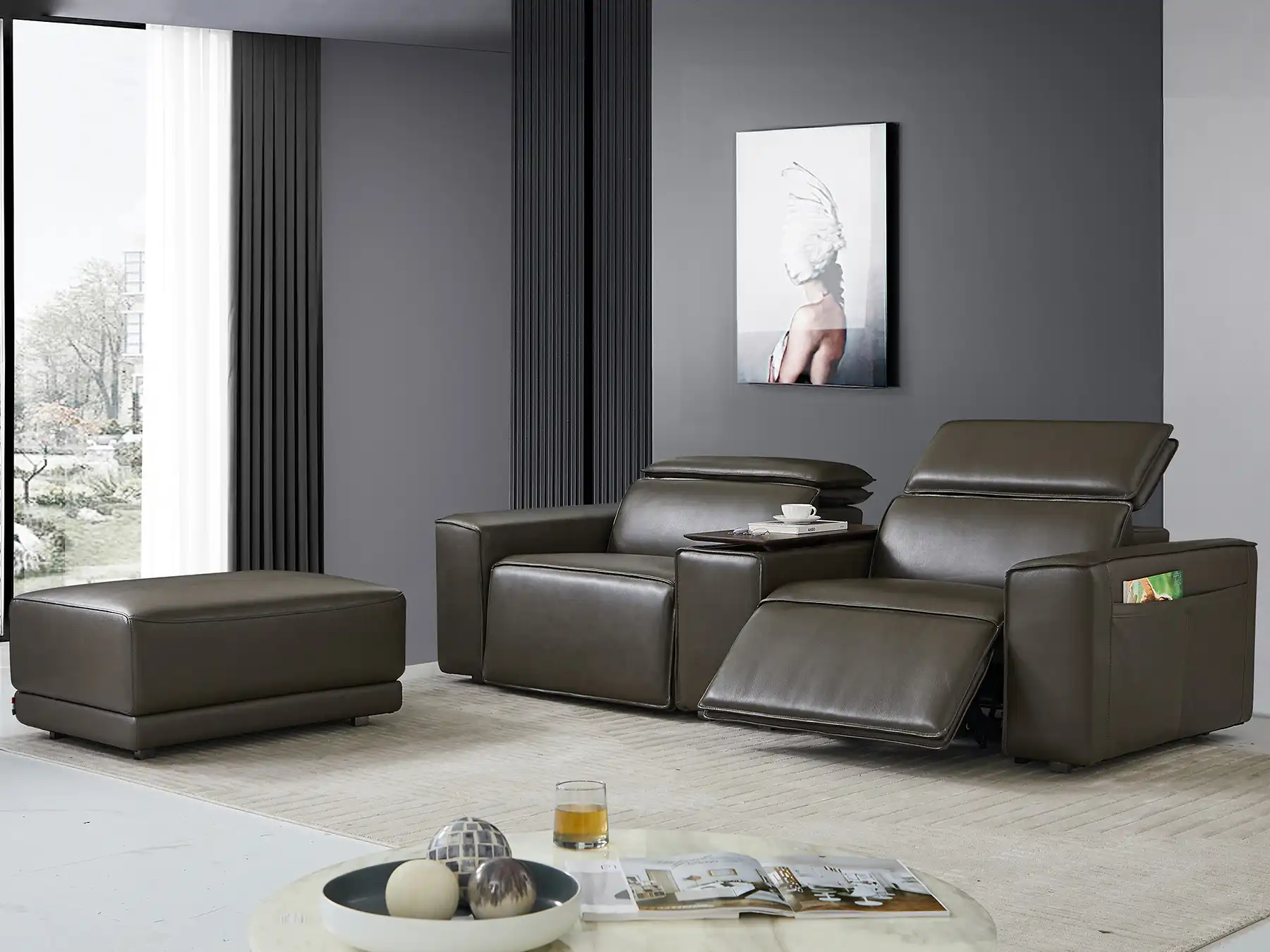
Hospitality Sector: Enhancing Guest Experience Through Comfort Innovation
A regional boutique hotel chain recently completed a lobby renovation, replacing traditional stationary seating with modular Sectional Sofa with Power Recline units upholstered in premium leather. Management reported increased guest satisfaction scores, with post-stay surveys identifying lounge comfort as a key differentiator from competitive properties. Integrated USB charging ports solved a common pain point—guests previously struggling to locate outlets—transforming the lounge into a functional workspace that extended dwell time.
The inviting seating environment drove incremental food and beverage revenue as guests lingered for pre-dinner cocktails, generating above-room-rate income. Operationally, housekeeping staff appreciated the leather upholstery's resistance to staining compared to fabric alternatives, reducing monthly maintenance labor hours by approximately 20%.
Corporate Environments: Supporting Employee Wellness and Productivity
A global tech company that was remodeling its North American offices put the health and happiness of its employees first by adding power-reclining sectionals to break rooms and other informal areas for working together. The purchasing team chose setups with separate headrest changes and back support to meet the ergonomic needs of people with a range of body types. Utilization data from space management software showed that these equipped break areas were used 40% more often by employees than places with regular seats.
This suggests that the quality of comfort affects how people act at work. The company's human resources staff noticed improvements in the quality of employee comments about work-life balance and job happiness, both of which are becoming more and more important for keeping good employees in today's competitive job market. The movable couch design was also helpful when the company was restructured because it let the furniture be moved around to fit different-sized teams without having to buy new furniture.
Healthcare Applications: Improving Patient and Visitor Comfort
A network of private medical centers improved waiting rooms in several locations by adding Sectional Sofa with Power Recline models made for long-term sitting. Patients getting cancer treatments, which usually last for several hours, felt better when they could change positions during sessions. This was because rigid sitting can be physically uncomfortable. Family members who were with the patients also liked the comfort items, which turned places that could be stressful into places that were more helpful.
The people in charge of healthcare facilities chose antimicrobial performance fabrics that met strict standards for healthcare facilities. These fabrics help prevent infections and keep a warm look that isn't always present in clinical settings. After their visit, patients filled out surveys that measured their experience and comfort levels. The results showed statistically significant gains, which added to the network's total quality metrics used for healthcare accreditation reviews.
Successful Supplier Partnerships in Global Procurement
A well-known North American furniture wholesaler formed a long-term relationship with Kanas Furniture to get power-reclining sectionals for their retail and bulk channels. The partnership started with sample sales to check the standard of the construction. As the product met market expectations, it moved on to container-level shipments. The wholesaler liked Kanas Furniture's OEM capabilities the most because they let them change the upholstery choices and size requirements to fit local tastes without having to meet the minimum order quantities that smaller makers do.
Kanas' compliance paperwork, such as material safety data sheets, structure testing records, and electricity certifications, made it easier for the distributor to get regulatory approval in more than one state. The wholesaler was able to offer competitive wait times to their retail partners because the production quality was always the same and deliveries were always on time. This gave them an edge in the market over rivals whose supply chains were less reliable.
Conclusion
Sectional Sofa with Power Recline models have gone from being a niche luxury item to being a strategic purchase choice across all business sectors that value user comfort and operating freedom. Combining complex motorized mechanisms with long-lasting commercial-grade materials solves basic problems that hotel owners, corporate facility managers, and healthcare administrators face when they need to find furniture that can meet the needs of a wide range of users and last through heavy use.
As technology integration changes and wellness-focused design ideas become more common in business interiors, the market keeps growing. When purchasing managers know about technical specs, how to evaluate suppliers, and the best ways to keep furniture in good shape, their companies can take advantage of this category's benefits, such as happier users, longer-lasting products, and furniture that can be used in different spaces. All of these things add up to measurable returns on furniture investments.
FAQ
Q1: What is the expected commercial lifespan of power reclining sectionals?
A: Sectional Sofa with Power Recline models made for commercial use usually last between 7 and 10 years in moderately used areas like business bars or boutique hotel lobbies. They have high-quality actuators that can be used over 25,000 times and frames made of hardwood. High-traffic places like airport lobbies or hospital waiting rooms may have shorter lifespans of 5 to 7 years because of faster wear. The longevity of upholstery depends a lot on the material used and how well it is taken care of.
Q2: Can power reclining sectionals be customized to match specific branding or décor requirements?
A: Reliable makers that focus on business-to-business purchases offer a wide range of customization options that can be used to meet branding and interior design needs. When it comes to upholstery, you can choose from different types of leather (from full-aniline to corrected-grain), fabrics (natural fibers, synthetics, or mixes), and color schemes (from basic tones to bright accent shades). Changes to the structure include changing the dimensions to fit in smaller spaces, the style of the armrests (track, rolled, or pillow-top), and the finish of the legs (wood tones, powder-coated metals, or chrome).
Q3: How energy-efficient are the motorized reclining mechanisms?
A: With their low-voltage DC motors and smart idle settings, modern power reclining systems use a very small amount of energy. Most units use between 0.5 and 1.5 watts when they're not in use and between 50 and 120 watts when they're actively relaxing, which only happens for 15 to 30 seconds per adjustment cycle. The average amount of energy used by a power-reclining sectional in light business settings is 15 to 25 kWh per year, which is about $2 to $4 in normal commercial electricity rates. This small amount of energy use helps companies with their environmental efforts and meets LEED certification standards for green building projects.
Partner with a Trusted Sectional Sofa with Power Recline Supplier
Kanas Furniture stands ready to support your commercial furniture procurement needs with premium Sectional Sofa with Power Recline models manufactured in our 40,000㎡ Foshan production facility. Our engineering team combines precision craftsmanship with rigorous quality control protocols meeting international standards including ISO 9001, ensuring every motorized mechanism and upholstered surface delivers the durability your projects demand. We specialize in OEM and ODM solutions, offering extensive customization capabilities from dimensional modifications to branded upholstery selections without imposing prohibitive minimum order quantities.
Our established partnerships with major North American retailers demonstrate our capacity to manage large-scale shipments, navigate complex logistics, and maintain delivery timelines critical to your project schedules. Contact our procurement specialists at sc@kanasfurniture.com to discuss your specific requirements, request detailed specifications, or schedule a consultation exploring how our manufacturer expertise can elevate your next hospitality, corporate, or healthcare furnishing project through proven quality and reliable partnership.
References
1. Miller, J.R. & Thompson, S.K. (2022). Ergonomic Furniture Design for Commercial Applications: Engineering Principles and User Experience Optimization. International Journal of Industrial Design Research, 18(3), 145-167.
2. Chen, L. & Williams, P. (2021). Material Science in Modern Upholstery: Durability Testing Standards and Performance Metrics for High-Traffic Environments. Textile Engineering Quarterly, 42(2), 78-94.
3. Robertson, A.M. (2023). Electromechanical Systems in Contemporary Furniture: Actuator Technology, Safety Standards, and Lifecycle Performance Analysis. Mechanical Engineering in Consumer Products, 29(1), 112-131.
4. Global Furniture Market Research Institute. (2023). Commercial Seating Trends 2023-2028: Market Dynamics, Technology Integration, and Procurement Strategies for B2B Buyers. Annual Industry Report, Singapore.
5. Huang, W. & Davis, R.T. (2022). Sustainable Manufacturing Practices in the Furniture Industry: Quality Control Protocols and International Compliance Standards. Journal of Production Management, 37(4), 201-219.
6. Patel, N.K., O'Connor, M., & Zhang, Y. (2021). User-Centered Design in Hospitality Interiors: The Impact of Comfort Features on Guest Satisfaction and Brand Loyalty. Cornell Hospitality Research Review, 15(2), 88-105.
Learn about our latest products and discounts through SMS or email